Suro Senen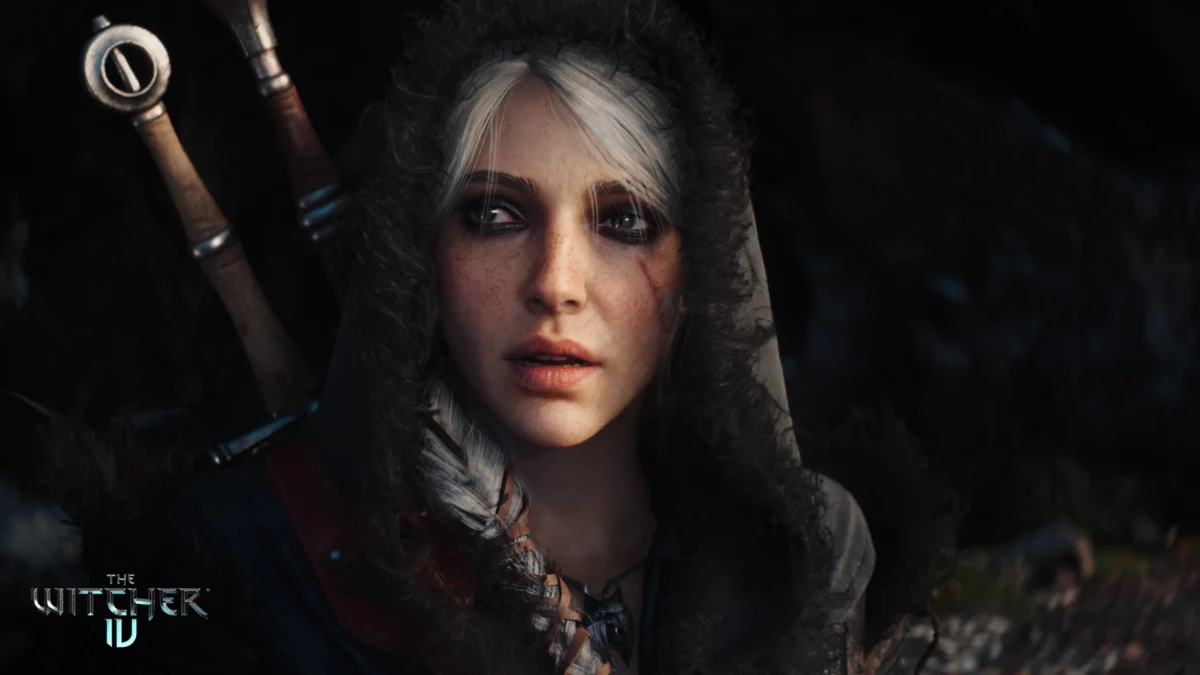
In a move that signals a profound pivot toward its core identity, the Polish gaming titan formerly known as CD Projekt has officially changed its corporate name to CD Projekt Red. This decision, ratified during the company’s general meeting on June 23, marks the end of an era for the holding company and the beginning of a more streamlined, brand-focused chapter for the studio that brought us The Witcher and Cyberpunk 2077.
For decades, the distinction between the holding company (CD Projekt) and the development studio (CD Projekt Red) served as a vestige of the company’s multifaceted origins. However, with the divestment of its digital storefront and a sharpened focus on triple-A development, the board of directors has determined that the corporate identity must now align perfectly with the creative powerhouse that drives its global reputation.
The Core Facts: What Has Changed?
The formal name change, as confirmed through the company’s official filings, serves to unify the corporate entity with the studio’s brand. The decision was not merely cosmetic; it was a strategic resolution presented by the management board to simplify how the company is identified by investors, players, and media outlets worldwide.
According to the management’s official justification: "The new company name will ensure consistency in the communication of the CD Projekt Red brand, which will, among other things, facilitate the identification of the company with its products on the global market."
This shift is intended to remove the confusion that sometimes arises between the parent company and its primary subsidiary. By operating under a single, unified banner, the company aims to solidify its status as a developer-first organization.
A Chronological Journey: From Retailer to Global Developer
To understand why this rebranding is so significant, one must look back at the company’s evolution since its inception in 1994.
The Early Days (1994–2002)
Founded by Marcin Iwiński and Michał Kiciński, CD Projekt began its life as a local distributor of foreign video games in Poland. It was a time when the Polish gaming market was still finding its footing, and the company played a crucial role in bringing Western titles to Eastern European gamers.
The Birth of the Studio (2002–2007)
In 2002, the company took a massive gamble by establishing the CD Projekt Red studio. This was a transition from being a middleman in the supply chain to a creator of intellectual property. The company secured the rights to Andrzej Sapkowski’s The Witcher book series, setting the stage for one of the most successful RPG franchises in history. The 2007 release of the original The Witcher title was the turning point that propelled them onto the international stage.
The Expansion and the GOG Era
As the studio grew, the holding company expanded. It launched the GOG (Good Old Games) platform, which became a beloved digital storefront for classic and DRM-free PC games. For nearly two decades, CD Projekt functioned as a dual-engine entity: a world-class game developer and a digital retailer.
The Current Pivot (2025–2026)
The sale of GOG in late 2025 to co-founder Michał Kiciński for $25 million signaled that the company was shedding its non-core assets to focus exclusively on game development. The name change in 2026 is the final step in this transformation, effectively shedding the "distributor" identity to become, in name and deed, purely CD Projekt Red.
Supporting Data: Why the Shift Matters
The logic behind the rebrand is backed by the company’s current operational reality. In their filings, management noted that the "studio’s activities currently correspond to the Company’s core operational activity."
Financial and Market Implications
By aligning the corporate name with the studio, the company is attempting to optimize its brand equity. Investors and the public now associate "CD Projekt" with its games. By adding "Red" to the official corporate title, they ensure that the brand sentiment—which has seen highs with The Witcher 3 and Cyberpunk 2077: Phantom Liberty—is tied directly to the corporate entity.
The GOG Divestment
The sale of GOG was the prerequisite for this rebranding. As GOG Managing Director Maciej Gołębiowski noted in his discussion with GamesIndustry.biz, the separation was a natural progression. "GOG has a different strategy, CD Projekt has [its] own strategy. So I think at this point it was really natural." With GOG no longer under the corporate umbrella, the "CD Projekt" name—which historically encompassed retail—no longer fit the pure-play developer profile.
Official Responses and Internal Perspectives
The decision has been met with quiet approval from industry analysts, who see it as a "housekeeping" move that reflects the company’s current focus. Management has been clear that this is about communication clarity.
Internal documents released ahead of the June 23 meeting emphasize that the company’s identity is now synonymous with its creative output. By removing the ambiguity, they aim to streamline marketing, licensing, and public relations, ensuring that every piece of corporate communication points toward the studio’s projects rather than a legacy holding company structure.
Implications: What Lies Ahead for CD Projekt Red?
The rebranding is more than just a name change; it coincides with the most ambitious production slate in the company’s history. With the GOG distraction removed and the corporate identity solidified, the firm is doubling down on its creative future.
The Witcher 4 and the "Intensive Phase"
The studio is currently in the most intensive phase of development for the next mainline Witcher game. Reports suggest a team of over 500 developers is currently dedicated to the project, marking a massive scaling effort compared to previous development cycles.
Cyberpunk 2077 Sequel
The Boston office, a newer addition to the company’s global footprint, is actively handling the development of the sequel to Cyberpunk 2077. This represents a shift toward a multi-studio model, where the brand is no longer anchored to a single location in Poland.
Project Sirius and Project Hadar
The company is also diversifying its output. Project Sirius, a multiplayer title set in The Witcher universe, is being handled by CD Projekt Red North America. Meanwhile, Project Hadar represents the studio’s first foray into an entirely original, internal intellectual property. This signifies a move away from relying solely on licensed IPs like The Witcher or established worlds like Cyberpunk.
Conclusion: A Focused Future
The transition from CD Projekt to CD Projekt Red is a symbolic bridge between the company’s past as a Polish distributor and its future as a global titan of entertainment. By shedding the "distributor" skin and embracing the "Red" identity, the company has signaled that it is no longer looking to be everything to everyone.
Instead, they are betting their future on a singular, refined focus: the creation of immersive, high-quality, and player-centric experiences. As the company enters this new phase, the name above the door will finally match the reputation they have spent over two decades building. For the players, this means a more concentrated effort on the games they love; for the industry, it marks the evolution of a company that has finally found its true, singular calling.
As the team in Warsaw and across the globe moves forward with The Witcher 4, Project Hadar, and beyond, they do so with a name that is as sharp, clear, and recognizable as the games they aim to deliver. The era of the holding company is over; the era of the studio, in both name and spirit, has truly begun.


 Siti Muinah
 Laily UPN