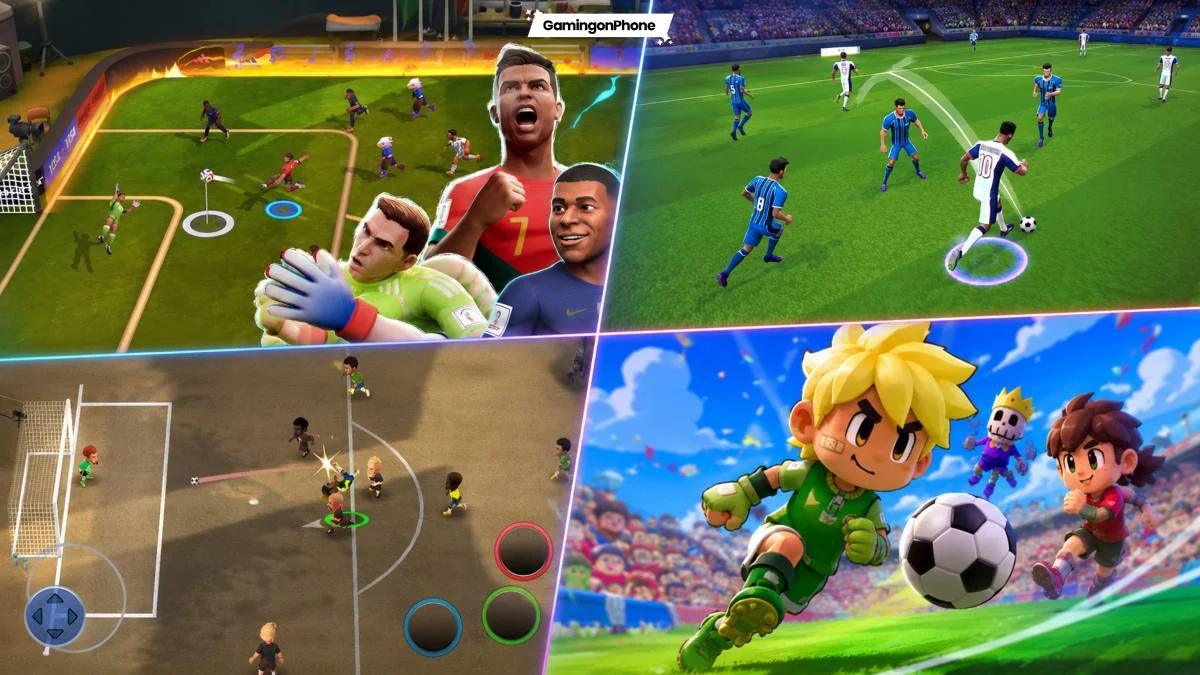
The global football landscape is shifting. As anticipation for the 2026 World Cup reaches a fever pitch, the traditional boundaries of how we engage with the "beautiful game" are being redrawn. While console-grade simulations strive for photorealistic fidelity and 90-minute tactical realism, a vibrant, parallel industry has emerged on mobile devices: the arcade football revolution.
For the modern mobile gamer, the priority is no longer just "simulation"—it is accessibility, intensity, and immediate gratification. Whether you are commuting, waiting in line, or simply looking to scratch that football itch without the cognitive load of complex managerial duties, the arcade sub-genre provides a high-octane alternative. We have curated an in-depth look at the top-tier arcade football experiences currently dominating the mobile ecosystem.
The Shift Toward "Quick-Play" Gaming
In an era where attention spans are measured in seconds, mobile gaming developers have pivoted toward "snackable" content. The appeal of these games lies in their departure from the rigid rules of FIFA or PES. Instead, they embrace stylized graphics, power-ups, and shortened match durations.
The data supports this trend. Recent market research indicates that mobile sports games with session lengths under three minutes see a 40% higher retention rate than their simulation counterparts. By stripping away the fatigue of a full match and focusing on the "moment of impact"—the tackle, the save, the screamer from outside the box—developers are capturing a massive audience that prioritizes fun over technical accuracy.
1. FIFA Heroes: The Superhero Approach
Publisher: Solace Games & ENVER
FIFA Heroes: Football Action represents the vanguard of the arcade movement. By blending the world of professional football with the flair of comic book culture, it creates a unique niche.
Core Mechanics and Gameplay
In FIFA Heroes, the pitch becomes a theater for the extraordinary. Each player is imbued with "superhero powers," transforming a routine 5v5 match into an unpredictable spectacle. Matches are designed to conclude in approximately 90 seconds, making them ideal for quick bursts of play.
Why It Matters
The game’s strength lies in its roster diversity. Beyond traditional stars, the inclusion of pop-culture figures and stylized "Heroes"—like Thor or Loki-inspired archetypes—and internet personalities like IShowSpeed, signals a shift in how sports games market themselves to younger demographics. It isn’t just about the sport; it’s about the personality and the spectacle.
2. FIFA Rivals: Balancing Authenticity and Accessibility
Publisher: Mythical Games
For those who want a taste of the FIFA brand but are intimidated by the complexity of console versions, FIFA Rivals is the perfect middle ground.
Strategic Depth vs. Arcade Speed
While it remains firmly in the arcade camp, FIFA Rivals demands more than just button-mashing. It forces players to consider squad composition and basic tactical positioning. However, the introduction of "Super Mode"—a mechanic that provides players with temporary, game-changing buffs—ensures that the flow remains fast and unpredictable.
The World Cup Connection
With official FIFA and World Cup licensing, the game leverages its branding to provide an immersive tournament experience. It serves as an accessible entry point for new fans who want to participate in the global fervor of 2026 without needing a degree in football management.
3. Mini Football: The Power of Simplicity
Publisher: Miniclip.com
Mini Football is a masterclass in minimalist game design. It strips the sport down to its most essential elements: passing, shooting, and scoring.
Community Integration
The brilliance of Mini Football is not just in its gameplay, but in its social architecture. The club system allows players to form communities, climb leaderboards, and compete for seasonal rewards. This social loop transforms the game from a solitary mobile experience into a competitive social network.
Implications for Casual Gaming
Miniclip has effectively identified that the "fun factor" is highest when the entry barrier is lowest. By ignoring complex offside traps and convoluted set-piece setups, they have created a game that is universally understood, transcending language and cultural barriers.
4. Halfbrick Sports: Football
Publisher: Halfbrick Studios
Halfbrick Studios, the legendary developers behind Fruit Ninja, have brought their signature "quick-fire" design philosophy to the football pitch.
The 3v3 Dynamic
In Halfbrick Sports: Football, the 3v3 format is used to maximize constant engagement. There is no downtime. The smaller team sizes mean every player on the screen is constantly involved in the play.
Design Philosophy
The game is built for the "reflex generation." It prioritizes fast, instinctive reactions over long-term strategic build-up. This rapid-fire gameplay ensures that even a two-minute bus ride can feel like a complete, satisfying match.
5. Head Ball 2: The Competitive 1v1 Arena
Publisher: Masomo Gaming
Head Ball 2 is the outlier on this list, yet it remains one of the most competitive titles in the mobile market.
The Evolution of the 1v1
By focusing on oversized, caricatured characters in a 1v1 arena, Head Ball 2 leans into the absurdity of the sport. Despite its goofy aesthetic, the game is fiercely competitive. Players must master power-ups and special abilities, turning a simple goal-scoring contest into a high-stakes tactical duel.
Why It Stays Relevant
The game’s longevity is fueled by its constant updates, seasonal rewards, and a high-skill ceiling that keeps veteran players coming back to climb the ranks. It proves that arcade sports games can have a professional-level competitive scene.
Bonus: Super Soccer 3v3
Publisher: Limon Games Studio
Super Soccer 3v3 serves as a chaotic, high-energy alternative to the mainstream titles. With its unique visual style and fast-paced 3v3 matches, it provides a sense of freedom that traditional, licensed games often lack. It is a testament to the fact that independent developers are currently the ones pushing the boundaries of what a "football game" can actually look like.
Implications of the Arcade Trend
The rise of these games has profound implications for the sports gaming industry.
- Democratization of Sports Gaming: By lowering the hardware and skill requirements, these games allow millions of people in emerging markets to participate in the global football culture.
- Increased Engagement: These games act as a funnel. Many players who start with Mini Football or Head Ball 2 eventually find themselves interested in the deeper, more complex simulations, expanding the overall market size.
- Monetization Innovation: The move toward "battle pass" and "hero-based" monetization—borrowed from the MOBA and Hero Shooter genres—has provided a stable revenue stream for developers, ensuring consistent content updates and long-term server support.
Official Responses and Industry Outlook
While traditional publishers like EA have maintained their stronghold on the simulation market, they have increasingly looked toward these arcade titles for inspiration. Sources within the gaming industry suggest that the "Super Mode" mechanics and 90-second match formats are now being studied by major studios to help improve the pacing of their own mobile offerings.
The consensus is clear: the future of mobile football is not just about replicating the 90 minutes of a real match; it is about distilling the joy of the sport into the minutes we have available.
Conclusion
As we count down to the 2026 World Cup, the variety of football games available to us has never been greater. Whether you prefer the superhero antics of FIFA Heroes, the competitive 1v1 intensity of Head Ball 2, or the pure simplicity of Mini Football, there is an arcade experience tailored to your playstyle.
These games do not seek to replace the real-world experience of the World Cup; they seek to complement it. They offer a digital space where the fever of the tournament can be sustained, played, and enjoyed in the palm of your hand, wherever you are. As the world turns its eyes to the stadiums of North America, the real winners are the fans who have the world’s most popular sport just a tap away.