Ammar Sabilarrohman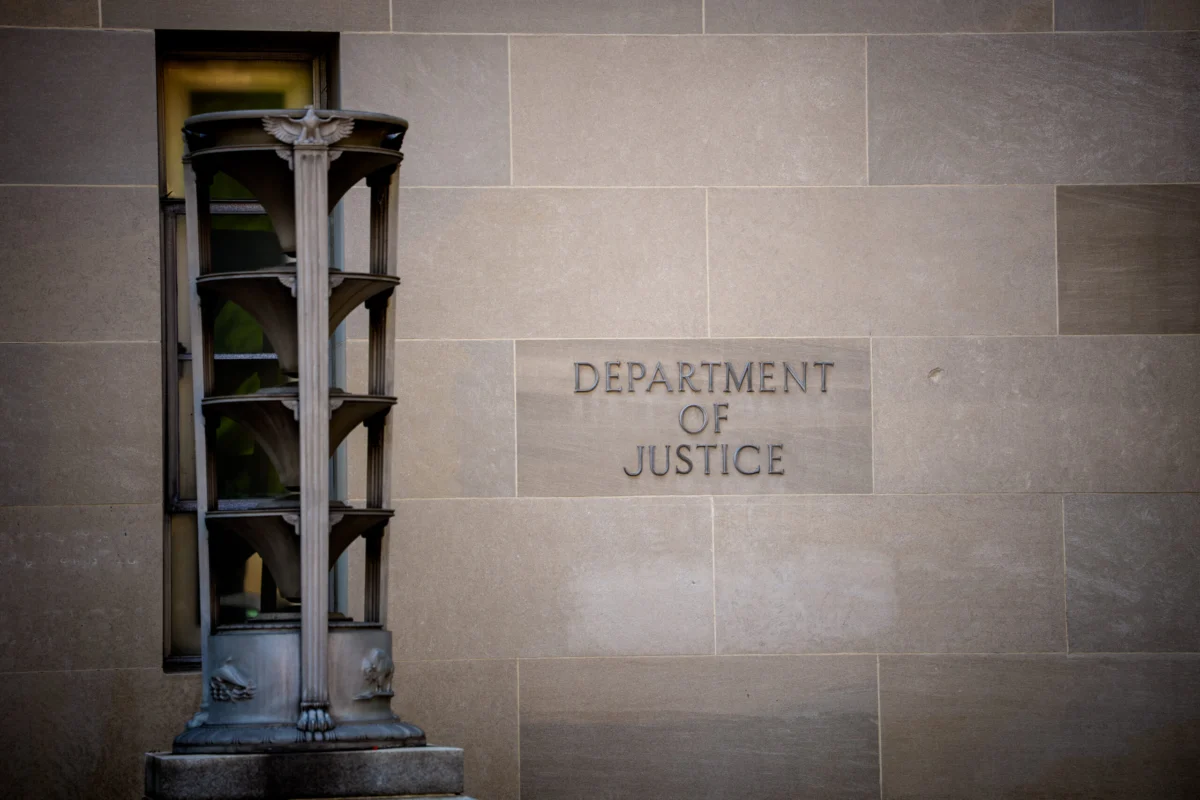
In a landmark decision that promises to reshape the landscape of modern media, the U.S. Department of Justice (DOJ) Antitrust Division announced on Friday afternoon that it has concluded its exhaustive investigation into the proposed merger between Paramount and Warner Bros. Discovery. The agency confirmed it will not challenge the deal, effectively removing the most significant regulatory roadblock standing in the way of a consolidation that will create one of the most formidable conglomerates in the history of the entertainment industry.
For industry analysts and investors alike, the news marks the end of a period of intense uncertainty. With the DOJ’s blessing, the path is now clear for two of Hollywood’s oldest and most prestigious "Big Five" studios to unify their vast libraries, production capabilities, and streaming platforms under a single corporate banner.
The Regulatory Green Light: A Strategic Shift in Antitrust Oversight
The DOJ’s decision to allow the merger to proceed without intervention was accompanied by a detailed, philosophically dense statement that offers a rare glimpse into the government’s evolving approach to media consolidation. Rather than viewing the merger as a threat to competition, the Division characterized the deal as a necessary evolution for legacy firms struggling to survive in a marketplace dominated by big-tech giants and global digital platforms.
"The legacy of these transactions illustrates the challenges that arise when the commercial rationale for a deal lacks clear alignment with competitive incentives of the acquiring firm or the competitive evolution of the marketplace," the statement read. "In technology-driven industries, the disruptors of the recent past may quickly become the entrenched monopolists of the present day."
By acknowledging the shift from traditional studio dominance to a tech-centric landscape, the DOJ signaled that it no longer views legacy media consolidation as a zero-sum game. Instead, the Division argued that in order for companies like Paramount and Warner Bros. to remain relevant—and for their employees to remain employed—they must achieve a level of scale that allows them to challenge the "entrenched monopolists" that have redefined how content is consumed in the 21st century.
Chronology of a Mega-Merger
The road to this historic union has been marked by a flurry of financial maneuvering and high-stakes negotiations.

- Initial Speculation (Early 2024): As the streaming wars intensified and linear television viewership continued to decline, rumors of a potential tie-up between Paramount and Warner Bros. Discovery began to circulate among industry insiders.
- Formal Negotiations: Following months of backroom talks, the two parties publicly announced their intention to merge, triggering a mandatory regulatory review process in Washington.
- Shareholder Approval (April 2026): Despite vocal concerns from some institutional investors regarding the long-term debt loads associated with the merger, a majority of Paramount shareholders voted to approve the deal in April, providing the necessary mandate for the boards of directors to proceed.
- The DOJ Probe: Throughout the spring and summer of 2026, the DOJ’s Antitrust Division scrutinized the impact of the merger on three key verticals: streaming, linear television, and theatrical distribution.
- Final Clearance (Friday, June 2026): With the release of its final report, the DOJ cleared the transaction, stating that the merger would not harm competition and could, in fact, lead to an increase in market vitality.
The Streaming Argument: Challenging the Netflix Hegemony
One of the most contentious points of the investigation was the future of the companies’ respective streaming services. Critics had feared that combining Paramount+ and HBO Max would result in a bloated, anti-competitive entity. However, the DOJ reached a different conclusion, arguing that the merger is a pro-consumer move designed to provide a viable counterweight to the dominance of Netflix.
"Following Netflix’s pioneering role in the emergence of SVOD almost twenty years ago, large tech firms like Amazon, and later legacy media firms like Disney, entered and built SVOD platforms to compete for and meet shifting consumer preferences," the DOJ report stated. "The evidence reviewed and carefully analyzed by the Division indicates that, post-merger, competition in SVOD is not likely to be harmed. To the contrary, the combined firm is likely to increase competition by offering consumers a more robust competitive alternative to the larger SVOD offerings."
The government also pointed to the rise of user-generated content platforms, such as YouTube and TikTok, as evidence that the "attention economy" is broader than just subscription-based movies and television. By framing the competition as encompassing the entire digital media ecosystem, the DOJ effectively neutralized arguments that the merger would create a monopoly over premium scripted content.
The Theatrical Landscape: Diversity Beyond the Majors
Regarding the theatrical film market, the DOJ offered a surprising analysis that challenged the conventional wisdom that only the biggest studios can succeed. The report cited the recent box office success of independent and mid-sized players as proof that the market remains "contestable."
The agency highlighted recent hits from Amazon MGM (Project Hail Mary), A24 (Backrooms), Lionsgate (Michael), and Blumhouse (Obsession). By pointing to these successes, the DOJ argued that the "legacy" status of a studio is no longer a prerequisite for box office dominance. This assessment provides a clear signal that regulators believe the barrier to entry for film production is actually lower than it was a decade ago, thanks to the democratization of distribution and the shifting tastes of the domestic audience.
Implications for the Future of Media
The implications of this merger are profound and will be felt across every corner of the entertainment industry.

For Consumers: A Bundled Future
Consumers can likely expect a unified streaming interface that combines the expansive library of HBO’s prestige dramas with the popular franchises of Paramount’s stable. While questions regarding subscription pricing remain, the DOJ’s stance suggests that the combined entity will be under pressure to provide more value to retain subscribers in an increasingly crowded field.
For Industry Labor and Talent
The DOJ explicitly mentioned that the merger should provide benefits for "workers." This is a significant point, as previous mergers often resulted in massive workforce reductions. Whether the combined company will prioritize long-term investment in creative talent or continue the trend of cost-cutting remains to be seen. However, the government’s rhetoric implies a desire for a "stable" and "sustainable" industry that can continue to produce high-quality scripted content.
For Competitive Dynamics
This merger sets a new precedent for how the U.S. government views the "Big Tech" era of entertainment. By acknowledging that legacy firms are the underdogs compared to trillion-dollar tech companies, the DOJ has opened the door for further consolidation. We may soon see other legacy players—such as NBCUniversal or Sony—seeking similar partnerships to reach the critical mass necessary to survive.
Official Responses and Next Steps
In the wake of the announcement, industry leaders have largely remained quiet, likely waiting to finalize the closing of the deal. However, the mood in Hollywood is one of cautious optimism. The threat of a protracted legal battle, which could have tied the companies in litigation for years, has been removed.
"The extensive investigatory record reviewed by the Division suggests that the impact of the transaction will be to increase competition across the media and entertainment ecosystem," the DOJ concluded.
As the industry pivots toward this new, massive entity, the focus will now shift to integration. The task of merging two distinct corporate cultures, technical infrastructures, and executive leadership teams will be the next great challenge for the leadership of the newly combined company. With the federal government’s support, the era of the Paramount-Warner Bros. monolith has officially begun.

 Nana Wu
 Jia Lissa