

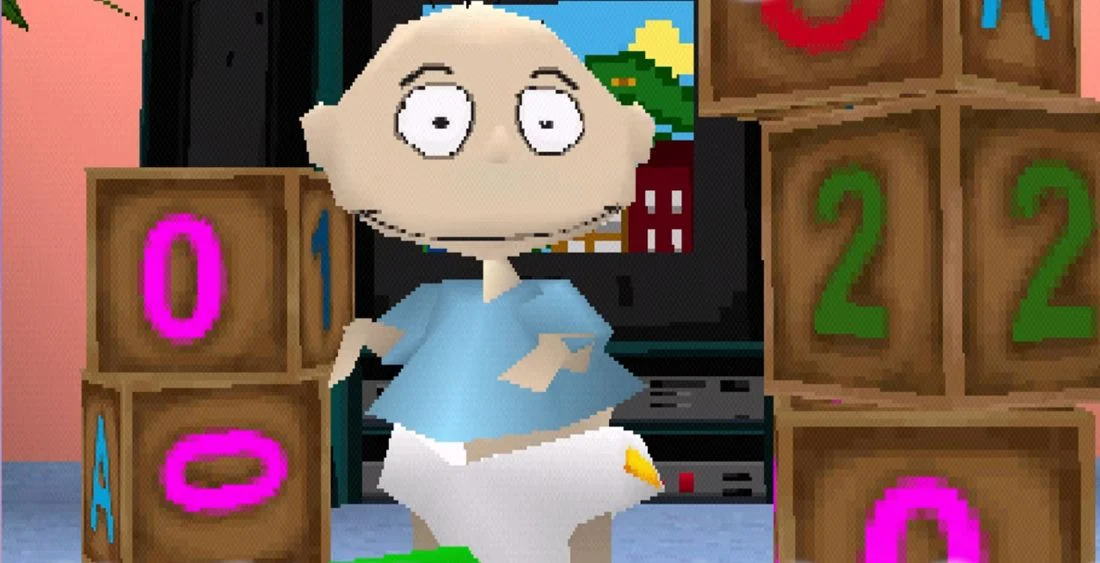
For children of the 1990s, Nickelodeon’s Rugrats was more than just a Saturday morning cartoon; it was a cultural phenomenon that defined a generation. While the show remains a touchstone for animation history, its foray into the world of interactive entertainment is often overlooked by mainstream gaming historians. That is set to change. The revival specialists at Limited Run Games have officially announced the Rugrats: Retro Rewind collection, a physical compendium designed to bring the intrepid toddlers—Tommy, Chuckie, Phil, Lil, and the ever-scheming Angelica—back to the living rooms of modern gamers via the Nintendo Switch and PlayStation 5.
This collection represents a significant effort to preserve a piece of late-90s and early-2000s gaming history, offering a curated look at a franchise that transitioned through various experimental phases, from early 3D experimentation to the refinement of 2D handheld platformers.
The Main Facts: What is Rugrats: Retro Rewind?
Rugrats: Retro Rewind is a comprehensive bundle that unites six iconic titles from the franchise’s gaming history. Published by Limited Run Games, a company renowned for its preservation efforts regarding physical media, this collection is designed to bridge the gap between retro nostalgia and modern accessibility.
The collection includes:
- Rugrats: Search for Reptar (1998): The seminal 3D puzzle-adventure that defined the franchise’s early PlayStation era.
- Rugrats: Studio Tour (1999): An action-adventure sequel that expanded the scope of the original 3D engine.
- The Rugrats Movie (1998): A 2D side-scrolling adaptation released for the Game Boy.
- Rugrats: Time Travelers (1999): A 2D handheld adventure that leaned into the imaginative spirit of the show.
- Rugrats in Paris: The Movie (2000): A multi-platform release that took players to the streets of France.
- Rugrats: Castle Capers (2001): The Game Boy Advance swan song of the series, featuring a more robust platforming experience.
Priced at $34.99, the collection is currently available for pre-order through the Limited Run Games website until May 31. Beyond the software itself, the release aims to capture the "vibe" of the 90s, offering customizable CRT filters that simulate the scanlines and warmth of the televisions players grew up with.
A Chronological Journey Through the Pickles’ Playroom
To understand the importance of this collection, one must look at the evolution of the Rugrats gaming library. The late 1990s were a "Wild West" period for licensed software. Developers were tasked with translating complex 2D animated aesthetics into the nascent world of 3D polygons, often with mixed results.
The 3D Frontier (1998–1999)
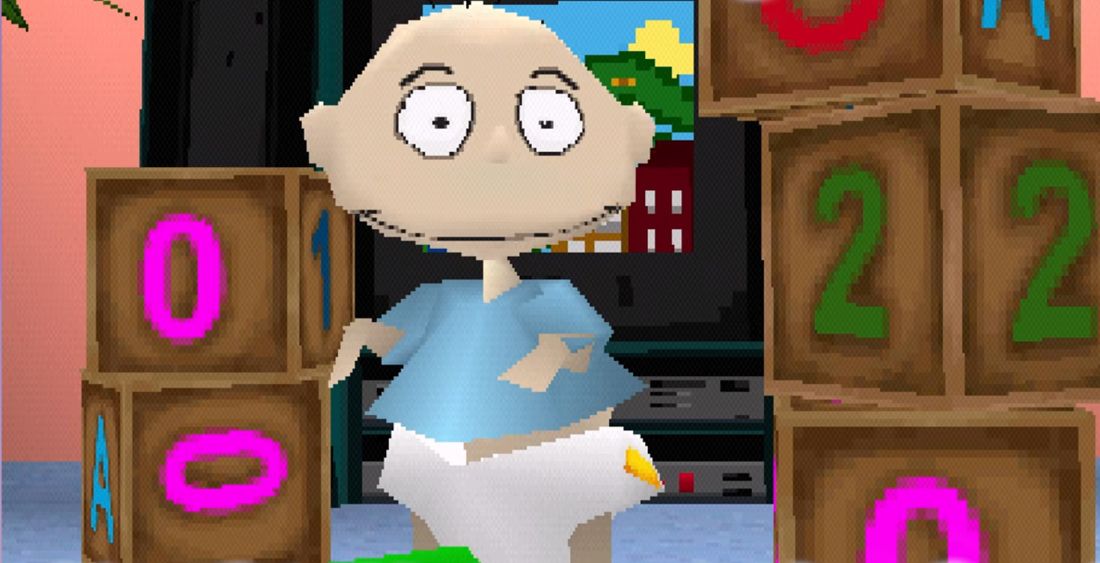
Search for Reptar was a landmark title for the original PlayStation. It introduced a hub-world format—the Pickles’ backyard—that allowed players to engage in various minigames. For many, this was their first experience with non-linear gameplay. It was followed quickly by Studio Tour, which attempted to lean into the "meta" aspect of the show, having the babies explore a film studio. These titles were technically ambitious but plagued by the limitations of early 3D graphics, making them a perfect candidate for modern emulation and clean-up.
The Handheld Legacy (1998–2001)
While the console games focused on 3D, the handheld titles were where the franchise found its platforming rhythm. The Rugrats Movie and Time Travelers for the Game Boy system were modest, 2D affairs that prioritized tight, simple controls. By the time Castle Capers arrived on the Game Boy Advance, the developers had clearly learned how to maximize the hardware, resulting in a title that stands as arguably the most "playable" of the entire bundle today.
Modern Enhancements: Balancing Preservation and Playability
One of the most common criticisms of retro gaming is the "friction" inherent in older titles. Difficulty spikes, lack of save points, and cryptic level design were standard in the 90s but are often viewed as archaic by modern standards.
Limited Run Games has implemented several quality-of-life (QoL) features to ensure the Retro Rewind collection feels intuitive for contemporary players:
- Save Anywhere: The inclusion of a save-state feature removes the frustration of losing progress in difficult platforming sections.
- Rewind Functionality: For players whose reflexes have dulled since their childhood, the ability to "undo" a mistake is a godsend, preventing the inevitable "game over" screens that were once a staple of the experience.
- Visual Customization: The CRT filters are more than just a gimmick; they are a necessary tool for presentation. By softening the jagged edges of early 3D models and blending pixel art on the 2D titles, the filters make these games look exactly how the player’s brain remembers them, rather than how they look on a crisp 4K monitor.
- Integrated Music Player: Perhaps the most delightful inclusion is the jukebox feature, allowing users to listen to the show’s iconic, percussion-heavy soundtrack independently of gameplay.
Official Responses and Industry Context
In a statement regarding the collection, the team at Limited Run Games emphasized the importance of "media preservation." By physically releasing these games on current-gen consoles, they are ensuring that these titles are not lost to the "digital rot" that often plagues legacy software on defunct storefronts.
"These games are a time capsule," says a representative from the studio. "We wanted to provide a bridge for the original fans to share these experiences with their own children, without the technical hurdles of setting up a 25-year-old console."
The industry reception has been largely positive. Retro gaming analysts have noted that the Rugrats license was historically treated as "disposable" content. By giving it the "Limited Run treatment," the games are being elevated from bargain-bin curiosities to historical artifacts of 90s media culture.
The Broader Implications: The "Nostalgia Economy"
The release of Rugrats: Retro Rewind highlights a broader trend in the gaming industry: the "Nostalgia Economy." As Millennials and older Gen Z individuals gain more disposable income, there is an increasing demand for publishers to monetize the intellectual property (IP) of their childhood.
However, there is a fine line between a "cash grab" and a "respectful revival." By bundling six titles and including modern QoL features, Limited Run Games is leaning toward the latter. This collection sets a precedent for other defunct licensed games—such as the SpongeBob SquarePants or Fairly OddParents titles of the early 2000s—to receive similar treatment.
The Future of Licensed Retro Gaming
The success of this collection may determine whether other legacy Nickelodeon titles are brought to the Nintendo Switch or PS5. Should Retro Rewind perform well, it signals to rights-holders that there is a viable, sustainable market for "Legacy Bundles." It proves that players are interested in the context of their childhood, not just the brand name.
Conclusion
Whether you were a fan of Tommy Pickles’ diaper-clad adventures or simply have an appreciation for the history of game development, Rugrats: Retro Rewind offers a rare opportunity to revisit a specific era of interactive entertainment. It is a testament to the fact that, regardless of how "good" or "bad" a game was upon its initial release, the memories associated with those experiences are worth preserving.
As the May 31 pre-order deadline approaches, one thing is certain: the babies are back, and they are bringing a whole lot of 90s attitude with them. For those looking to scratch a very specific itch of nostalgia, this collection is not just a purchase—it’s a trip back to the living room carpet of your youth, complete with the hum of the CRT and the simple joy of a Saturday morning.









No comments yet. Be the first to join the conversation!