Nila Kartika Wati
In the volatile landscape of 2026 cinema, few stories are as emblematic of the "streaming correction" as the trajectory of How to Make a Killing. Directed by John Patton Ford, the dark, satirical crime thriller starring Glen Powell initially seemed destined for the cinematic bargain bin. Following a lackluster theatrical release that saw it struggle to recoup its $15 million production budget, the film has undergone a dramatic reversal of fortune. Since its debut on HBO Max on June 19, 2026, the film has shed its reputation as a commercial disappointment, clawing its way to the top of the streaming charts and sparking a broader conversation about the shifting habits of modern audiences.
A Narrative of Greed and Inheritance
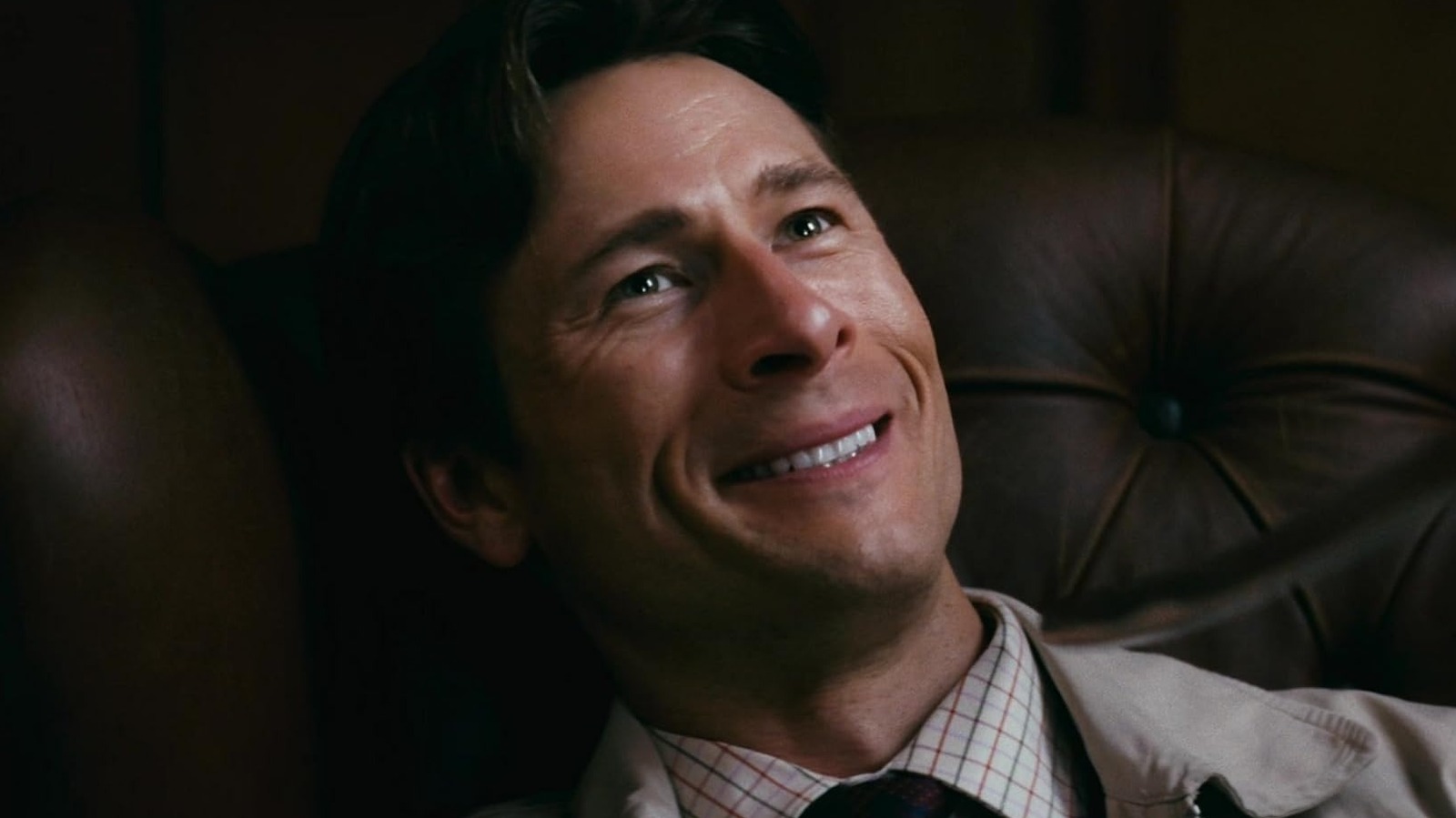
At its core, How to Make a Killing serves as a contemporary, biting critique of wealth inequality. The plot follows Becket Redfellow (Glen Powell), a blue-collar suit salesman living in New York City, who discovers that his family is part of a dynastic, multi-billion-dollar fortune. After the death of his estranged mother, Mary Redfellow—who was disowned by her elite family following a teenage pregnancy—Becket finds himself thrust into a world of opulence he was never meant to inhabit.
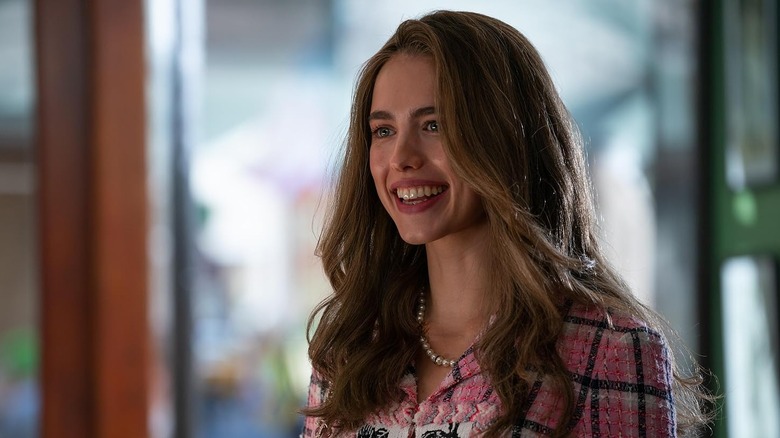
Inspired by the 1949 British dark comedy masterpiece Kind Hearts and Coronets, the film follows Becket as he embarks on a calculated, ruthless mission to systematically eliminate the seven relatives standing between him and the $28 billion Redfellow inheritance. Alongside his childhood friend and accomplice, Julia Steinway (played by Margaret Qualley), Becket’s descent into moral depravity serves as the engine for the film’s black humor. The "Redfellow clan," a collection of caricatured elite characters played by a powerhouse ensemble including Jessica Henwick, Bill Camp, Zach Woods, Topher Grace, and Ed Harris, provides the perfect foils for Powell’s increasingly unhinged protagonist.
The Chronology of a "Flop" Turned Success
The path to this current streaming dominance was anything but linear. The film’s journey can be broken down into three distinct phases:
Phase I: The Theatrical Disappointment (February – April 2026)
When How to Make a Killing arrived in domestic theaters in February 2026, expectations were reasonably high. A24, known for its prestige horror and character-driven dramas, had backed the film with a $15 million budget. However, the film failed to capture the zeitgeist, grossing only $21.3 million globally. In an industry where marketing costs often double the production budget, the film was widely categorized by box office analysts as a loss. Subsequent releases in the United Kingdom and France in March 2026 yielded similarly tepid results, leaving many to wonder if the premise of "killing the rich" had lost its edge or if the marketing campaign had misfired.
Phase II: The Streaming Pivot (June 19, 2026)
The transition to HBO Max represented the studio’s attempt to mitigate losses. On June 19, 2026, the film was released on the platform with minimal fanfare. Within 48 hours, however, the digital landscape shifted. According to data provided by streaming tracker FlixPatrol, the film began a rapid ascent. By June 21, it had secured the number one spot on the United States movie chart, effectively "slaying" the competition and holding that position throughout the weekend. It also climbed to number three on the overall HBO Max rankings, signaling a massive disconnect between theatrical interest and home-viewing preference.
Analyzing the Data: Why Now?
The resurgence of How to Make a Killing provides a fascinating case study in data-driven film consumption. While theatrical attendance is often dictated by release windows, star power, and competitive scheduling, streaming success is frequently driven by algorithm discovery and social media "word-of-mouth."
The film’s success can be attributed to several key factors:
- Genre Alignment: The "eat the rich" subgenre—characterized by films like Knives Out and The Menu—has a dedicated, younger audience that is more likely to engage with content on streaming platforms than at a local multiplex.
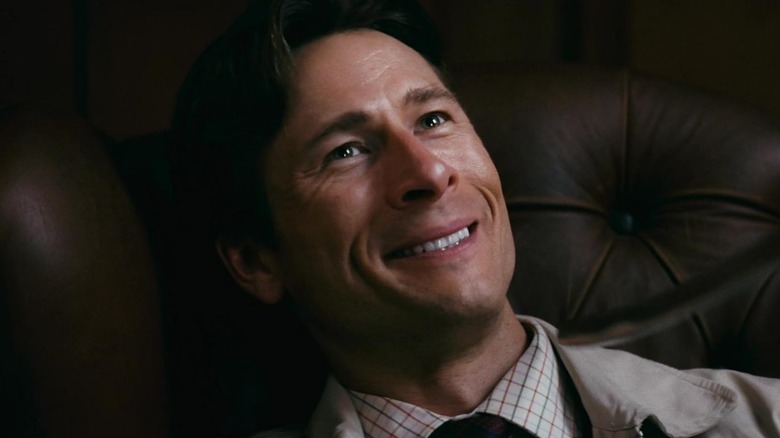
- Star Power Longevity: Glen Powell has cultivated a specific brand of charisma that excels in domestic, "lean-back" viewing environments. His performance, which was praised even by critics who disliked the film overall, serves as the primary hook for viewers browsing the HBO Max interface.
- Low Barrier to Entry: The film’s "dark comedy" tag makes it a low-risk proposition for subscribers. Unlike a high-stakes theatrical ticket, the "cost" of starting a film on a subscription service is negligible, allowing the movie to build momentum through curiosity.
Critical Reception: A Nuanced Landscape
Despite the commercial uptick, the critical consensus remains divided. The film currently holds a 45% approval rating on Rotten Tomatoes, a figure that largely fueled the negative perception during its theatrical run. However, the qualitative reviews suggest a more complex picture.
Critics such as Amy Nicholson of the Los Angeles Times lauded the film’s opening act, noting that it "buys enough audience goodwill to coast through nearly its entire running time." Conversely, others have argued that the script struggles to maintain the razor-sharp wit of its 1949 predecessor. Bill Bria, writing for /Film, offered a more balanced perspective, stating, "Powell understands he’s key to the film’s tone and satire, and plays it just right." This divide highlights a recurring theme in modern cinema: the growing gap between professional critical assessment and audience enjoyment. The film may not be a masterpiece of screenwriting, but for a home audience, it provides an engaging, stylized, and darkly humorous experience that fulfills a specific appetite.
Implications for A24 and the Future of Film
The success of How to Make a Killing on HBO Max holds significant implications for the industry. First, it reinforces the growing trend that "theatrical failure" is no longer the final verdict on a film’s value. Studios are increasingly treating theatrical runs as high-cost marketing campaigns for the inevitable digital release.
Second, for A24, the film’s resurgence proves the value of mid-budget genre experiments. By focusing on a high-concept premise—the "secret remake" of Kind Hearts and Coronets—the studio was able to tap into a legacy fanbase while utilizing a modern star to bridge the gap to younger viewers.
Finally, the film highlights a cultural shift. In an era where the wealth gap is a constant, pressing topic of discourse, audiences are demonstrably drawn to narratives that address these anxieties through the lens of dark, often violent, satire. Whether or not this leads to a "Redfellow" sequel or a broader push for similar thematic projects, one thing is clear: Becket Redfellow has found his audience, and in the world of modern media, that is the only metric that truly matters.
As of late June 2026, How to Make a Killing remains a staple of the HBO Max homepage, serving as a reminder that sometimes, the best place to find a hidden gem is in the shadow of a forgotten release. For those who skipped it in February, the current streaming wave suggests it is well worth the time to see what all the fuss is about.

 Jia Lissa
 Ali Ikhwan