

Executive Summary: The Return of a Cult Classic
For two decades, Severance: Blade of Darkness existed only in the digital purgatory of abandonware forums and the fading memories of a niche, albeit passionate, fanbase. Originally developed by the now-defunct Spanish studio Rebel Act and released in 2001, the game was a technical marvel that suffered from a lukewarm commercial debut. However, the tides have turned. Publisher SNEG has breathed new life into this brutal hack ’n’ slash RPG, re-releasing it on Steam with modernized quality-of-life improvements. At the modest price point of £7.49, this PC re-release serves as a stark reminder that some games do not just age—they mature. For modern players raised on the deliberate, high-stakes combat of the Souls series, Blade of Darkness is not merely a history lesson; it is an essential experience.
The Chronology of a Forgotten Legend
The Dawn of Dynamic Lighting (2001)
When Severance: Blade of Darkness first hit shelves in early 2001, the industry was undergoing a seismic shift in 3D graphics. Rebel Act Studio’s engine was ahead of its time, pioneering a sophisticated dynamic lighting and shadow system that transformed static dungeons into atmospheric, oppressive environments. While contemporaries were focusing on colorful, high-fidelity textures, Blade of Darkness leaned into the dark, granular realism of a dying fantasy world.
The Wilderness Years (2002–2020)
Despite its technical prowess, the game failed to capture a mainstream audience. In the years following its launch, Rebel Act shuttered, and the rights to the IP became obscured in a legal fog. For nearly twenty years, the game was largely inaccessible, existing only as a pirated artifact on "murky" abandonware sites. It became a "dev’s game"—a title whispered about by industry insiders who recognized the brilliance of its combat mechanics but lamented its lack of wider availability.
The Resurrection (2021)
The revival began when SNEG, a publisher dedicated to restoring classic PC titles, secured the rights to the Blade of Darkness library. Their re-release—titled simply Blade of Darkness—didn’t attempt a full graphical overhaul, which would have arguably stripped the game of its unique identity. Instead, SNEG focused on modern compatibility: native widescreen support, higher resolutions, and ensuring the game runs seamlessly on contemporary hardware.
Anatomy of the Game: Mechanics and Design
Four Paths to Destruction
Blade of Darkness distinguishes itself immediately through its character selection. Players choose from four distinct protagonists, each offering a drastically different tactical experience:
- Sargon (The Knight): The balanced choice. His proficiency with sword-and-shield combat provides a stable learning curve, making him the ideal entry point for newcomers.
- Naglfar (The Dwarf): Often considered the most challenging path, Naglfar’s slower movement and distinct combat style offer a high-risk, high-reward experience.
- Zoe (The Amazon): The agile archetype. Zoe relies on evasion and reach, favoring spears and polearms to keep enemies at bay.
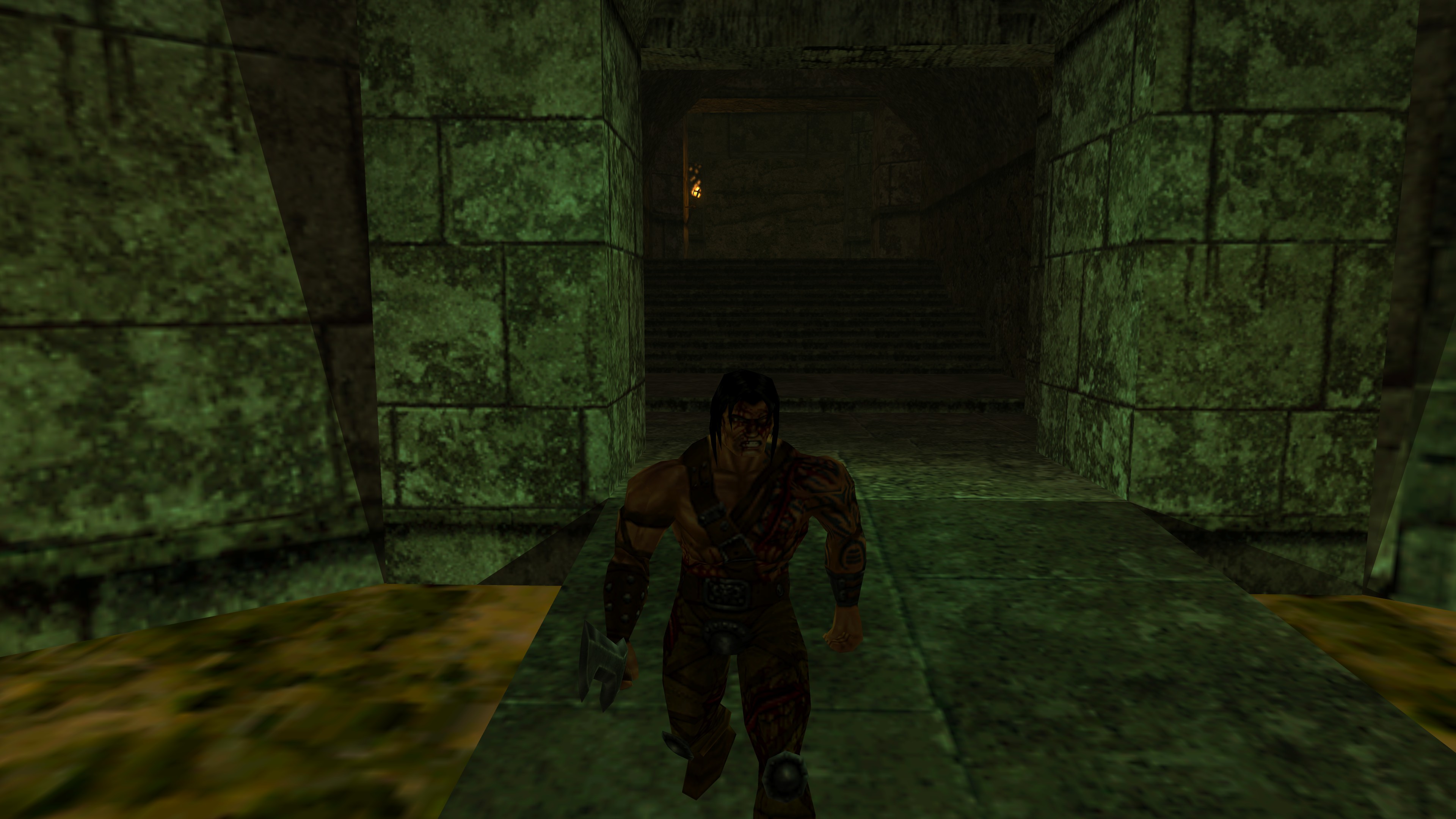
- Turkaram (The Barbarian): The embodiment of the game’s core inspiration, Conan the Barbarian. Turkaram is a brute-force specialist, capturing the grizzled, visceral aesthetic that permeates the game’s promotional art.
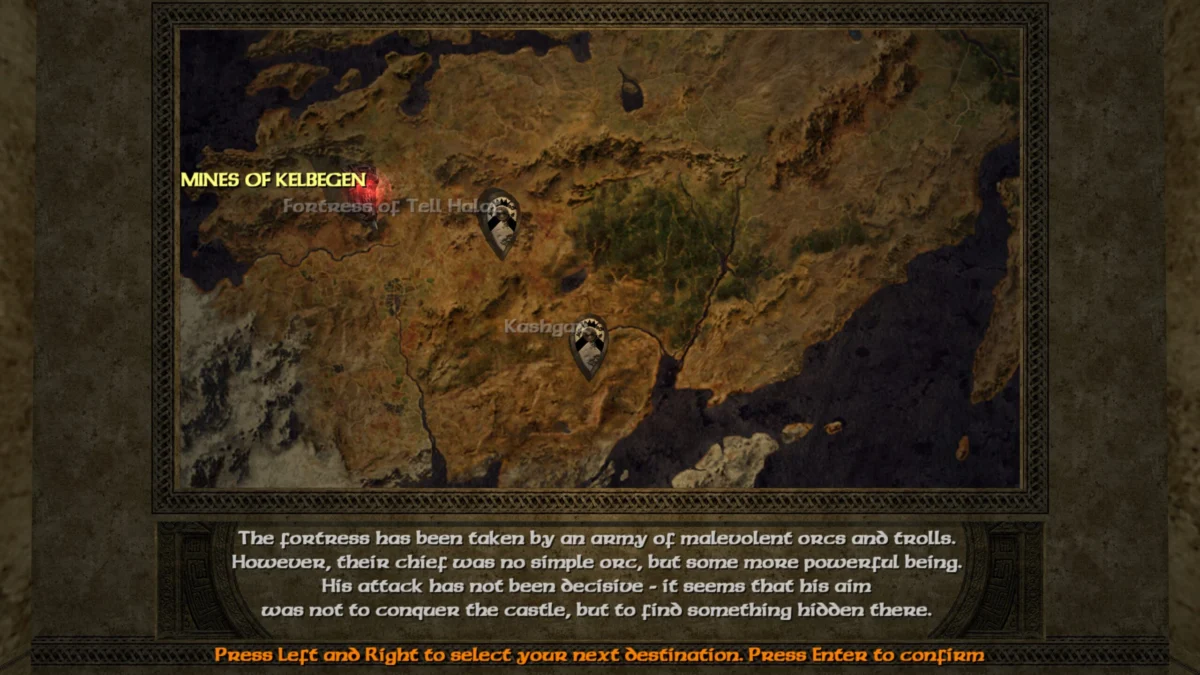
Each character starts in a unique location—from cursed burial grounds to besieged castles—immediately grounding the player in the specific lore of their chosen hero.
The Philosophy of Minimalism
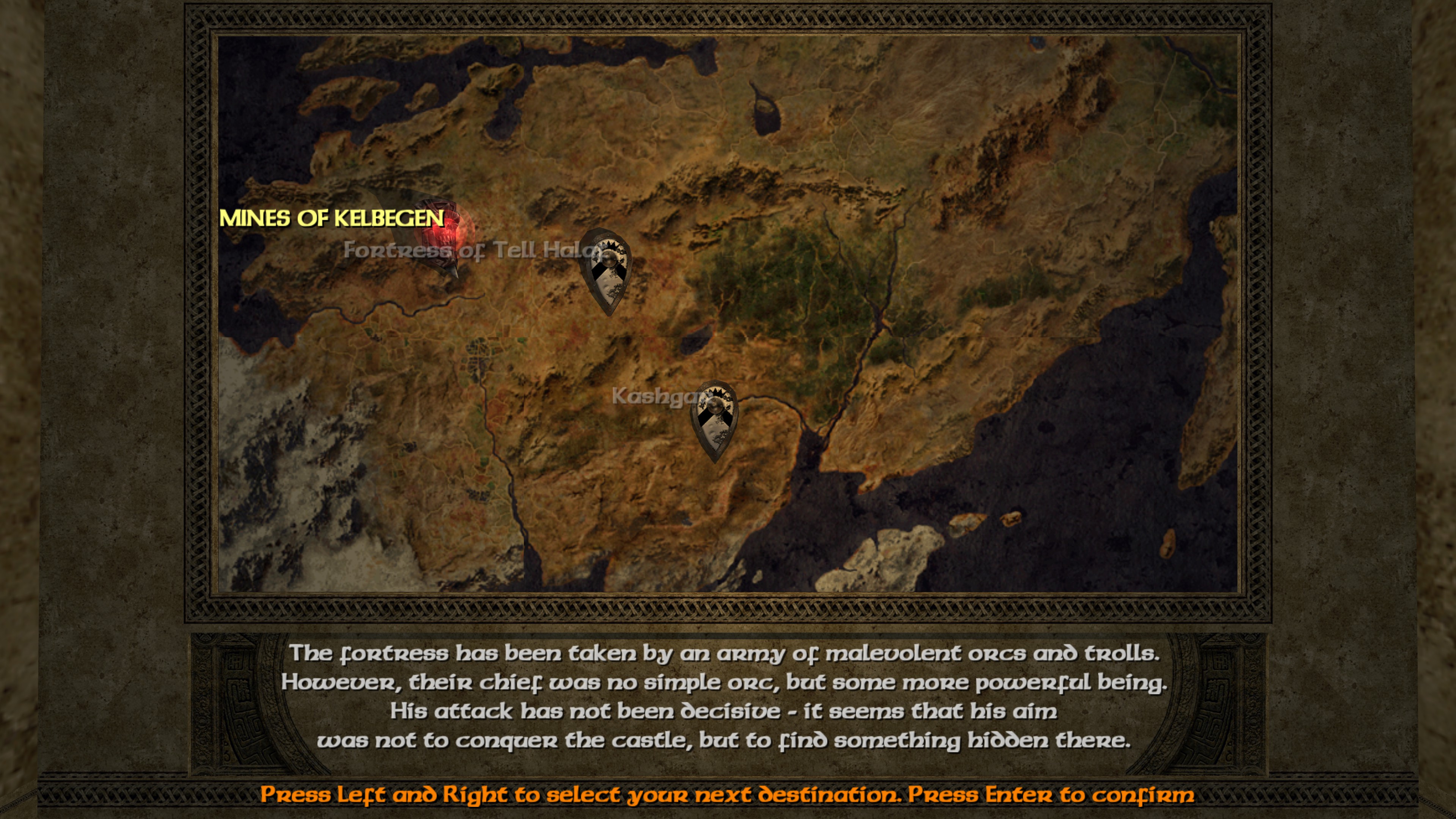
In an era where RPGs are often defined by bloated dialogue trees and exhaustive exposition, Blade of Darkness is refreshingly sparse. The world is built on the Robert E. Howard style of "contextless fantasy." Players are dropped into 14 distinct levels, with little more than a brief introductory text to explain the history of the tombs, temples, and mines they traverse.
This minimalist approach forces the player to engage with the world through environmental storytelling. A room littered with the corpses of knights and the rusted blades of orcs tells a clearer story than any cutscene could. You rarely know the specific names of your foes; you only know that they are lethal. This ambiguity adds to the "otherworldly" tension, turning every encounter into a genuine mystery of survival.
Supporting Data: Combat and Technical Performance
The Combat Rhythm
The combat in Blade of Darkness is, by modern standards, "stiff," yet it possesses a deliberate, rhythmic quality that many modern games struggle to replicate. Every weapon features a specific move-set, with special attacks unlocked as players level up.
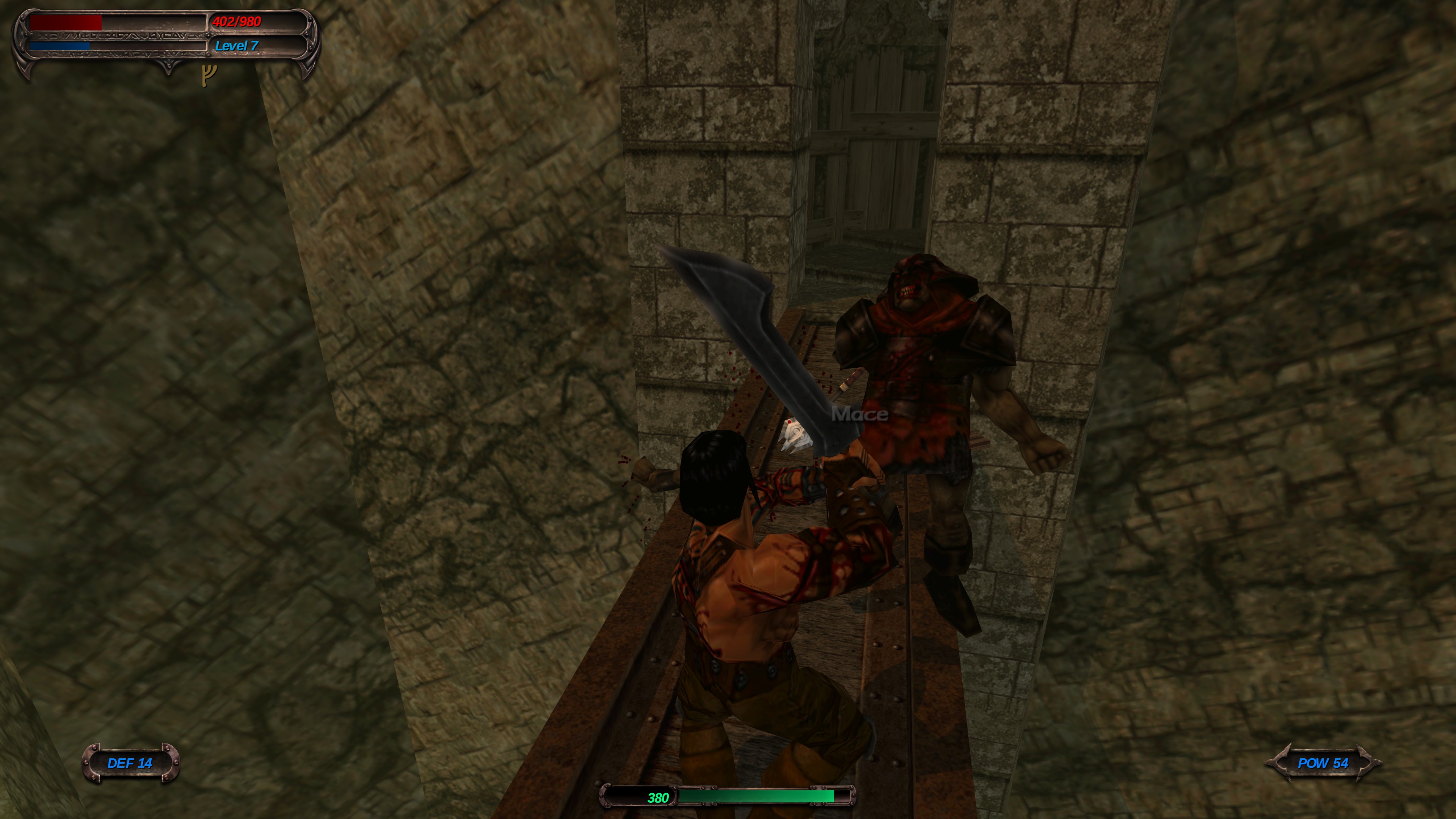
Crucially, the game implements a durability system. Shields and swords shatter under sustained pressure, forcing players to prioritize footwork, dodging, and strategic aggression over mindless button-mashing. The combat is famously unforgiving; even a lowly goblin can end a run if the player becomes careless. This lethality, combined with the visceral feedback of limbs being severed and blood gushing from stumps, provides a sense of kinetic satisfaction that remains unmatched in many modern action titles.
The Technical Legacy
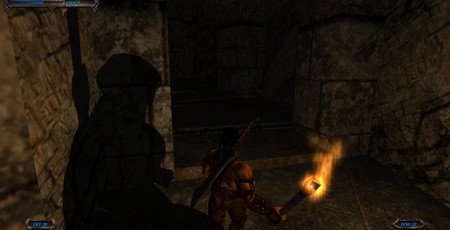
The game’s aesthetic has held up remarkably well, largely due to the strength of the original lighting engine. The transition from light to shadow is not just a visual flourish; it is a gameplay mechanic. Players often find themselves navigating pitch-black caverns with nothing but a flickering torch, and the way shadows stretch and dance across the geometry remains deeply effective at creating an oppressive atmosphere.
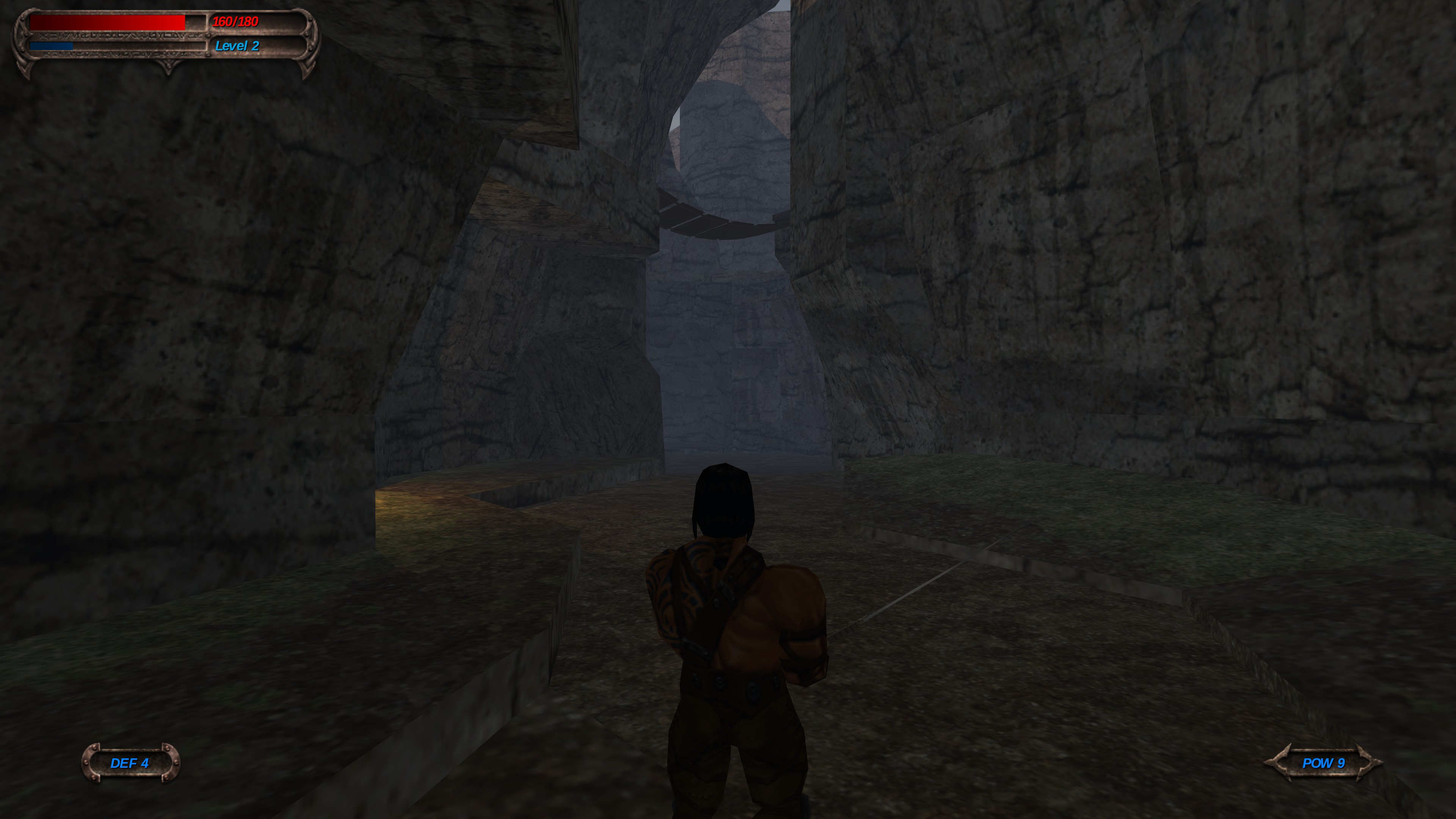
However, the game is not without its flaws. The platforming, which involves jumping between narrow ledges while managing health and enemies, feels clunky by modern standards. These sections can occasionally lead to frustrating deaths that feel less like a failure of skill and more like a battle with outdated mechanics.
Official Responses and Industry Reception
SNEG’s decision to re-release the title was met with universal praise from the retro-gaming community and critics alike. The publisher’s goal was to bridge the gap between "nostalgia" and "accessibility." By keeping the original game’s soul intact while patching out the stability issues that plagued its initial launch, SNEG has effectively legitimized a cult classic.
Critics have noted that the lack of modern "hand-holding" makes the game a refreshing antidote to the overly guided experiences of today. While some players might find the initial learning curve steep, the consensus is that the game’s design is "propulsive," encouraging players to push forward despite the difficulty.
Implications: The ‘Souls’ Connection
Perhaps the most significant takeaway from the resurgence of Blade of Darkness is its thematic and mechanical resonance with the Souls series. While Blade of Darkness predates Demon’s Souls by seven years and shares no direct development lineage, the similarities are undeniable. Both games prioritize:
- High-stakes combat: Where every enemy is a threat.
- Environmental storytelling: Where the world speaks through its ruins.
- Atmospheric pressure: Where the player feels small against the scale of the world.
For players who have exhausted the Souls catalog, Blade of Darkness provides a missing link. It offers the same dopamine hit of overcoming a difficult encounter, but with a unique, early-2000s European dark-fantasy aesthetic that feels distinct from the Japanese-influenced aesthetic of FromSoftware.
Conclusion: A Mandatory Play
Blade of Darkness is a testament to the idea that great game design is timeless. Despite the clunky platforming and the two-decade gap in its history, the core loop of fighting, exploring, and surviving remains as addictive as it was in 2001. For £7.49, the price of admission is negligible compared to the value of experiencing a foundational piece of action-RPG history. It is a brutal, moody, and occasionally frustrating adventure—and it is exactly the kind of experience the modern gaming landscape desperately needs more of. If you consider yourself a fan of the action-RPG genre, it is time to stop waiting and start swinging.










No comments yet. Be the first to join the conversation!