
 Evan Lee Salim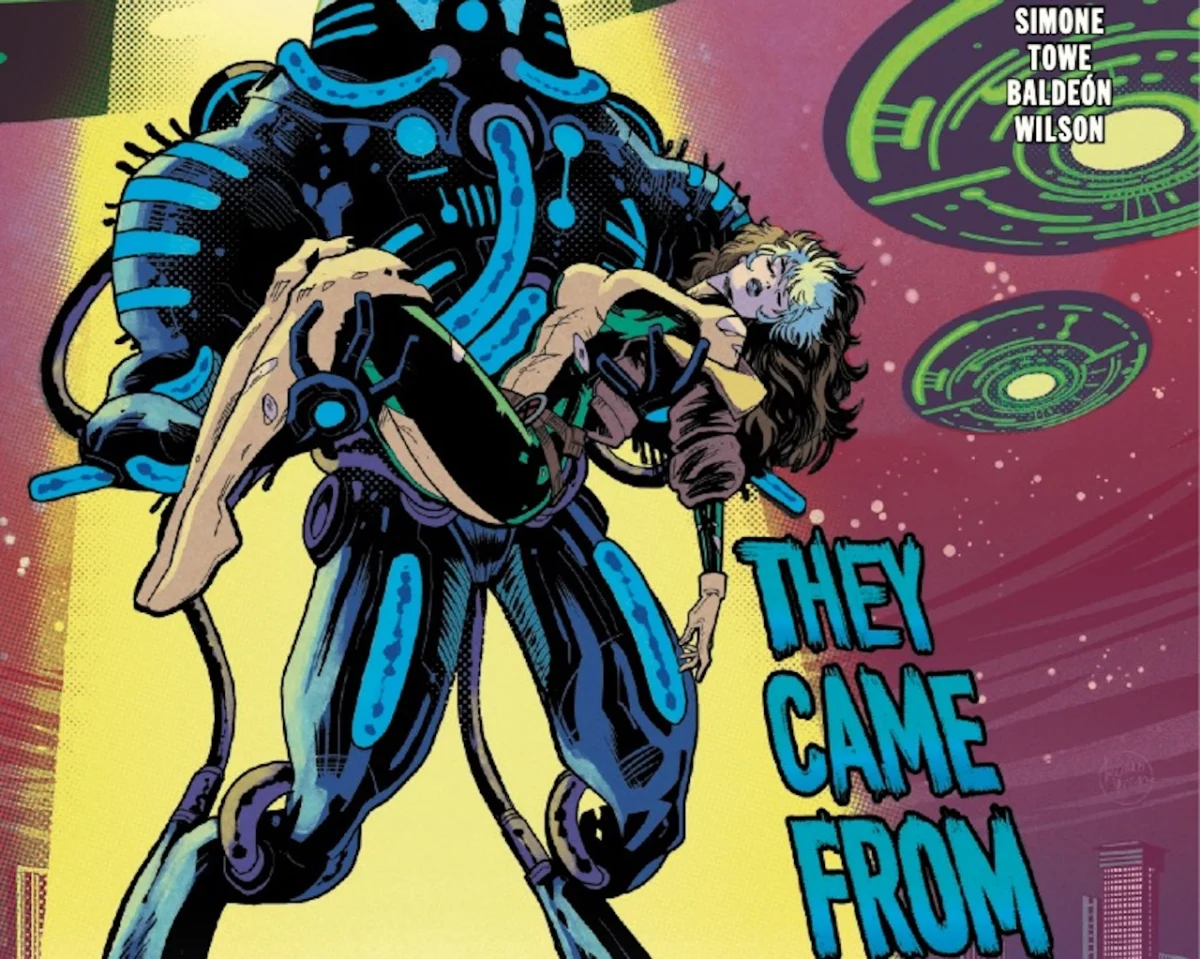
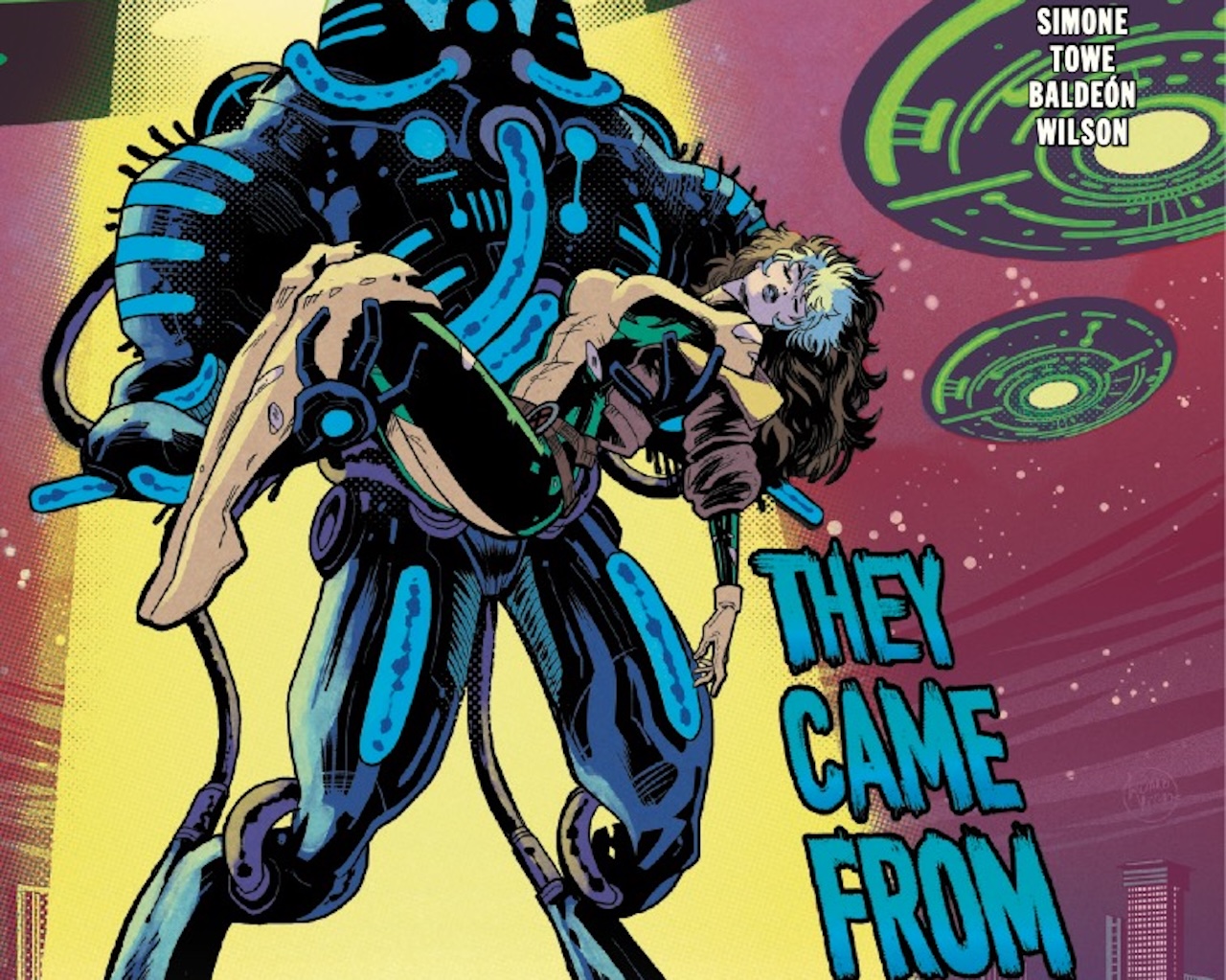
The Marvel Universe is bracing for a catastrophic escalation in the state of Louisiana, which has become the epicenter of an extraterrestrial incursion. As the X-Men prepare for their latest confrontation, the stakes for mutant-kind—and humanity at large—have reached a fever pitch. With the release of Uncanny X-Men #31 scheduled for July 8, 2026, Marvel has provided an exclusive glimpse into a narrative that balances high-stakes cosmic warfare with the deeply personal, often chaotic lives of the mutants caught in the crossfire.
Main Facts: The Siege of Louisiana
The narrative arc of Uncanny X-Men #31 centers on an atmospheric and tactical nightmare: an unidentified alien fleet has descended upon Louisiana, utilizing the region as a staging ground for a mysterious and likely malevolent mission. The X-Men, currently operating as the world’s reluctant protectors, find themselves in a position where they must act as "chaperones to terror."
Writer Gail Simone, at the helm of this latest chapter, is set to deliver a story that juxtaposes the grand scale of an alien invasion with the intimate absurdity of modern mutant life. The issue promises a chaotic blend of action and character-driven drama, highlighting that for the X-Men, the "end of the world" is rarely a singular, clean event. Instead, it is a messy intersection of cosmic threats and the mundane anxieties of youth, exemplified by an "Outlier" character navigating a disastrous first date amidst the encroaching doom.

Chronological Development of the Threat
The situation in Louisiana did not arise in a vacuum. Over the preceding weeks, intelligence gathered within the Marvel Universe hinted at increased cosmic activity, though the specific intent of these alien forces remained obscured until they touched down in the American South.
- Initial Detection: Early warning signs indicated a breach in Earth’s orbital perimeter, though the specific landing zone was initially theorized to be a distraction.
- The Landing: The arrival of the alien fleet in Louisiana transformed a localized tactical event into a national security crisis.
- The X-Men’s Mobilization: As federal authorities struggled to contain the rapid deployment of extraterrestrial hardware, the X-Men were forced to intervene.
- The Present Conflict: Uncanny X-Men #31 picks up in the heat of this struggle, where the line between a superhero battle and a humanitarian disaster has effectively vanished.
Supporting Data: The Talent Behind the Pages
The creative team driving this narrative represents a significant collaborative effort designed to bring both visceral energy and emotional depth to the Uncanny series.
- Writer: Gail Simone, renowned for her ability to weave complex psychological arcs into superhero tropes, continues her tenure on the title.
- Artists: The visual landscape of the issue is crafted by David Baldeón and Jim Towe. Their combined styles promise a kinetic, high-energy aesthetic that reflects the high-pressure environment of the Louisiana invasion.
- Colorist: Matthew Wilson provides the palette for this devastation, known for his ability to translate high-stakes cosmic action into vibrant, readable panels.
- Legacy Numbering: As noted in the official solicitation, this issue is officially Legacy #731, marking a significant milestone in the long-running history of the X-Men franchise.
A Commitment to Representation: The Backup Story
Beyond the main narrative, Marvel has announced that Uncanny X-Men #31 will feature a special backup story dedicated to Disability Pride Month. This inclusion is part of a broader, ongoing initiative within the publishing house to highlight the diversity of the mutant population. By grounding the X-Men’s history in the metaphor of "the other," Marvel continues to use the platform to explore themes of accessibility, resilience, and the lived experiences of individuals with disabilities. This backup story serves not only as a narrative interlude but as a critical component of the issue’s thematic weight.
Implications for the Marvel Universe
The ramifications of the Louisiana attack are likely to ripple across the entire Marvel line. When an alien fleet establishes a beachhead on Earth, it forces a shift in geopolitical dynamics.
The Mutant Dilemma
For the X-Men, the challenge is twofold. First, they must neutralize the immediate threat posed by the alien ships. Second, they must manage the optics of the situation. In a world that is historically wary of mutant intervention, the X-Men are once again forced to prove that their presence is essential to global security. The juxtaposition of "kids dancing during the end of the world" suggests that the X-Men are not merely fighting for their own survival, but for the preservation of normalcy for a generation that has grown up under the shadow of extinction.
The "Outlier" Factor
The mention of an "Outlier" on a disastrous first date serves as a narrative device to keep the story grounded. In the world of the X-Men, the macro-level threat of planetary invasion is often secondary to the micro-level tragedy of a mutant’s personal life. This sub-plot implies that even as the sky burns, the characters remain fundamentally human in their desires, anxieties, and social failings. It is this balance that has historically defined the most successful arcs in the Uncanny run.

Analysis: The Gail Simone Era
Under Gail Simone’s guidance, the Uncanny X-Men title has seen a renewed focus on the team’s interpersonal dynamics. Her writing often prioritizes the internal monologue of the characters, allowing the reader to understand the exhaustion that comes with constant battle. The inclusion of the backup story for Disability Pride Month further indicates a desire to treat the X-Men as a living, breathing community rather than just a combat unit.
The creative choice to set the conflict in Louisiana—a state with a distinct cultural identity—also offers a departure from the typical New York City-centric urban warfare common in comic books. The geography of the bayou, with its complex waterways and dense terrain, provides a unique tactical environment for artists Baldeón and Towe to explore.
Looking Forward
As the release date of July 8, 2026, approaches, anticipation among the comic book community is high. Collectors and readers alike are watching to see if this arc will lead to a permanent change in the status quo of the X-Men or if it serves as a localized tragedy that tests the mettle of the current roster.

One thing is clear: the X-Men are no longer just fighting for their own rights; they are acting as the primary line of defense for a humanity that is often too slow to act. Uncanny X-Men #31 promises to be a pivotal issue, one that combines the spectacle of blockbuster alien warfare with the poignant, human stories that have defined the mutant experience for decades.
Whether it is the impending alien threat, the social pressures faced by the youth, or the deeper, systemic issues of disability and representation being addressed in the backup feature, this issue is poised to be a dense, emotionally resonant, and visually stunning addition to the X-Men canon. Readers are encouraged to keep an eye on local comic retailers for the release on July 8, as the events in the Louisiana Bayou are sure to be discussed for months to come.
Summary of Key Details:
- Uncanny X-Men #31
- Legacy Number: #731
- Release Date: July 8, 2026
- Key Personnel: Gail Simone (Writer), David Baldeón (Artist), Jim Towe (Artist), Matthew Wilson (Colorist)
- Thematic Focus: Extraterrestrial invasion, the struggle of mutant identity, and inclusive storytelling through the lens of Disability Pride Month.


 Sagoh
Sagoh
 Ammar Sabilarrohman





