Pevita Pearce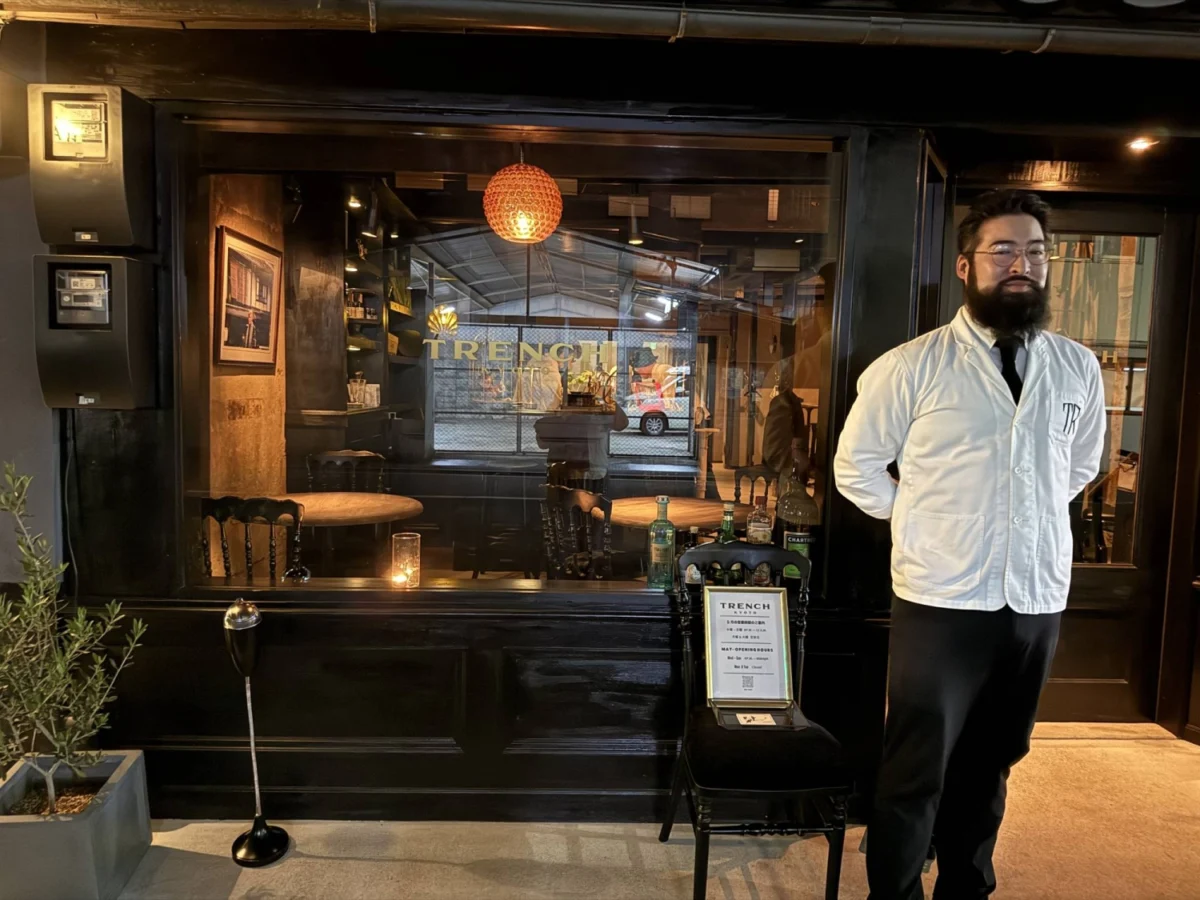
By [Your Name/Journalist Name]
In the delicate dance between tradition and modernity that defines Kyoto, few arrivals have been as anticipated—or as seamlessly integrated—as the recent expansion of Bar Trench. Known as a cornerstone of Tokyo’s sophisticated cocktail culture, the Ebisu-based institution has officially crossed the threshold into the Kansai region, opening its doors in a meticulously restored 120-year-old machiya in the city’s vibrant Kawaramachi district.
For the uninitiated, Bar Trench is not merely a place to consume spirits; it is a sanctuary of sensory storytelling. By choosing to plant roots in an ancient merchant townhouse, the establishment signals a profound respect for the architectural heritage of the former imperial capital, while simultaneously challenging the status quo of Kyoto’s traditional bar scene.
Main Facts: An Institutional Expansion
Opened in March, Bar Trench Kyoto represents the first major expansion of the storied Tokyo brand. The decision to move into the Kansai market is a calculated effort to bridge the gap between the high-octane mixology of the capital and the refined, slower-paced drinking culture of Kyoto.
The venue itself serves as the primary hook for visitors. Housed in a machiya—a wooden townhouse characteristic of traditional Kyoto life—the bar preserves the structural integrity of its century-old bones while introducing a polished, dark-hued interior that feels both contemporary and timeless. The location, situated in the bustling Kawaramachi neighborhood, places it at the epicenter of Kyoto’s nightlife, yet the atmosphere remains distinctly intimate, shielded from the neon glare of the surrounding streets.
The cocktail program is curated with the same rigor as the flagship location, led by head bartender Arthur Roberts. The signature menu focuses on complexity, utilizing botanicals, rare amari, and premium spirits to craft drinks that are as intellectually stimulating as they are palatable.
Chronology: The Journey to Kawaramachi
The path to opening Bar Trench Kyoto was characterized by a meticulous search for the right "soul" of a building.
- Pre-2025: The leadership team at Bar Trench Ebisu begins exploring potential expansion sites, prioritizing locations that offer historical significance rather than mere commercial foot traffic.
- Early 2025: The acquisition of the 120-year-old machiya in Kawaramachi is finalized. The property, having served various commercial purposes over the last century, required extensive structural reinforcement to meet modern safety codes while preserving its aesthetic authenticity.
- Winter 2025–2026: A delicate restoration process begins. Architects and interior designers work to balance the needs of a high-end cocktail bar—ventilation, plumbing, and climate control—with the fragile cedar and paper elements of the original townhouse.
- March 2026: Bar Trench Kyoto officially opens its doors to the public, coinciding with the tail end of the plum blossom season and serving as a preview for the upcoming Golden Week rush.
- May 2026: During the Golden Week holiday, the bar solidifies its reputation as a "must-visit" destination, drawing both international travelers and discerning locals who appreciate the marriage of Tokyo flair and Kyoto heritage.
Supporting Data: The Anatomy of a Craft Cocktail
To understand the appeal of Bar Trench, one must look at the technical composition of its offerings. The bar’s philosophy is rooted in "balanced complexity"—a technique that relies on precise ratios of base spirits, modifiers, and aromatics.
During a visit, the "Tender Talk" cocktail serves as a masterclass in this philosophy. The drink features a base of mezcal—bringing a rustic, earthy foundation—blended with Amaro Montenegro, a classic Italian bitter liqueur that adds notes of orange peel and botanicals. The drink is then infused with the bright, sharp acidity of yuzu and lemon. The final touch, a spritz of Laphroaig scotch, provides a smoky, peaty finish that lingers on the palate.

This approach reflects the global trend toward "low-intervention" and "botanically driven" mixology, where the goal is to elevate the raw spirit rather than mask it behind excessive sugar or artificial additives. According to industry tracking, the interest in such artisanal cocktail bars in Japan has risen by approximately 15% annually since 2022, fueled by a post-pandemic consumer base that values "quality over quantity" in their social outings.
Official Responses and Philosophy
The team behind Bar Trench has been vocal about their intention to contribute to, rather than conquer, the local scene. "Kyoto has its own rhythm," noted a representative during the opening week. "When we looked at the machiya, we didn’t want to turn it into a sterile box. We wanted the building to dictate the flow of the evening."
The presence of the wooden placard displaying the lyrics to Tom Waits’ "San Diego Serenade" is more than just decor—it is a mission statement. The lines, "I never saw my hometown until I stayed away too long / I never heard the melody until I needed the song," speak to the universal human experience of finding perspective through travel and distance. For the staff, this is the ethos of the bar: to provide a space where patrons can pause, reflect, and rediscover their surroundings through the lens of a perfectly poured glass.
Implications: The Evolution of Kyoto’s Nightlife
The arrival of Bar Trench is part of a broader shift in Kyoto’s nightlife landscape. Traditionally, Kyoto was defined by two extremes: the historic ochaya (tea houses) of Giza, where geiko and maiko entertain, and the high-volume izakayas catering to tourists and students.
The middle ground—the high-end, independent cocktail bar—has seen a resurgence. This shift has several implications:
- Cultural Hybridity: International mixology techniques are being adapted to local, seasonal Japanese ingredients. The integration of yuzu, shiso, and local whiskies is not just a trend; it is becoming a standard.
- Adaptive Reuse of Architecture: As the city grapples with the preservation of machiya, high-end commercial tenants like Bar Trench provide a sustainable economic model for keeping these historic structures standing. If these buildings can be repurposed into profitable, respected venues, it incentivizes owners to maintain rather than demolish them.
- Tourism Demographics: The presence of a "Tokyo-style" institution in Kyoto signals that the city is increasingly viewed as a multi-day destination for luxury travelers who expect a consistent, cosmopolitan experience regardless of the prefecture they are in.
A New Chapter
As night falls over the Kawaramachi neighborhood, the amber glow of the globe lamps within the machiya provides a beacon of warmth. The row of bicycles parked neatly out front serves as a quiet reminder that while Bar Trench may be an elite establishment, it is also a neighborhood entity.
The success of this venture will likely be measured not just in sales, but in the longevity of the space itself. By embedding a piece of Tokyo’s modern identity into the literal foundation of Kyoto’s past, Bar Trench has managed to do something rare: it has created a space that feels like it has been there for a hundred years, yet offers a taste of the future.
For the traveler or local seeking a refuge from the sensory overload of modern urban life, Bar Trench Kyoto offers a rare opportunity: the chance to sit, listen to the melody, and finally, hear the song.
Quality journalism requires deep reporting and on-the-ground presence. If you value this analysis of Japan’s evolving cultural and culinary landscape, please consider supporting our work through a subscription.


 Neng Nana
 Asro
Asro