

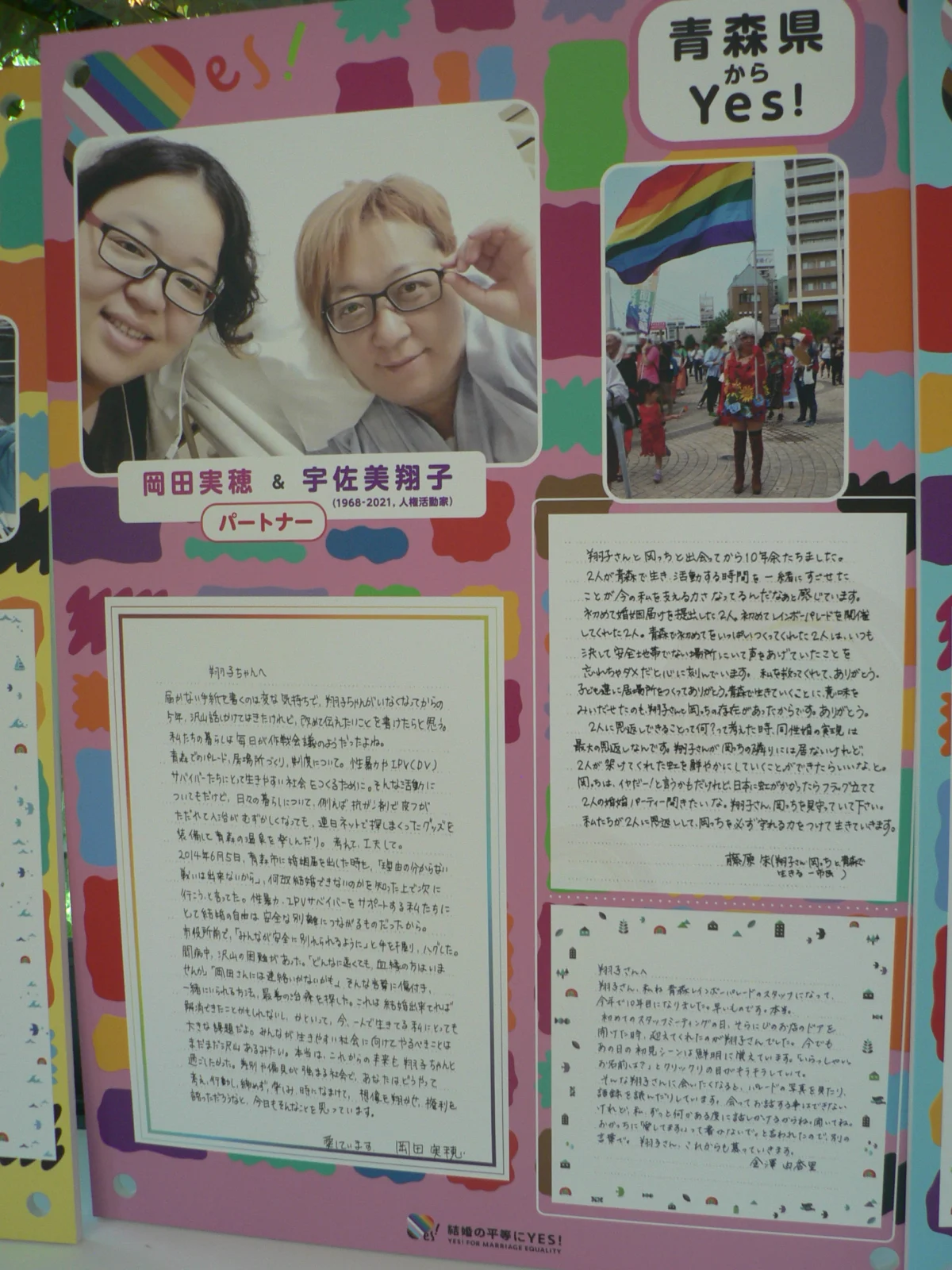
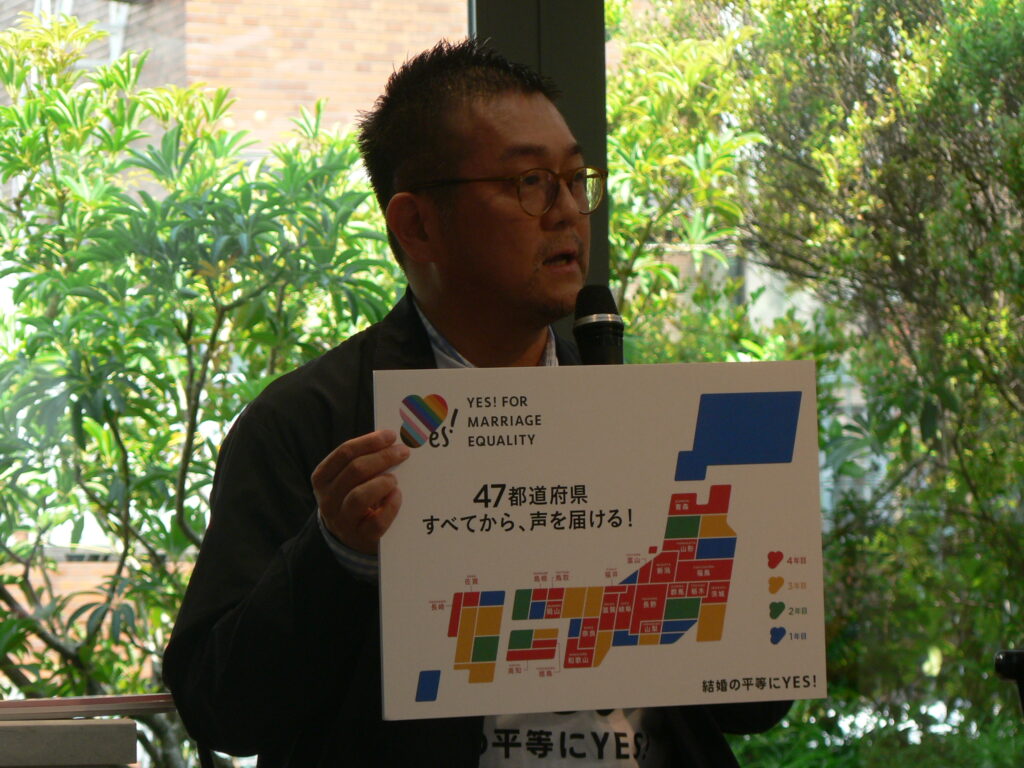
TOKYO – In a powerful display of grassroots mobilization, the advocacy organization Marriage for All Japan (MFAJ) has officially expanded its "YES! FOR MARRIAGE EQUALITY" campaign to cover all 47 of Japan’s prefectures. The announcement, made by director Matsunaka Gon during a press conference in Tokyo on May 18, 2026, signals a critical shift in the national discourse as the country braces for a landmark Supreme Court ruling that could redefine the legal landscape for same-sex couples.
With the theme "Love Wins" anchoring the 2026 campaign, the organization is pivoting from localized advocacy to a unified national front, seeking to demonstrate to the judiciary that the demand for marriage equality is not merely a metropolitan issue, but a nationwide necessity.
The Legal Battlefield: A Nation in Transition
The urgency behind this expansion is driven by the upcoming deliberations of Japan’s Supreme Court. The judiciary is currently considering the Marriage for All Japan lawsuits, a series of constitutional challenges that have wound their way through the court system for years.
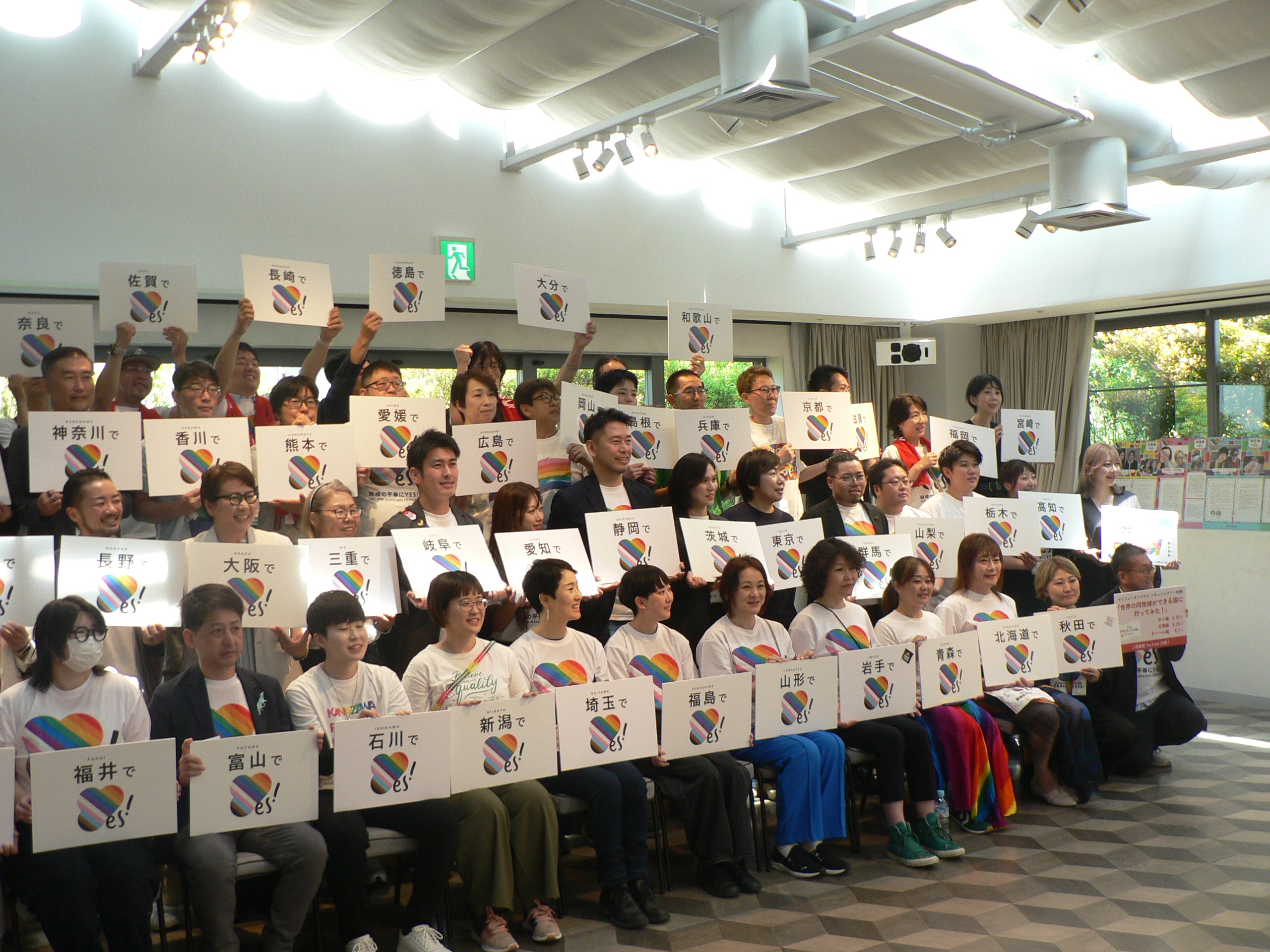
The stakes could not be higher. The Supreme Court has referred these cases to its "Grand Bench," a rare judicial designation reserved for matters of profound constitutional importance. This implies that the nation’s highest court is poised to deliver a definitive verdict on whether the exclusion of same-sex couples from the institution of marriage violates Article 14 (equality under the law) and Article 24 (the right to marry) of the Japanese Constitution.
The legal journey to this point has been volatile. Out of six major court cases, five have resulted in high court rulings that identified the current legal status quo as unconstitutional, either directly or by highlighting the lack of adequate legal protection. However, a jarring outlier emerged last year when the Tokyo High Court ruled against the plaintiffs, suggesting that the existence of private contracts and municipal partnership systems provided sufficient alternative recognition. This contradictory judicial history has created a climate of both intense anticipation and profound anxiety among activists.
Chronology of the Movement
The path to this moment has been paved by decades of advocacy and a rapid acceleration in judicial activity over the last five years.
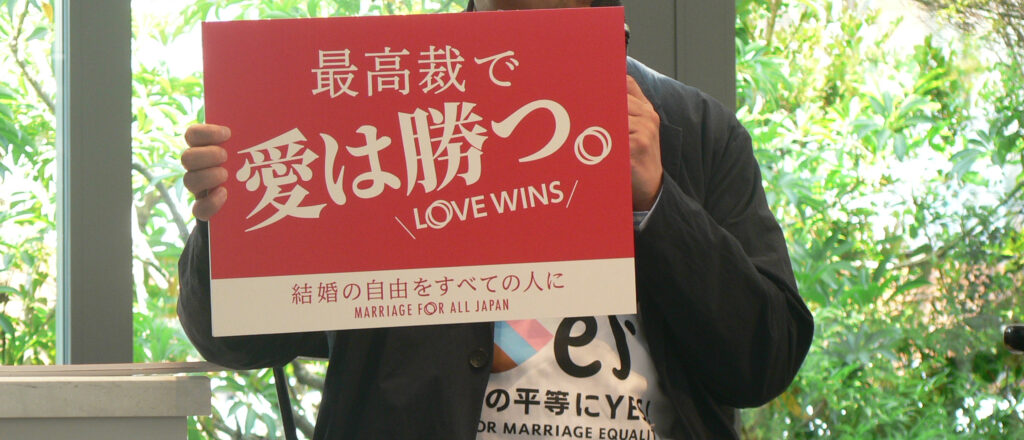
- 2014: Usami Shōko and Okada Miho, activists in Aomori, made history by attempting to register their same-sex relationship at city hall. Though denied, their act sparked a regional movement, including the founding of the Tohoku region’s first pride parade.
- 2019: Taiwan became the first Asian nation to legalize same-sex marriage, setting a regional precedent that would embolden Japanese activists.
- 2023: Marriage for All Japan launched the "YES! FOR MARRIAGE EQUALITY" campaign in 10 pilot prefectures, aiming to aggregate local voices.
- 2024: A significant Tokyo High Court ruling favored marriage equality, explicitly citing the proliferation of local "partnership systems" as evidence of shifting societal consensus.
- 2025: Thailand became the second Asian nation to legalize same-sex marriage. However, Japan saw a setback when a second Tokyo High Court ruling claimed current partnership systems were sufficient, highlighting the fragility of relying on municipal-level progress.
- 2026: The campaign expands to all 47 prefectures, and the Japanese Supreme Court prepares to hear the Grand Bench case.
Supporting Data: The Limitations of "Partnership"
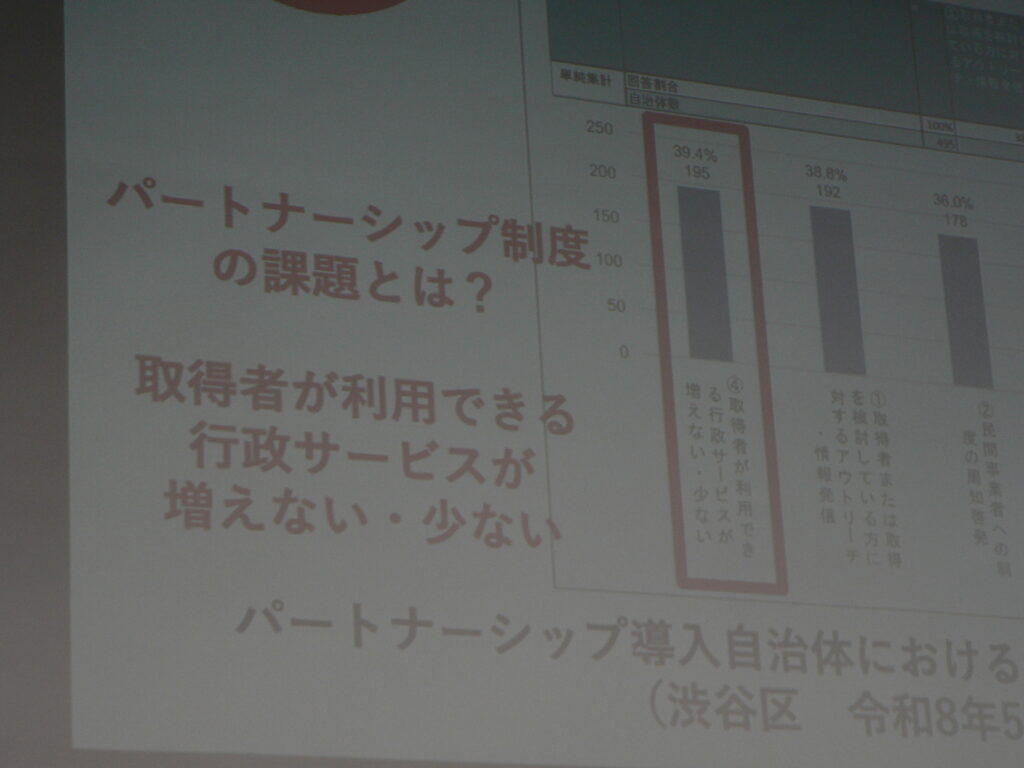
A central pillar of the MFAJ campaign is to dismantle the narrative that municipal partnership systems are an adequate substitute for marriage. During the May 18 press conference, organizers highlighted a 2025 study conducted by Tokyo’s Shibuya Ward, which surveyed local governments across the country.
The results were telling: out of 495 responding municipalities, 195 (39.4%) openly admitted that their own partnership systems were "too limited" to provide the protections required for modern families. These systems lack the federal legal authority of marriage, meaning they do not grant rights regarding inheritance, parental custody, or spousal visa status for foreign partners.
By presenting this data, Marriage for All Japan is providing the Supreme Court with a clear roadmap of why current administrative "workarounds" fail to address the fundamental inequality faced by LGBTQ+ citizens. The organization is now collecting signatures for an online petition, which had already surpassed 27,000 signatures by mid-May, to be delivered to the Supreme Court on June 8.
The Human Element: Voices from the Frontlines
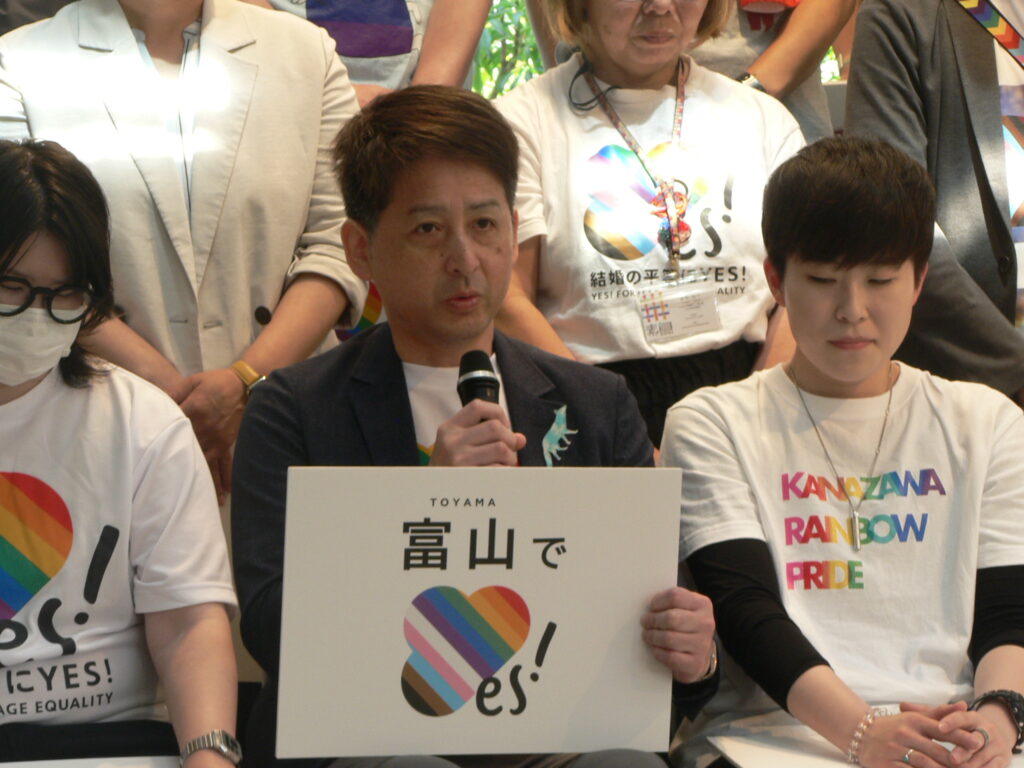
Beyond the legal briefs and statistical surveys, the campaign is grounded in the lived experiences of citizens across Japan. The press conference featured representatives from 36 prefectures, each articulating the urgency of the moment.
Kawashima Nobuka, an activist from Hokkaido, delivered a sobering reminder: "Regardless of how the Supreme Court rules, the ruling by itself will not change society. Ultimately, nothing for us will change unless action is taken at the level of national politics."
This sentiment underscores the broader movement’s philosophy: legal recognition is the floor, not the ceiling. The campaign also launched a powerful panel exhibition, featuring handwritten letters from LGBTQ+ couples and their families. One particularly poignant display featured the story of the late Usami Shōko. Her partner, Okada Miho, contributed a letter that serves as a haunting reminder of what is at stake for those who have spent their lives fighting for a future they may not live to see.
"In a society where prejudice and discrimination are growing stronger, I wonder about how you would have thought and acted," Okada wrote to the late Usami. "The greatest repayment would be the realization of same-sex marriage. Shōko may not be by my side anymore, but I would like to make the rainbow the two of them built even more brilliant."
Implications for Japan and Asia
The Marriage for All Japan team is also looking outward, drawing lessons from international neighbors through a new documentary series, We Went To Countries Where Same-sex Marriage Is Possible! By interviewing citizens in Thailand, Taiwan, and Nepal, the series aims to demystify marriage equality and show that the sky does not fall when marriage rights are extended to all.
The inclusion of Nepal in the series is particularly timely. While Nepal has seen some judicial recognition of same-sex relationships, the government has struggled to implement these rights effectively, leaving couples trapped in bureaucratic red tape. This serves as a cautionary tale for Japan: even with a favorable court ruling, the struggle for true equality is a marathon, not a sprint.
Conclusion: A Turning Point
As the Supreme Court prepares to deliberate, the atmosphere in Japan is one of cautious optimism. The expansion of the "YES!" campaign to all 47 prefectures represents an unprecedented level of national coordination. By weaving together legal arguments, empirical data regarding the failure of local partnership systems, and the deeply personal testimonies of those who have sacrificed years to this cause, Marriage for All Japan has transformed a niche legal issue into a central pillar of the national conversation on human rights.
Whether the Supreme Court chooses to mirror the progressive shifts seen in Taiwan and Thailand or remains tethered to a traditionalist interpretation of the constitution, the movement has already achieved a vital victory: it has made the invisibility of same-sex couples in Japan an impossibility. The "Love Wins" campaign is not merely a slogan for the courtroom—it is a declaration that the future of Japan’s social fabric is being rewritten, one prefecture at a time.












No comments yet. Be the first to join the conversation!