

As the DC Universe continues to expand its narrative horizons, the upcoming release of Justice League: Dream Girls — A DC Pride Event #1 stands as a landmark entry in the publisher’s annual celebration of LGBTQ+ identity and storytelling. Scheduled to hit comic book specialty shops on June 3, 2026, this special issue promises a departure from the traditional anthology format, opting instead for a singular, high-stakes narrative that weaves together the threads of dream logic, Amazonian mythology, and personal reconciliation.
The project features a powerhouse creative team, including writers Jadzia Axelrod, Nicole Maines, and Greg Rucka, with interior art provided by Nicola Scott, J. Bone, Brandt & Stein, and Claire Roe. This collaboration marks a significant moment for DC’s Pride initiatives, signaling a shift toward more integrated, character-driven storytelling that leans into the fantastical elements of the DC Multiverse.
The Narrative Foundation: A Shift in Reality
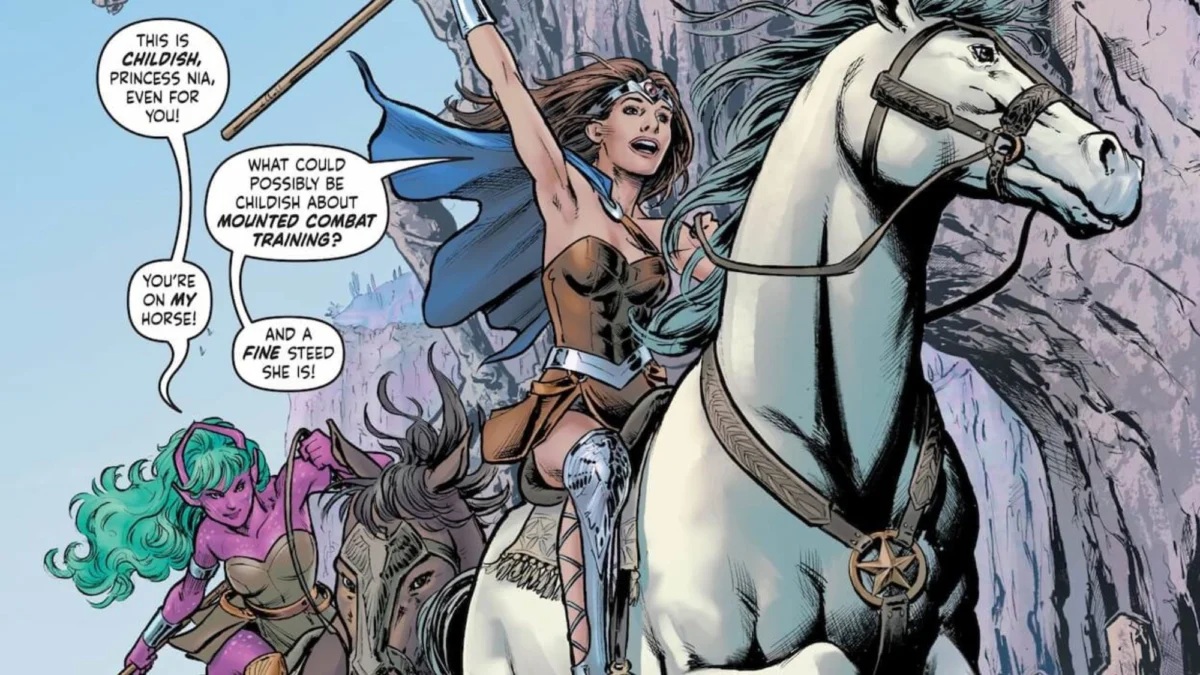
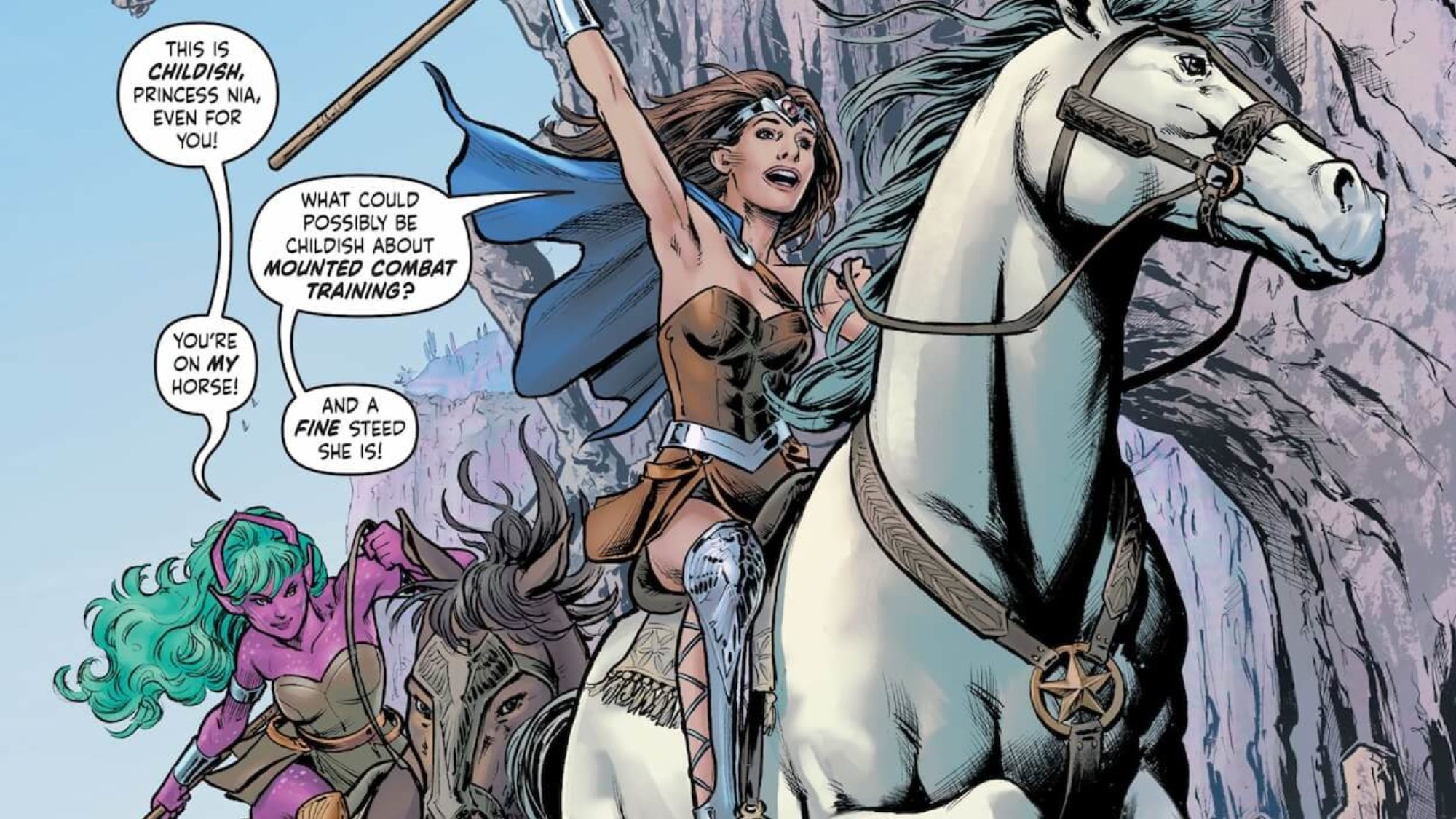
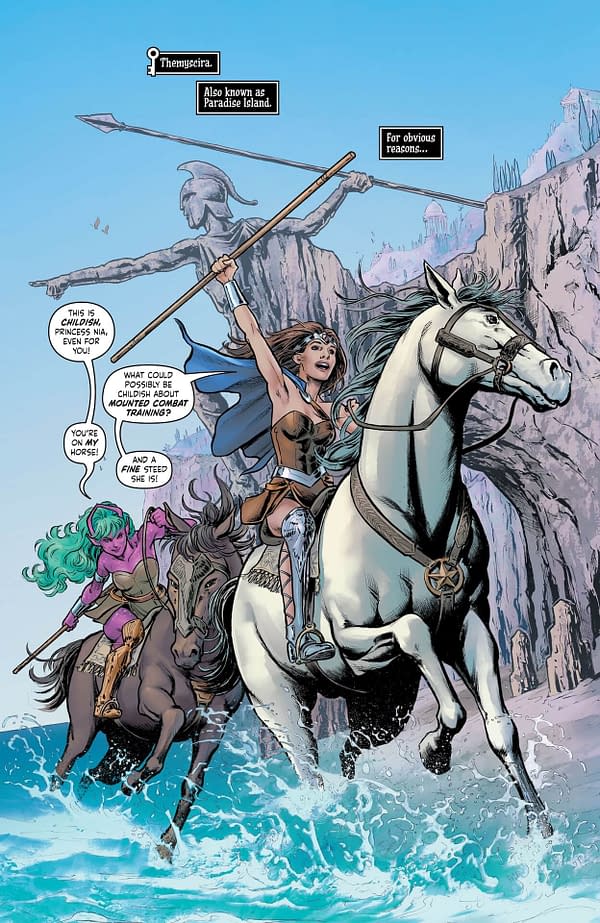
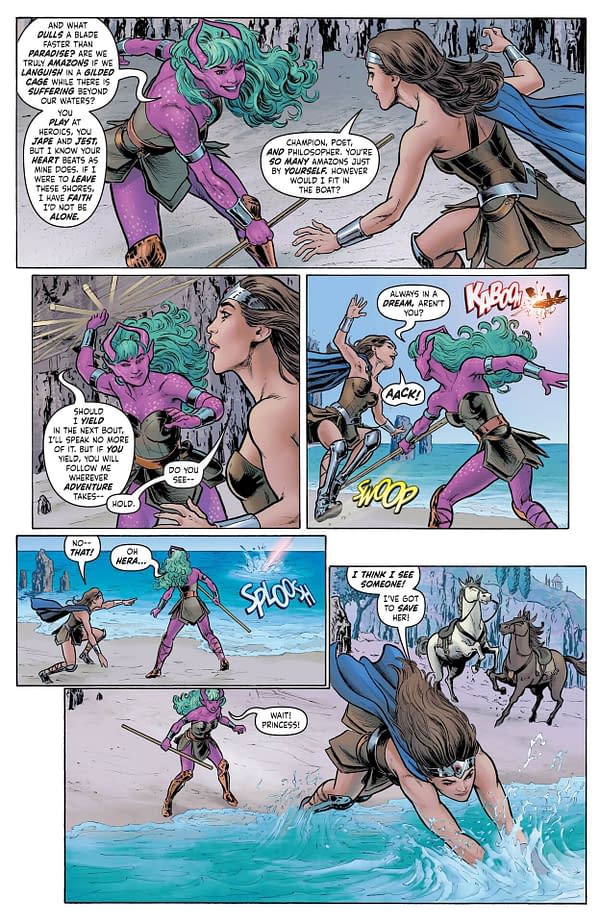
At the center of Justice League: Dream Girls are Dreamer (Nia Nal) and Galaxy (Joey Day). Following the high-stakes drama of the Justice League Intergalactic Special #1, the duo finds themselves displaced from the familiar confines of the Watchtower. Their sudden arrival on the shores of Themyscira—the legendary home of the Amazons—serves as the catalyst for the issue’s central mystery.
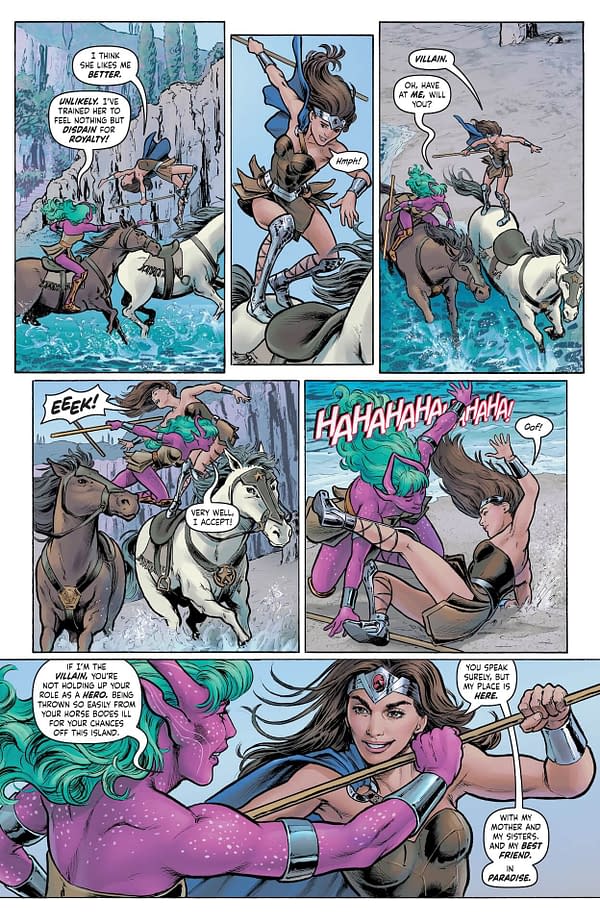
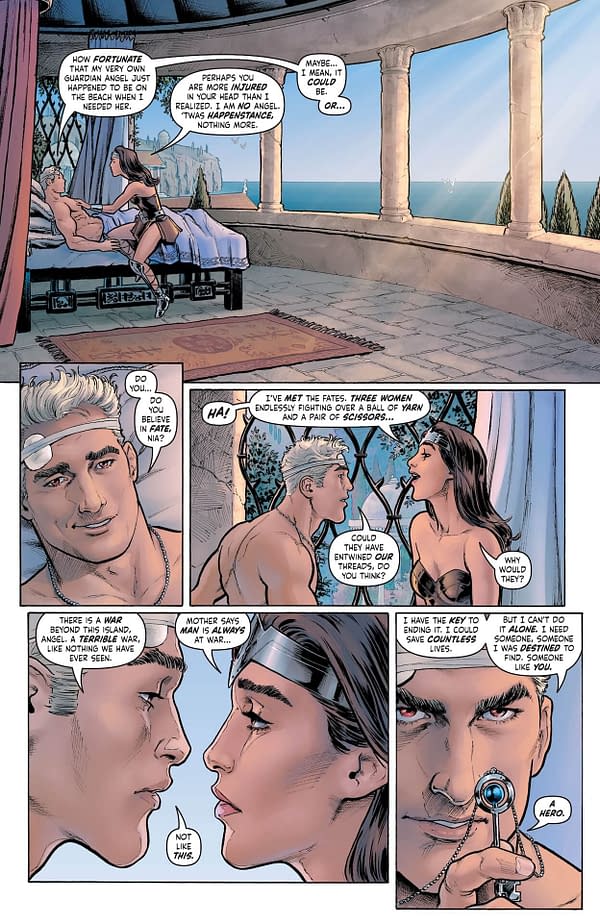
In this idyllic, yet unsettling, version of Paradise Island, the two heroes occupy roles that feel both aspirational and deeply suspicious. Dreamer finds herself cast as an Amazonian princess, while Galaxy is positioned as a champion of the Amazons. However, the veneer of paradise is quickly punctured by the realization that their memories are failing them. The narrative forces the characters—and the reader—to grapple with a fundamental question: Is this an earned sanctuary, or a meticulously crafted deception?
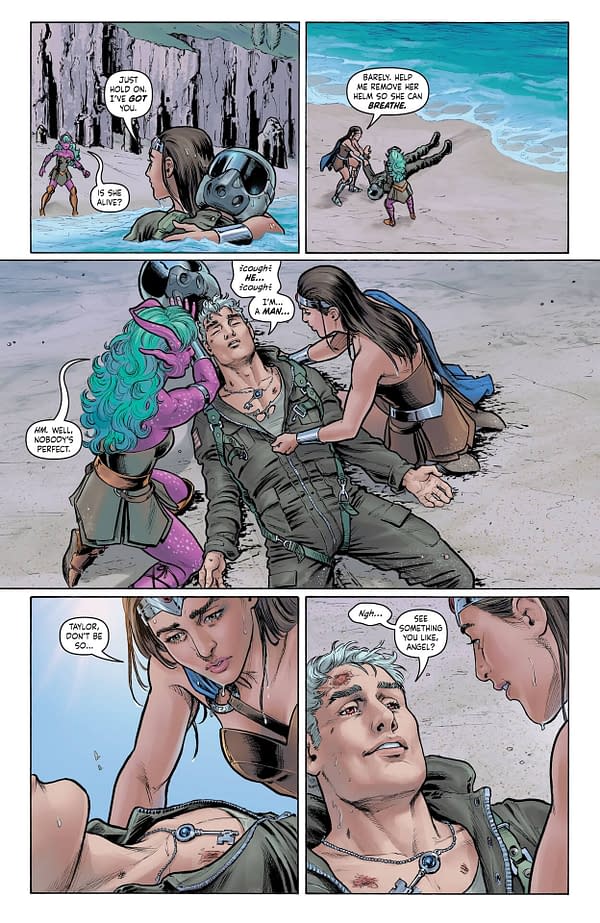
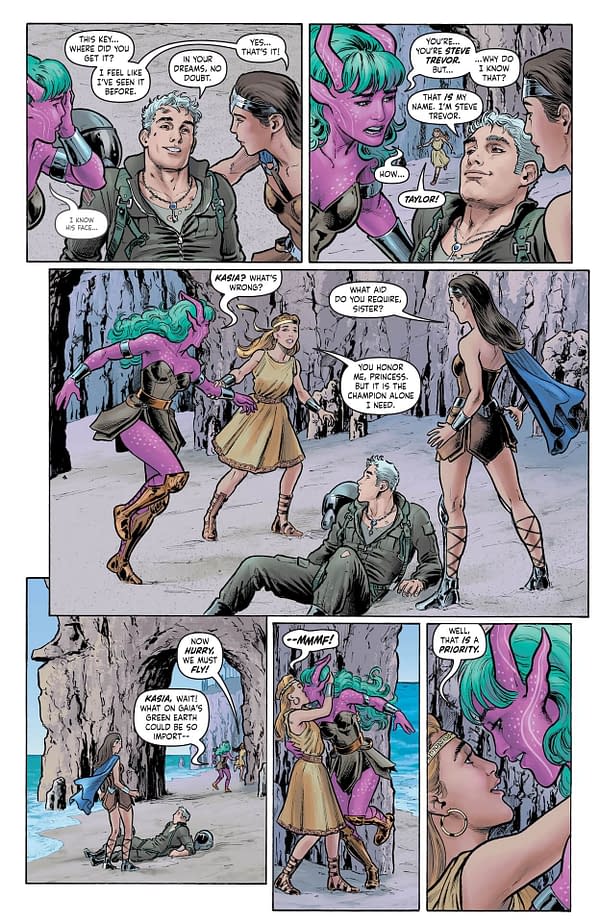
The tension is amplified by the appearance of a mysterious man who washes ashore, echoing the iconic arrival of Steve Trevor in Wonder Woman’s origin stories. His insistence that Dreamer must abandon this paradisiacal realm to "save the world" creates an immediate conflict, pushing the protagonists to confront the possibility that their current reality is a psychic construct. The shifting, dreamlike landscape serves as a narrative device that allows the creative team to explore the internal struggles of both characters in a visually stunning and emotionally resonant manner.
Chronology and Development: From Watchtower to Themyscira
The development of this issue represents a culmination of character arcs that have been simmering since the Justice League Intergalactic storylines. The "blowout friendship fight" mentioned in the solicitation is not merely a plot point, but a pivot that informs the emotional stakes of the current issue.
- Pre-Event Context: Following the Justice League Intergalactic Special, Dreamer and Galaxy were established as a dynamic pairing with significant unresolved tension regarding their duties to the League and their personal connection.
- The Transition: The opening sequence of Justice League: Dream Girls drops the reader into the immediate aftermath of this conflict, transitioning from the cold, sterile environment of the Watchtower to the lush, vibrant, and mythological setting of Themyscira.
- The Central Mystery: As the story progresses, the characters experience what they describe as "heroic origin story" beats that feel familiar yet "wrong." This meta-textual commentary suggests that the creative team is actively deconstructing the tropes of the superhero genre to provide a deeper exploration of queer identity and the search for belonging.
Supporting Data: The Creative Roster and Production Details
The production of Justice League: Dream Girls is a testament to the collaborative nature of modern comic book publishing. By pooling the talents of veteran writers and rising stars, DC Comics has ensured that the character voices remain consistent while the visual language of the story evolves with the shifting nature of the dream-scape.
Creative Team Breakdown
- Writers: Jadzia Axelrod, Nicole Maines, and Greg Rucka. The inclusion of Maines—who has been instrumental in defining the character of Dreamer—ensures a high level of narrative authenticity. Rucka’s involvement, particularly with the inclusion of a Batwoman backup story, provides a bridge to the established "Detective Comics" corner of the DC Universe.
- Artists: Nicola Scott, J. Bone, Brandt & Stein, and Claire Roe. The mix of artistic styles is essential for a story centered on dream logic; the ability to shift from realistic, grounded action to surreal, ethereal sequences is a prerequisite for this narrative.
Issue Specifications
- Publication Date: June 3, 2026.
- SRP: $4.99 (Standard edition).
- Variant Covers: The issue will be available with multiple cover options, including art by Phil Jimenez and Claire Roe, catering to the collector market and highlighting the event’s stature within the DC publishing calendar.
Implications: A New Era for DC Pride Events
The decision to move away from an anthology format—which has been the standard for DC’s Pride collections in previous years—toward a unified, standalone special suggests a change in editorial strategy. By dedicating an entire issue to a single, continuous narrative, DC is signaling that queer characters and stories are no longer confined to "special" or "supplemental" status. They are central to the ongoing evolution of the DC Universe.
Furthermore, the integration of a Batwoman backup story by Rucka and Roe underscores the importance of legacy characters in the Pride initiative. It serves as a reminder that the struggles for identity and representation are not new to the DC Universe, but rather part of a long, ongoing history of characters carving out spaces for themselves within the larger mythos.
Potential Narrative Impact
The "dream-state" premise provides a unique opportunity for creators to experiment with continuity and character history without permanently altering established canon. This allows for a "what if" style of storytelling that remains deeply rooted in the characters’ psychological states. If the creative team successfully navigates this premise, it could set a precedent for future Pride events that focus on character development over mere cameos or brief vignettes.
Official Commentary and Fan Reception
While official PR statements have focused on the celebratory nature of the event, the underlying buzz among the comic book community highlights a shift in expectations. Readers have expressed an appreciation for the continued development of Dreamer and Galaxy, characters who have gained significant popularity since their recent introduction into the main DC lineup.
The meta-commentary present in the solicitation material—specifically the references to the landscape feeling "familiar and wrong"—has sparked intense speculation. Fans are questioning whether this "dream" is a trap set by a classic DC villain or a manifestation of the characters’ own anxieties. This ambiguity has effectively served to build anticipation, with the "mystery" element elevating the book from a standard anthology to a "must-read" event for fans of both character-focused drama and cosmic-scale stakes.
Conclusion: Why This Matters
Justice League: Dream Girls — A DC Pride Event #1 is more than just a celebratory issue; it is a bold narrative experiment. By placing two of its most prominent queer heroes at the center of a psychological and mythological mystery, DC Comics is pushing the boundaries of what a Pride-themed comic can achieve.
As the industry moves toward a future where diverse representation is standard rather than the exception, the success of this issue will likely be measured not just by its sales, but by its ability to tell a compelling, coherent story that honors its characters’ past while challenging their future. Whether or not Dreamer and Galaxy truly escape their "paradise," one thing is certain: their journey will be a defining moment in the 2026 publishing slate, inviting readers to look beyond the surface of the dream and into the heart of the hero.
As fans prepare for the June 3 release, the focus remains on the synthesis of art and story. With a team as seasoned and diverse as the one assembled for this project, there is every reason to believe that Justice League: Dream Girls will leave a lasting impact on the DC Universe, providing a blueprint for how to celebrate identity through the medium of the super-heroic epic.









No comments yet. Be the first to join the conversation!