Developer: ACE Team
Publisher: Good Shepherd Entertainment
Platforms: PC, PS4, Xbox One
Price: £21.99
Genre: Survival / Adventure / Exploration
In the vast, often predictable landscape of modern survival gaming, it is rare to encounter a title that defies categorization with such bold, surrealist confidence. The Eternal Cylinder, the latest offering from the visionary minds at ACE Team, is a hauntingly beautiful, deeply strange, and relentlessly stressful odyssey. It is a game that pits the smallest of creatures against an inevitable, planetary-scale apocalypse, blending the whimsical with the existential in a way that is as unforgettable as it is unsettling.
The Core Concept: Evolution in the Shadow of Doom
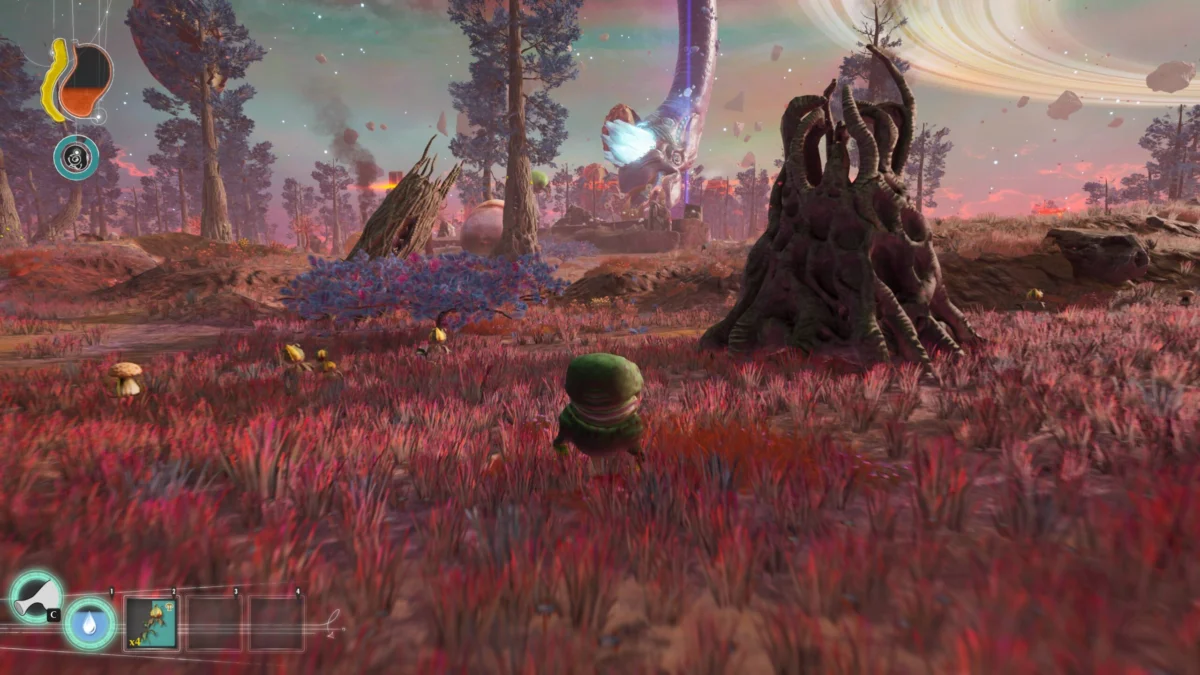
At its heart, The Eternal Cylinder is a game about survival, but not in the sense of building base camps or managing calorie counts in a static sandbox. You take control of the "Trebhum," a squat, trunk-nosed alien creature, in a world that is literally being folded into history. The eponymous "Eternal Cylinder"—a gargantuan, planet-crushing roller that stretches infinitely across the horizon—is the game’s primary antagonist. It does not wait for you; it does not sleep. It is a slow, methodical, and terrifyingly inevitable force that pulverizes everything in its path: flora, fauna, and geography alike.
The objective is simple: move forward, evolve, and survive. As you navigate the alien landscape, you must guide your Trebhum family through a series of "Towers," the only safe havens that provide temporary reprieve from the Cylinder’s relentless advance.
Chronology: A Journey Through a Dying World
The narrative of The Eternal Cylinder is not told through heavy-handed cutscenes, but through the environment itself and a haunting, ethereal narrator who guides the player through the history of this resilient species.
The Awakening
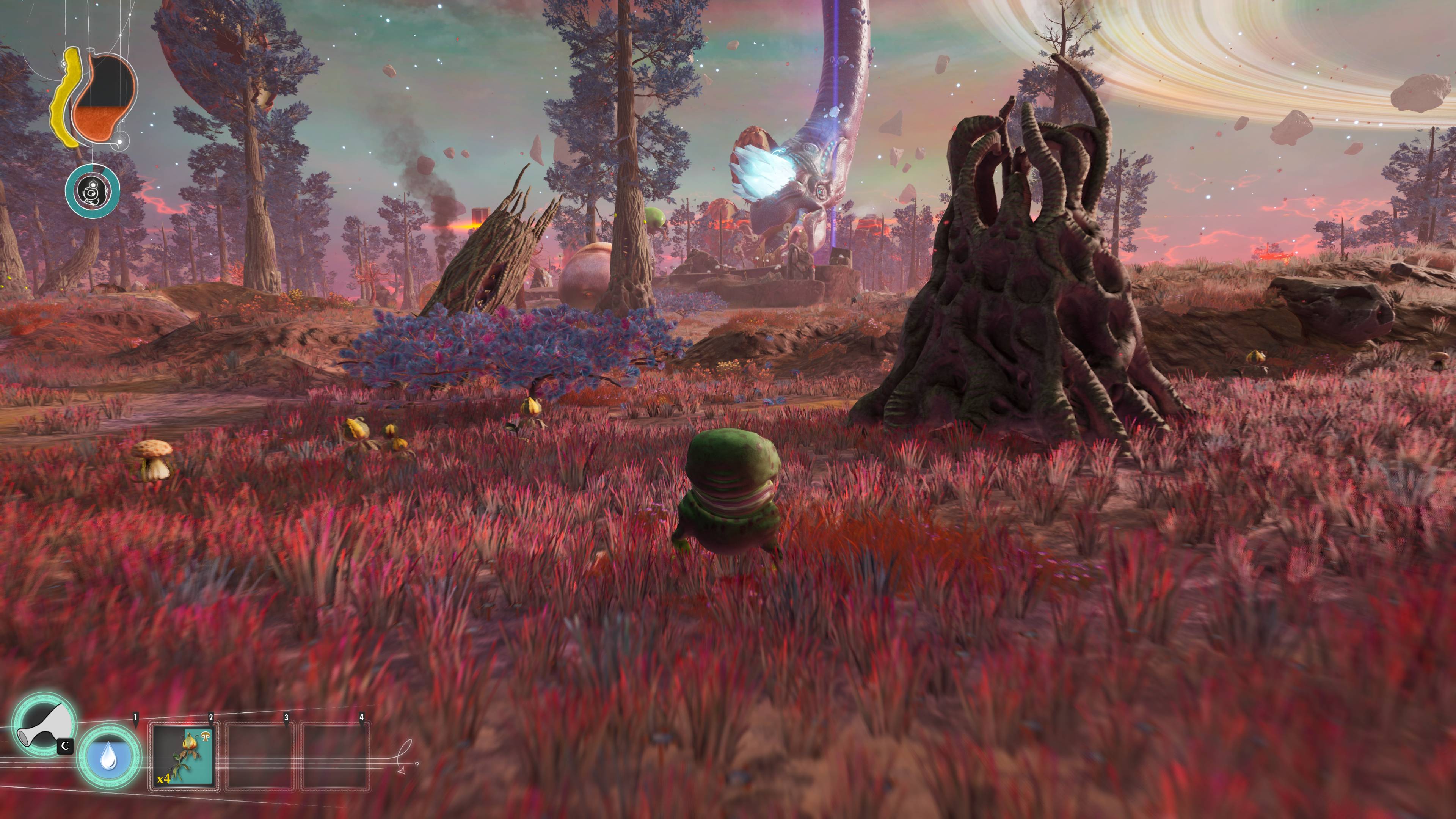
The journey begins with a single, vulnerable Trebhum. You are born into a landscape that feels like a collaboration between Salvador Dalí and Hieronymus Bosch. The initial hours are defined by confusion and wonder; you are learning how to manipulate your trunk to interact with the bizarre ecosystem. You consume organic matter to gain energy and survive, but you quickly learn that some flora and fauna offer more than just sustenance.
The Cycle of Mutation
As you traverse the landscape, the game introduces its most compelling mechanic: biological mutation. By consuming specific objects, your Trebhum can fundamentally change its anatomy. Need to cross a freezing tundra? Grow thick, insulating fur. Encounter a chasm that seems impassable? Mutate to gain elongated, spring-loaded legs. These mutations are not merely cosmetic; they are the key to unlocking the world’s environmental puzzles. The transition from a standard, vulnerable creature to a multifaceted, specialized survivor is the heartbeat of the game’s progression.
The Gathering
As you press deeper into the world, you encounter other Trebhums. These interactions serve as the game’s emotional anchor. You can expand your family, hatching new members from incubation flowers or rescuing them from crystalline prisons. This "pack" mechanic adds a layer of responsibility; if your lead Trebhum falls, you switch control to another. Losing a member of your family, only to revive them hours later at a shrine, provides a genuine sense of relief and connection that many survival games fail to elicit.
Supporting Data: Mechanics and Aesthetic Contrast
While the game is a triumph of atmosphere, it is not without its technical friction. Below is an analysis of how the game’s systems function in practice:
The Control Dilemma
One of the primary critiques of The Eternal Cylinder is the disconnect between its ambition and its execution. While the mutation system is conceptually brilliant, the actual movement can feel sluggish. Jumping, despite the evolution of better legs, often feels imprecise. The "communal" aspect of the game—your AI-controlled pack members—also leaves much to be desired. Beyond serving as extra lives or unlocking specific physical gates, your companions do not contribute significantly to moment-to-moment gameplay, often feeling more like followers than active participants.
The Aesthetic Masterpiece
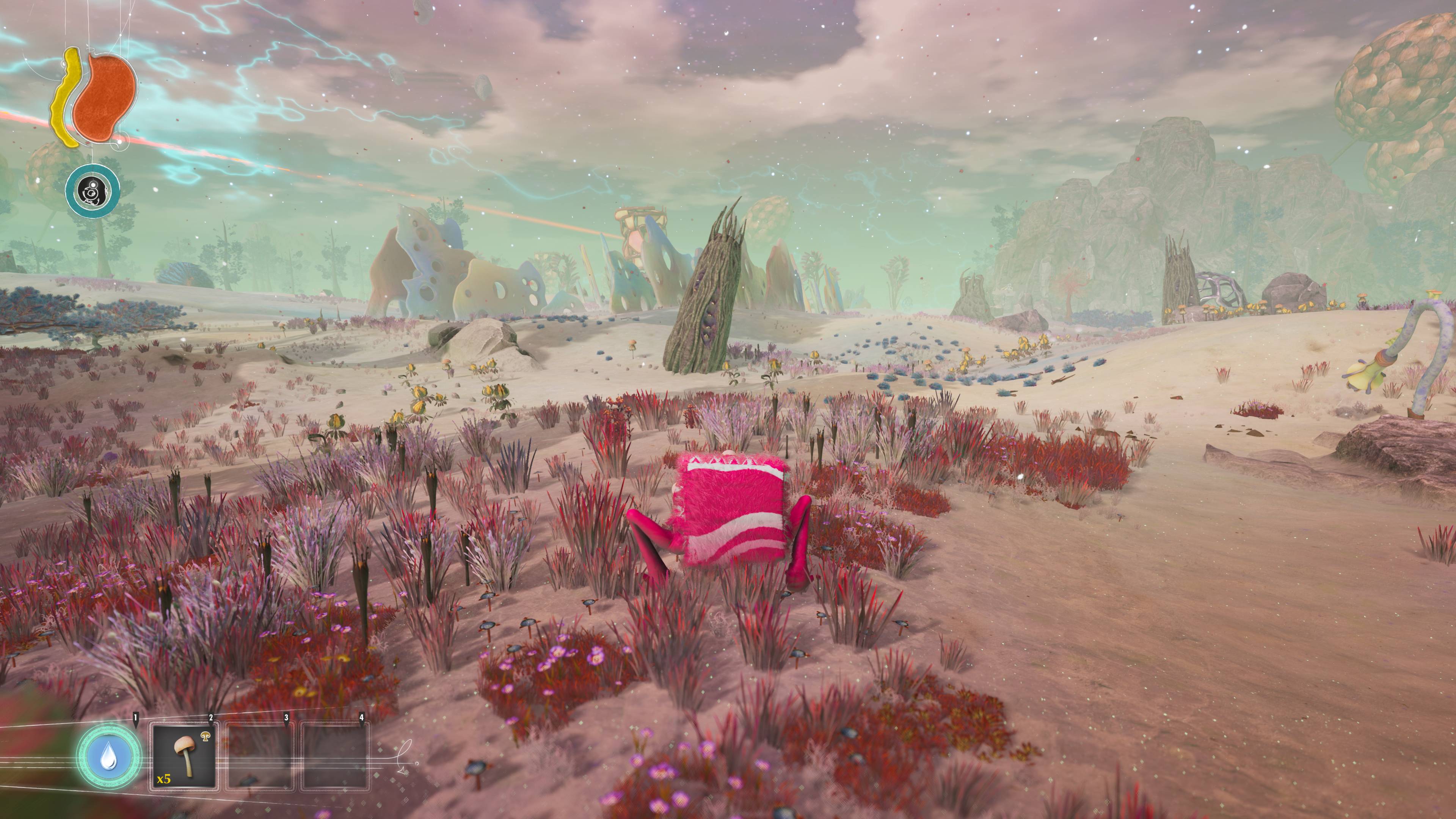
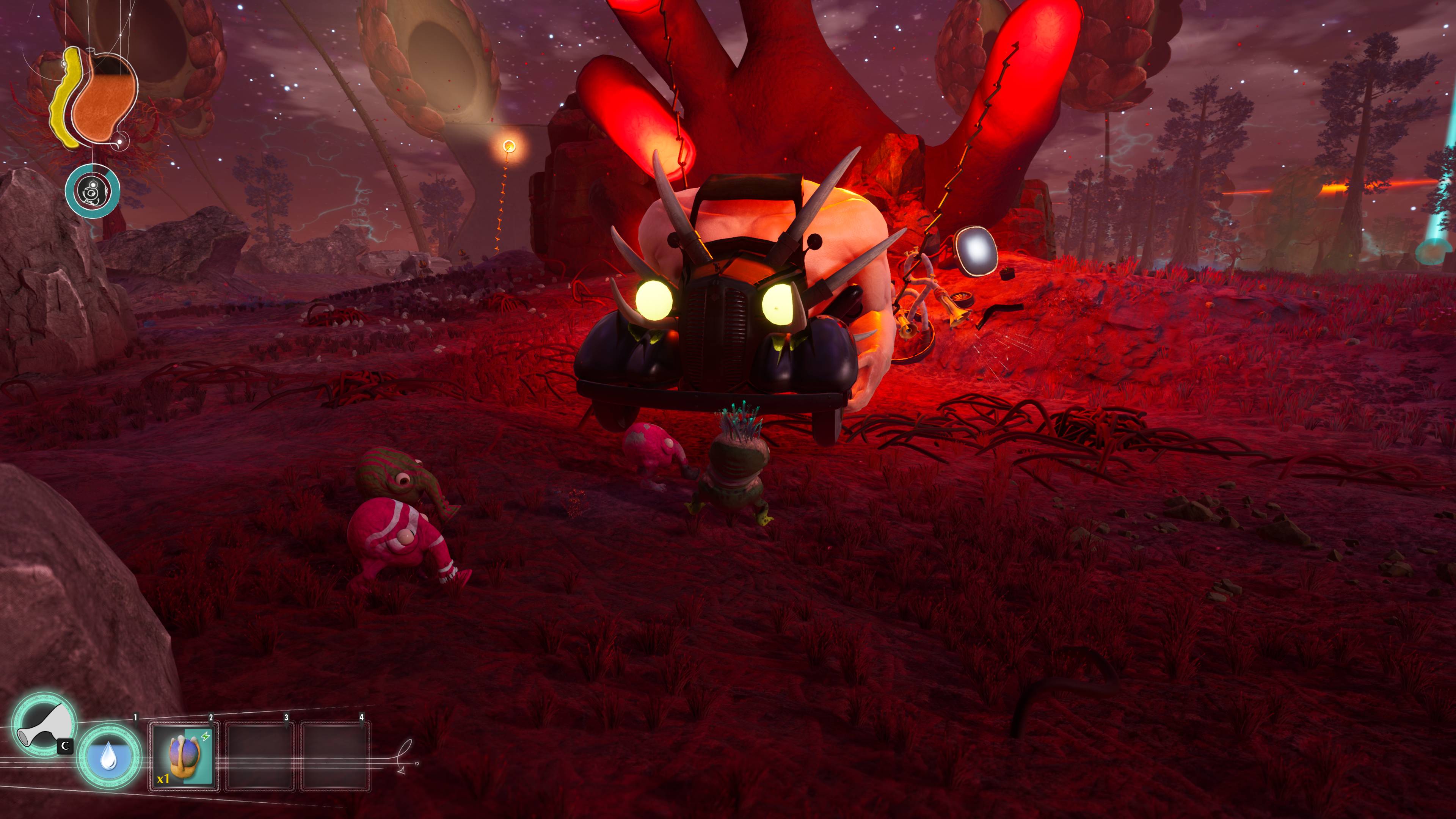
Where the game falters in mechanics, it more than compensates with its visual and auditory design. The world is a masterclass in "consistent surrealism." You will encounter flying snot monsters, predatory snails that act like living bear traps, and giant, rock-like entities that reveal human-like teeth when they open. Despite the impossibility of these creatures, the color palette and lighting design make the world feel cohesive and grounded within its own internal logic.
The Cylinder: A Terrifying Antagonist
The Cylinder itself is perhaps the most impressive design element in the game. When it activates, the horizon glows with an infernal, orange light. The sound design—a low-frequency rumble that evolves into a deafening roar—creates a visceral, physiological reaction. The camera shake and the visual blurring as the ground beneath you begins to crumble provide a genuine sense of urgency that few games achieve.
Official Responses and Developer Intent
ACE Team has long been known for their eccentric titles, such as Zeno Clash and Rock of Ages. In interviews regarding The Eternal Cylinder, the developers have emphasized their desire to explore themes of ecological disaster and the resilience of life. By focusing on a creature that is "insignificant" in the face of a cosmic threat, they aim to mirror the fragility of biological life on Earth.
The developers’ design philosophy was to ensure that the "Cylinder" was not just a background element, but a character in its own right. Its presence dictates the pacing, forcing players to balance the urge to explore every nook and cranny with the life-or-death necessity of reaching the next Tower.
Implications: A Lesson in Ambition vs. Polish
The release of The Eternal Cylinder raises an interesting question for the survival genre: Is it better to be a technically perfect, derivative game, or a flawed, visionary one?
The "Masterpiece" That Almost Was
The game sits on a knife-edge. Its underlying systems—the mutation mechanics, the pack management, and the inventory puzzles—do not always operate with the fluidity required for a top-tier title. Yet, the overall experience is so singularly unique that these technical shortcomings rarely break the immersion.
Long-term Impact
The game’s legacy will likely be its world-building. The Eternal Cylinder demonstrates that "survival" can be a medium for profound storytelling. By moving away from the "crafting table and campfire" tropes that dominate the genre, ACE Team has created a blueprint for how future developers might utilize the environment as an active participant in the narrative.
Conclusion: Is it Worth Your Time?
For players who prioritize mechanical precision and tight combat loops, The Eternal Cylinder may prove frustrating. However, for those who seek to be transported into a world that feels genuinely alien—a world that is both a nightmare and a dream—this game is essential.
It is a beautiful, flawed, and deeply human story about the smallest of things trying to outrun the end of the world. Even when it stumbles, it remains a captivating experience that will stay with you long after the Cylinder has finished its work. Despite its imperfections, it stands as one of the most intellectually stimulating titles of the year, a reminder that the most interesting games are often the ones that dare to be weird.