Siti Muinah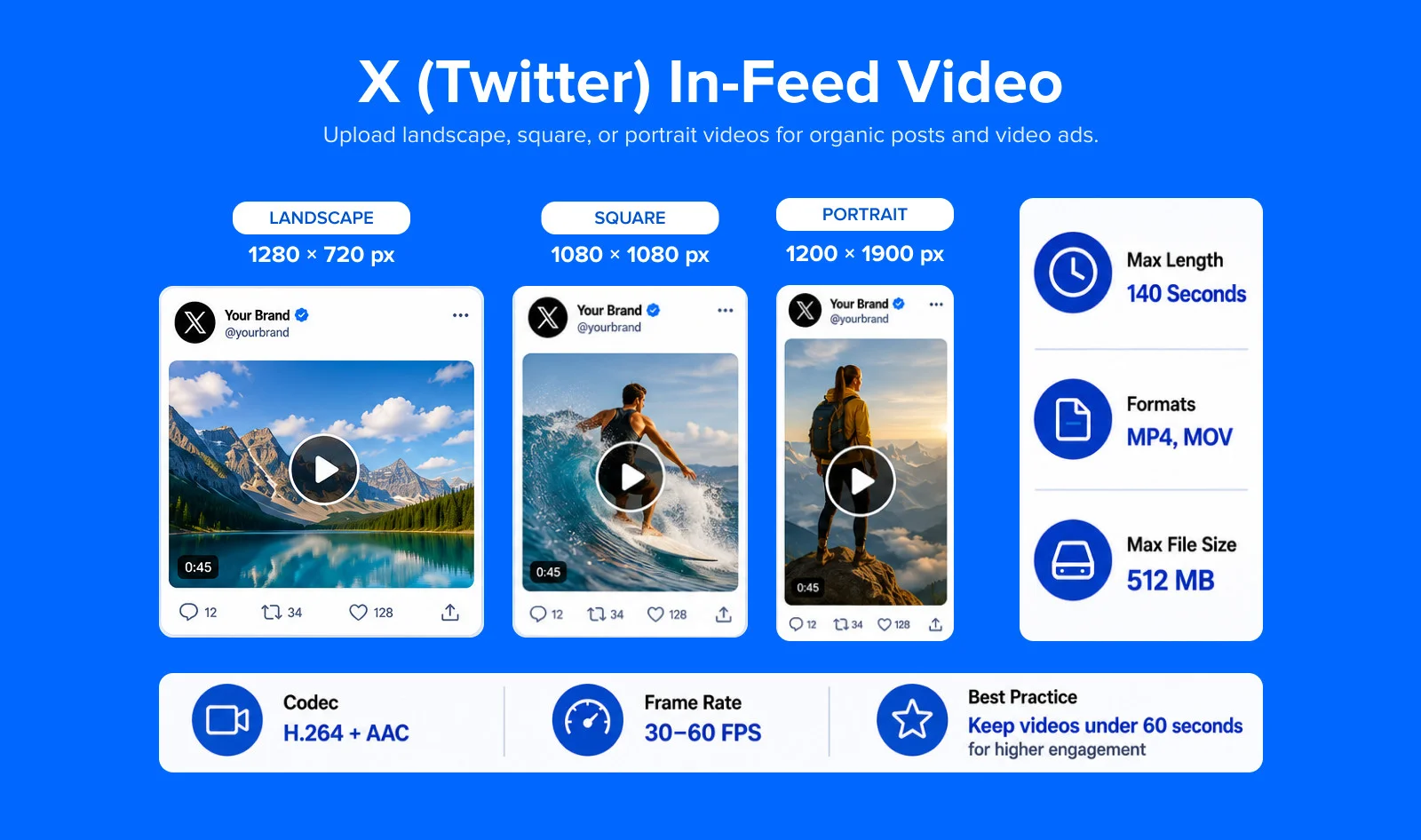
In the digital era, video has transcended its status as a mere content format to become the dominant language of the internet. From the rapid-fire scroll of TikTok to the professional networking environment of LinkedIn, video marketing is currently at its pinnacle. With billions of views generated daily across major platforms, brands and individual creators are intensifying their efforts to capture fleeting consumer attention.

However, the ease of video production has created a new challenge: platform fragmentation. Every social media channel employs unique algorithms, user behaviors, and, most crucially, specific technical dimensions. For a marketer, producing a high-quality video is only half the battle; ensuring it displays correctly across various interfaces is the difference between a viral success and a compromised, low-engagement post.
This guide serves as a comprehensive manual for the latest video specifications, ensuring your content strategy remains sharp, professional, and optimized for maximum visibility.

The Strategic Importance of Technical Precision
The shift toward video-first content is not merely a trend—it is a response to evolving user consumption habits. Data indicates that video posts generate significantly more engagement than static imagery or text-based updates. However, "engagement" is fragile. When a video is uploaded with the wrong aspect ratio, it may suffer from letterboxing, cropping, or resolution loss, all of which signal a lack of professionalism to your audience.

The Evolution of Social Video
Over the last decade, we have seen a rapid transition from horizontal, broadcast-style media to vertical, mobile-first storytelling. Platforms like Instagram, Facebook, and TikTok have fundamentally altered the creative process, forcing brands to prioritize "safe zones"—the areas of the screen where text and logos won’t be obscured by UI elements like "Like" buttons or profile icons.

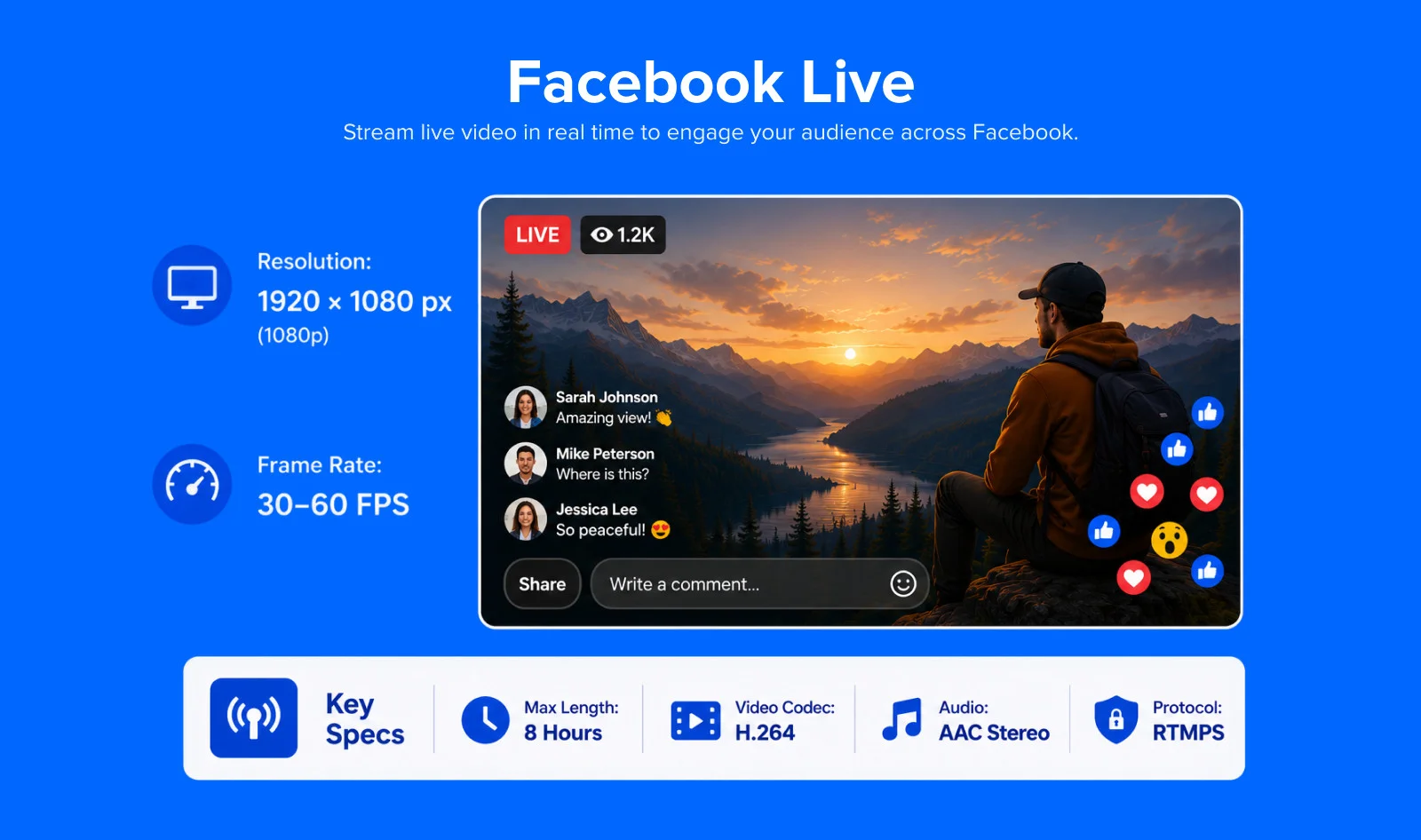
1. Facebook: The Multi-Format Powerhouse
Facebook remains a cornerstone of the social media landscape, offering the widest variety of video ad formats. With video posts receiving at least 59% more engagement than other formats, it is a vital arena for advertisers.

Shared Video Posts
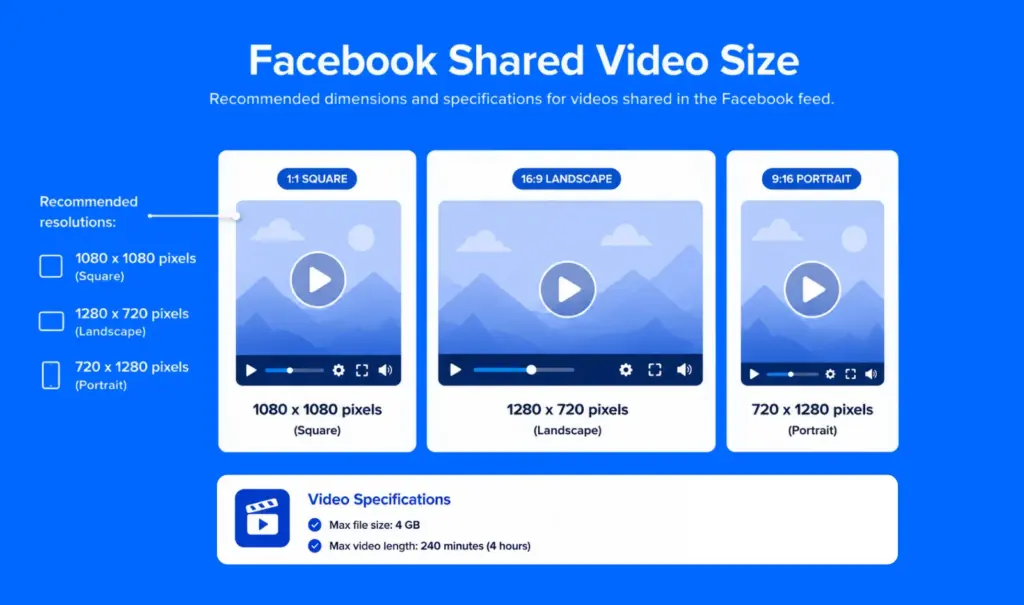
Shared videos are the lifeblood of the Facebook News Feed.

- Dimensions: Square (1:1) is the recommended default, as it occupies more real estate on mobile devices.
- Resolution: 1080 x 1080 pixels.
- Key Insight: While landscape (16:9) is acceptable, square formats consistently outperform in engagement metrics due to their prominence in mobile feeds.
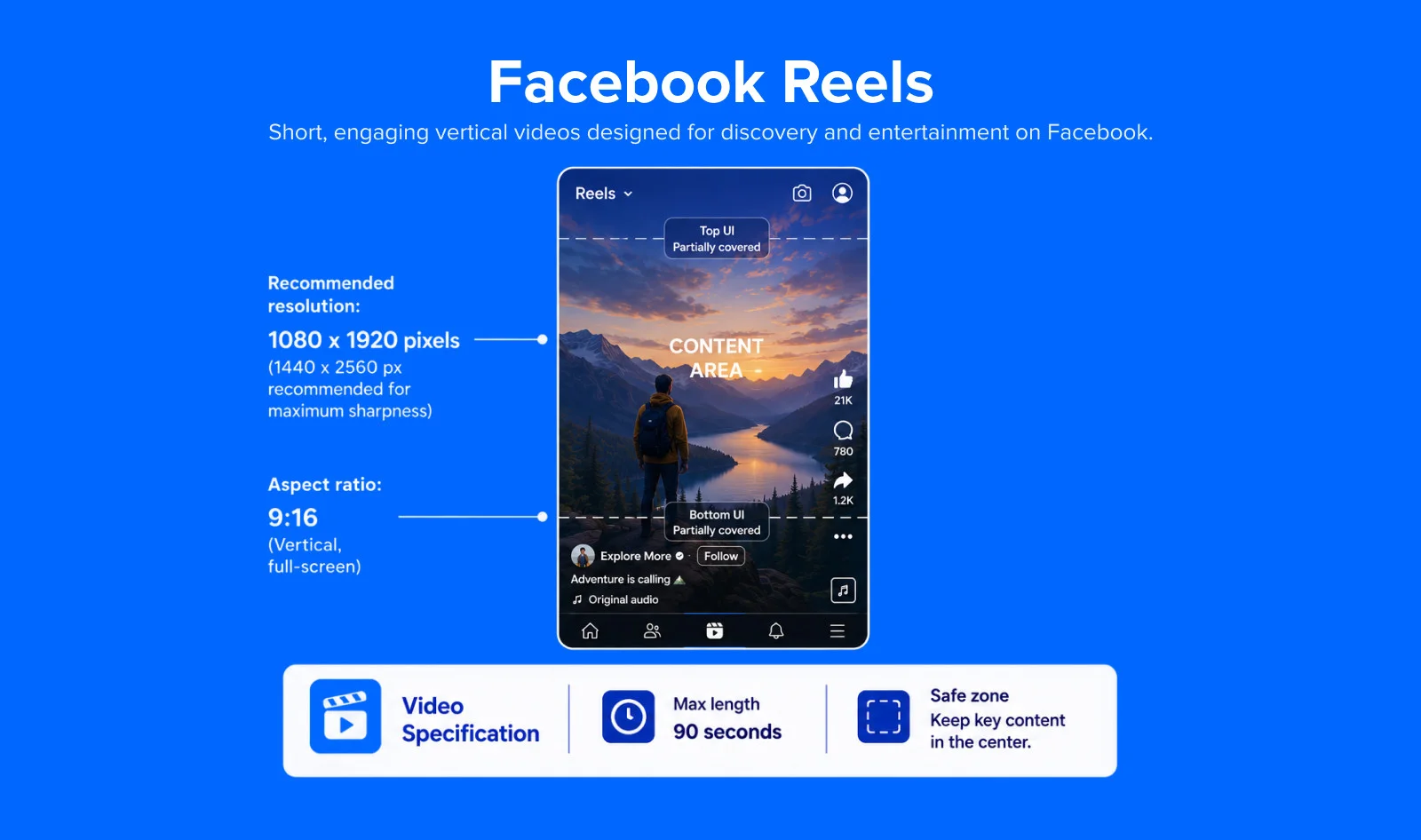
Facebook Reels
Directly competing with TikTok, Reels have become the highest-reach format on the platform.

- Aspect Ratio: 9:16 (Vertical).
- Resolution: 1080 x 1920 pixels.
- Strategy: Repurposing content from TikTok or Instagram is common, but ensure all third-party watermarks are removed to maintain algorithmic favor.
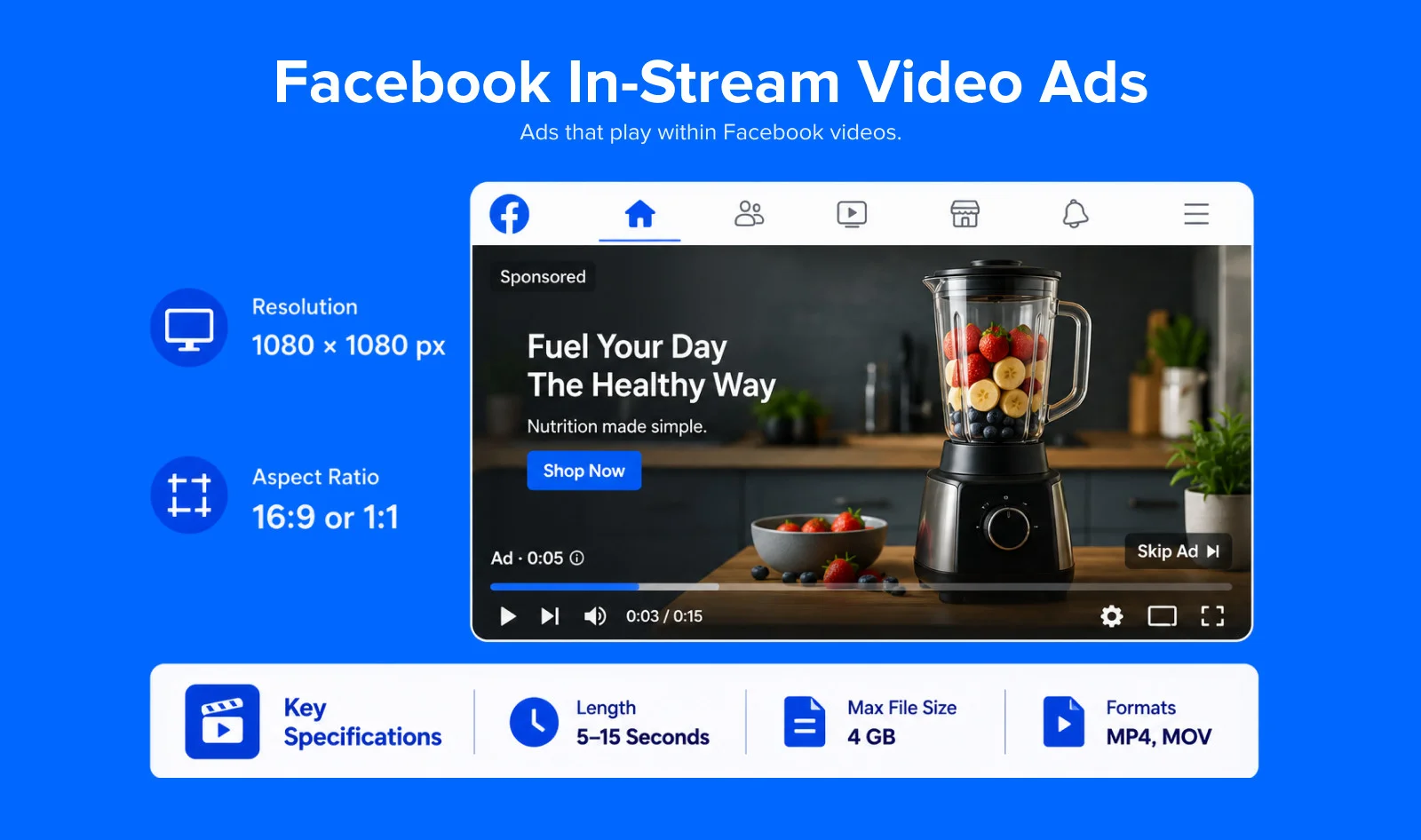
In-Stream Video Ads
These function similarly to traditional TV commercials, appearing mid-roll in existing content. Because they are non-skippable for a set interval, the first three seconds are critical. You must lead with your brand or a compelling hook to prevent drop-off.
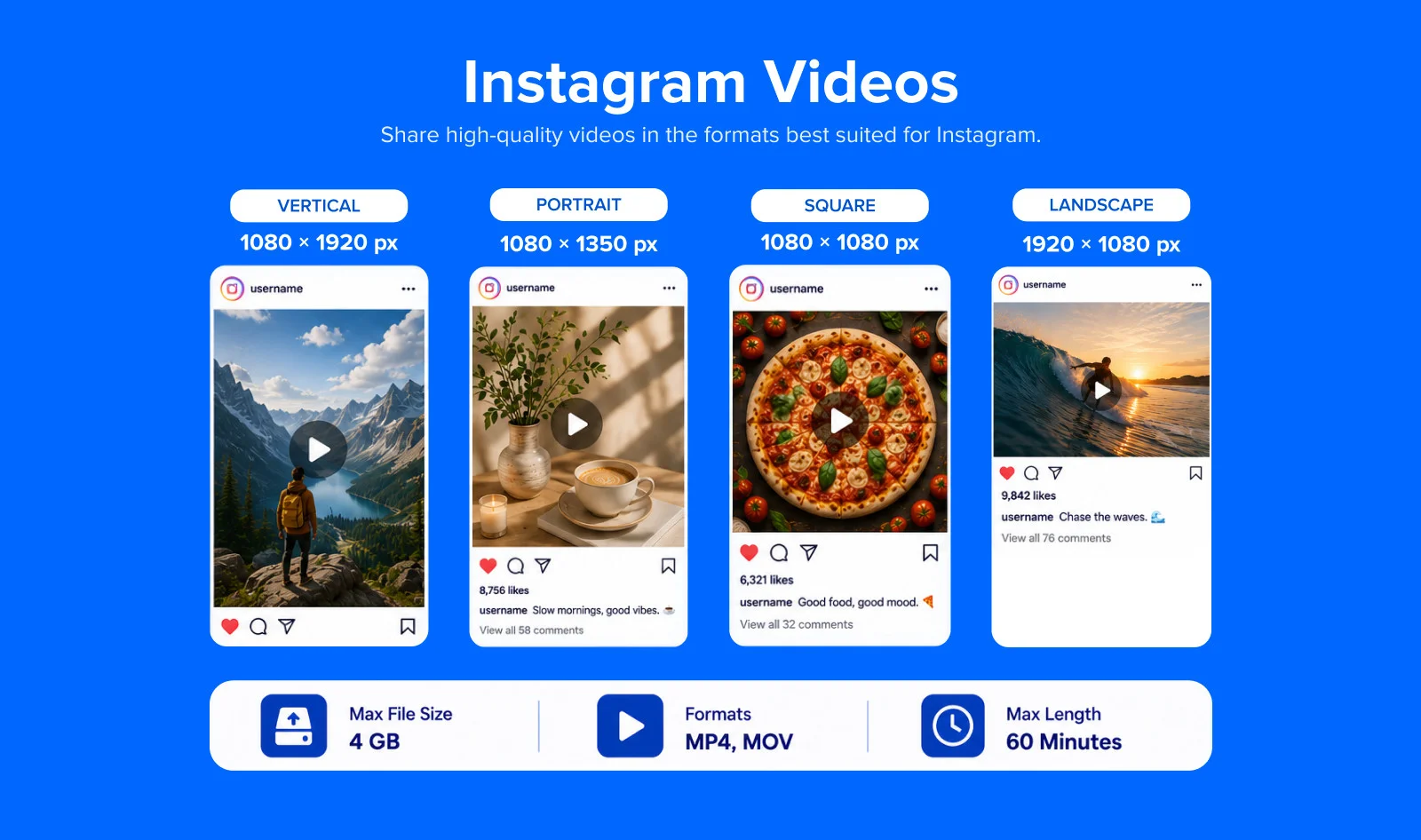
2. Instagram: The Visual Storyteller
Since the integration of the "Video Tab" in 2021, Instagram has simplified its requirements, moving away from the complexities of legacy formats like IGTV.
Instagram Reels
The heartbeat of the platform, Reels are essential for growth.
- Duration: Up to 15 minutes for uploads, though shorter content is preferred.
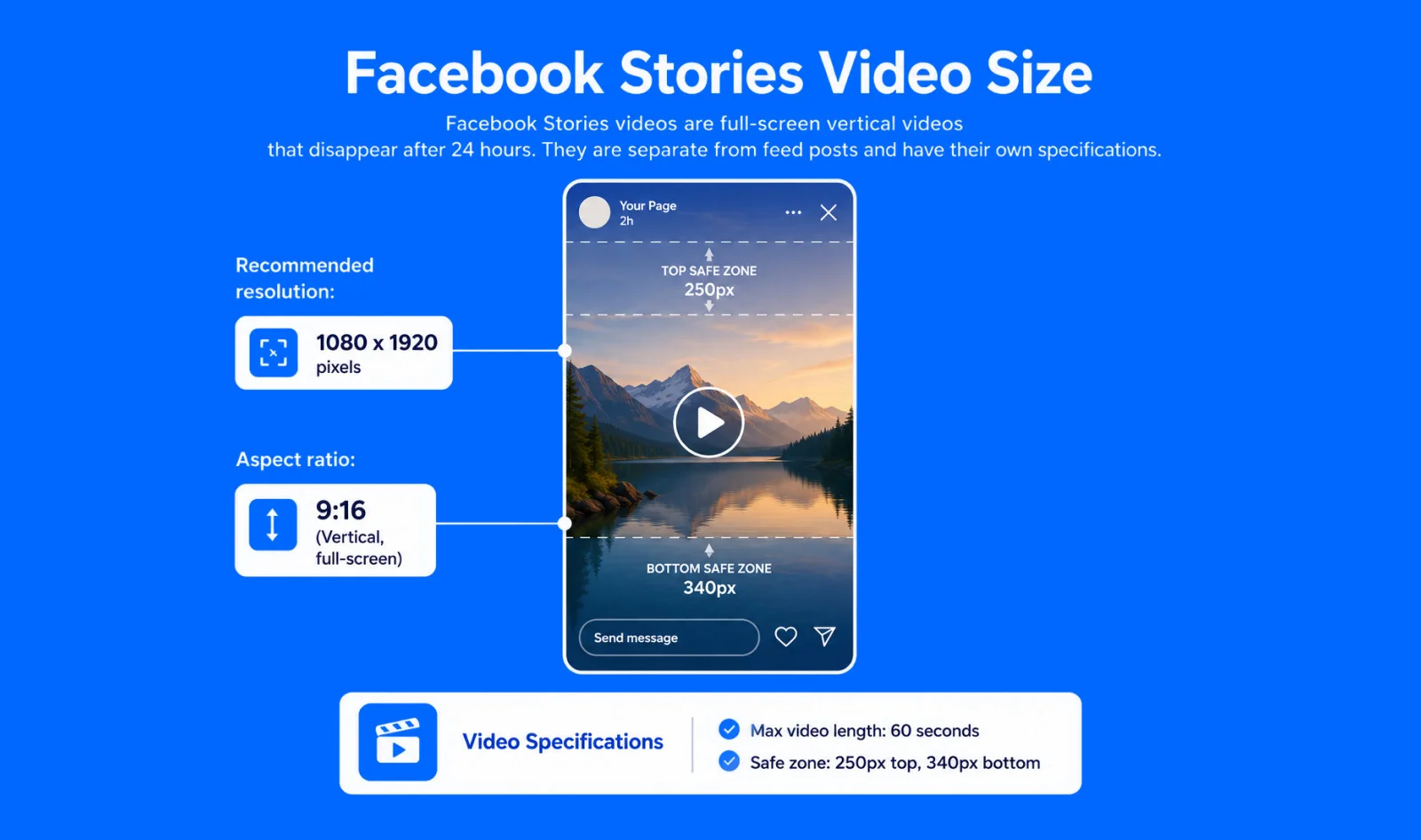
- Safe Zones: Avoid placing critical text at the top 250 pixels or bottom 340 pixels to ensure your message isn’t covered by the interface.
Stories Ads
Instagram Stories are high-impact, full-screen experiences. Because they disappear after 24 hours, they are perfect for time-sensitive promotions or behind-the-scenes content.
- Aspect Ratio: 9:16.
- Resolution: 1080 x 1920 pixels.
3. Twitter (X): Speed and Premium Content
Twitter has evolved its video strategy to accommodate both short-form updates and long-form premium content.
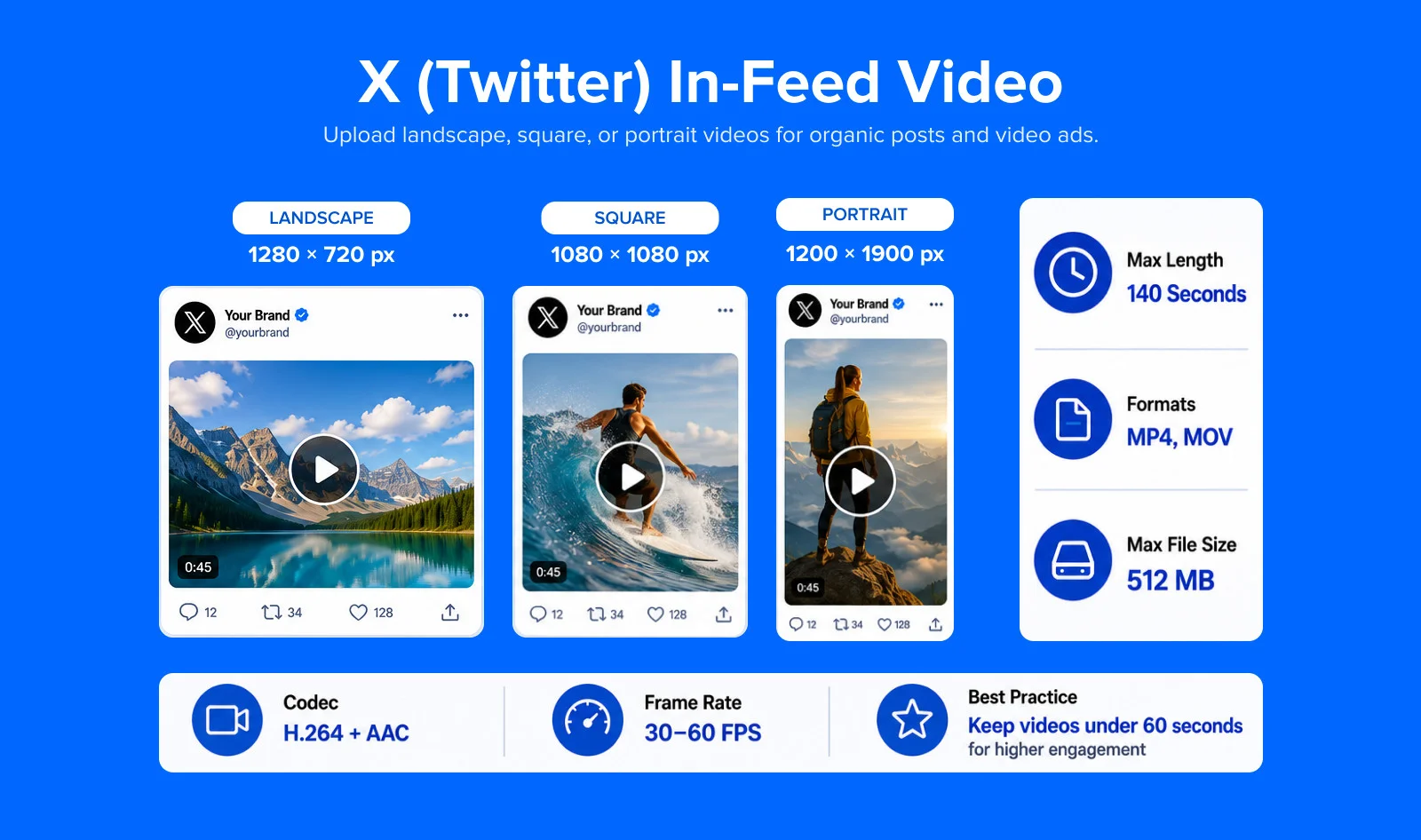
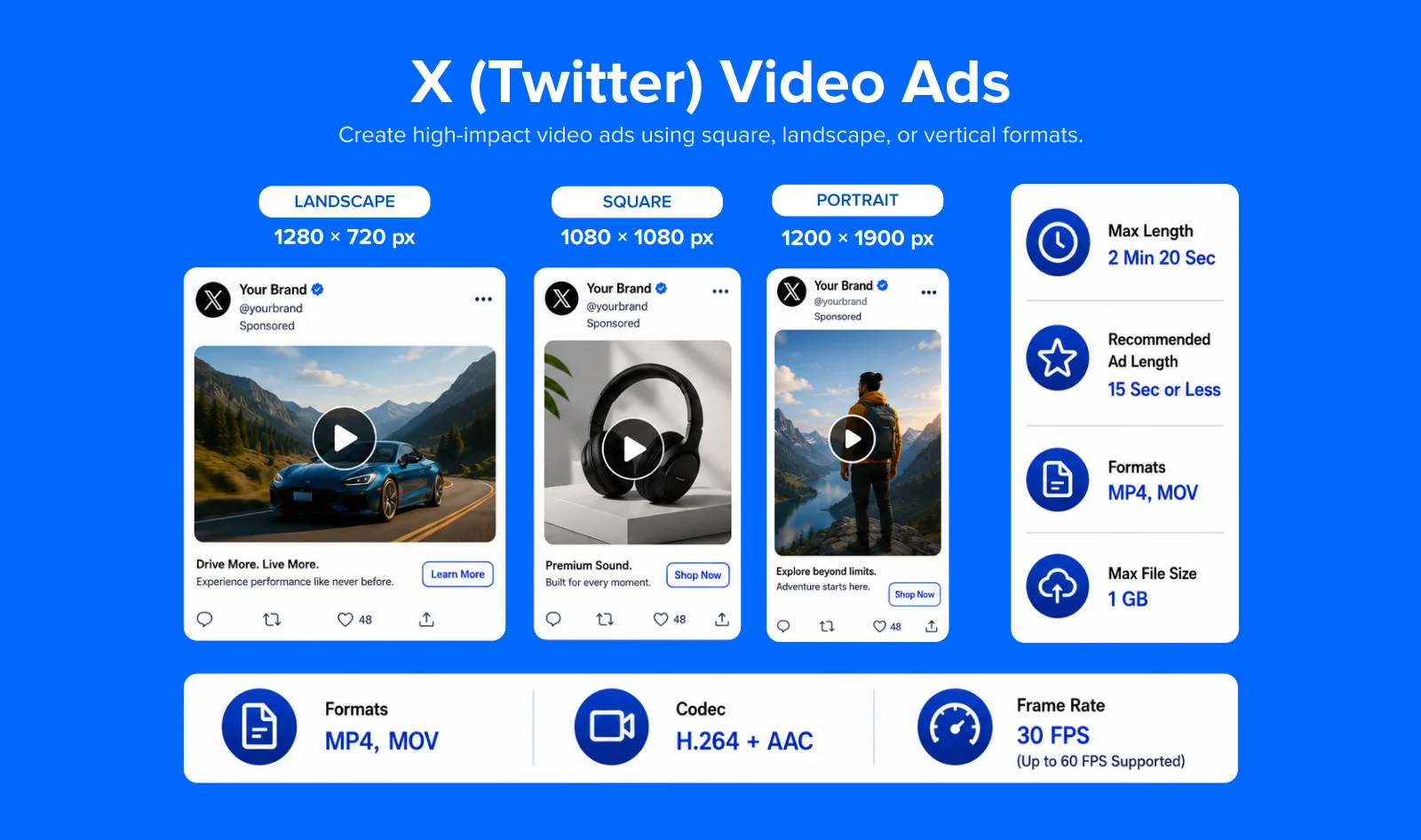
In-Feed Video
- Max Duration: 140 seconds for standard accounts; up to 4 hours for Premium subscribers on web/iOS.
- Recommendation: Despite the long-form capability, 60 seconds remains the "sweet spot" for completion rates.
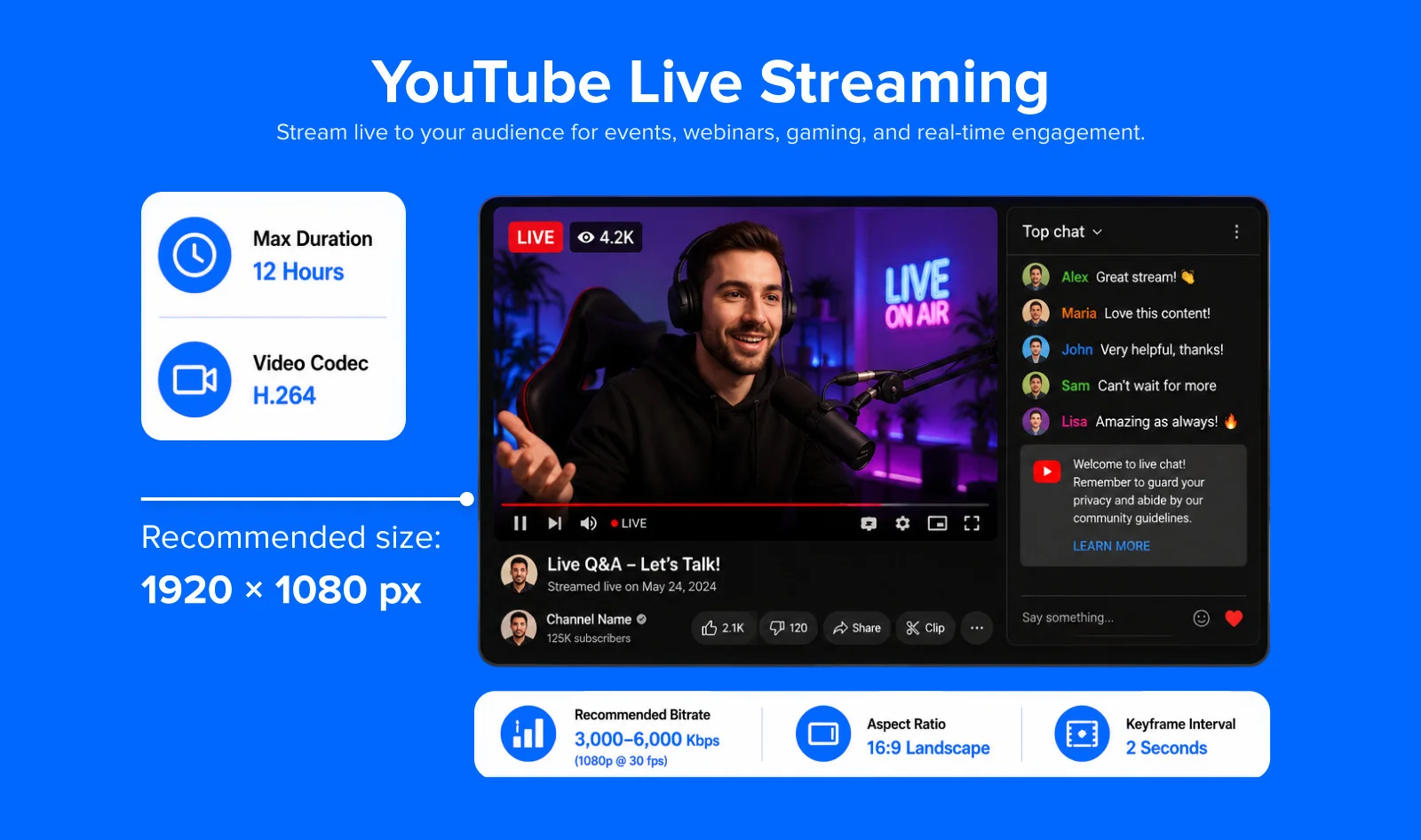
4. YouTube: The Long-Form Authority
YouTube remains the world’s second-largest search engine. It is the gold standard for high-quality, long-form content.
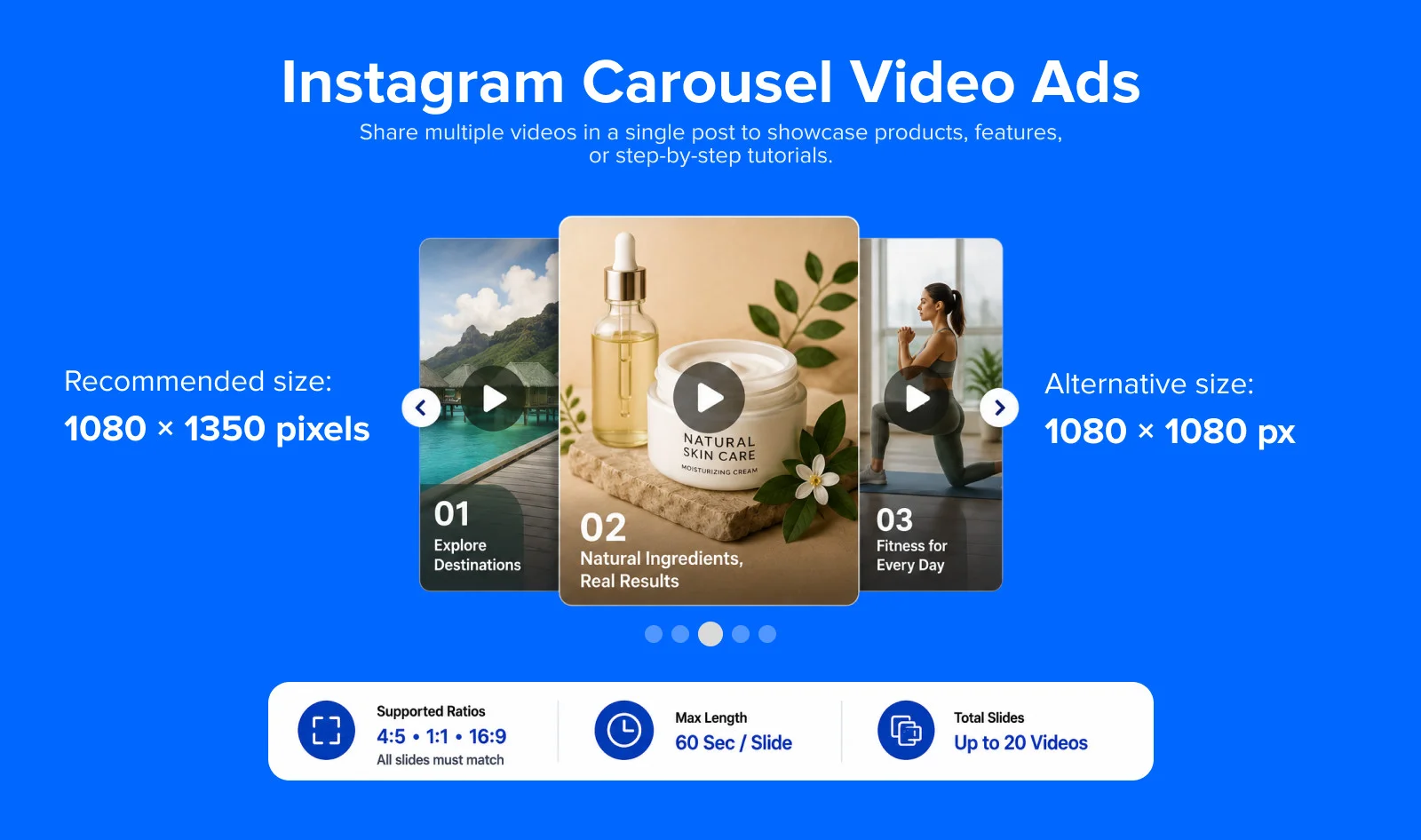
Standard YouTube Videos
- Format: MP4 with H.264 codec.
- Aspect Ratio: 16:9 (Horizontal).
- Resolution: 1920 x 1080 (1080p) or 3840 x 2160 (4K).
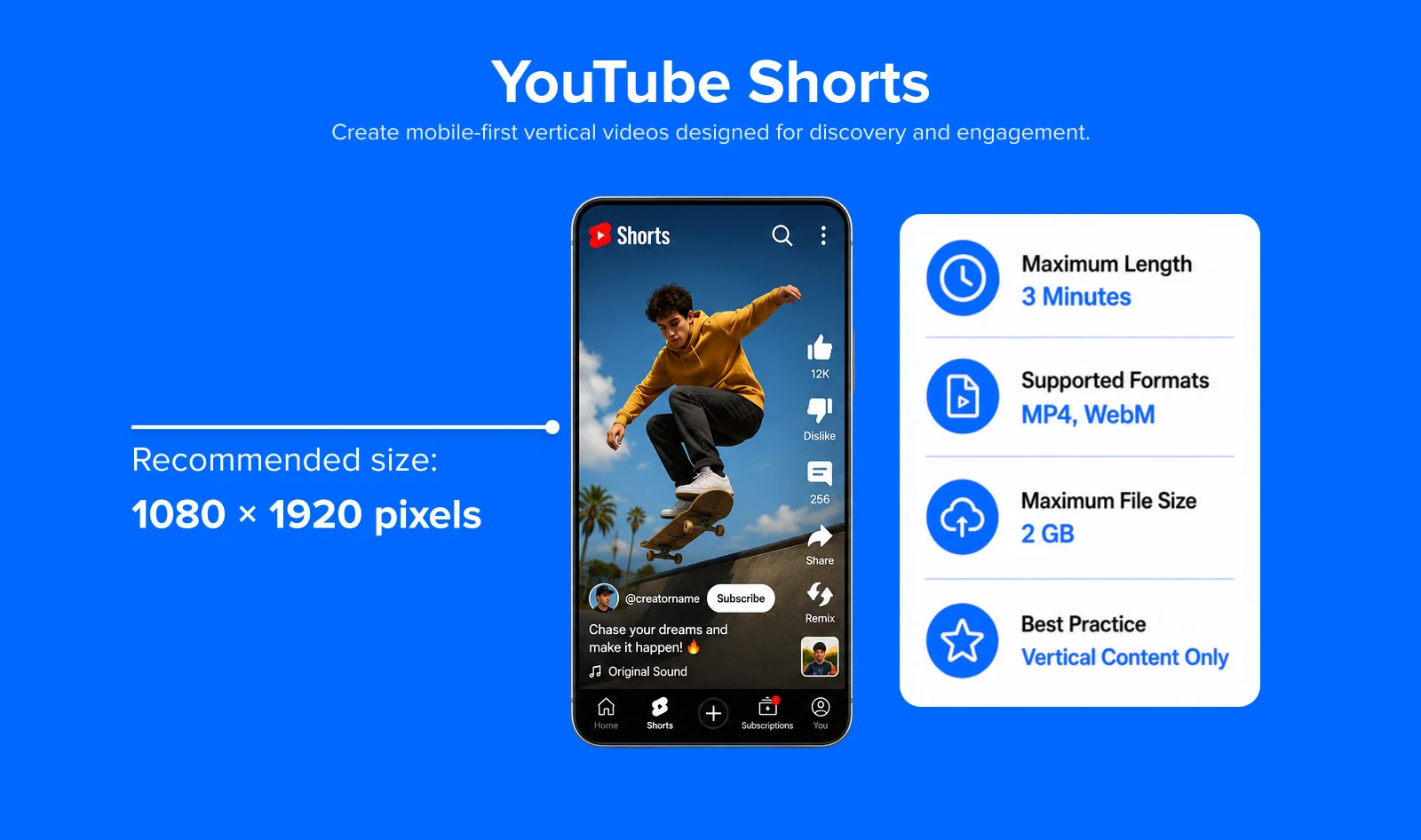
YouTube Shorts
YouTube’s answer to short-form content.
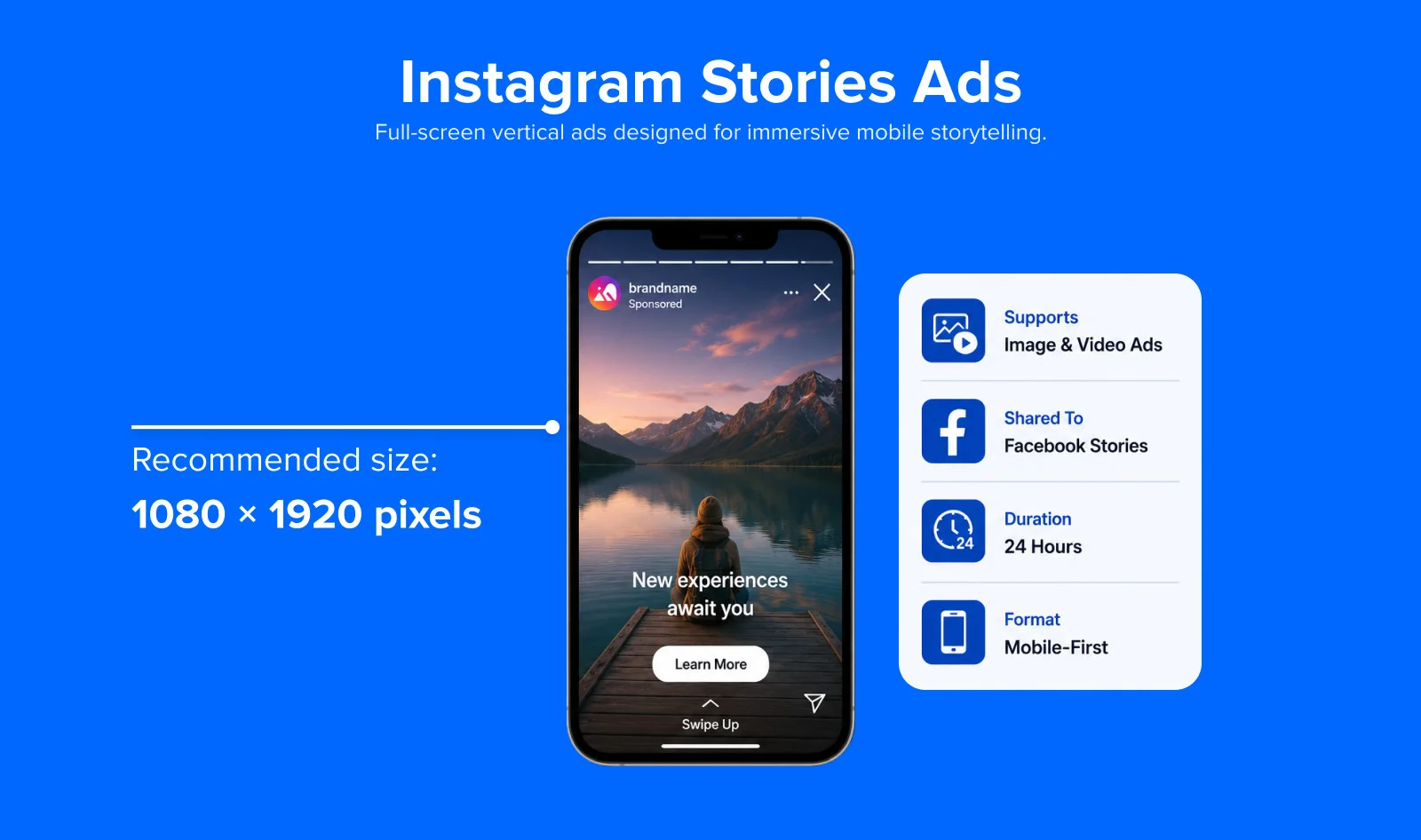
- Dimensions: 9:16 (Vertical).
- Duration: Up to 60 seconds.
- Strategic Use: Use Shorts as a "teaser" to drive traffic to your longer-form, deep-dive content.
5. LinkedIn: The Professional Pivot
LinkedIn has emerged as a surprisingly effective platform for B2B video marketing. Senior executives are increasingly consuming video content, often sharing it within their professional circles.
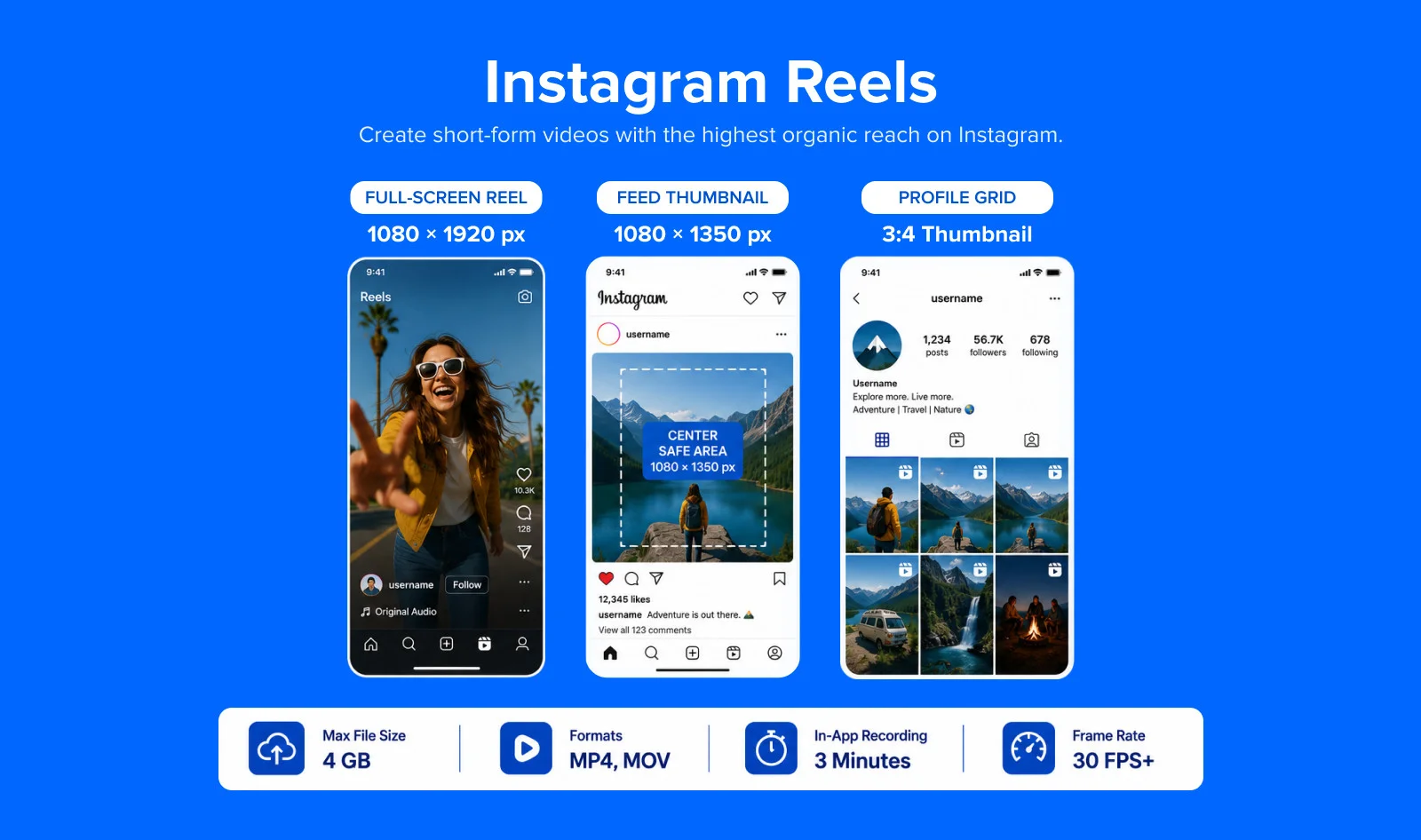
- Best Practice: Always include subtitles. A significant portion of the LinkedIn audience consumes content in professional settings without sound.
- Dimensions: 1:1, 4:5, or 16:9.
- Duration: Keep under 60 seconds for maximum completion rates.
6. Emerging Platforms: Threads and Bluesky
The social media landscape is no longer limited to the "Big Four." New entrants like Threads and Bluesky are changing how we distribute video.
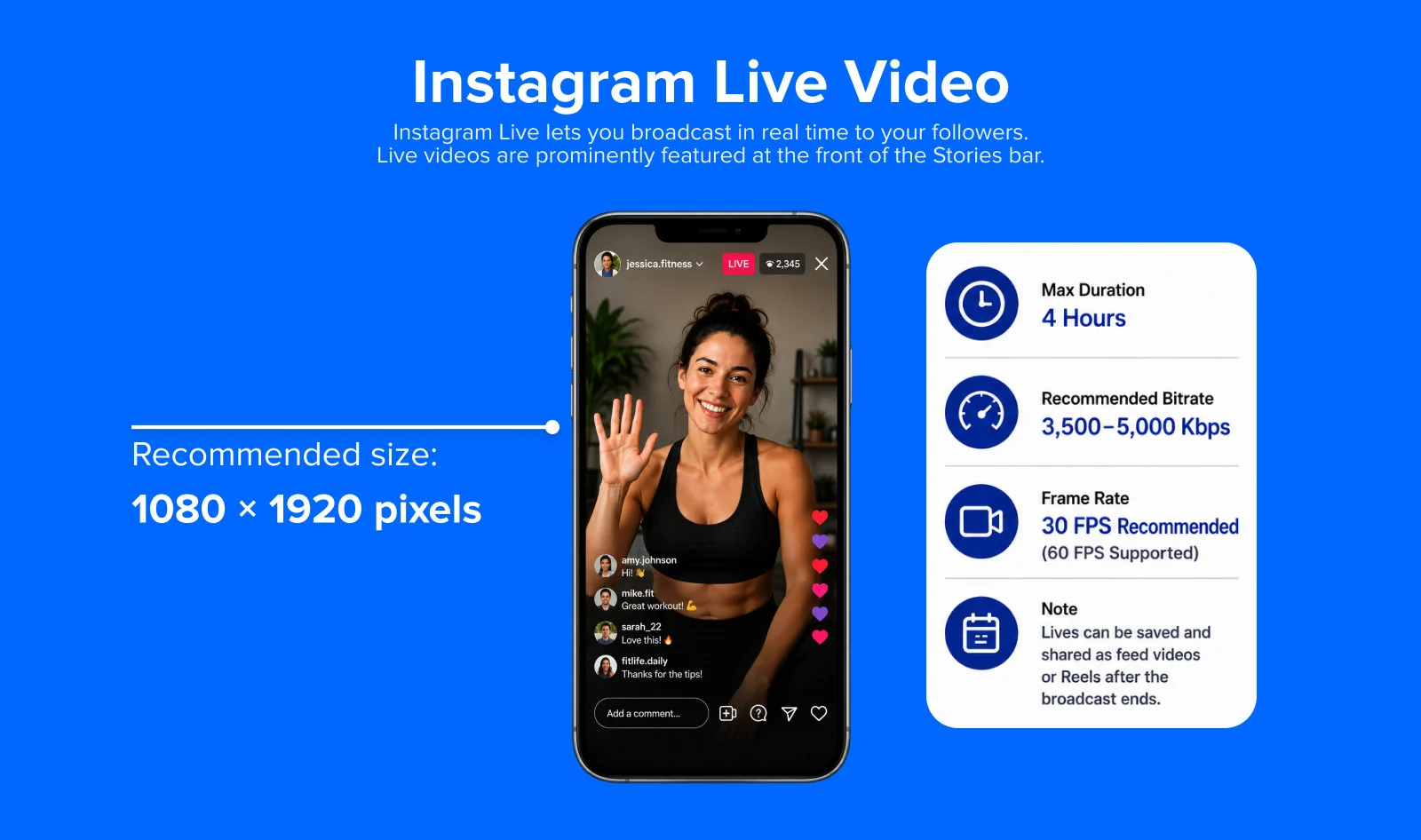
Threads
Threads relies on Instagram’s infrastructure. Videos appear inline in the feed. Repurposing existing Reels or TikToks is highly effective here, as the audience overlap is significant.
Bluesky
As a decentralized alternative, Bluesky’s video support is rapidly maturing. As of March 2025, users can upload videos up to 3 minutes in length. Because there is no dedicated "video feed" or algorithm-driven video tab, these videos function best as part of a narrative thread.
Implications for Modern Marketers
The data is clear: video is the most potent tool in a brand’s arsenal. However, the operational burden of managing these specifications—maintaining different aspect ratios, file sizes, and durations for a dozen different formats—is immense.

The Role of Automation
Manually formatting and scheduling videos for every platform is an unsustainable practice for growing teams. This is where centralized social media management platforms like SocialPilot become essential. By utilizing a single dashboard to manage, edit, and schedule native video content across YouTube, Facebook, Instagram, LinkedIn, and X, brands can maintain consistency.

Consistency is the secret to algorithmic success. When you post at optimized intervals with platform-native dimensions, you are not just checking boxes; you are signaling to the platform’s algorithm that your content is high-quality and tailored for its specific audience.
Wrapping Up: Your Action Plan
To thrive in this environment, you must adopt a "create once, distribute smartly" mindset.
- Audit your content library: Determine which assets can be repurposed for vertical (Reels/Shorts) vs. horizontal (YouTube/Web) formats.
- Optimize for the first 3 seconds: Regardless of the platform, the "hook" is the most important element of your video.
- Use the right tools: Leverage professional scheduling platforms to remove the manual headache of daily posting.
- Monitor analytics: Keep track of completion rates. If viewers are dropping off at the 10-second mark, adjust your pacing.
By adhering to these technical specifications and maintaining a disciplined content calendar, you can ensure your brand’s voice is not only heard but seen, understood, and shared in a crowded digital marketplace. The era of video is here—are you optimized for it?


 Neng Nana
 Lina Irawan