

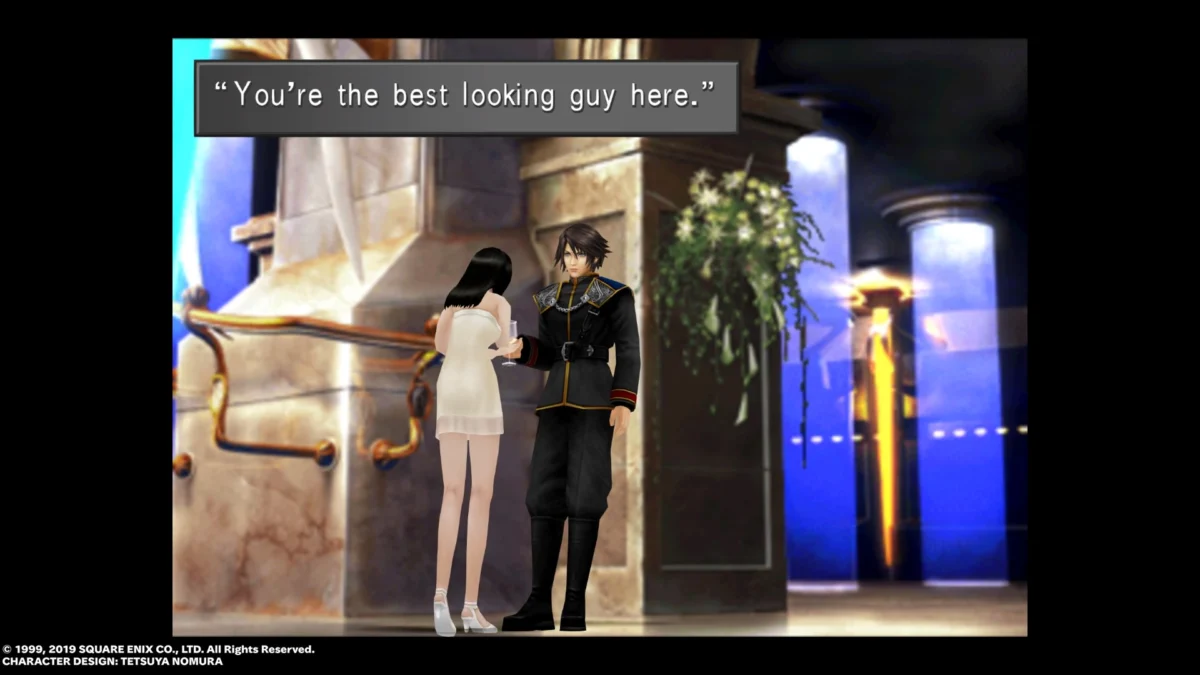
More than a quarter-century after its initial release, Final Fantasy VIII remains a polarizing yet profoundly influential pillar of the Square Enix canon. While critics and fans often debate the merits of its junction system and its experimental narrative, one element stands as an undisputed triumph: Nobuo Uematsu’s magnum opus, the Final Fantasy VIII Original Soundtrack.
To revisit this score is to revisit the very soul of the PlayStation era’s ambition. It is a work of immense scope—a four-disc collection that serves not merely as background noise, but as a structural pillar for the game’s themes of militarism, temporal displacement, and, most importantly, the enduring nature of love.
The Architectural Foundation of a Soundtrack
At its core, the Final Fantasy VIII soundtrack represents a pivot in video game composition. Following the success of Final Fantasy VII, Uematsu was tasked with matching a more realistic, grounded art direction with a soundscape that felt appropriately cinematic.
The soundtrack serves as the connective tissue for a narrative that frequently defies convention. By blending orchestral grandiosity with synth-driven beats, Uematsu bridged the gap between the chiptune-inspired melodies of the early series and the modern, high-fidelity compositions of today. The result is a score that feels both timeless and distinctly rooted in the late 90s aesthetic of military-industrial fantasy.
The Opening Salvo: "Liberi Fatali"
One cannot discuss the excellence of this soundtrack without addressing its opening act, "Liberi Fatali." Decades later, it remains perhaps the most iconic opening in the franchise’s history.
The track serves as a bold declaration of intent. Eschewing the traditional, heroic fanfares of earlier titles, "Liberi Fatali" utilizes haunting, fake-Latin vocals and a driving, percussion-heavy rhythm to establish a tone of dark, impending drama. It perfectly mirrors the shift in the game’s visual language: from the whimsical mysticism of previous entries to a world defined by the harsh realities of Balamb Garden’s military academy and the shadow of the Sorceress. It is a masterclass in tonal setting, proving that a video game introduction could command the same gravitas as a Hollywood blockbuster.
A Journey Through the Four Discs: From Garden to Eternity
The sheer breadth of the four-disc soundtrack allows for an extraordinary amount of variety. The score is carefully curated to reflect the player’s journey, alternating between the meditative and the bombastic.
The Meditative and the Atmospheric
Tracks like "Balamb Garden" have become synonymous with the experience of the game itself. It is a piece that glides through the speakers with a sense of "home," balancing the institutional rigidity of a military school with a chill, almost elevator-music-like ease. This ability to capture mundane, quiet moments—such as in "Breezy" (Balamb Town) or the map theme "Blue Fields"—is where Uematsu shines.
However, the complexity of the arrangements is what separates this soundtrack from its contemporaries. "Fisherman’s Horizon," a fan-favorite, showcases a delicate layering of instruments that feels organic and deeply melancholy. Similarly, "Find Your Way" provides a dungeon-crawling experience that feels genuinely mystical, serving as a spiritual successor to the "Chaos Shrine" of Final Fantasy I while pushing into deeper, more ethereal sonic territories.
The Rhythms of War
The battle themes of Final Fantasy VIII are arguably the gold standard for the franchise. "Don’t Be Afraid" provides a high-tempo, adrenaline-fueled backdrop for standard encounters, featuring a rhythmic urgency that likely influenced later titles like Final Fantasy XVI.
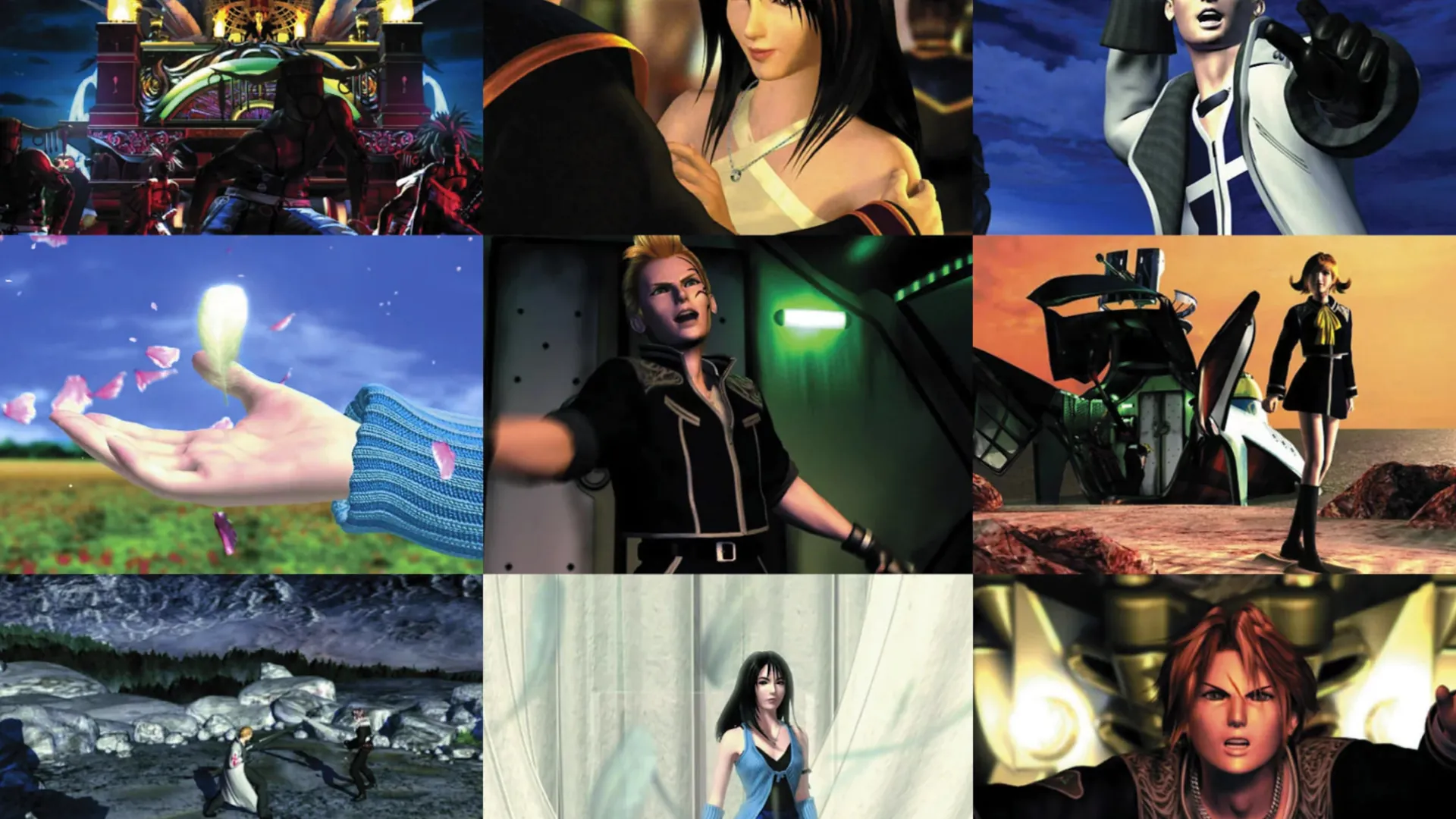
The standout, however, remains the Laguna-exclusive "The Man With The Machine Gun." With its fusion of catchy, high-energy electronics and a relentless, driving beat, it remains one of the most beloved battle themes in the entire series. When paired with the boss theme "Force Your Way," it becomes clear that Uematsu was pushing the PlayStation hardware to its absolute limit, creating tracks that felt like they were actively urging the player forward.
The Narrative of Love: Julia, Eyes on Me, and Beyond
If the battles provide the pulse, the themes of love provide the heart. Final Fantasy VIII is fundamentally a story about connection across time and space, and the music reflects this through its most tender moments.
"Julia," a piano-led composition, captures the fragility of the past, while "Love Grows" serves as the melodic embodiment of the game’s central romance. Of course, the inclusion of "Eyes On Me"—the first major vocal ballad in a Final Fantasy game—marked a transformative moment for the series. With its sweeping strings and intimate delivery, it established a template for the "love song" trope that would be imitated for years to come. The song is not just a track; it is a narrative plot point, woven into the lore of the world, providing a rare sense of cohesion between gameplay and musical storytelling.
Critical Analysis: Where the Score Falters
While the Final Fantasy VIII soundtrack is undeniably top-tier, it is not without its minor imperfections. In a collection of such immense size, it is perhaps inevitable that some tracks fail to land with the same impact as the marquee pieces.
Tracks like "Fear" and "Unrest" occasionally suffer from a lack of dynamism. "Fear," despite its title, often feels disconnected from the tension it is meant to evoke, coming across as somewhat monotonous. "Cactus Jack," while intentionally quirky, can lean into shrill territory, feeling more like a sonic experiment that didn’t quite achieve its goal. These moments, however, are few and far between, serving only as minor footnotes in an otherwise expansive and successful body of work.
The Legacy of the Shuffle: A Cultural Phenomenon
No discussion of this OST would be complete without mentioning the infamous "Shuffle or Boogie." For millions of players, this track is the soundtrack to their most intense hours of the Triple Triad card game. Its catchy, loop-heavy melody has been burned into the collective consciousness of the fanbase. It is a testament to the quality of the composition that even after hearing it hundreds of times during a single playthrough, the track remains endearing rather than irritating—a rare feat for a repetitive game-mechanic theme.
Implications for the Future of Video Game Music
Looking back, the Final Fantasy VIII soundtrack represents a clear inflection point. It took the inspiration of the 8-bit and 16-bit eras and expanded the canvas, proving that video game music could be complex, orchestral, and deeply emotional.
The influence of this score on the industry cannot be overstated. It set the stage for the more narrative-driven, cinematically synced scores of the modern era. By the time the game reaches its dramatic, bombastic conclusion on the fourth disc—with tracks like "Maybe I’m A Lion"—the player is left with the distinct impression that they haven’t just played a game; they have participated in a symphony.
Despite some small missteps, the Final Fantasy VIII Original Soundtrack remains an essential listen. It is a treasure trove of melody, a hallmark of the series’ golden age, and a reminder that when music and narrative are in perfect harmony, the result is nothing short of legendary. Over 25 years later, the music of Final Fantasy VIII continues to resonate, proving that while times change, the power of a great score is truly timeless.












No comments yet. Be the first to join the conversation!