

By [Your Name/Journalism Desk]
May 20, 2026
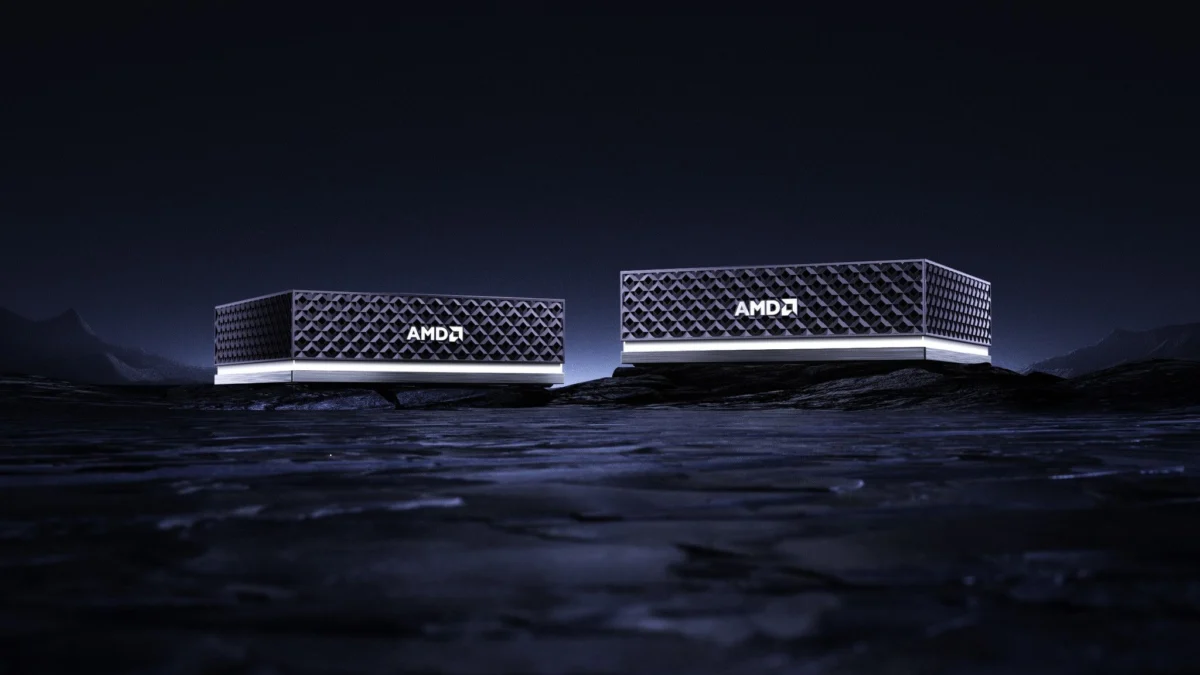
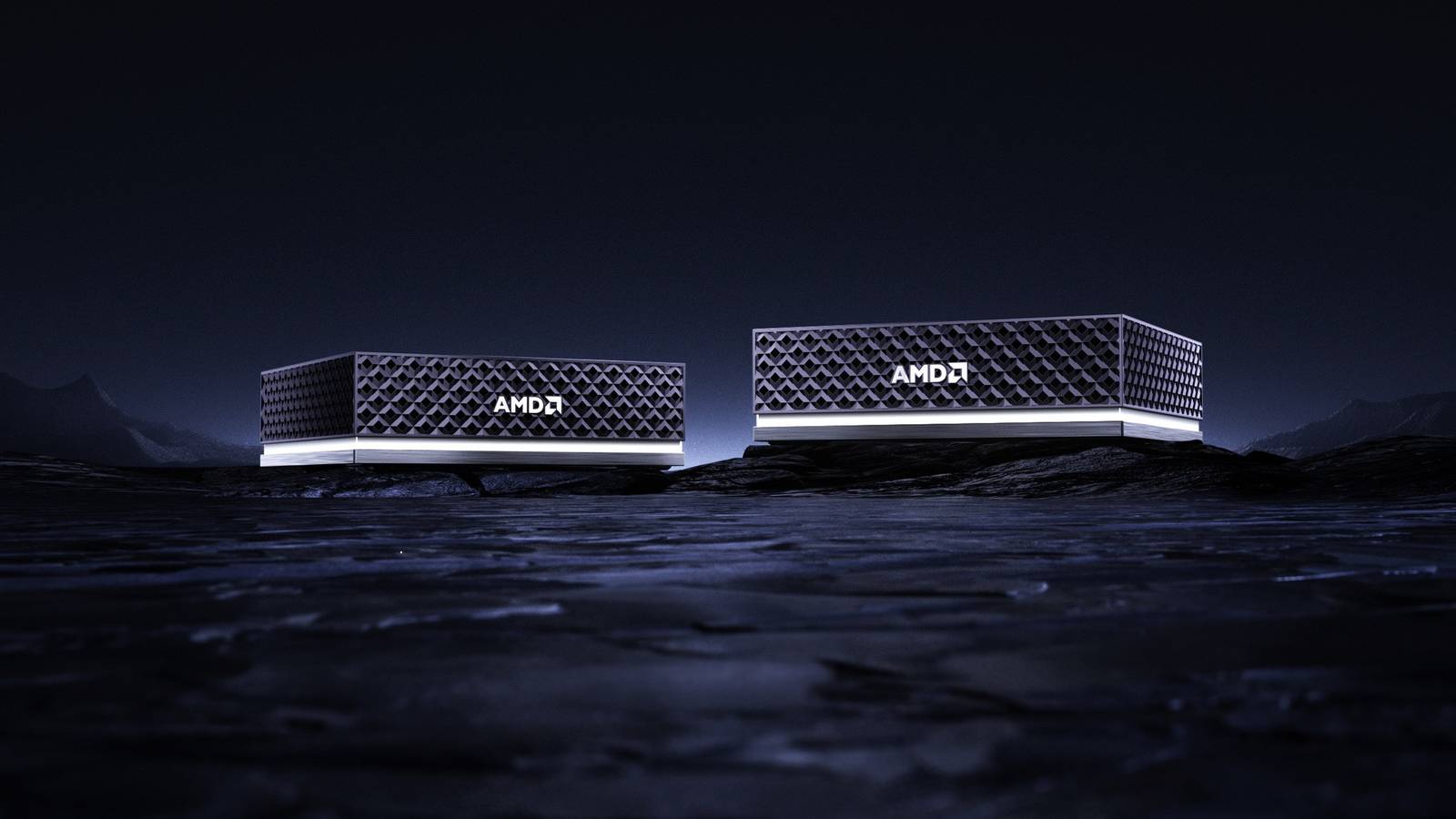
In a bold move that signals a paradigm shift for the workstation landscape, AMD has officially unveiled the Ryzen AI Halo developer platform. This high-performance mini-PC ecosystem, built upon the cutting-edge Ryzen AI Max 300-series processors, is designed to shatter the limitations typically associated with compact computing. By prioritizing massive unified memory pools and dedicated NPU throughput, AMD is positioning itself to capture the rapidly growing segment of developers and prosumers who require local, high-fidelity AI capabilities without the latency or privacy trade-offs of cloud-based infrastructure.
Main Facts: Redefining the Compact Workstation
The Ryzen AI Halo is not a consumer-grade mini-PC designed for casual gaming or living room media streaming. It is an industrial-strength tool designed to handle the rigorous demands of Large Language Model (LLM) training, fine-tuning, and inference.
At its heart lies the AMD Ryzen AI Max+ 395, a processor that has already earned accolades for its sheer computational density. Featuring 16 physical cores, 32 threads, and a boost clock speed of 5.1 GHz, the 395 is bolstered by 80 MB of cache and the potent Radeon 8060S integrated graphics. However, the true differentiator is the integrated Neural Processing Unit (NPU), which delivers a staggering 650 TOPS (trillions of operations per second).
When paired with 128 GB of unified memory in the base model, the platform creates a sandbox for developers that was previously exclusive to high-end, multi-GPU rack servers. The ability to load models with parameters exceeding 100B—a feat that often throttles even high-end desktop GPUs with limited VRAM—positions the Halo as a disruptive force in the local AI market.
Chronology: The Road to the Halo Platform
The announcement of the Ryzen AI Halo marks the culmination of a multi-year pivot by AMD toward AI-centric architectures.
- Early 2025: AMD began teasing its "Strix Halo" architecture, emphasizing the integration of high-bandwidth memory and massive NPU throughput in mobile and compact form factors.
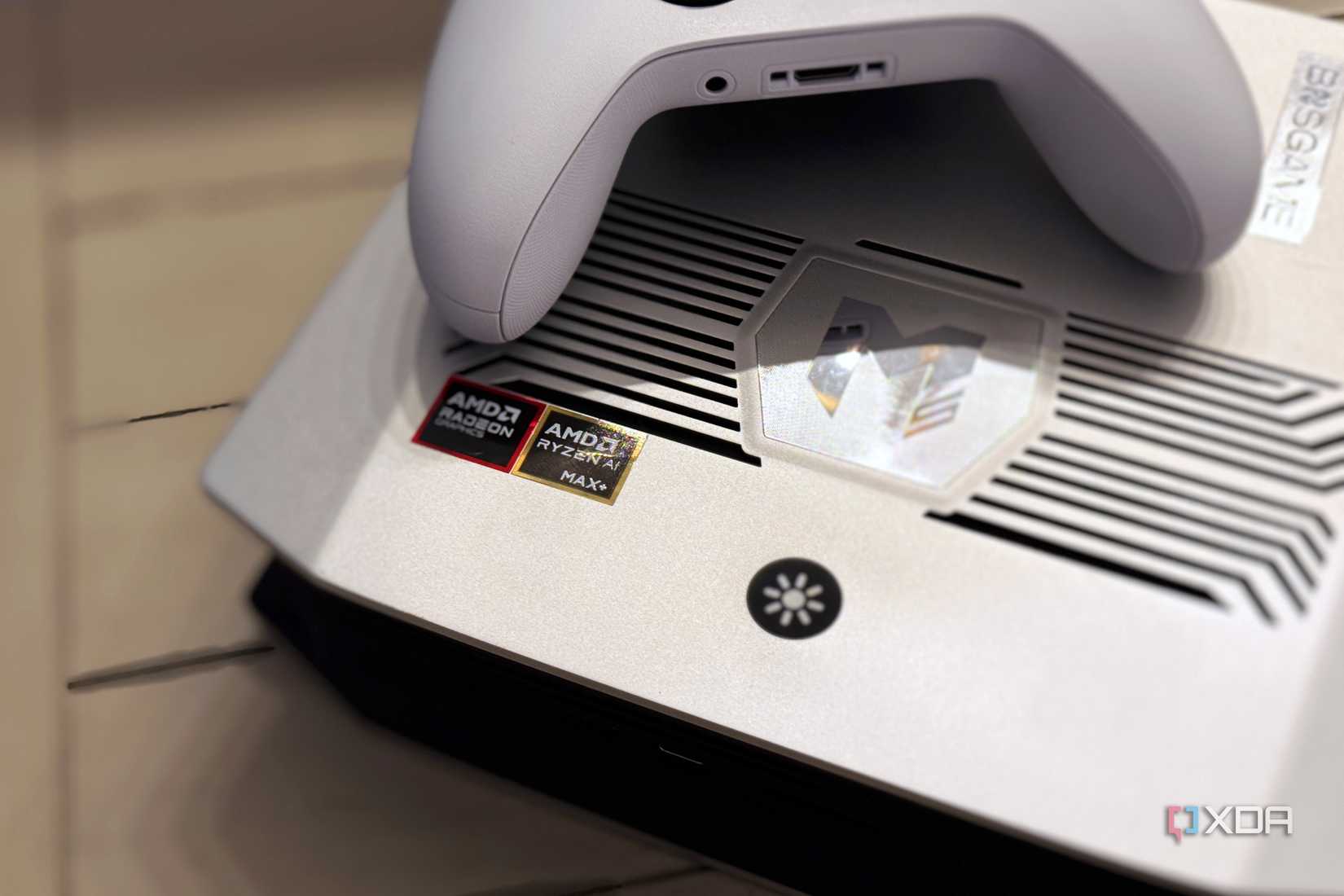
- September 2025: Initial prototypes, such as the Bosgame M5, surfaced in industry leaks, hinting at the potential for mobile processors to outperform traditional desktop setups in specific AI workloads.
- Q1 2026: AMD refined its software stack, focusing on deep integration with ROCm (Radeon Open Compute) and expanding support for major machine learning frameworks like PyTorch and TensorFlow.
- May 2026: Official announcement of the Ryzen AI Halo platform availability, with pre-orders scheduled for June 2026.
- Late 2026 (Projected): Rollout of the Ryzen AI Max PRO 400-series chips, which will push the memory ceiling to 192 GB and introduce even more efficient Zen 5 architecture.
Supporting Data: Technical Specifications and Performance
The technical prowess of the Ryzen AI Halo platform is best understood through its architectural synergy. By utilizing unified memory, the platform eliminates the bottleneck of moving data between system RAM and discrete GPU VRAM.
Comparative Hardware Specifications
| Component | Max+ 395 | Max+ PRO 495 | Max PRO 490 | Max PRO 485 |
|---|---|---|---|---|
| Cores/Threads | 16/32 | 16/32 | 12/24 | 8/16 |
| CPU Clock | 5.1 GHz | 5.1 GHz | 5.0 GHz | 5.0 GHz |
| Cache | 80 MB | 80 MB | 76 MB | 40 MB |
| GPU (CUs) | 40 (8060S) | 40 (8065S) | 32 (8050S) | 32 (8050S) |
| RAM | 128 GB | 192 GB | 192 GB | 192 GB |
| NPU (TOPS) | 50* | 55 | 50 | 50 |
*Note: While the 395 processor supports massive TOPS, the system-level optimization for the Halo platform is specifically tuned for sustained enterprise workflows.
The economic efficiency of this setup is equally compelling. With a maximum Thermal Design Power (TDP) of 150W, the system is remarkably power-efficient. In environments where electricity costs average $0.15 per kWh, running this machine 24/7 as a dedicated AI node costs approximately $16 per month—a negligible expense when contrasted against the recurring subscription fees for enterprise-grade cloud AI instances.
Official Responses and Strategic Positioning
AMD’s executive team has made it clear that the Ryzen AI Halo is a direct challenge to the current dominance of Nvidia’s developer hardware, specifically the DGX Spark.

"We are not looking to build a desktop toy; we are building an AI laboratory that fits in a backpack," said a spokesperson during the unveiling. AMD has highlighted that while Nvidia’s DGX Spark is a capable machine, it remains tethered to specific Linux environments and lacks the heterogeneous compute balance provided by a high-end, NPU-integrated x86 chip.
Furthermore, AMD is emphasizing the "out-of-the-box" experience. The platform ships with a pre-configured software stack, including the Ryzen AI Developer Center. This suite includes preloaded models, guided playbooks, and optimized drivers that ensure developers can go from "unboxing" to "inferencing" in a fraction of the time required to configure a custom multi-GPU desktop build.
Implications: The Death of the "Cloud-Only" Paradigm
The arrival of the Ryzen AI Halo signals a significant shift in how artificial intelligence is developed and deployed.
1. Democratization of High-End AI
For years, the ability to run "Large" models (those with 70B+ parameters) was restricted to companies with massive budgets for cloud infrastructure or complex, heat-generating server racks. By lowering the barrier to entry to a $3,999 device, AMD is enabling smaller startups and individual researchers to experiment with, fine-tune, and deploy state-of-the-art models without needing to lease server time from AWS, Azure, or Google Cloud.
2. Privacy and Data Sovereignty
As businesses grow increasingly wary of feeding sensitive proprietary data into public LLMs, the "Local AI" movement has gained momentum. The Halo platform provides the hardware necessary to keep data behind a physical firewall. For industries like legal, medical, or defense, the capability to run a 300B parameter model locally without data ever leaving the premises is a game-changer.
3. The Future of Home Labs
We are witnessing a quiet revolution in home labs. As noted by industry observers, mini-PC clusters are replacing traditional rack servers. They are quieter, cooler, and significantly more power-efficient. With the Ryzen AI Halo, an enthusiast can now build a home cluster that rivals the capabilities of small data centers from half a decade ago.
4. Competitive Pressure on Nvidia
While Nvidia remains the king of the datacenter, AMD’s focus on the "client" side of AI—the devices that actually live on desks—is a strategic masterstroke. By leveraging their XDNA 2 NPUs and the RDNA 3.5 graphics architecture, AMD is betting that the future of AI isn’t just in the cloud, but on the edge. If the 400-series chips successfully deliver on the promise of running 300B models on a mobile architecture, Nvidia will find its mid-tier workstation market under intense pressure.
Conclusion
The AMD Ryzen AI Halo represents a "line in the sand." It is an admission that the current reliance on cloud-only AI is unsustainable, both in terms of cost and privacy. While the $3,999 price tag may deter casual users, it is a highly competitive entry point for the professional developer market.
As we look toward the launch of the 400-series later this year, the industry should expect further refinement. AMD has proven that it is no longer just chasing performance in gaming or traditional productivity; it is aggressively building the infrastructure for the next generation of localized artificial intelligence. Whether you are a researcher looking to fine-tune a model on your own terms or an enterprise looking to cut cloud costs, the Halo platform is the most significant development in workstation hardware this year.












No comments yet. Be the first to join the conversation!