

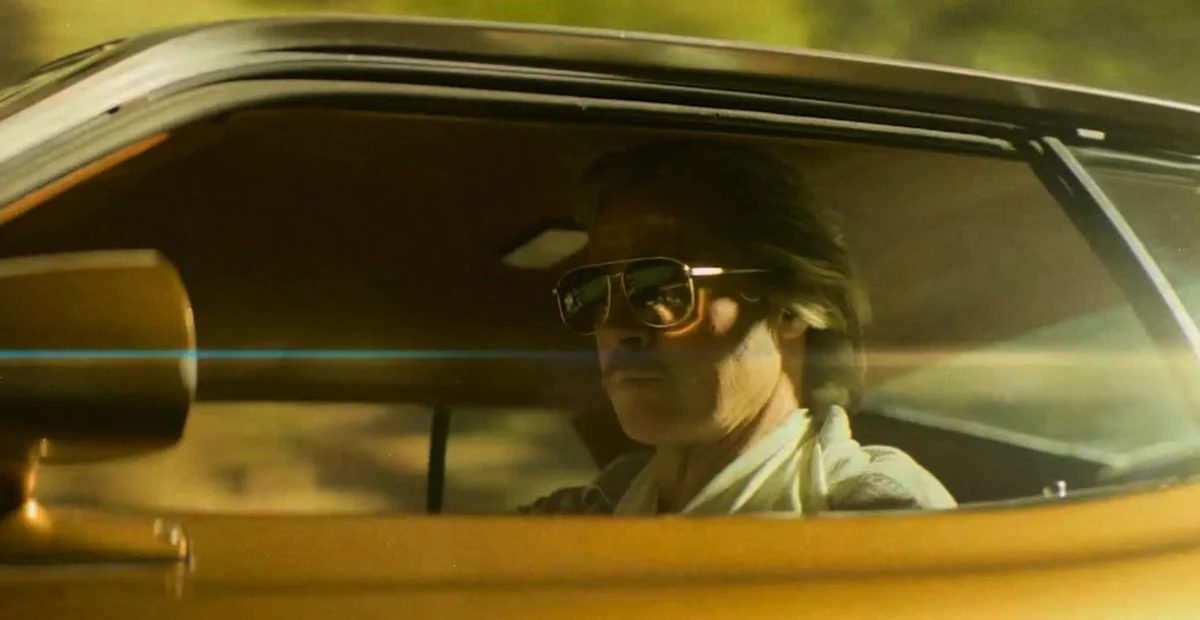
HOLLYWOOD, CA – May 20, 2026 – In a development that has sent seismic waves through the global film industry and ignited fervent anticipation among cinephiles, Netflix has officially confirmed a groundbreaking collaboration between two of contemporary cinema’s most revered and distinct auteurs: David Fincher and Quentin Tarantino. Their joint venture, "The Adventures of Cliff Booth," a much-anticipated sequel to Tarantino’s critically acclaimed 2019 film "Once Upon a Time in Hollywood," is slated for an exclusive two-week IMAX theatrical run beginning November 25, 2026, before its global streaming debut on Netflix on December 23, 2026.
This announcement, first made on Wednesday, May 20, 2026, by the streaming giant, marks an astonishing confluence of talent that many had dismissed as a mere fantasy. The prospect of Fincher, known for his meticulous, often dark, and digitally precise filmmaking, directing a script penned by Tarantino, celebrated for his verbose, genre-blending, and celluloid-reverent style, has been described as "mind-boggling" by industry insiders. Brad Pitt is set to reprise his Academy Award-winning role as Cliff Booth, plunging the character into the grittier, more cynical Hollywood landscape of 1977.
The hybrid release strategy itself is a testament to the film’s perceived prestige and Netflix’s evolving approach to its high-profile original content. Granting a significant theatrical window, especially on premium IMAX screens, signals a profound confidence in the film’s artistic merit and commercial appeal, positioning it as a major player in the year-end awards season.
The Main Facts: A Dream Collaboration Becomes Reality
The core revelation is undeniably the partnership itself: David Fincher, the visionary behind classics like "Seven," "Fight Club," and "The Social Network," helming a screenplay by Quentin Tarantino, the master craftsman of "Pulp Fiction," "Kill Bill," and "Once Upon a Time in Hollywood." This pairing of directorial titans, each with an instantly recognizable and fiercely individual cinematic voice, has long been the stuff of fan speculation and industry whispers, now materializing into a tangible project.
"The Adventures of Cliff Booth" picks up eight years after the events of "Once Upon a Time in Hollywood," transporting audiences from the sun-drenched, nostalgic glow of 1969 to the more jaded and chaotic backdrop of 1977. Brad Pitt returns as Cliff Booth, the laconic, philosophical stuntman whose enigmatic past and unshakeable loyalty formed the emotional core of the previous film. His character, a blend of rugged charm and latent danger, became an instant icon, leaving audiences eager for more of his exploits. The sequel promises to explore new facets of this intriguing persona amidst a changing cultural and cinematic landscape.
The release strategy is equally significant. Netflix’s decision to grant the film an exclusive two-week IMAX window from November 25 to December 9, followed by its streaming premiere on December 23, is a calculated move. This allows the film to capitalize on the immersive large-format experience, generating critical buzz and potentially bolstering its awards-season credentials, before making it accessible to Netflix’s vast global subscriber base. It’s a bold statement in an era where the lines between theatrical and streaming releases continue to blur, highlighting the film’s importance within Netflix’s ambitious content slate.
Chronology of a Hollywood Revelation: From Rumors to IMAX Screens
The journey of "The Adventures of Cliff Booth" from an improbable concept to a tangible cinematic event is a fascinating narrative in itself, reflecting Hollywood’s ever-shifting landscape and the evolving strategies of streaming giants.
The idea of a sequel to "Once Upon a Time in Hollywood," particularly one focusing on Cliff Booth, has been a topic of discussion since the original film’s release in 2019. Tarantino himself had playfully hinted at various spin-offs and expanded universe concepts for his characters, though a direct sequel remained largely speculative. The notion of David Fincher, a director known for his original, meticulously crafted narratives, taking on a project derived from another auteur’s established universe seemed, at best, a long shot, and at worst, pure fan fiction. Fincher typically develops his projects from the ground up, often adapting literary works or crafting original stories with frequent collaborators. The idea of him stepping into Tarantino’s specific tonal sandbox was an unexpected turn.
Rumors of a potential collaboration between Fincher and Tarantino began circulating more earnestly in late 2024, albeit vaguely and often dismissed as industry gossip. The murmurs gained substantial traction in early 2025 when whispers suggested a major director was attached to a high-profile Netflix project with a Tarantino script. However, the official confirmation remained elusive, fueling a potent mix of excitement and skepticism among film enthusiasts.
The first concrete, public confirmation arrived in February 2026, when a teaser trailer for "The Adventures of Cliff Booth" surprisingly dropped during Super Bowl LX. The high-profile placement during one of the year’s most-watched events instantly validated the project, showcasing glimpses of Brad Pitt’s return and hinting at the film’s 1977 setting and grittier aesthetic. While the teaser didn’t explicitly name Fincher as the director, its distinct visual style, characterized by a dark sheen and precise framing, strongly suggested his involvement, setting the internet ablaze with speculation.
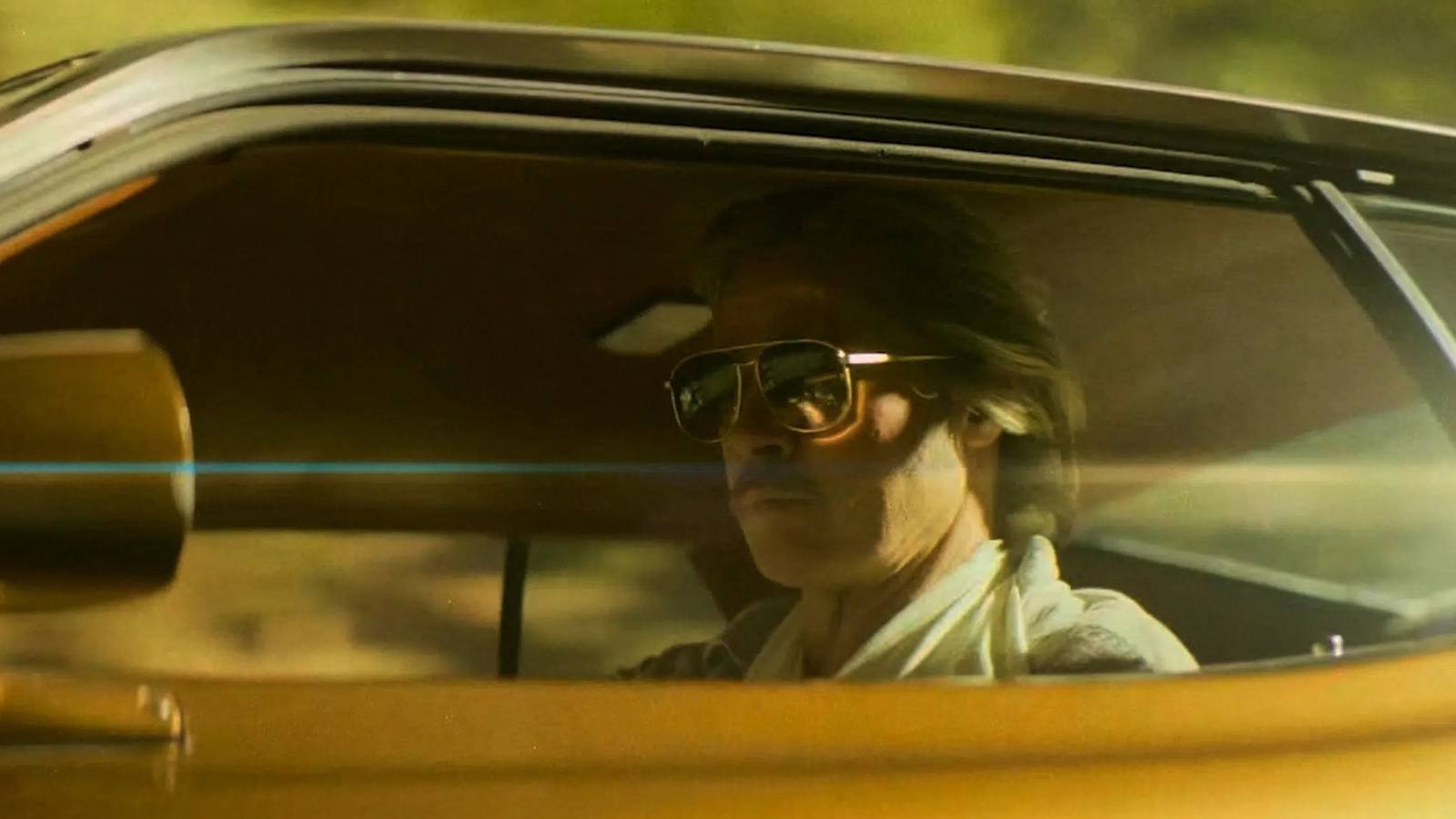
The IMAX component of the release strategy also has its own intriguing backstory. It was initially understood that Netflix had reserved these coveted premium screens for Greta Gerwig’s highly anticipated "Narnia" adaptation. However, when Gerwig’s project shifted its release date to 2027, it left a sudden and significant opening in the late 2026 IMAX calendar. Netflix, recognizing the unique opportunity to elevate "The Adventures of Cliff Booth" to a premium cinematic experience, swiftly moved to fill the void. This strategic pivot ensures that while other tentpole films like "Dune 3" and "Avengers: Doomsday" might be vying for large-format screens in December, the Thanksgiving period will be exclusively dominated by this unprecedented collaboration, giving it a unique competitive advantage in a crowded market. The decision underscores Netflix’s growing willingness to invest in and experiment with traditional theatrical exhibition for its most prestigious offerings, particularly when it serves to enhance their critical and cultural impact.
Supporting Data: A Deep Dive into Creative Synergy and Talent
The strength of "The Adventures of Cliff Booth" extends beyond its headline-grabbing directorial and writing credits. A robust supporting cast and a seasoned creative team behind the camera further solidify its promise as a cinematic event.
The Ensemble Cast:
Joining Brad Pitt are an impressive array of talents, each capable of bringing depth and nuance to Fincher’s meticulous vision. Elizabeth Debicki, known for her commanding presence in films like "Tenet" and "The Crown," is a particularly exciting addition, suggesting a role of significant gravitas. Scott Caan, a veteran of numerous crime dramas and action films, brings a rugged authenticity. Carla Gugino, a frequent Fincher collaborator (having worked with him on "Watchmen" and "Gerald’s Game"), offers a familiar, reliable presence. Yahya Abdul-Mateen II, whose star has been rapidly rising with roles in "Candyman" and "The Matrix Resurrections," adds another layer of dynamic talent. Peter Weller, an iconic figure from classic sci-fi films like "RoboCop," promises a captivating performance, potentially lending a gravitas that harks back to the era the film portrays. And Karren Karagulian, the standout from Sean Baker’s indie hit "Anora," represents Fincher’s knack for casting compelling, often lesser-known, actors who can deliver powerful performances. The diversity and caliber of this ensemble suggest a rich tapestry of characters for Cliff Booth to interact with in the turbulent 1977 setting.
Behind the Camera: A Fincherian Dream Team:
Fincher has assembled a crew that includes several of his trusted collaborators, ensuring the film maintains his signature aesthetic while integrating Tarantino’s narrative flair. Erik Messerschmidt, who earned an Academy Award for his stunning cinematography in Fincher’s "Mank" and later shot "The Killer," returns as Director of Photography. Messerschmidt is lauded for his precise lighting, sophisticated camera movement, and ability to craft distinctive visual textures. His expertise in creating "fake film grain," a technique Fincher has employed to evoke period authenticity in digital productions, is particularly relevant here. This approach will be crucial in balancing Fincher’s digital mastery with Tarantino’s known affinity for celluloid and the nostalgic feel of "Once Upon a Time in Hollywood."
Production designer Donald Graham Burt, another long-standing Fincher collaborator (with credits including "The Curious Case of Benjamin Button," "The Social Network," and "Mank"), is also on board. Burt’s ability to meticulously reconstruct historical periods and create immersive environments will be vital in bringing the gritty, post-glamour 1977 Hollywood to life. His task will be to carry the torch from the vibrant, sun-drenched vision of 1969 established in "Once Upon a Time in Hollywood" and translate it into a darker, perhaps more jaded, but equally authentic 1977, maintaining a sense of continuity while introducing new visual themes.
Precedents for Success: Collaborative History:
The idea of two strong creative voices merging, while challenging, is not without successful precedents. Fincher himself has a remarkable track record of elevating powerful writers’ material. His collaboration with Aaron Sorkin on "The Social Network" is a prime example. Sorkin’s rapid-fire, dialogue-heavy script was masterfully translated to screen by Fincher, who employed dynamic pacing, visual metaphors, and a keen sense of atmosphere to prevent the film from becoming a mere talking-head drama. Fincher’s direction amplified Sorkin’s narrative, resulting in a film widely considered a modern masterpiece. This experience suggests Fincher possesses the unique skill set to interpret and enhance Tarantino’s distinctive dialogue and narrative structure without diluting its essence.
Conversely, Tarantino, despite his reputation as a singular vision, has demonstrated a willingness to let other directors interpret his work. His 1993 screenplay for "True Romance," directed by Tony Scott, stands as a testament to this. Tarantino was reportedly "more than happy" to let Scott infuse the script with his own hyper-stylized, action-oriented aesthetic, resulting in a film that, while undeniably bearing Tarantino’s fingerprints in its dialogue and characterizations, also carries Scott’s signature visual flair. This precedent indicates that Tarantino is capable of stepping back from the director’s chair and trusting another filmmaker with his material, which is crucial for the success of "The Adventures of Cliff Booth."
The Super Bowl LX teaser trailer, while brief, offered tantalizing clues. It showcased a distinctly Fincherian visual palette—darker, more saturated, with precise compositions—but crucially, it retained the inherent "Tarantino-ness" of the world. The dialogue snippets, the character interactions, and the underlying sense of a lived-in, slightly off-kilter reality all pointed to a successful marriage of styles. The film truly has the potential to be, as one critic quipped, the "pickles and peanut butter" of 2026 moviegoing—an unexpected, perhaps strange, but potentially delightful and unforgettable combination.
Official Responses and Industry Buzz: A New Benchmark for Streaming Originals
While direct quotes from Fincher or Tarantino regarding their specific creative process on this film have been scarce, the very existence of "The Adventures of Cliff Booth" and its high-profile release strategy serve as a resounding "official response" from Netflix and the filmmakers themselves. It’s a declaration of artistic ambition and a strategic play in the ongoing evolution of film distribution.
Netflix’s Strategic Imperative:
For Netflix, this project is a significant coup. It positions the streaming giant not just as a platform for quantity, but as a serious contender for prestige and quality, capable of attracting and uniting top-tier talent. By securing two of the most influential filmmakers of the last three decades, Netflix sends a clear message to Hollywood and its competitors. The hybrid IMAX-then-streaming model further underscores this. It’s an acknowledgment that for certain event films, the theatrical experience still holds immense value, particularly for generating critical acclaim, awards buzz, and cultural impact that can drive subscriber acquisition and retention. This strategy demonstrates Netflix’s agility and willingness to adapt its distribution model to suit the artistic and commercial needs of its most significant projects. It’s a direct response to past criticisms that its films often "disappear" without a proper theatrical window, hindering their chances at major awards.

Industry Reactions and Speculation:
The industry has reacted with a mix of awe and analytical curiosity. Many see this as a potential game-changer for how "original" films from streaming services are perceived and released. Veteran producers and studio executives are closely watching to see if this hybrid model can effectively bridge the gap between traditional theatrical exhibition and the burgeoning streaming landscape. The conversation often revolves around the implications for awards season. A strong IMAX run could provide the narrative and momentum needed to propel "The Adventures of Cliff Booth" into contention for major accolades, including the Academy Awards, positioning it as a frontrunner in several categories.
Film critics and commentators have been quick to dissect the implications of the Fincher-Tarantino dynamic. There’s a palpable excitement about the potential for creative friction and synergy. Will Fincher’s rigorous control complement Tarantino’s sprawling narrative, or will one’s style inevitably overshadow the other? The prevailing sentiment, especially after the Super Bowl teaser, leans towards an optimistic synthesis—a belief that both masters are too self-aware and skilled to allow their individual voices to clash detrimentally. Instead, the hope is for a unique alchemy that could redefine contemporary cinematic collaboration.
The timing of the release, strategically placed at the end of the year, also speaks volumes. It’s a prime awards corridor, designed to maximize visibility and critical engagement. The two-week IMAX window allows for word-of-mouth to build, for critics to weigh in with their initial assessments, and for the film to establish its presence before becoming widely accessible to millions of Netflix subscribers. This phased approach is a sophisticated evolution of the "limited release" strategy traditionally employed for awards hopefuls, tailored for the digital age.
Implications: Shaping the Future of Film and Filmmaking
"The Adventures of Cliff Booth" is more than just a highly anticipated sequel; it is a cultural and industrial touchstone with far-reaching implications for the future of filmmaking, distribution, and the legacies of its creators.
For Netflix and the Streaming Wars:
This film represents a significant escalation in Netflix’s strategy to solidify its position as a home for cinematic excellence. By attracting talent of Fincher and Tarantino’s caliber, and by offering a hybrid release that respects both theatrical and streaming experiences, Netflix is actively challenging the perception that streaming originals are somehow lesser than traditional studio productions. If "The Adventures of Cliff Booth" is both a critical darling and a subscriber magnet, it could set a new benchmark for how major streaming platforms approach their most prestigious projects, potentially influencing rivals like Max, Amazon Prime Video, and Apple TV+ to adopt similar hybrid models for their high-profile releases. It signals a maturation of the streaming landscape, where quality and artistic integrity are increasingly prioritized alongside sheer volume.
The Future of Theatrical Distribution:
The IMAX-first strategy for a Netflix film underscores a fascinating shift in the theatrical vs. streaming debate. It suggests a growing understanding that the two are not mutually exclusive but can, in fact, be complementary. For event-level cinema, the communal, immersive experience of a large screen remains unparalleled. Netflix’s move indicates a recognition of the value of this experience in generating buzz, prestige, and ultimately, driving viewership. This could lead to more nuanced release strategies across the industry, with tailored windows and formats depending on the nature and ambition of individual films, rather than a one-size-fits-all approach. It offers a potential olive branch to exhibitors who have long advocated for maintaining theatrical windows.
Filmmaker Autonomy and Creative Freedom:
For Fincher and Tarantino, this collaboration on a Netflix platform likely offers an unparalleled degree of creative freedom. Streaming services, often less beholden to traditional box office pressures and studio interference, can provide directors with larger budgets and more control over their artistic vision. This project could serve as a powerful example for other visionary filmmakers, demonstrating that the future of auteur-driven cinema might increasingly lie in partnerships with streaming platforms that are willing to invest heavily in unique, uncompromising storytelling, even if it means unorthodox distribution. The ability to unite two such powerful, distinct voices under one banner is a testament to this evolving landscape.
Awards Season Dynamics:
"The Adventures of Cliff Booth" immediately enters the awards season conversation as a formidable contender. The combined track record of Fincher (multiple Oscar nominations, Best Director for "The Social Network" among others) and Tarantino (multiple Oscars for Best Original Screenplay, Best Director nominations) ensures that the film will be on every academy voter’s radar. The performances, particularly Brad Pitt’s return, and the technical craftsmanship, with Messerschmidt and Burt, position it for nominations in acting, directing, screenplay, cinematography, production design, and potentially Best Picture. The IMAX release will provide the necessary critical momentum and public visibility to fuel its awards campaign.
Legacy and Artistic Innovation:
Finally, this film holds significant implications for the legacies of both Fincher and Tarantino. For Fincher, it represents a bold departure into another auteur’s established universe, challenging him to adapt his precise vision to a pre-existing narrative framework. For Tarantino, it marks a rare instance of another director interpreting his written word, offering a unique opportunity to see his characters and world through a different, yet equally masterful, lens. This collaboration could be seen as an act of artistic daring and mutual respect, pushing the boundaries of what is possible in contemporary cinema. It stands poised to be a landmark film, not just for its inherent quality, but for its innovative approach to storytelling, collaboration, and distribution, potentially reshaping expectations for high-caliber cinematic content for years to come.
The anticipation for "The Adventures of Cliff Booth" is palpable, not merely as a sequel to a beloved film, but as an extraordinary cinematic experiment. The union of Fincher and Tarantino, coupled with Netflix’s pioneering release strategy, promises a film that will be scrutinized, celebrated, and discussed for its artistic merit and its profound implications for the future of the industry. As November 25 approaches, all eyes will be on this mind-boggling, yet utterly thrilling, new chapter in Hollywood storytelling.











No comments yet. Be the first to join the conversation!