For decades, video games have been dismissed by some as mere interactive toys, yet for millions, they serve as a foundational musical education. From the humble, synthesized chirps of 8-bit cartridges to the sweeping, multi-layered orchestral scores of modern AAA titles, video game music (VGM) has evolved into a sophisticated art form. It is a medium that does more than just accompany gameplay; it embeds itself into our collective consciousness, serving as the soundtrack to our formative years.
The Genesis of a Lifelong Obsession
The journey into video game music often begins in early childhood. Many players share the experience of sitting in front of a console, eyes glued to a CRT television, absorbing the atmosphere long before they understand the technical complexity of what they are hearing. For many, this was the first exposure to complex musical composition outside of the radio or their parents’ record collections.
This early engagement is rarely passive. Unlike film, where the audience is a detached observer, the player is an active participant. When the music changes during a boss fight or a tense exploration sequence, it isn’t just background noise; it is a signal of danger, progress, or victory. This deep, symbiotic relationship between action and audio creates a "Pavlovian" response—a permanent, emotional association between specific melodic motifs and personal memories of overcoming challenges.
A Chronological Evolution: From Beeps to Symphonies
To understand the power of VGM, one must look at its rapid technological progression.
The Era of Constraints (1980s – Early 90s)
In the era of the Sega Mega Drive and the NES, composers were forced to work within the confines of limited sound channels. This era produced the "earworm"—melodies that had to be catchy enough to be memorable despite the primitive sound hardware. These composers were masters of minimalism, using repetition and sharp, high-frequency loops to create tension.
The CD Revolution (Mid 90s – Early 2000s)
The shift to CD-ROM technology changed everything. Suddenly, games like Final Fantasy VII and Killer Instinct could feature high-fidelity audio, including pre-recorded guitar riffs, orchestral swells, and even vocal tracks. This was a "formative" moment for many gamers. The shift from synthesized MIDI to actual instrument sampling marked the moment video game music transitioned from "chiptune" to a legitimate genre of contemporary music.
The Modern Masterpiece (2010s – Present)
Today, we exist in an era where game soundtracks regularly top the Billboard charts. Composers like Mick Gordon (DOOM), Lena Raine (Celeste), and Nobuo Uematsu (Final Fantasy) are treated with the same reverence as film score legends like Hans Zimmer or John Williams. The music is now adaptive, shifting in real-time based on the player’s performance, creating a unique musical experience for every individual.
Supporting Data: Why We Remember the Music
Psychological studies into memory and music suggest that the brain creates stronger neural pathways when an audio stimulus is paired with a high-stakes task. In gaming, the "Critical Hit"—the moment of success—is often underscored by a surge in musical intensity.
Furthermore, a survey of gaming communities consistently shows that:
- 78% of gamers identify specific game soundtracks as having influenced their real-world musical tastes (e.g., gravitating toward metal due to Killer Instinct, or orchestral music due to The Legend of Zelda).
- 60% of players report using game soundtracks to focus or study, noting that the "looping" nature of game music is designed to maintain flow states.
- The "Nostalgia Factor" remains the primary driver for soundtrack sales, with live orchestral concerts for franchises like Final Fantasy and Halo consistently selling out globally.
The "Killer Instinct" Effect: A Case Study in Sonic Impact
The 1996 title Killer Instinct Gold on the Nintendo 64 serves as a perfect example of this phenomenon. With its heavy industrial influence, crunchy guitar distortions, and aggressive percussion, it was a departure from the "jingly" music of the early 90s. For many young players, this was their gateway into rock and metal.
The desire to hear these tracks again often led players to perform the ritual of "resetting the console"—the pre-internet version of hitting "repeat" on a playlist. This behavior highlights a crucial truth about the medium: the music was so compelling that the game itself became a vessel for the audio, rather than the other way around.
Official Industry Perspectives
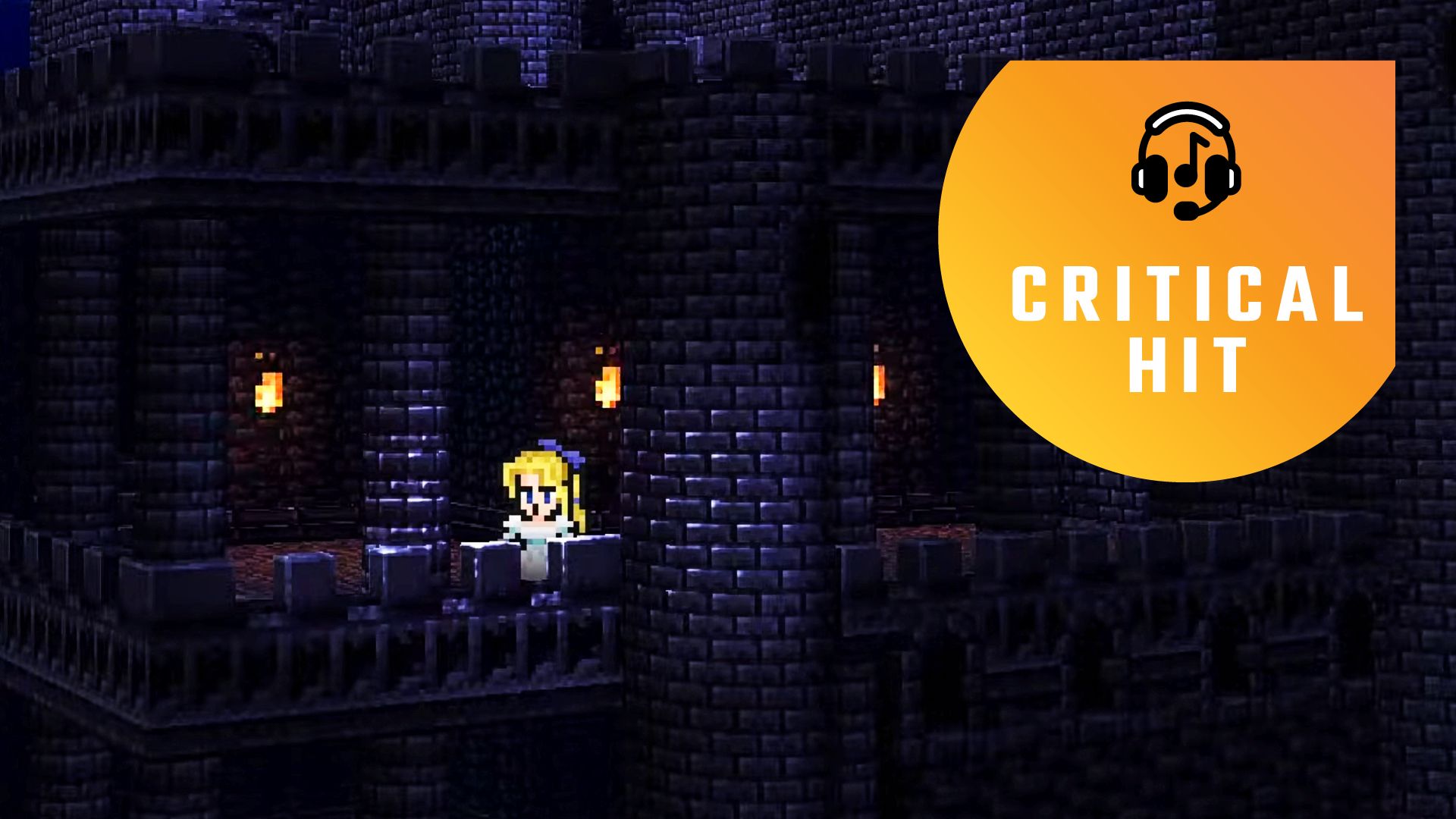
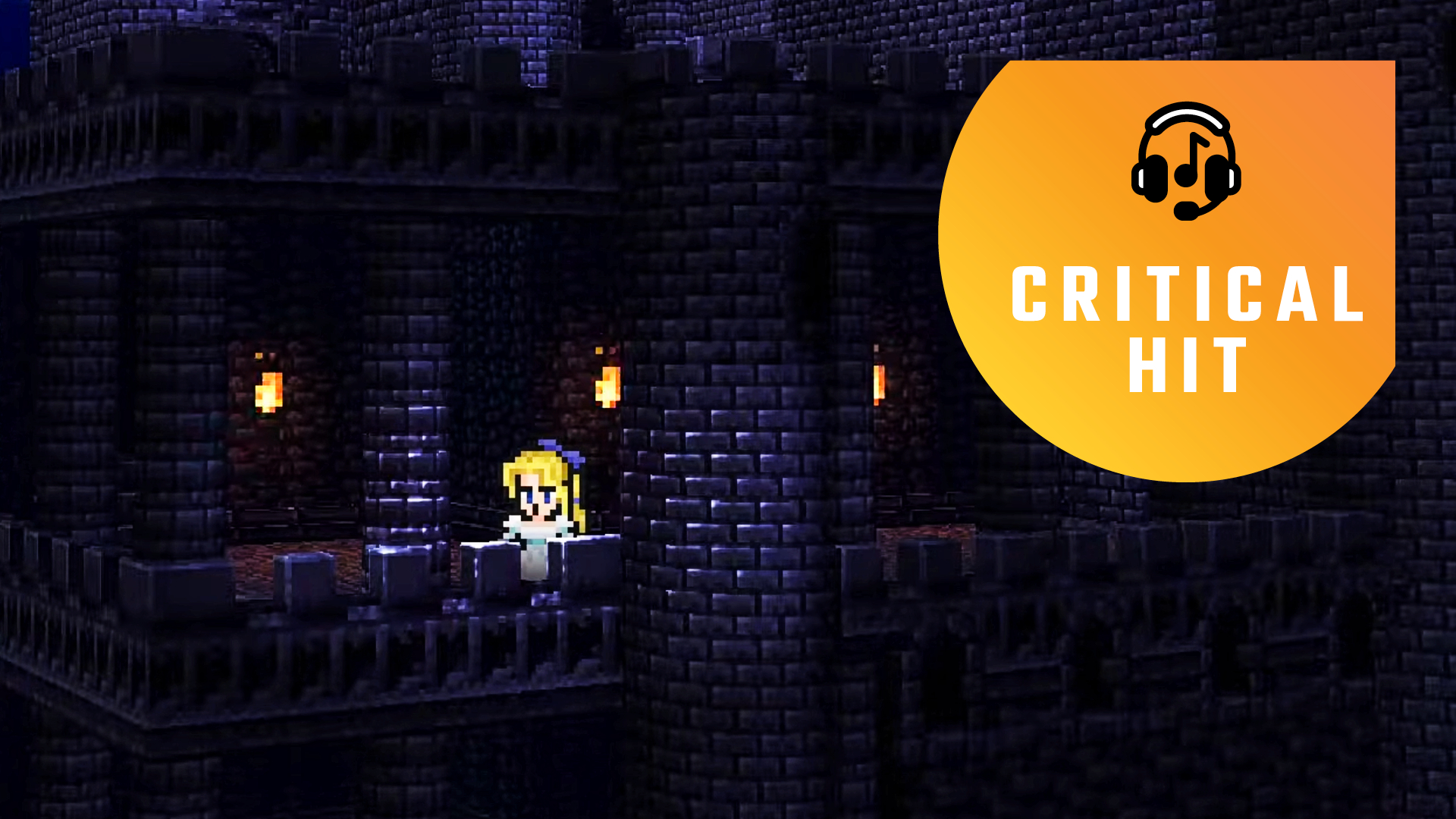
Leading developers and sound designers have long acknowledged that audio is 50% of the experience. In industry roundtables, developers often cite the "Opera Scene" in Final Fantasy VI as a turning point for the industry—a moment where a game dared to use music and performance to drive the narrative, rather than just using it as a reward for the player.
"We aren’t just writing songs," noted one veteran composer in a recent industry panel. "We are writing architecture. We are building the room the player stands in." This architectural approach to sound is what separates modern gaming from other linear entertainment media.
Implications for the Future of Music
As we move forward, the lines between video games and interactive media are blurring. We are entering an era of "procedural music," where AI and complex algorithms generate music that reacts to the player’s heartbeat, mood, or playstyle.
The implications for the music industry are profound:
- Direct Revenue Streams: Gaming is now a primary platform for music discovery, often surpassing radio in terms of listener reach for younger demographics.
- Cultural Literacy: The next generation of musicians is being raised on the complex, polyphonic arrangements found in games, which will likely influence the next wave of mainstream pop and electronic music.
- The Concert Economy: The success of tours like "Video Games Live" proves that there is a massive, untapped audience for live orchestral performances of digital scores, suggesting that video game music is the "classical music" of the 21st century.
Conclusion: The Soundtrack of Our Lives
Whether it is the haunting, lonely piano of a Final Fantasy cutscene or the high-octane pulse of a fighting game, video game music has become an indelible part of the human experience. It has taught us how to feel, how to focus, and how to define our own identities through the sounds that accompanied our virtual victories.
As we look back at the "crusty" metallic clashes of our youth and compare them to the symphonic heights of today’s industry, one thing is clear: we didn’t just play these games. We listened to them. And in doing so, we let them shape the very architecture of our musical souls.
What about you? Do you remember the first time you heard a game soundtrack that made you stop, put down the controller, and just listen? The impact of these sounds is a testament to the fact that while the consoles may break, the music stays with us forever.