Following the conclusion of the Battlefield 2042 open beta earlier this month, the gaming community has been locked in a state of intense speculation. For EA and DICE, the beta was not merely a stress test for server architecture or a demonstration of the massive 128-player "Orbital" map set in French Guiana; it was a high-stakes litmus test for the series’ most radical design pivot in over a decade. Now, as the dust settles, the developers have synthesized a mountain of player feedback into a comprehensive "path forward." Whether this will be enough to satisfy the franchise’s purists remains the defining question ahead of the game’s November 19th launch.
The Beta Experience: A Technical and Conceptual Reckoning
The Battlefield 2042 beta provided players with a sandbox that was as impressive in scale as it was chaotic in execution. Participants were dropped into the "Orbital" map, a sprawling, rocket-themed arena designed to showcase the new 128-player capability on next-generation consoles and PC.
While the scale was undeniably ambitious, the reception was a mixture of awe and apprehension. Technical issues were rampant—ranging from graphical artifacts and clipping to inconsistent server performance—but the most significant friction points were rooted in the fundamental design changes DICE had implemented. Players were introduced to the "Specialist" system, which replaces the long-standing, restrictive class system (Assault, Engineer, Support, Recon) with unique characters possessing specific traits and gadgets.
The Specialist Controversy: Evolution or Identity Crisis?
Perhaps the most divisive element of the beta was the transition to Specialists. For veterans of the Battlefield franchise, the traditional class system served as the backbone of squad-based tactical gameplay. By locking specific weapons and utility items (like ammo crates or health packs) to specific roles, DICE forced players to rely on their teammates.
In the beta, the introduction of Specialists led to what many critics described as a "loss of synergy." With the ability to pair any weapon with any Specialist, the clearly defined roles that once defined Battlefield combat felt blurred. Some players argued that this system encouraged individualistic "lone wolf" play rather than the cohesive, objective-focused teamwork the series is famous for.
DICE’s Official Stance
In their post-beta briefing, DICE remained steadfast in their defense of the Specialist system, framing it as an "evolution" rather than a abandonment of the core Battlefield philosophy. The developers contend that the freedom afforded by Specialists allows for more creative combat loops and greater player agency.
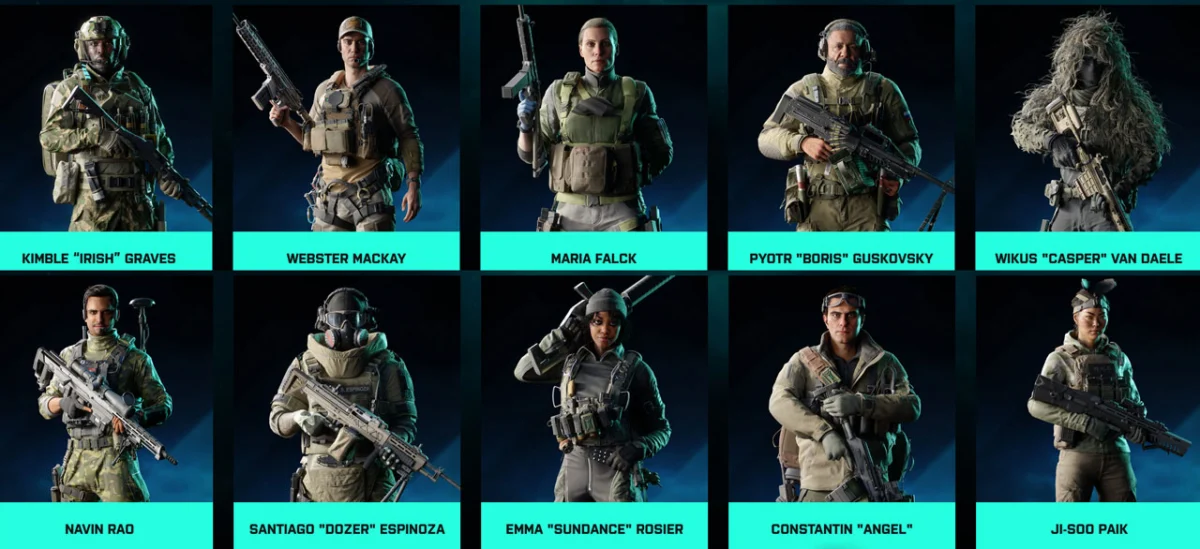
To address the perceived lack of role definition, DICE has unveiled the complete roster of ten Specialists. By doubling the number of available characters, the studio hopes to provide a wider spectrum of tactical options that, when utilized correctly, will restore the necessary synergies. "We are putting all the cards on the table," the team stated, suggesting that the initial beta pool of five characters was simply too small to convey the depth of the new system. These Specialists, each equipped with distinct specialties and traits, are designed to cover the traditional four-pillar roles while adding layers of nuance through customizable loadouts.
Chronology of the Response: From Feedback to Refinement
The timeline between the end of the beta and the final launch window is a frantic period of "crunch" and optimization. DICE has explicitly acknowledged the sheer volume of data gathered during the beta period.
- The Beta Phase: Thousands of hours of gameplay data, coupled with telemetry and direct community feedback, were collected from the "Orbital" map trials.
- The Synthesis: The development team spent the subsequent weeks categorizing feedback into "critical" (game-breaking bugs, server stability) and "conceptual" (gameplay mechanics, UI/UX, Specialist balance).
- The Action Plan: The resulting roadmap includes sweeping changes to the movement system, UI elements, and mission entry/exit points.
- The Final Push: The lead-up to November 19th is focused on "polishing the edges," ensuring that the game-side and server-side infrastructure can handle the massive player counts promised in the marketing materials.
Technical Overhaul: Beyond the Surface
While the Specialist debate dominates the forums, DICE has committed to a broad range of technical refinements. The beta highlighted several pain points that the team is now aggressively addressing:
- UI and HUD Clarity: Players reported that the user interface was often cluttered, making it difficult to distinguish between friendly and enemy forces, or to track squad health and ammunition. DICE is refining the "Identify Friend or Foe" (IFF) systems and streamlining the UI to reduce cognitive load during high-intensity firefights.
- Movement System: The fluidity of movement is critical to the Battlefield experience. Adjustments are being made to the responsiveness of sprinting, mantling, and sliding to ensure the game feels more tactile and less "floaty" than it did during the beta test.
- Accessibility: A significant portion of the development effort is being directed toward expanding accessibility options, ensuring that the game remains playable for a wider demographic of gamers.
- Server-Side Stability: The infrastructure is undergoing rigorous stress testing to ensure that the jump from the beta’s capacity to the final 128-player count is handled with minimal latency or "rubber-banding."
Implications for the Launch and the Future of the Franchise
The implications of DICE’s responsiveness cannot be overstated. Battlefield 2042 is not just another entry in a long-running series; it is a service-based platform that EA expects to support for years to come. The "mountain of feedback" they have received is a double-edged sword: it proves that the player base is deeply invested in the game’s success, but it also highlights how thin the margin for error has become.
The Customization Argument
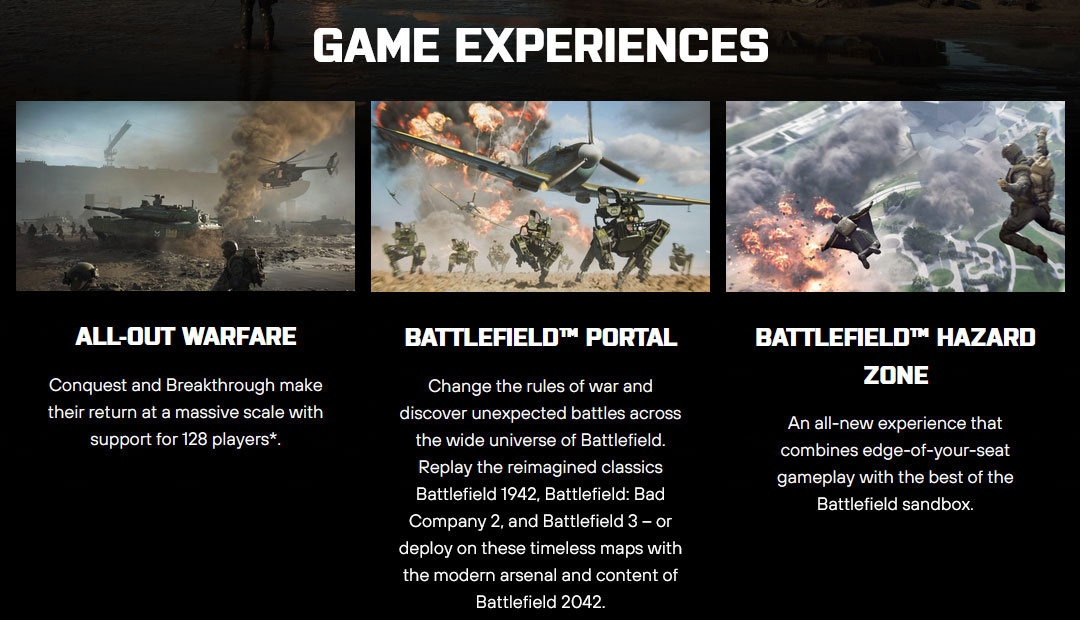
One of the most important takeaways from the developer briefings is the emphasis on "growth." DICE is keen to remind players that the beta was a limited snapshot. In the full version of the game, loadouts will be deeply customizable, and players will unlock specialized hardware as they progress. The developers argue that the perceived lack of team utility in the beta was partly due to the limited scope of the available gear. Once the full sandbox of weapons and gadgets is unlocked, they believe the "teamwork synergy" will naturally re-emerge as players find optimal combinations to counter the evolving threats on the battlefield.
The Community Divide
Despite the optimistic tone of the developer briefings, a segment of the community remains skeptical. The history of the Battlefield franchise is littered with titles that launched in a "broken" or "unfinished" state (most notably Battlefield 4). The success of 2042 hinges on whether DICE can successfully translate these "lessons learned" into a stable, balanced, and fun experience on day one.
If the adjustments to the Specialist system and the UI/UX changes land successfully, Battlefield 2042 could represent a new high-water mark for the series. However, if the game launches with the same conceptual friction and technical instability seen in the beta, the developers risk alienating their core audience permanently.
Conclusion: A High-Stakes November
As we approach the November 19th release date, the gaming industry will be watching Battlefield 2042 with bated breath. DICE has taken the rare step of being transparent about the feedback they have received and the specific areas they are targeting for improvement. It is a calculated move to rebuild trust and set expectations.
The developers have listened. The feedback was heard, processed, and acted upon. Whether those actions are sufficient to transform the raw potential of the beta into a polished, definitive Battlefield experience remains to be seen. For now, the "Orbital" map, the ten Specialists, and the promise of massive, 128-player warfare stand as the pillars of a game that is fighting to prove its worth. The path forward is clearly marked—now, DICE just has to walk it.