Ammar Sabilarrohman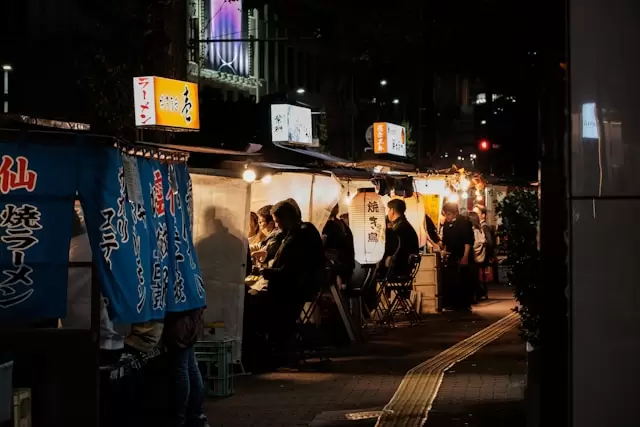
When travelers touch down in Fukuoka, the vibrant gateway to Japan’s Kyushu island, they are often greeted by a symphony of sounds that feels distinctly different from the polished, standard Japanese heard in Tokyo. This is the Hakata-ben (Hakata dialect), a melodic and expressive regional tongue that acts as the heartbeat of Fukuoka City. For the uninitiated visitor, navigating the nuance of local speech can be a daunting challenge, yet it is also the key to unlocking a more authentic, immersive experience in one of Japan’s most welcoming prefectures.
The Essence of Hakata-ben: More Than Just an Accent
At its core, the Hakata dialect is not merely an accent—it is a unique linguistic framework that shapes the social fabric of Fukuoka. While standard Japanese (hyojungo) relies on specific particles and formal verb endings, Hakata-ben leans heavily on distinctive sentence-ending particles that function as the emotional and grammatical anchors of a conversation.
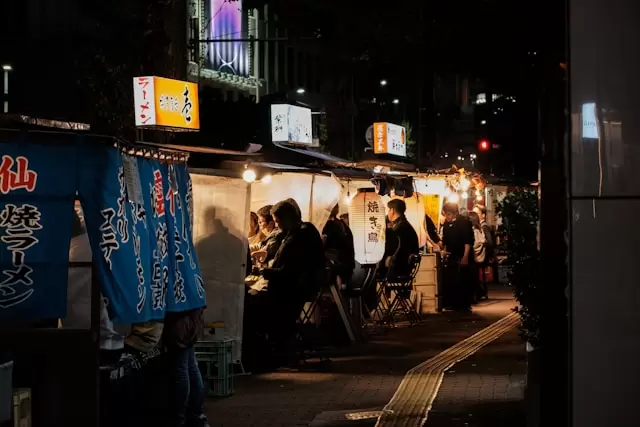
For those visiting Hakata, the most important takeaway is that meaning is often dictated by the "tail" of the sentence. Whether a speaker is asking a question or making a firm statement is determined entirely by the suffix attached to the verb or noun. Understanding these suffixes is the difference between a successful interaction at a local yatai (food stall) and a moment of confusion.
Key Grammatical Markers
The "Big Three" markers that define the Hakata dialect are -to, -tai, and -ken.
- -to? (Questioning): If you hear a phrase ending in to, the speaker is almost certainly asking a question. For example, "Nanishi-to?" translates directly to "What are you doing?"
- -to. (Statement): Conversely, the same sound used with a flat intonation becomes a statement of fact.
- -tai: This particle adds an assertive, explanatory tone. It is often used to emphasize a personal opinion or a piece of news.
- -ken: This is the local equivalent of the standard Japanese "kara" or "node," meaning "because." It is a ubiquitous connector used to explain reasons or provide context.
Chronology and Cultural Evolution
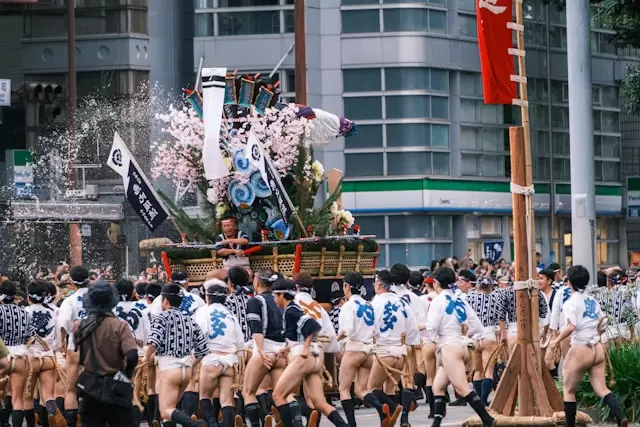
The evolution of the Hakata dialect is inextricably linked to the history of Fukuoka as a maritime and commercial hub. As a city that has served as a gateway to mainland Asia for centuries, Fukuoka has been a melting pot of cultures, trade, and industry.
The dialect has remained remarkably resilient, even as Japan moved toward linguistic standardization during the Meiji and Showa periods. While younger generations in Fukuoka often code-switch—using standard Japanese in professional settings and Hakata-ben with friends and family—the dialect remains a vital symbol of local identity. In recent decades, the rise of regional media, anime, and pop culture has further cemented the status of Hakata-ben, transforming it from a "provincial" trait into a celebrated marker of regional pride.
Supporting Data: Regional Linguistic Diversity
It is a common misconception among tourists that "Fukuoka dialect" is a monolithic entity. In reality, the prefecture is a complex tapestry of four distinct linguistic zones. Recognizing these differences is essential for travelers who intend to venture beyond the city center.
| Dialect | Primary Region | Defining Characteristics |
|---|---|---|
| Hakata | Fukuoka City | Characterized by the -to, -tai, and -ken endings. |
| Kitakyushu | Kitakyushu City | Features more aggressive intonation and distinct vocabulary variations. |
| Chikugo | Kurume/Chikugo | Slower, melodic intonation with unique phrasing patterns. |
| Chikuho | Iizuka/Coal Mining Region | Reflects the rugged history of the former coal-mining districts. |
Understanding that the speech patterns change as one travels toward the southern Chikugo plains or the industrial corridors of Kitakyushu can transform a potentially confusing experience into an educational one.

Essential Vocabulary for the Modern Traveler
To truly bridge the gap, travelers should master a few "power words." These expressions are the building blocks of daily life in Fukuoka:
- Yoka (よか): Meaning "good" or "okay." You might hear a local say "Yoka, yoka!" to indicate that something is perfectly fine or that they are satisfied.
- Umaka (うまか): The quintessential Hakata word for "delicious." When eating at a local ramen stall, a genuine "Umaka!" will instantly win over the staff.
- Bari (ばり): This is the local superlative. Instead of saying "very" or "really" (totemo), locals use bari. "Bari umaka" means "really delicious."
The "Hakata-ben" Cultural Imprint
The influence of the dialect extends into Japanese popular culture, providing a window for those who wish to study the sounds before arriving.

Educational Media
For those who want to "hear" the dialect before stepping off the plane, specific works of art offer a safe and engaging environment to practice listening.
- "Seishun no Mon": A classic narrative set in the Chikuho region. It serves as a historical archive of the dialect, capturing the intensity and soul of the coal-mining era.
- "Namiuchigiwa no Muromi-san": This comedic anime is highly recommended for language learners. The protagonist, a mermaid named Muromi-san, speaks in a thick, rapid-fire Hakata dialect. Because the show moves quickly, it is an excellent tool for training the ear to catch those critical sentence-ending particles.
Implications for Travelers: Engaging with Locals
The most effective way to learn is through engagement. If you are visiting a yatai or a local shop, don’t be afraid to attempt a phrase. The goal is not perfection, but connection.

If the pronunciation feels overwhelming, start by observing. Listen to the way the shopkeeper addresses customers. Notice the rhythm. When you respond, keep it short. A simple "Bari umaka!" after a bowl of Hakata-style tonkotsu ramen is often more effective at building rapport than a perfectly conjugated sentence in standard Japanese.
Professional Advice for the Road
- Contextual Listening: Before attempting to speak, spend time in a crowded public space. Pay attention to how people interact in queues or at train stations.
- Subtitles as a Bridge: If watching Japanese media, keep the subtitles on. This creates a visual link between the sound of the dialect and the meaning of the words.
- Embrace the "To": Pay close attention to whether a local’s question ends with a rising intonation on the "to." Recognizing this will help you respond appropriately, whether you are being asked for directions or for an opinion on the food.
Conclusion: A Language of Hospitality
The Hakata dialect is, at its heart, an expression of the warm and gregarious nature of Fukuoka’s people. By taking the time to learn even a few phrases, travelers demonstrate respect for the local culture and an openness to the unique history of the region.

As you explore the bustling streets of Hakata or the quieter corners of the Chikugo plains, remember that language is the ultimate souvenir. While you may arrive in Fukuoka as a visitor, a few well-placed words of Hakata-ben can help you feel like a welcomed guest. Whether you are ordering a bowl of noodles or asking for help with the train, embrace the melody of the city—it is the sound of Fukuoka, and it is waiting to be understood.
Note: The information presented in this article is based on the time it was written. Prices, services, and local customs may evolve. We encourage travelers to verify information with local authorities or tourism offices before their visit.


 Neng Nana
 Asro
Asro