Lina Hope
For centuries, the Japanese landscape has been defined not by steel or concrete, but by the living, breathing essence of wood. From the intricate joinery of ancient temple rafters to the minimalist elegance of modern tableware, wood is the silent protagonist in the narrative of Japanese culture. As the global construction industry pivots toward sustainable practices, Japan’s historical expertise in arboriculture and craftsmanship offers a compelling blueprint for the future of sustainable development.
Main Facts: A Culture Rooted in the Forest
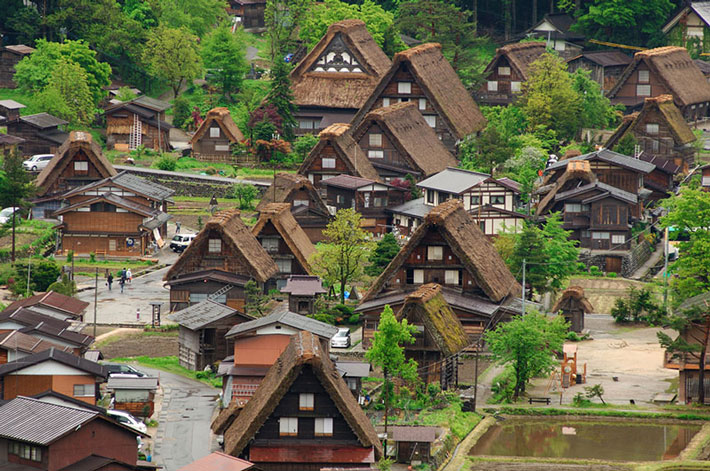
Japan’s geography, defined by its distinct four seasons and high-humidity climate, has fostered a unique reliance on forestry. Approximately two-thirds of the Japanese landmass is blanketed by forests, a vast natural resource that has shaped the nation’s architectural and culinary identity.

The primary species utilized in this tradition include:
- Sugi (Japanese Cedar): Highly prized for its softness, versatility, and ability to regulate indoor humidity.
- Hinoki (Japanese Cypress): Celebrated for its exquisite fragrance, remarkable structural integrity, and natural resistance to decay and insect infestation.
- Karamatsu (Japanese Larch) and Todomatsu (Fir): Key components in the diverse timber production that powers Japan’s domestic market.
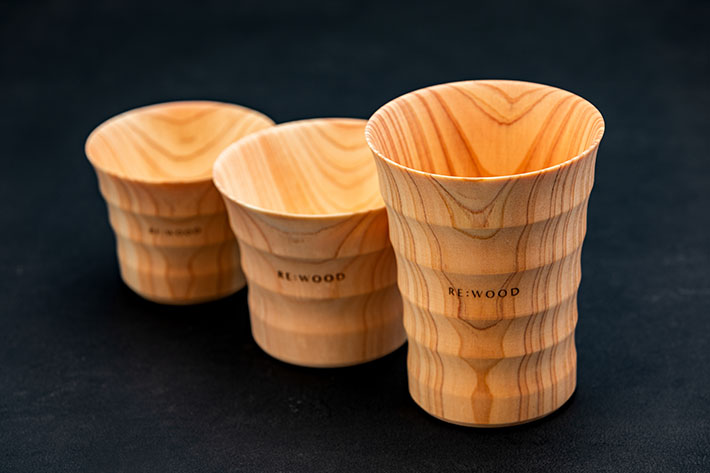
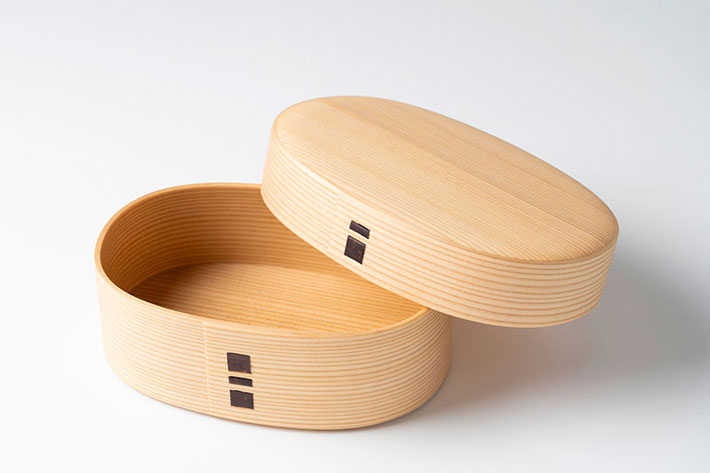
This deep-rooted trust in wood transcends the primitive; it is a sophisticated appreciation for a material that breathes, insulates, and ages with grace. Whether it is the magewappa—a traditional bentwood container that naturally preserves the freshness of food—or the massive structural beams of the Expo 2025 pavilion, wood remains the bedrock of Japanese material culture.
A Chronological Perspective: From Antiquity to the Future
The story of Japanese wood is a testament to longevity.
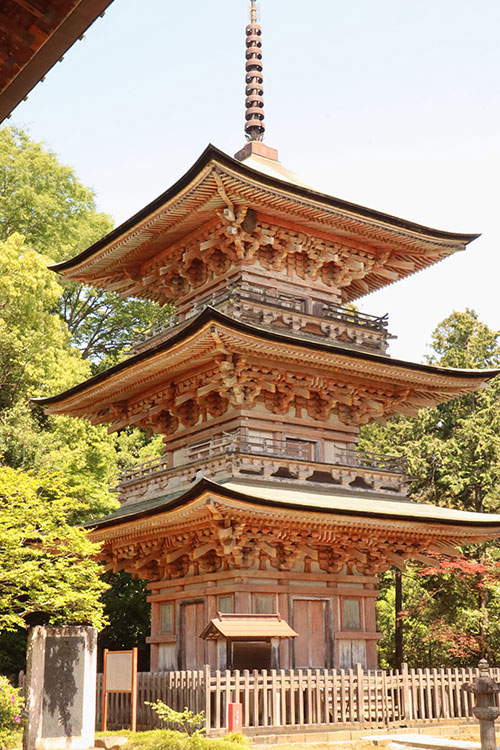
- The Ancient Era (7th Century): The construction of the Hōryū-ji temple in Nara Prefecture stands as the definitive proof of the durability of Hinoki. Recognized as the world’s oldest wooden building, its survival for over 1,300 years is a historical marvel, defying the natural cycles of decay that typically claim organic structures.
- The Feudal Period: The proliferation of samurai residences and merchant houses across the archipelago solidified wood as the medium for social and cultural expression.
- The Modern Era (20th–21st Century): Despite the introduction of industrial materials, Japan has doubled down on its wooden heritage. Projects like the main pavilion for Expo 2025 in Osaka represent a revival of timber on a grand scale, proving that ancient techniques can be scaled for contemporary needs.
- The Global Milestone (2024): A pivotal moment occurred in April 2024, when the American Lumber Standards Committee certified Hinoki-based "two-by-four" dimension lumber. This marked the formal international endorsement of Japanese timber for use in North American construction, opening a new chapter for Japan as a global exporter of high-quality wood.
Supporting Data: The Science of Sustainability
The modern Japanese approach to wood is no longer just about tradition; it is a marriage of ancient knowledge and cutting-edge material science.
Advanced Preservation Techniques
To compete in the modern era, Japanese manufacturers have pioneered methods to enhance the natural properties of timber:
- S-Tech (Nitrogen Heat Treatment): This innovative process treats wood at temperatures exceeding 200°C (392°F) in a nitrogen-rich environment. By decomposing the organic components that invite rot and insects, S-Tech wood achieves unparalleled durability. Boardwalks treated with this method have remained structurally sound for over two decades. Crucially, the process is entirely chemical-free, eliminating the risk of toxic leaching and protecting the environment.
- Structural Plywood Innovation: New preservative-infused plywoods are now being deployed in critical areas of architecture—such as subflooring and exterior walls—that are typically prone to moisture damage. This ensures that the lifespan of wooden buildings is extended by generations, effectively reducing the frequency of reconstruction and the resulting carbon footprint.
Economic and Environmental Impact
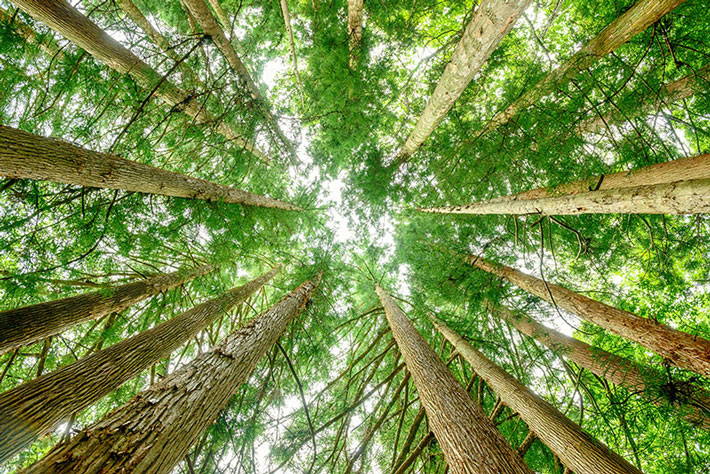
The environmental benefits of these innovations align perfectly with global Sustainable Development Goals (SDGs). By extending the life cycle of timber products, the industry minimizes the necessity for constant raw material extraction, thereby conserving forest ecosystems.
Official Perspectives and Industry Implications
The Japan Wood Products Export Association (JWPEA) serves as the primary nexus for this transition. Their mission is to bridge the gap between traditional craftsmanship and the demands of the global market.
"We are moving away from the perception of wood as merely a local resource," says a spokesperson for the association. "By leveraging our heritage—the specific knowledge of how to treat and shape Hinoki and Sugi—we are providing the world with a high-value, sustainable, and carbon-sequestering alternative to traditional, high-impact building materials."
The implications for the global market are significant:
- Decarbonization: As the construction sector faces intense pressure to lower its carbon output, timber is being rediscovered as the ultimate carbon sink. Japanese techniques for long-term preservation make wood a viable, long-term asset rather than a temporary fix.
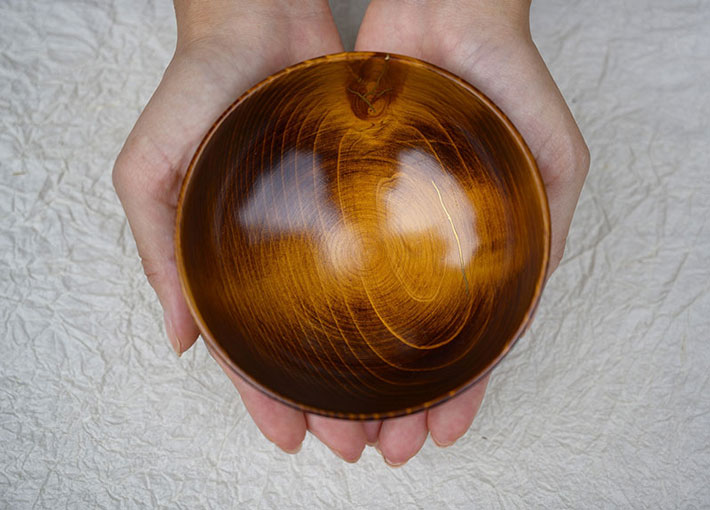
- Design Versatility: The aesthetic value of wood—its grain, texture, and inherent warmth—is increasingly sought after in biophilic design, which seeks to reconnect modern urban dwellers with the natural world.
- Standardization: The 2024 American certification of Hinoki serves as a catalyst for other nations to adopt Japanese standards. It establishes a framework for quality assurance that reassures global architects and builders.
The Future: A Legacy Reimagined
As we look toward the mid-21st century, the synergy between Japan’s forest management and its industrial innovation offers a roadmap for other nations. The "wooden revolution" is not a return to the past, but a forward-thinking integration of biology and engineering.
Japan’s commitment to its forests—evidenced by the vast plantations of Sugi and Hinoki—is not just an environmental choice; it is an economic strategy. By transforming domestic timber into high-tech, durable structural elements, Japan is turning its natural heritage into a global commodity.
For the artisan crafting a magewappa lunchbox and the engineer designing a timber skyscraper, the philosophy remains the same: treat the material with respect, understand its inherent properties, and innovate to ensure it serves generations to come. In an era of rapid change and environmental uncertainty, the quiet, enduring strength of Japanese wood is a lesson in resilience.
To explore the potential of these materials or to partner with Japanese producers, industry professionals are encouraged to visit the Japanese Wood Export Portal, where the future of sustainable timber is being written, one grain at a time.


 Neng Nana
 Asro
Asro