

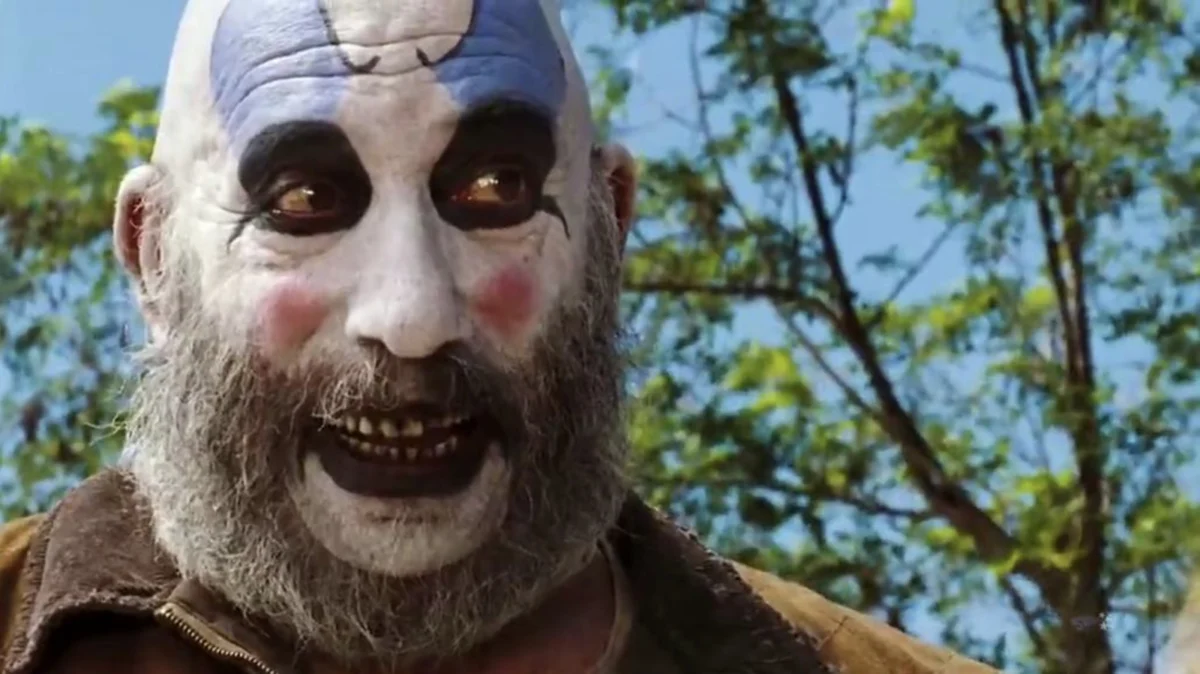
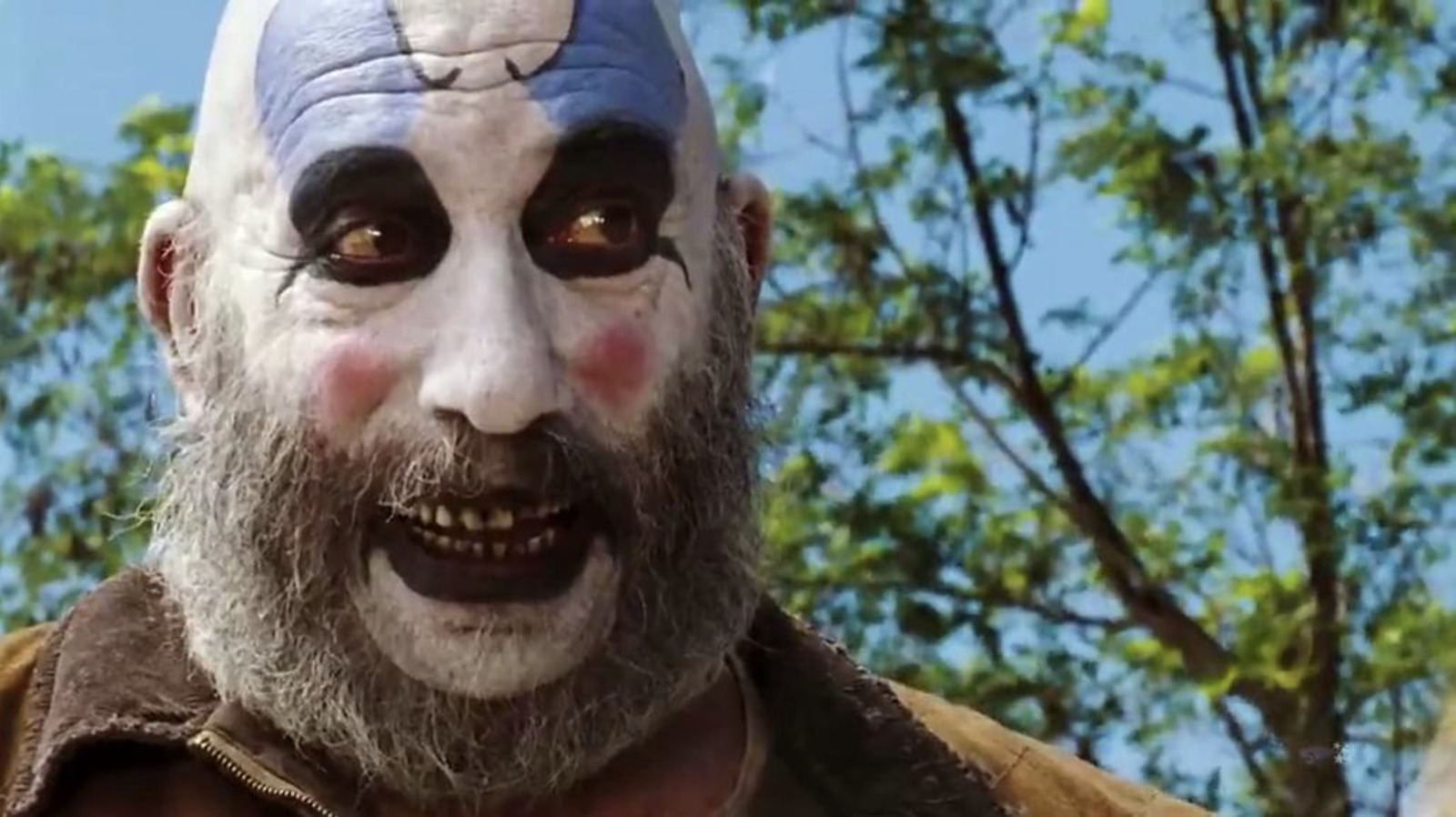
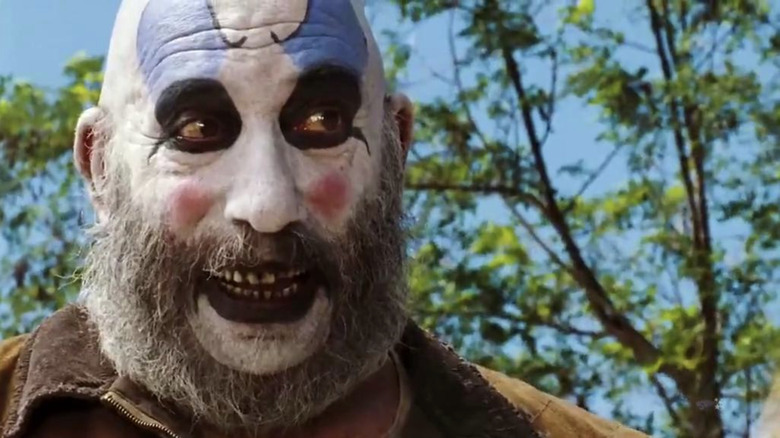
For legions of modern horror aficionados, the name Sid Haig is synonymous with the terrifying, grease-painted visage of Captain Spaulding. As the patriarch of the Firefly clan in Rob Zombie’s House of 1000 Corpses, The Devil’s Rejects, and 3 From Hell, Haig cemented his status as a titan of the genre. His performance was characterized by a manic, visceral energy—a masterclass in cinematic theatricality that transformed him into an icon of contemporary cult horror.
However, to view Haig solely through the lens of horror is to overlook a decades-long career defined by an extraordinary range as a character actor. Long before he was terrorizing audiences in the backwoods of Texas, Haig was a working actor in the golden age of television, a master of the "heavy" archetype who could seamlessly transition from sci-fi pulp to gritty westerns. Among his most intriguing, yet largely forgotten, contributions to this era are his guest appearances on the short-lived ABC western The Iron Horse.
The Genesis of a Character Actor: Sid Haig’s Hollywood Evolution
Sid Haig’s career was not built on the foundation of a single breakout role, but rather on the accumulation of hundreds of smaller, meticulous performances. In the mid-1960s, Hollywood television production was a high-volume machine. Networks were desperate for reliable, distinctively "grizzled" actors who could step onto a set, understand the stakes of a scene immediately, and provide a convincing antagonist. Haig, with his imposing frame, deep-set, intense eyes, and a natural ability to command space, became the quintessential "heavy."
While modern audiences might see him as a horror legend, his contemporaries saw him as a versatile utility player. He possessed a unique, chameleon-like quality that allowed him to disappear into roles that required menace, suspicion, or sudden, explosive volatility. This versatility is what led him to the set of The Iron Horse, a series that, while often overlooked in the annals of television history, provides a fascinating snapshot of the television landscape in the late 1960s.
The Iron Horse: A Forgotten Chapter in Western Television
Aired on ABC from September 12, 1966, to January 6, 1968, The Iron Horse was an ambitious, if ultimately ephemeral, project. The series centered on Ben Calhoun, played by Dale Robertson, a high-stakes gambler who wins an incomplete railroad line in a poker game. The narrative tension was simple but effective: Calhoun had to navigate the treacherous political and social landscape of the frontier to build his railroad, dealing with land barons, outlaws, and the inherent dangers of expanding the American West.
The series was notable for its attempt to inject a bit of "risque" adult drama into the traditional western format, particularly through Calhoun’s reputation as a ladies’ man. It even featured a young Ellen Burstyn—credited then as Ellen McRae—who played Calhoun’s love interest, Julie Parsons. Despite its pedigree and unique premise, the show never reached the cultural ubiquity of peers like Gunsmoke or Bonanza. Today, it exists primarily as a digital artifact on platforms like Tubi, waiting to be rediscovered by those interested in the evolution of the television western.
Haig’s involvement in the show was brief but significant. He appeared in one episode per season: as "Vega" in the Season 1 episode "Town Full of Fear," and as "Rias" in the Season 2 installment "The Return of Hode Avery." These appearances, while minor, serve as a testament to the sheer ubiquity of Haig’s presence on the small screen during his most prolific years.
Chronology of a Career: The Art of the Recurring Guest Star
To truly understand Sid Haig’s contribution to television, one must examine his penchant for appearing on the same shows multiple times in different roles. In an era where casting directors were often satisfied with "the guy who looks tough," Haig defied expectations by bringing distinct personality traits to every character he inhabited, even when the underlying archetype remained the same.
The 1967-1968 Trajectory
The year 1967 was particularly emblematic of Haig’s work ethic. Beyond his work on The Iron Horse, he was a frequent face across the television dial. He appeared in two episodes of The Man from U.N.C.L.E., playing two entirely different characters. This was a pattern he would repeat throughout the late 60s and 70s.
Data Table: Sid Haig’s Multi-Role Television Appearances
| Series | Number of Different Characters |
|---|---|
| Mission: Impossible | 8 (in 9 episodes) |
| Gunsmoke | 4 |
| Fantasy Island | 4 |
| The Fall Guy | 4 |
| Alias Smith and Jones | 3 |
| Police Story | 2 |
| Switch | 2 |
| Buck Rogers in the 25th Century | 2 |
| MacGyver | 2 |
His record, however, belongs to the original run of Mission: Impossible. Over the course of the first five seasons, Haig played eight distinct roles across nine episodes. This practice, while efficient for production budgets, highlights the trust showrunners had in Haig. They knew that whether he was a foreign operative, a henchman, or a corrupt official, Haig would deliver a performance that felt fully realized and distinct from his previous work on the same program.
Supporting Data: Why Character Actors Matter
The historical significance of actors like Sid Haig cannot be overstated. In the mid-20th century, the "character actor" was the glue that held the television industry together. They provided the necessary friction for protagonists to shine, and their ability to jump between genres—from the sci-fi corridors of Star Trek to the dusty saloons of Iron Horse—gave American television a sense of continuity.
When we analyze the "heavy" archetype, we see a reliance on physical cues and minimalist acting. Haig excelled here. His eyes, in particular, were his greatest tool. In The Devil’s Rejects, those eyes signaled a chaotic, murderous insanity. In a western like The Iron Horse, those same eyes could signal cold-blooded greed or the weary resignation of a man who has lived too long on the edge of the law. This subtle modulation is the mark of a master craftsman, one who treated a one-off guest spot with the same level of professional rigor as a leading role.
Implications: The Rediscovery of the "Lost" Archive
The availability of series like The Iron Horse on modern streaming services has profound implications for how we study film and television history. Historically, these shows were lost to the ether once they left syndication. Today, they serve as a digital archive for performance studies.
For the modern horror fan, re-watching The Iron Horse offers a chance to see the "pre-history" of a legend. It invites the audience to consider the evolution of performance styles: how the theatrical, slightly exaggerated style of 1960s television westerns paved the way for the heightened, stylized horror of the 2000s. Rob Zombie, a director deeply influenced by the exploitation cinema and television of the past, likely understood this lineage better than anyone. By casting Haig as Captain Spaulding, he was not just casting a "horror guy"; he was tapping into a deep well of mid-century television history, channeling the gravitas of a man who had spent forty years honing the craft of the screen villain.
A Lasting Legacy
Sid Haig passed away in 2019, leaving behind a body of work that is as vast as it is diverse. While his legacy will always be tied to the macabre brilliance of his later career, the forgotten corners of his filmography—the westerns, the sci-fi serials, the police procedurals—reveal a man who was, above all else, a dedicated professional.
He was a reminder that behind every "forgotten" television show and every minor guest appearance lies a story of human endeavor. Actors like Haig traveled from studio to studio, transforming the landscape of American entertainment one role at a time. Whether he was terrorizing Ben Calhoun on the tracks of the Iron Horse or haunting the dreams of cinema-goers as a psychopathic clown, Sid Haig remains a cornerstone of the American character actor tradition. His work invites us to look closer, to dig deeper into the archives, and to appreciate the profound artistry that hides in the margins of the shows we think we know.










