

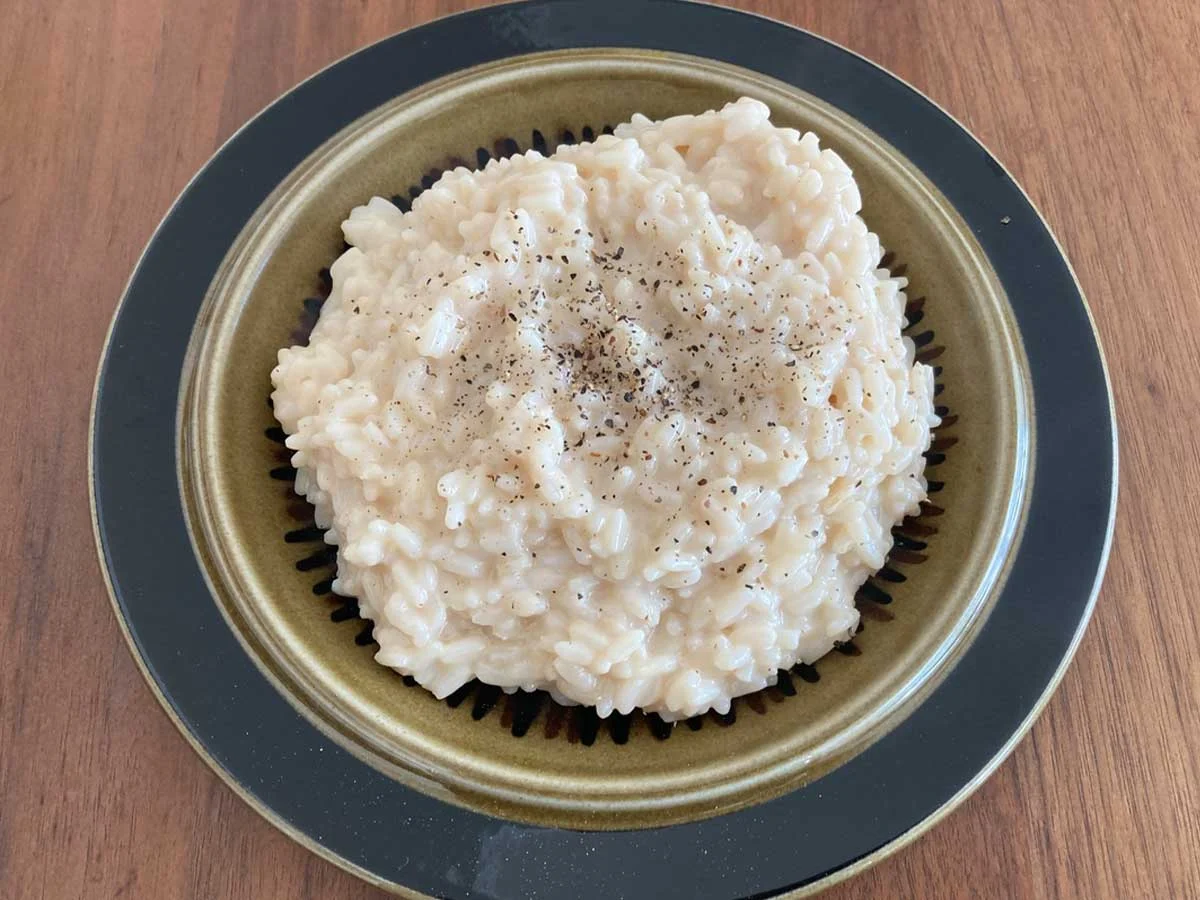
While MUJI (Mujirushi Ryouhin) is globally recognized for its minimalist aesthetic, functional stationery, and high-quality home organizational goods, a quiet revolution has been taking place in the aisles of its Japanese locations. Beyond the storage bins and linen apparel, the retailer has cultivated an impressive reputation for its culinary offerings. From artisanal instant curries that rival restaurant quality to delicate freeze-dried soups, MUJI has positioned itself as a purveyor of "gourmet convenience."
The company’s latest foray into the culinary space—a "Made-in-Italy" risotto series—marks a sophisticated shift in its food strategy. By providing consumers with authentic, raw Italian ingredients that require simple home preparation, MUJI is bridging the gap between high-end culinary experiences and the demands of a fast-paced lifestyle.
The Evolution of the MUJI Food Experience
MUJI’s expansion into food is not a peripheral experiment; it is a calculated effort to integrate their brand philosophy of simplicity and quality into the most essential human activity: eating. Historically, the brand’s food section was treated as a curated selection of snacks. Today, it has evolved into a robust grocery department.
The hallmark of this success is the brand’s ability to surprise. Regular shoppers have noted that nearly every visit introduces a new flavor profile or product category. This volatility in their inventory keeps consumer engagement high, turning a routine errand for household items into an exploratory culinary mission. The introduction of the "Made-in-Italy" risotto series, which features authentic, uncooked Italian rice, is a testament to the brand’s commitment to sourcing, moving away from pre-cooked, preservative-heavy "instant" meals toward a more artisanal "cook-at-home" experience.
The Anatomy of the Product: A Closer Look at the Risotto Series
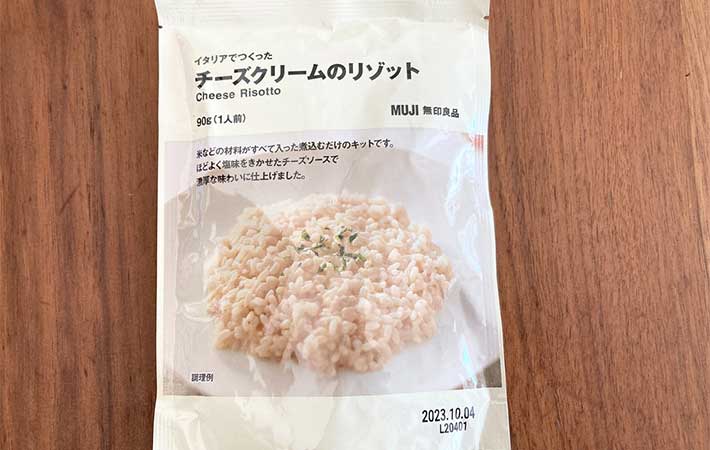
To understand the quality of the new line, our editorial team conducted an in-depth taste test of the two most prominent offerings: the "Cheese Cream" and the "Porcini" varieties.
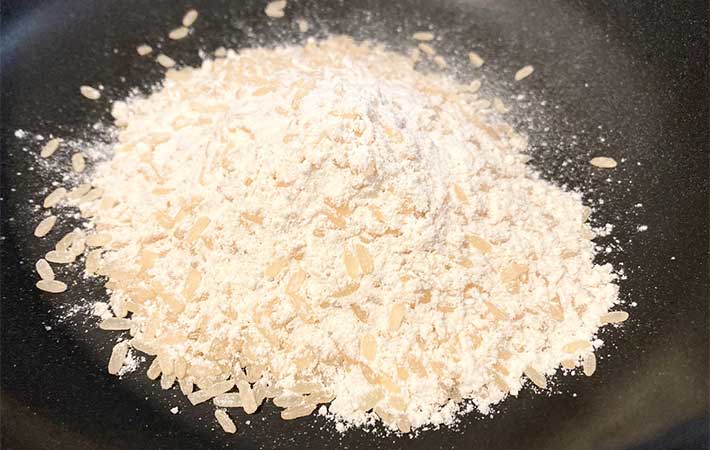
The allure of the series lies in its transparency. When opening the package, one does not find a pre-hydrated mush, but rather distinct, high-quality Italian rice grains paired with a concentrated flavoring base. This structural integrity is what sets the series apart from typical "just add water" meals found in convenience stores.
The Preparation Chronology: A Step-by-Step Guide
The process of preparing MUJI’s risotto is designed to be accessible, yet it demands a level of culinary engagement that makes the final result feel like a homemade accomplishment rather than an industrial output.
- The Assembly: The contents are emptied into a small, cold saucepan. The immediate visibility of the raw rice grains establishes an expectation of texture that is rarely achieved in instant meal kits.
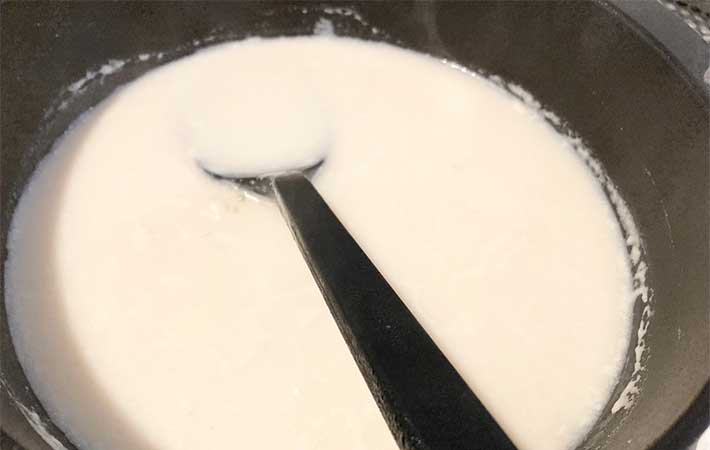
- The Hydration: Following the specific water-to-rice ratio provided on the packaging, the mixture is stirred. It is crucial to ensure the seasoning base is thoroughly incorporated before the heat is applied.
- The Simmer: The heat is brought to a boil before being reduced to a gentle simmer. This is the stage where the starch begins to release from the rice, creating the characteristic creamy emulsion that defines a proper risotto.
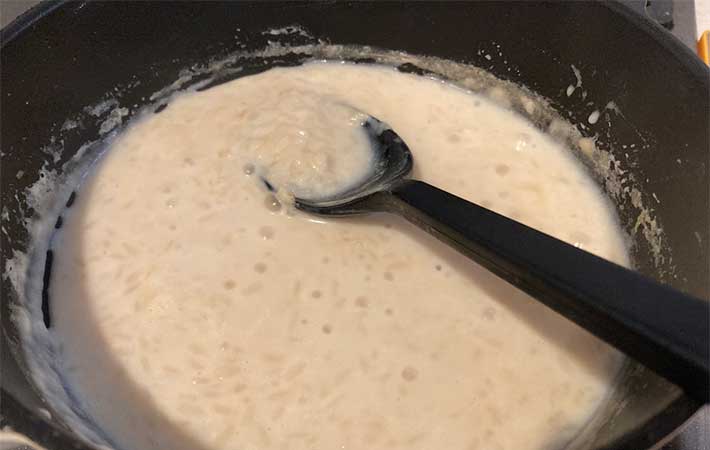
- The Maintenance: Frequent stirring is non-negotiable. This prevents the rice from adhering to the bottom of the pot and ensures an even release of starch. Unlike other instant meals that require a lid, this series must remain uncovered to allow for the precise evaporation of liquid, ensuring the rice achieves a perfect al dente bite.
- The Finishing: After approximately 30 minutes of consistent attention, the risotto reaches the desired consistency.
Flavor Profile and Culinary Implications
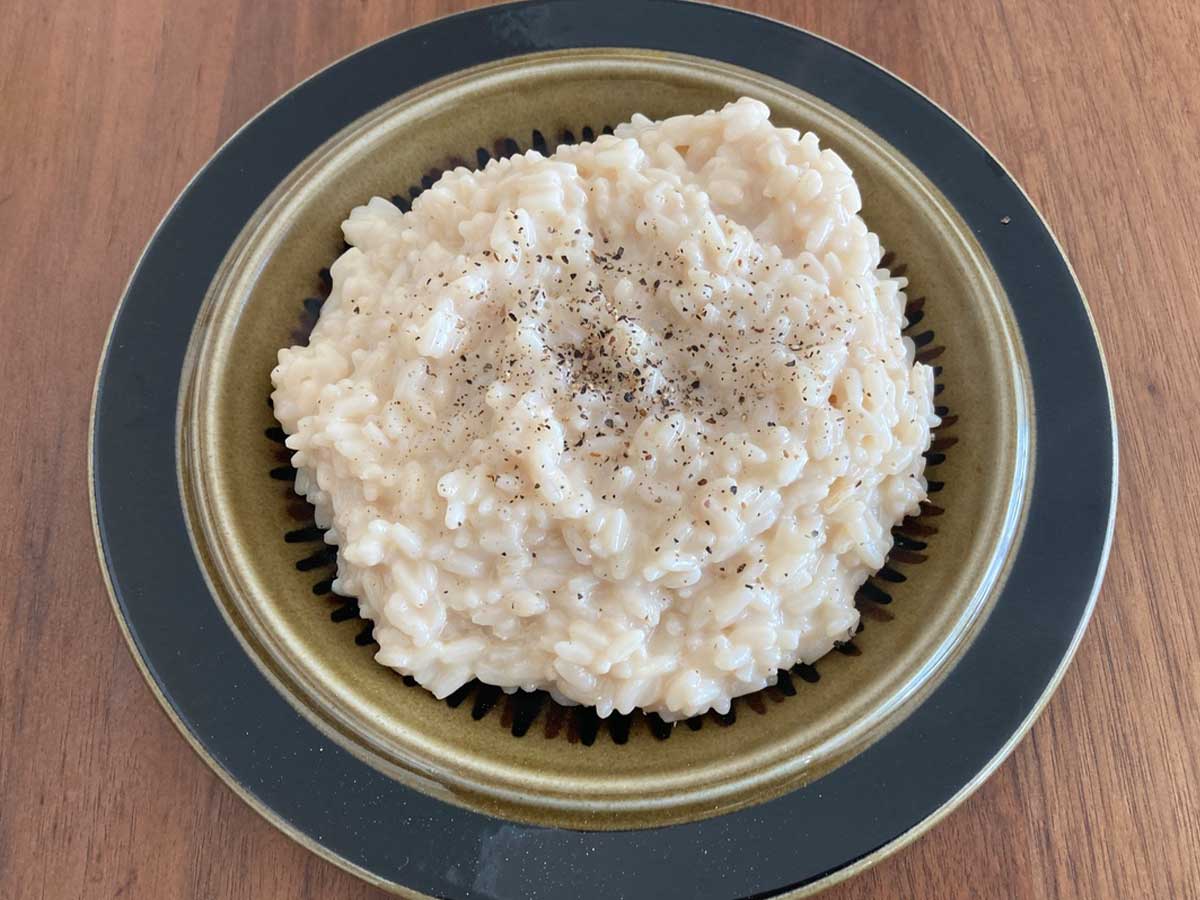
Upon serving, the aesthetic appeal of the dish is striking. For a product retailing at 290 yen (inclusive of tax), the visual presentation is comparable to dishes served in mid-range bistros.
The Cheese Cream Experience
The "Cheese Cream" variant is a testament to the balance between richness and palate fatigue. It offers a decadent, heavy cream profile that is deeply satisfying. During our testing, we introduced a pinch of freshly cracked black pepper. This addition was transformative; the pepper cut through the density of the cheese, highlighting the subtle nutty notes of the Italian rice. It serves as an ideal base for a more complex meal—perhaps topped with roasted vegetables or a protein—though it stands perfectly well on its own.
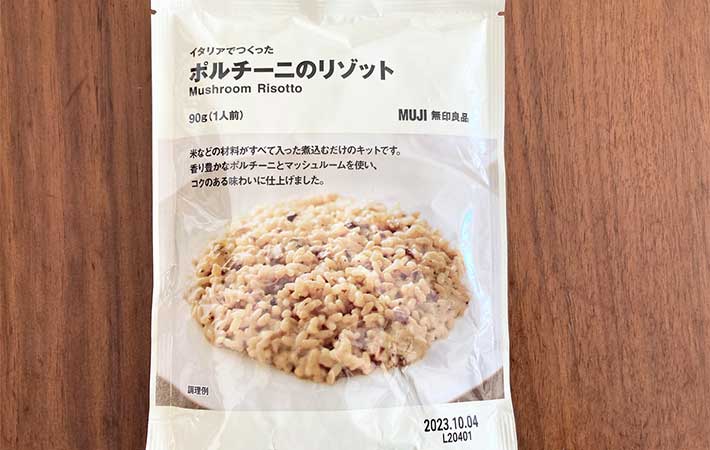
The Porcini Experience
In contrast, the "Porcini" risotto is an exercise in earthiness. It is a more nuanced, sophisticated dish. While the cheese version is loud and assertive, the porcini variety is subtle, relying on the deep, umami-rich mushroom profile to carry the palate. It is refreshing in its simplicity, proving that MUJI understands that "gourmet" does not always have to mean "intense."
Market Positioning and Economic Value
At a price point of 290 yen, the MUJI "Made-in-Italy" risotto series occupies a unique market space. It is priced significantly lower than a restaurant meal but sits slightly above the average price of a generic instant noodle cup.
This pricing strategy targets the "time-poor, quality-conscious" demographic. In Japan, where the culture of shokunin (the artisan) is deeply ingrained, consumers are often skeptical of mass-produced foods. However, by labeling the product "Made-in-Italy" and focusing on the raw ingredient quality, MUJI has successfully navigated the barrier of consumer skepticism.
Consumer Implications
The 30-minute preparation time is a critical differentiator. It acknowledges that the consumer is willing to invest time in the cooking process—a form of "active convenience"—provided the results are rewarding. This shift suggests that the modern consumer is moving away from the "instant" culture of the 1990s and toward a "curated home cooking" model where the brand provides the expertise and the ingredients, and the consumer provides the labor.
Official Stance and Brand Philosophy
While MUJI does not release specific sales data for individual product lines, the company’s broader strategy regarding its food division has been clearly articulated in past investor reports. MUJI views its food line as an extension of its lifestyle brand—a "Life Support" pillar.
By focusing on natural, sustainable, and minimally processed ingredients, MUJI is aligning its food products with its commitment to a "no-brand" (Mujirushi) aesthetic. The risotto series, by relying on Italian tradition, reinforces the idea that MUJI’s brand identity is global, not just domestic. It creates a narrative of the "well-lived life" where a Tuesday night dinner can be an Italian-inspired, authentic experience, regardless of one’s culinary skill set.
Future Outlook: Will the Series Expand?
The success of the "Made-in-Italy" risotto series likely paves the way for further expansion into other regional cuisines. The infrastructure is already in place: high-quality dry goods, transparent packaging, and a strong supply chain of authentic ingredients.
Observers in the retail sector anticipate that MUJI will continue to refine its "meal kit" approach. If the risotto series is any indication, the future of MUJI’s food division will involve more collaborative products—items that require a small amount of "home chef" input to create a result that feels bespoke.
Conclusion
MUJI has successfully managed to turn a simple package of rice into a culinary event. The "Made-in-Italy" risotto series is not merely a product; it is a solution for those who want to reclaim the kitchen without the burden of complex preparation. By maintaining a high standard of flavor, keeping the price accessible at 290 yen, and respecting the traditional cooking methods of risotto, MUJI has solidified its position as a serious player in the food industry.
For the urban professional or the home cook looking for a reliable, high-quality, and deeply satisfying meal, the MUJI risotto series is a reminder that the best dining experiences are often found in the most unassuming of packages. As the brand continues to iterate on these concepts, one can only expect their influence on the home kitchen to grow, one pot of risotto at a time.












No comments yet. Be the first to join the conversation!