

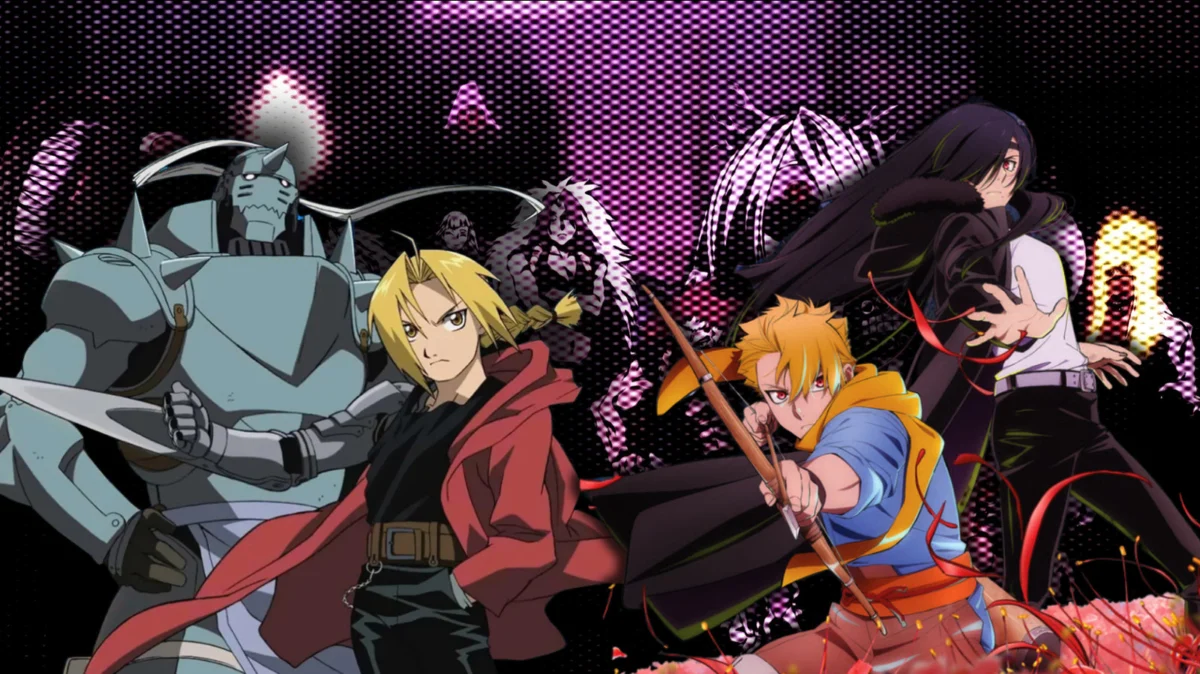
Hiromu Arakawa is a name synonymous with the gold standard of modern storytelling. For over a decade, her magnum opus, Fullmetal Alchemist, has remained the undisputed titan of the manga and anime industries, praised for its intricate world-building, emotional resonance, and philosophical depth. However, Arakawa’s creative output did not cease with the departure of the Elric brothers. With her latest serialized work, Daemons of the Shadow Realm (Yomi no Tsugai), finding its way to the screen through the legendary Studio Bones, the anime community is witnessing the evolution of a master storyteller.
The Foundation: A New Legacy from a Proven Pedigree
The adaptation of Daemons of the Shadow Realm is a significant cultural event, largely due to the reunion of Arakawa and Studio Bones. Having previously collaborated on both iterations of Fullmetal Alchemist, the studio possesses an innate understanding of the mangaka’s visual language. This synergy is immediately apparent in the anime’s aesthetic; while many contemporary shonen titles lean heavily into high-octane, neon-drenched digital effects, Daemons retains a grounded, classical artistic sensibilities that feels both nostalgic and refreshingly distinct.
The premise follows the lives of Yuru and Asa, twin siblings separated in their infancy. Prophesied to hold a power that could alter the trajectory of their world, their eventual, violent reunion serves as the catalyst for a grand conflict. While the narrative ostensibly begins as a story about village life and ancient secrets, it rapidly expands into a complex web of modern geopolitical intrigue and supernatural warfare. Yuru, raised in a remote, insular village, is suddenly thrust into a modern world he does not understand—a reversal of the popular "isekai" trope where characters are sent to a fantasy realm. Instead, Daemons forces its hero to navigate the complexities of contemporary society while grappling with the ancient, terrifying power of the shadow realm.
Chronology of Conflict: From Village Tranquility to Global War
To understand the weight of Daemons of the Shadow Realm, one must examine the narrative structure that Arakawa has meticulously laid out. The story is a masterclass in the "bait-and-switch" technique.
![Fullmetal Alchemist Creator's New Fantasy Anime Is A Must-Watch [Exclusive]](https://www.slashfilm.com/img/gallery/fullmetal-alchemist-creators-new-fantasy-anime-is-a-must-watch-and-its-stars-know-why-exclusive/l-intro-1780181931.jpg)
- The Inciting Incident: The series opens in Higashi Village, a location shrouded in the appearance of pre-modern Japan. The viewer is conditioned to view this as a traditional fantasy setting.
- The Technological Disruption: In a jarring subversion of expectations, the tranquility of the village is shattered by the arrival of helicopters and modern weaponry in the very first episode. This moment serves as a thematic pivot point, forcing the audience to abandon their preconceived notions of the setting.
- The Sibling Dichotomy: The relationship between Yuru and Asa is the emotional heart of the series. Unlike the unified front of the Elric brothers, Yuru and Asa are currently positioned on opposite sides of a brewing conflict. Yuru, the sheltered village boy, acts as the audience proxy, while Asa represents the hardened reality of the world outside the village walls.
- The Escalation: As the series progresses, the narrative moves from individual skirmishes to a broader war between factions vying for control over the "Tsugai" (the Daemons).
Supporting Data: The Anatomy of a Modern Masterpiece
What distinguishes Daemons from the glut of seasonal anime is the sheer density of its character design and lore. Arakawa’s ability to blend the horrific with the human is on full display. The "Daemons" themselves serve as a primary draw; ranging from surreal, grotesque entities—such as a giant, terrifying anglerfish—to elegant, humanoid protectors like "Left and Right," the entities that watch over Yuru.
The character designs are deliberate reflections of the series’ core conflicts. Yuru’s rustic, traditional attire stands in stark contrast to the sleek, often monochromatic aesthetic of the outside world. Asa, characterized by her black-and-white color palette and piercing red pupil, serves as a visual manifestation of the duality inherent in the story’s title. Furthermore, characters like Gabby, who shares a striking, almost deceptive resemblance to Edward Elric, highlight Arakawa’s penchant for playing with audience expectations. Gabby, initially introduced as a chaotic, potentially villainous force, represents the moral ambiguity that defines the series.
Official Perspectives: The Voice of the Production
At the Crunchyroll Spring 2026 junket, the English-language cast offered a glimpse into the production’s internal reverence for the source material. Ben Stegmair, who voices the protagonist Yuru and serves as an assistant director on the dub, characterized the experience as "the highest honor of [his] career."
"You could talk about how the series takes old-style anime and new-style anime and brings it together to create this wonderful story," Stegmair remarked during the interview. "Every character has their own dreams, goals, and desires. They are true, full-on characters. No matter what faction, group, or clan they are a part of, they all have their own reasons for being in the story."
![Fullmetal Alchemist Creator's New Fantasy Anime Is A Must-Watch [Exclusive]](https://www.slashfilm.com/img/gallery/fullmetal-alchemist-creators-new-fantasy-anime-is-a-must-watch-and-its-stars-know-why-exclusive/intro-1780181931.jpg)
Molly Zhang, the voice of Asa, emphasized the familial core of the narrative. "I’m always a sucker for a family dynamic, especially family reuniting or bonding together again," Zhang noted. "But besides the family aspect, I really like the Daemons. They’re all so crazy, wacky, and all over the place. Every episode, whenever a new pair gets introduced, I’m always wondering what power they’re going to have."
Both actors underscored a vital theme: the danger of first impressions. Much like Fullmetal Alchemist explored the consequences of playing god, Daemons explores the consequences of blind loyalty and the difficulty of discerning who, in a world of shifting alliances, actually has one’s best interests at heart.
Implications for the Industry
The success of Daemons of the Shadow Realm carries significant implications for the anime industry. It proves that the "Arakawa touch"—that specific blend of humor, deep-seated tragedy, and intricate world-building—remains a potent draw for audiences.
Furthermore, the series serves as a critical bridge between generations of anime fans. For the older demographic that grew up with Brotherhood, this series offers a familiar comfort in its storytelling structure and artistic maturity. For newer viewers, it provides a sophisticated alternative to the tropes that have dominated the shonen genre for the past several years. By eschewing the standard "zero-to-hero" progression in favor of a complex, mystery-laden, and morally gray narrative, Arakawa is effectively setting a new bar for what a serialized shonen story can achieve.
![Fullmetal Alchemist Creator's New Fantasy Anime Is A Must-Watch [Exclusive]](https://www.slashfilm.com/img/gallery/fullmetal-alchemist-creators-new-fantasy-anime-is-a-must-watch-and-its-stars-know-why-exclusive/daemons-of-the-shadow-realm-explores-sibling-bonds-through-fantasy-1780181932.jpg)
Conclusion: A Must-Watch Narrative
As Daemons of the Shadow Realm continues its run, the consensus among both critics and the voice talent involved is clear: this is a work that demands patience and attention. It is not merely a "successor" to Fullmetal Alchemist; it is a distinct, ambitious, and deeply human story that uses the language of fantasy to explore the complexities of family, trust, and the trauma of being caught in the crossfire of history.
With new episodes releasing every Saturday on Crunchyroll, the series is currently in a prime position to become the definitive anime conversation of the year. Whether it is through the meticulous, often unsettling design of its titular monsters, or the heart-wrenching, slow-burn mystery of the twins’ separation, Daemons of the Shadow Realm is a testament to the fact that Hiromu Arakawa is far from finished with leaving her mark on the medium. For those who value character-driven epics that refuse to talk down to their audience, this series is not just a recommendation—it is an essential viewing experience.











No comments yet. Be the first to join the conversation!