In the hyper-saturated market of sports simulation games, the sub-genre of horse racing has long occupied a peculiar niche. For years, it was dominated by either utilitarian management sims or, more recently, the stylized, gacha-driven phenomenon of Umamusume: Pretty Derby. When Cygames brought Umamusume to PC via Steam on June 24, 2025, it cemented the "horse girl" aesthetic as a dominant cultural force in the industry. However, the simulation landscape is about to shift gears—or rather, hooves.
Next month, developer Blue Bullet is set to launch Full Stride, a title that eschews the anthropomorphic anime girls of its predecessor in favor of a gritty, grounded, and mathematically dense approach to professional thoroughbred racing. By trading the idol-esque pageantry of Umamusume for the stark, earthy reality of actual equine competition, Blue Bullet is making a bold bet: that players are ready to trade the "cute" for the "comprehensive."
The Shift in the Simulation Paradigm
For the uninitiated, Umamusume: Pretty Derby functions largely as a character-driven training sim. It is a game of statistics masked by high-production anime visuals, where the player acts as a "trainer" to young women who possess the souls and speeds of legendary racing horses. It is a triumphant, high-energy experience, but it remains a fantasy.
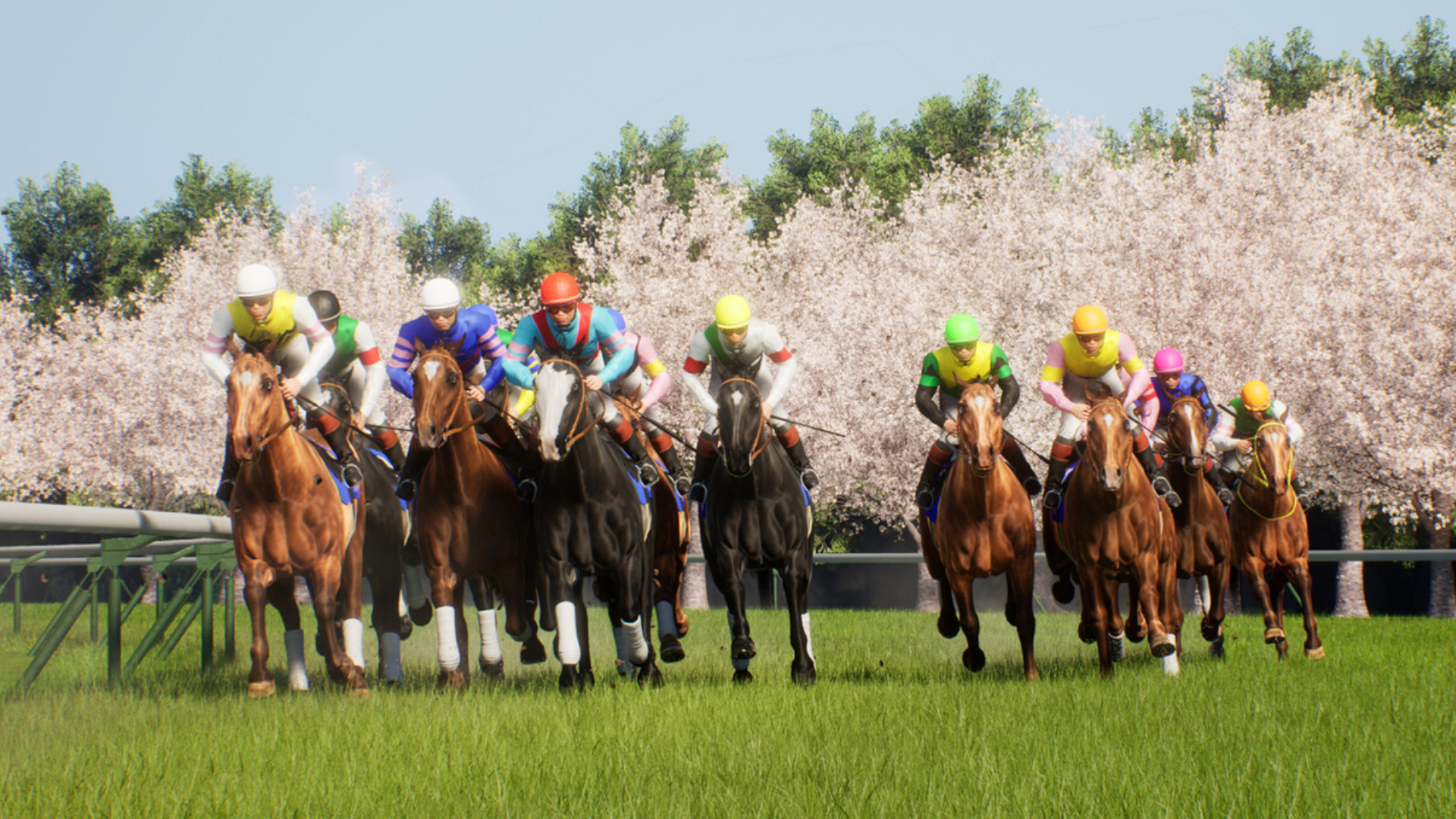
Full Stride, by contrast, represents a pivot toward the tradition of simulation gaming that prizes mechanics, physiological accuracy, and the tactical nuances of real-world jockeyship. In this world, there are no neon-lit stages or pop-star performances. There is only the dirt, the track, the tension of the starting gate, and the immense, biological reality of the animal beneath the saddle.
A Chronology of the Equine Gaming Renaissance
The journey to this moment has been paved by a growing demand for deeper sports simulations.
- Mid-2024: Industry analysts begin noting a saturation point for mobile-first gacha racing games. While player engagement remains high, user feedback on Steam forums and social platforms highlights a desire for "hardcore" mechanical depth.
- June 24, 2025: Cygames releases Umamusume: Pretty Derby on Steam. The port is a commercial success, proving that the racing genre—and its associated betting subculture—has a robust audience on PC.
- Late 2025: Blue Bullet quietly begins playtesting its proprietary physics engine, designed to simulate the weight, stride, and fatigue of thoroughbreds.
- Early 2026: Initial trailers for Full Stride circulate, showcasing a stark, realistic art style that stands in direct opposition to the vibrant aesthetics of current market leaders.
- July 16, 2026: The scheduled global release of Full Stride.
Decoding the Mechanics: What Makes ‘Full Stride’ Different?
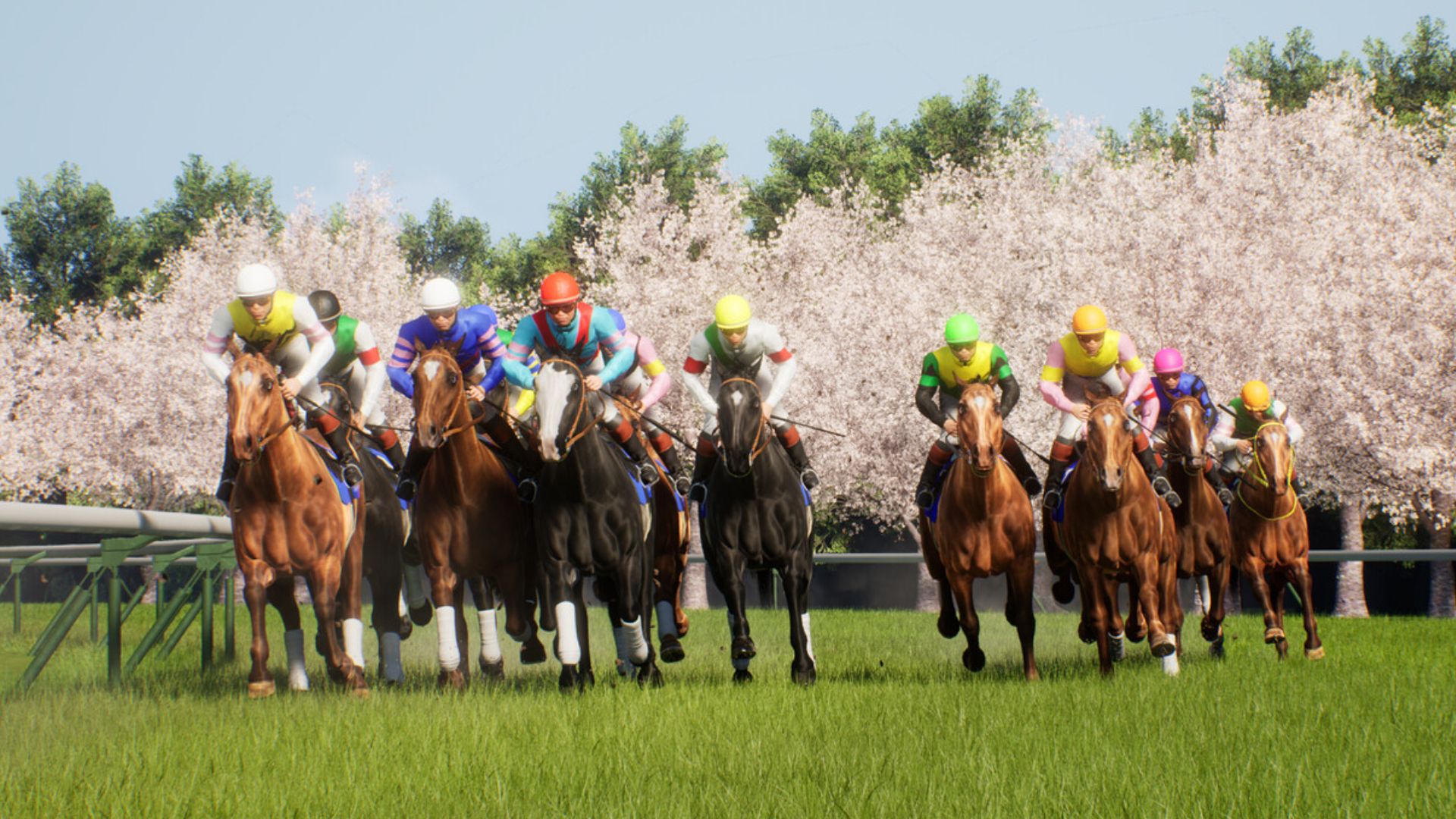
Blue Bullet has been transparent about the fact that Full Stride is not a casual experience. In the developer’s own words: "Feel the tension as the gates open, fight for position within the pack, decide when to make your move, and experience the thrill of a head-to-head battle down the final stretch."
Unlike titles where the horse acts as a static stat-sheet, Full Stride forces the player to engage with the horse as a living, breathing entity. Success is contingent on a complex interplay of variables:
1. Physiological Management
Victory is not a simple result of "training points." Players must consider the horse’s specific racing style—be it a "front-runner" that exerts energy early, or a "closer" that requires precise timing to overtake the pack. Stamina management is not just a bar that depletes; it is a dynamic system influenced by track conditions, pace, and even the horse’s temperament.
2. Tactical Jockeying
In Full Stride, the player takes on the role of the jockey. Navigating the pack is a central mechanic. "Fighting for position" is not just flavor text; the AI-driven pack dynamics create physical pressure. Being "boxed in" by competitors can result in a loss of momentum, forcing players to make split-second decisions on whether to weave through the pack or hold back for a final push.
3. Environmental and Biological Nuance
Similar to the real-world training regimens required to transition a dirt-track specialist like Haru Urara to turf, Full Stride demands that players account for a horse’s "preferred distance" and "sprint aptitude." Neglecting these factors is a recipe for failure. The game’s engine calculates how these biological predispositions interact with the track surface, requiring a level of preparation akin to a real-world racing stable.
The Aesthetic of Reality: A Photo Mode for the Purist
One of the most surprising features included in the base game is a comprehensive photo mode. In a title that prioritizes realism, this serves as more than just a vanity feature. It allows players to analyze the mechanics of the race in slow motion—observing the muscle tension, the stride length, and the positioning of the pack.
The inclusion of this mode acknowledges the "dreamlike absurdity" of the sport. There is a quiet, stoic beauty in a horse at full gallop, and Blue Bullet seems keen on capturing that specific frequency—the grace of raw, unadulterated speed.
Official Responses and Developer Philosophy
The team at Blue Bullet has positioned Full Stride as a direct response to the "gamification" of racing. In several developer diaries, the studio emphasized that they are targeting the "sim-head" demographic—players who have spent hundreds of hours in flight simulators or racing sims like iRacing.
"We wanted to strip away the artifice," said a spokesperson for Blue Bullet. "Racing is fundamentally about the relationship between the human and the horse. When you remove the anime tropes, you are left with something much older and more primal. That is the experience we wanted to recreate."
When asked about the potential for gambling mechanics, the developers were notably reticent, citing the chaotic history of real-world betting. As noted in industry reports, the financial instability inherent in betting—often ending in massive losses for participants—is a reality the developers seem content to leave out of the interactive experience. By focusing on the sport rather than the wagering, they hope to avoid the controversies that have plagued other titles in the space.
Implications for the Future of Simulation
The release of Full Stride poses an interesting question for the gaming industry: Is there a market for "un-stylized" sports games?
For years, the trend in the sports-sim sector has been toward "hero" systems—games that focus on personality, narrative, and individual flair. By stripping these elements away, Full Stride is taking a significant risk. If successful, it could trigger a new wave of simulations that prioritize mechanical fidelity over visual spectacle.
Conversely, if the audience finds the game too dry or inaccessible, it may prove that the current "anime-fied" standard is not just a design choice, but a necessity for engagement in the modern era. However, the pre-launch buzz suggests that a significant segment of the gaming community is hungry for a return to pure, simulation-heavy gameplay.
Conclusion: A Race to the Finish
Full Stride represents a fascinating, calculated gamble. It is a game that looks at the neon-drenched, high-energy world of modern racing sims and chooses to look the other way, toward the quiet intensity of the track.
Whether it becomes a cult classic or a niche curiosity remains to be seen. But on July 16, 2026, when the gates finally open, the industry will be watching to see if the world is ready to trade in the fantasy of the "horse girl" for the sheer, thundering reality of the horse itself.
For those interested in testing their mettle on the track, the game is currently available for wishlisting on Steam. It is, if nothing else, a reminder that sometimes the most compelling stories are the ones that happen in the dirt, far away from the spotlights.