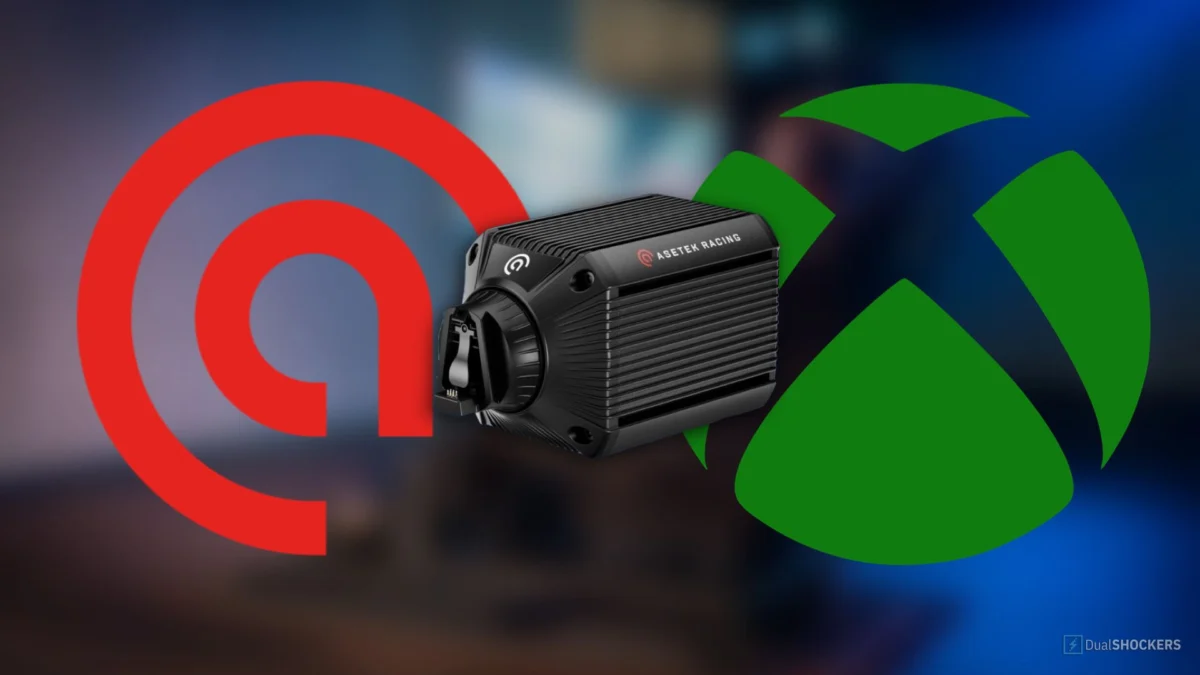
The world of high-end sim racing is often characterized by a "gatekeeper" mentality. For years, the path to a professional-grade experience—featuring the fidelity of direct-drive motors, the precision of load-cell pedals, and the immersion of a cockpit-style setup—has been paved with exorbitant price tags and proprietary ecosystems that effectively locked out casual enthusiasts. However, the tides are shifting. At the recent SimRacing Expo in Charlotte, Asetek Racing signaled a significant pivot in their business strategy, aimed squarely at dismantling the high barriers to entry that have long frustrated prospective racers.
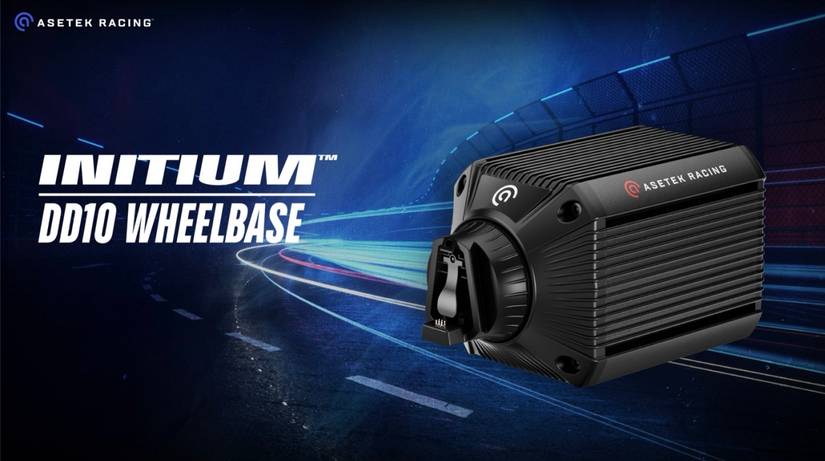
The centerpiece of this new initiative is the freshly revealed Initium DD10 wheelbase. By expanding the Initium line, Asetek is not merely launching a new piece of hardware; it is making a calculated move to democratize professional performance. As the sim racing community continues to grow, the industry is finally waking up to the reality that accessibility is the engine of long-term growth.
The Evolution of the Initium Line: Quality Meets Affordability
Asetek’s strategy relies on a tiered product ecosystem. While their high-end Invicta and Forte lines remain the gold standard for dedicated sim professionals, the Initium series was created to bridge the gap between "toy" wheels and "pro" rigs.
The core philosophy of the Initium line is to provide a "professional-grade feel" without the "professional-grade tax." A fully configured, entry-level rig utilizing the Initium ecosystem can be assembled for approximately $1,000 USD. In the current market, where a single direct-drive base from some competitors can cost nearly double that before adding a wheel rim or pedal set, Asetek’s value proposition is disruptive.
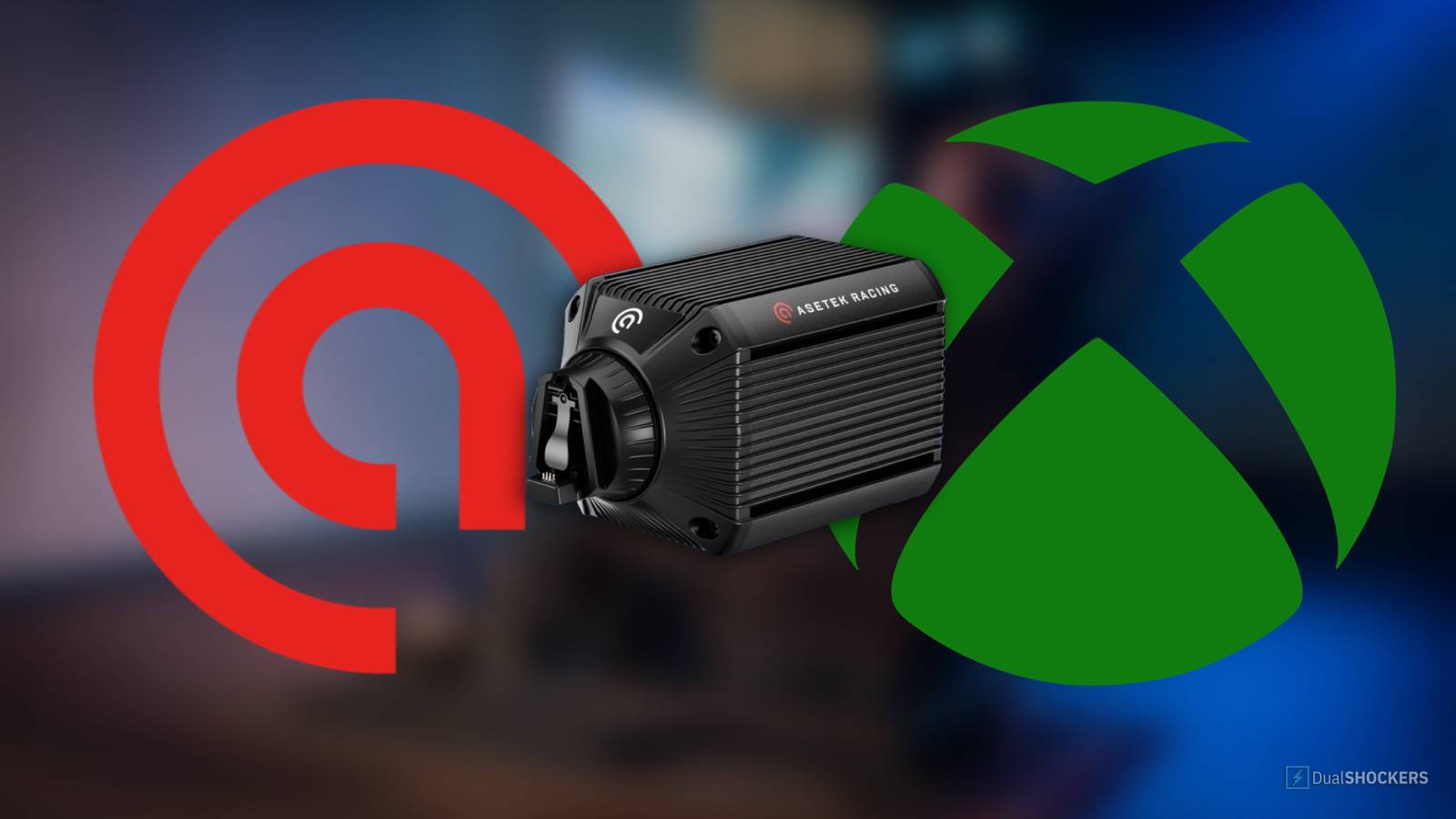
The DD10 wheelbase is the latest expansion of this family. While official pricing remains under wraps ahead of its Q4 2026 launch, the product’s placement within the Initium tier is a clear indicator that Asetek intends to maintain its competitive pricing edge. For the newcomer, this means the ability to enter the direct-drive market—which offers near-instantaneous force feedback response—without the financial anxiety typically associated with high-end PC gaming peripherals.
Chronology: From Concept to Expo Spotlight
The journey of the DD10 is part of a broader, year-long effort by Asetek to re-evaluate how they interface with the global racing community.
- Early 2026: Asetek began internal discussions regarding the "accessibility gap" in console-based sim racing. Despite the rise of platforms like Forza Motorsport and Gran Turismo, the hardware market remained heavily skewed toward PC-only enthusiasts.
- May 2026: Initial teasers regarding "Project Initium" began circulating within industry circles, hinting at a shift toward broader compatibility.
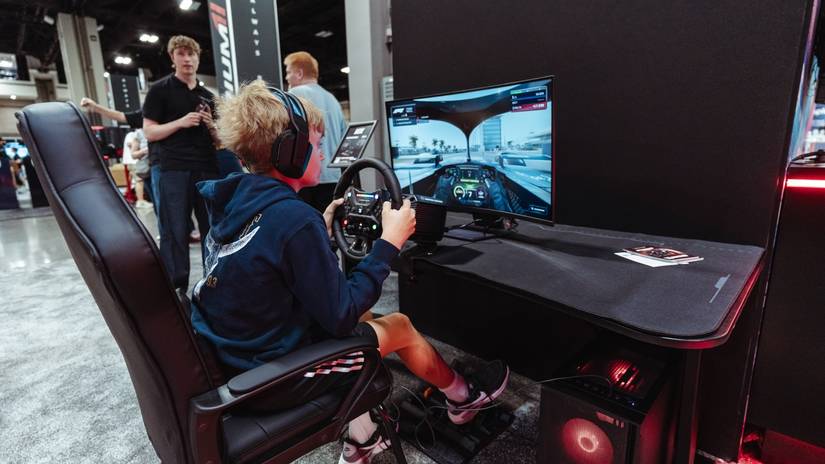
- June 2026 (SimRacing Expo, Charlotte): Asetek officially unveiled the DD10. The event served as a testing ground for the unit, allowing enthusiasts and media professionals to experience the direct-drive fidelity firsthand.
- June 30, 2026: Public revelation of the DD10’s feature set, confirming dual-platform support and cross-brand wheel compatibility.
- October 2026 (Scheduled): Further technical demonstrations and potential hands-on pricing reveals at the SimRacing Expo in Frankfurt, Germany.
Breaking the Silos: The Xbox Partnership and Cross-Compatibility
Perhaps the most significant aspect of the DD10 announcement is its full compatibility with both PC and Xbox consoles. For years, the "console tax" meant that if you wanted to play on a console, you were restricted to specific, often inferior, hardware ecosystems. Asetek’s decision to integrate Xbox support natively into the DD10 is a direct response to the massive, underserved audience of console racers who are ready to upgrade from belt-driven wheels to direct-drive systems.
During an interview in Charlotte, Asetek CEO André Eriksen emphasized that the company’s R&D focus is no longer just on raw power, but on the "frictionless user experience."

"Console gaming is inherently more accessible and straightforward than the sometimes-daunting world of PC configurations," Eriksen noted. "It is high time that a premium sim racing brand bridges that gap, offering the same level of tactile fidelity to console users that PC users have enjoyed for years."
The "Open Architecture" Philosophy
Beyond console compatibility, the DD10 stands out for its commitment to "open architecture." In an industry rife with proprietary connectors and "walled garden" software, Asetek is actively encouraging the use of third-party steering wheels.
This is a profound departure from the industry norm. By designing the DD10 to support a variety of steering wheel rims—not just Asetek-branded products—the company is acknowledging the reality of the hobby: users often have personal brand preferences, whether it’s for a specific rally rim, a Formula-style yoke, or a classic leather-wrapped wheel. By removing the restriction that forces users to buy into a single brand’s entire hardware suite, Asetek is significantly lowering the total cost of ownership.
Official Responses and Industry Implications
The reception of the DD10 at the Charlotte expo has been largely positive, with industry analysts pointing to the "Asetek effect" as a potential catalyst for price drops across the entry-level sector.
In a formal press release, André Eriksen stated: "DD10 removes the barriers that have held sim racers back: real direct drive performance, the freedom to use the wheels you already own, and compatibility for Xbox. It is the most accessible way into the Asetek Racing experience."
This sentiment is echoed by the integration of RaceHub, Asetek’s software suite. While the hardware is plug-and-play for console users, PC users retain the granular control they expect, allowing for fine-tuning of force feedback curves, steering angles, and haptic intensity. The implication here is clear: Asetek is betting that a high-quality entry-level experience will convert casual players into lifelong brand loyalists.
Why This Matters for the Future of Sim Racing
The sim racing industry is currently at an inflection point. As eSports continue to gain legitimacy, and as real-world racing series increasingly use sim rigs as training tools for professional drivers, the divide between "casual" and "pro" is narrowing.
However, the hardware market has struggled to keep pace with this cultural shift. The DD10 represents a maturation of the market. It suggests that manufacturers have realized that the real profit lies not in selling a handful of $3,000 units to elite users, but in selling thousands of high-quality, reliable units to a growing middle class of sim racers.
Furthermore, the focus on Xbox compatibility is a strategic masterstroke. By targeting the massive installed base of the Xbox ecosystem, Asetek is positioning itself as the "premium entry point." It is a move that acknowledges the reality that many users start on consoles and may eventually move to PC. By providing a bridge that works for both, Asetek ensures that they are the brand the customer grows with, rather than the brand the customer eventually replaces.
Looking Ahead: The Road to Frankfurt
As we approach the second major industry event of the year in Frankfurt this October, the focus will shift from "what is it?" to "how does it perform in the wild?" The community is hungry for empirical data: heat dissipation, force feedback latency tests, and long-term durability reports.
If the DD10 delivers on the promises made in Charlotte—reliable direct-drive performance, universal wheel compatibility, and a price point that doesn’t alienate the average gamer—it could well become the most important piece of sim racing hardware of the decade.
For the reader who has been on the fence, waiting for the right moment to abandon their entry-level belt-driven base, the message from Asetek is clear: the barrier is coming down. The era of the accessible, professional-grade sim racing rig is finally upon us, and it’s looking a lot like the DD10.
Stay tuned for our upcoming hands-on review and full performance analysis following the Frankfurt showcase. The race is just beginning.