

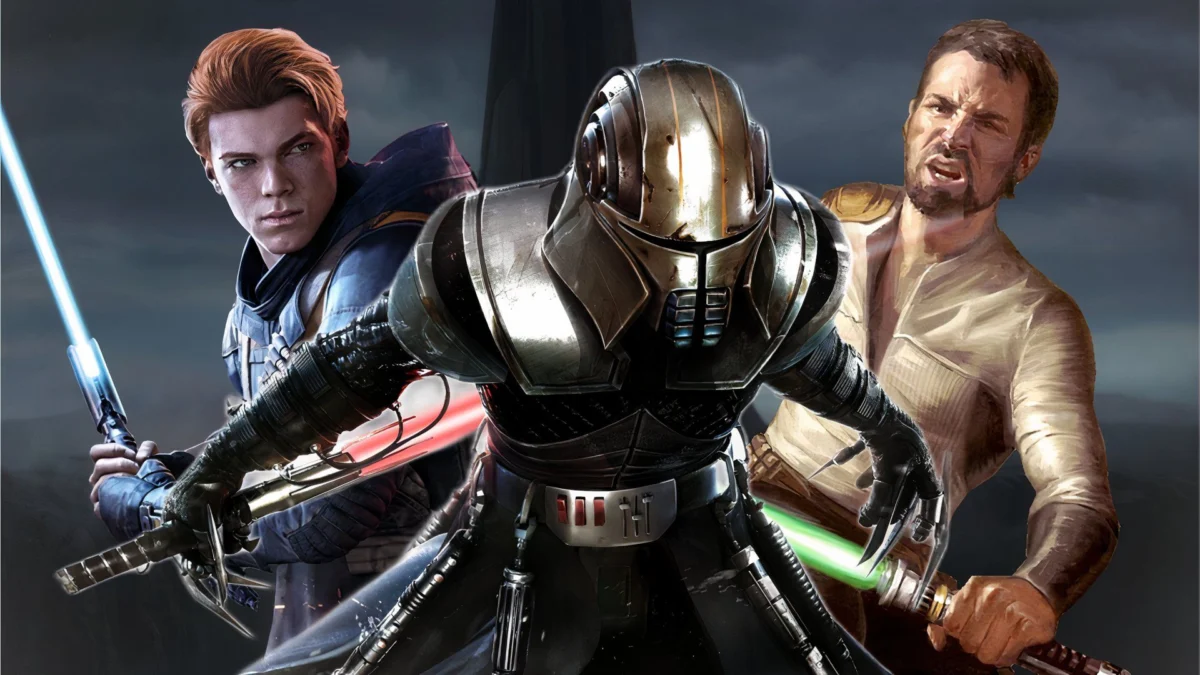
Video games have long served as the ultimate medium for the "power fantasy." While cinema offers us a window into the heroics of the Jedi and the tyranny of the Sith, it is constrained by visual effects budgets, stunt choreography, and narrative pacing. In the gaming landscape, however, these limitations vanish. Players are no longer mere spectators; they are the architects of the Force, wielding abilities that make the feats seen on the silver screen look like parlor tricks.
For fans of the Star Wars galaxy, the appeal of these titles is universal: the desire to transcend the boundaries of human (or alien) capability. From the neon-drenched corridors of Mustafar to the expansive, war-torn battlefields of the Old Republic, developers have consistently pushed the envelope on what it means to be truly "Force-sensitive." Below, we explore eight essential Star Wars titles that elevate the player experience, granting god-like power and mechanical depth that surpasses even the most legendary cinematic moments.
1. Star Wars: The Force Unleashed — The Apex of Overpowered Protagonists
It is impossible to discuss the height of Force-wielding power without centering the conversation on Galen Marek, better known as Starkiller. Developed by LucasArts, The Force Unleashed remains the definitive power fantasy in the Star Wars library.
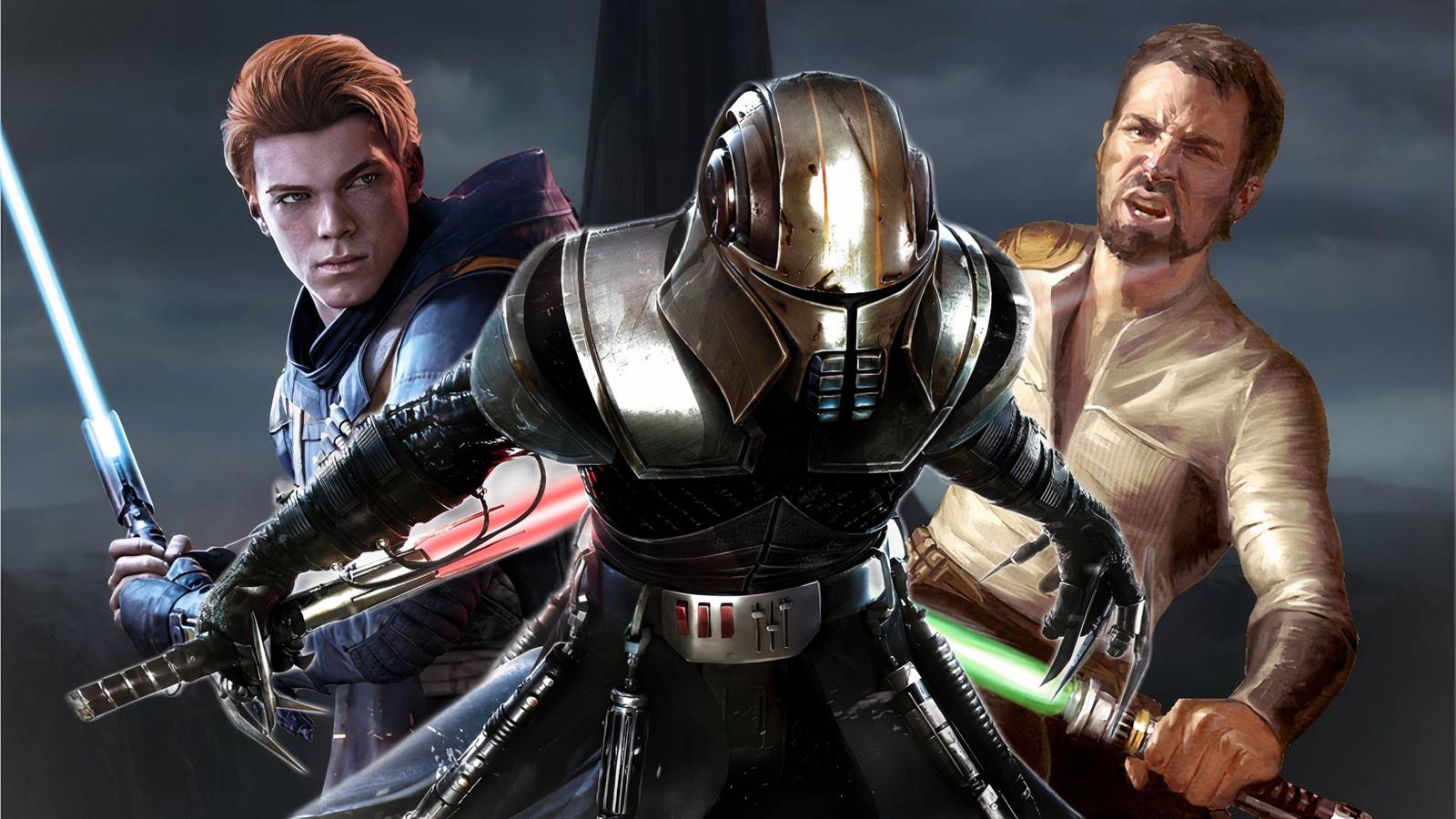
Main Facts: As the secret apprentice to Darth Vader, Starkiller is not a traditional Jedi or Sith; he is a weapon of mass destruction. The game utilizes a sophisticated physics engine that allows players to treat enemies, massive AT-ST walkers, and environmental debris as ragdolls.
Chronology & Implications: Set during the dark times between Revenge of the Sith and A New Hope, the game introduces a version of the Force that is visceral and destructive. The most iconic moment—the pulling of a crashing Imperial Star Destroyer from the sky—remains one of the most cited moments in gaming history. By the end of his journey, Starkiller’s power level reaches a point where he can engage in direct, winning combat against both Darth Vader and Emperor Palpatine simultaneously. Whether you adhere to the Light or Dark side, Starkiller represents the absolute ceiling of what a singular Force user can achieve in the Star Wars canon.
2. Star Wars: The Old Republic — Legions of Legend
When moving from individual power to systemic mastery, Star Wars: The Old Republic (SWTOR) stands in a league of its own. As an MMORPG developed by BioWare, it serves as a massive playground for players to cultivate their own legacy.
Chronology: Set thousands of years before the Skywalker Saga, the Old Republic era is characterized by an abundance of Force users. The galaxy is not struggling with the remnants of a fallen Order; it is teeming with ancient academies, competing ideologies, and world-ending threats.
Supporting Data: Players can choose from multiple classes, including the Jedi Knight and Sith Warrior, each offering unique narrative campaigns. Unlike the movies, where Force powers are often subtle, the MMO format allows for a "skill tree" progression that culminates in abilities like Force Storm and Dark Ward. These aren’t just moves; they are tactical manifestations of a character’s mastery over the Force, used to take down titans of lore like Darth Vitiate and Darth Revan.
3. Star Wars Knights of the Old Republic II: The Sith Lords
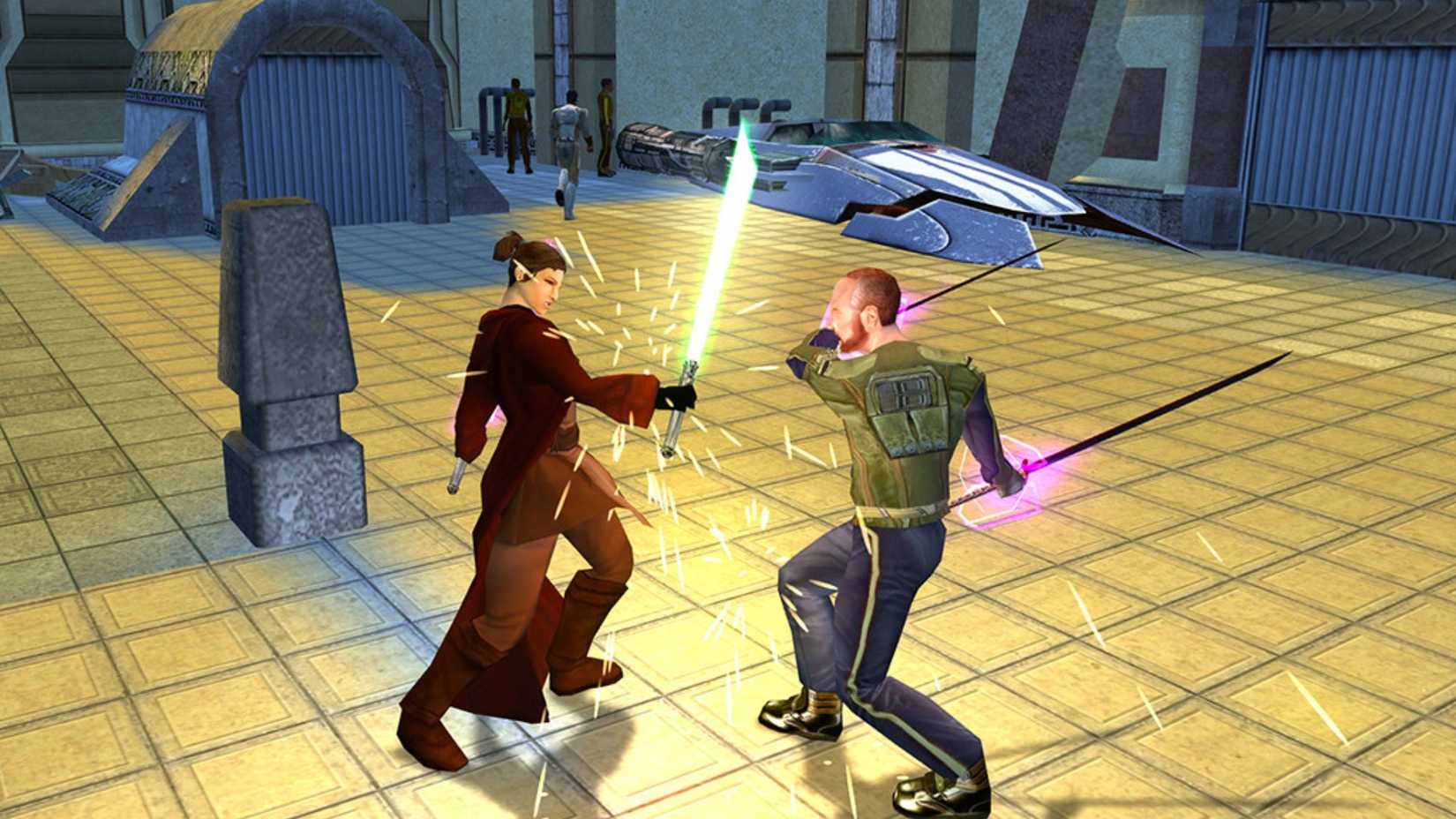
While the first KOTOR established the foundation, The Sith Lords deconstructed the very nature of the Force through the eyes of the Jedi Exile, Meetra Surik.
Implications: The brilliance of this title lies in the protagonist’s unique relationship with the Force. As someone who cut their connection off, the player’s journey is one of rediscovery and profound internal growth. Surik is not just a warrior; she is a "wound in the Force," capable of influencing and drawing energy from those around her.
Official Response/Reception: Long lauded by critics for its deep, philosophical narrative, the game allows for a level of character customization that puts movie protagonists to shame. By utilizing abilities like "Force Enlightenment," the Exile can balance light and dark, creating a character build that is objectively more versatile and tactically sophisticated than the combatants seen in the cinematic trilogies.
4. Star Wars Jedi: Survivor — The Modern Standard
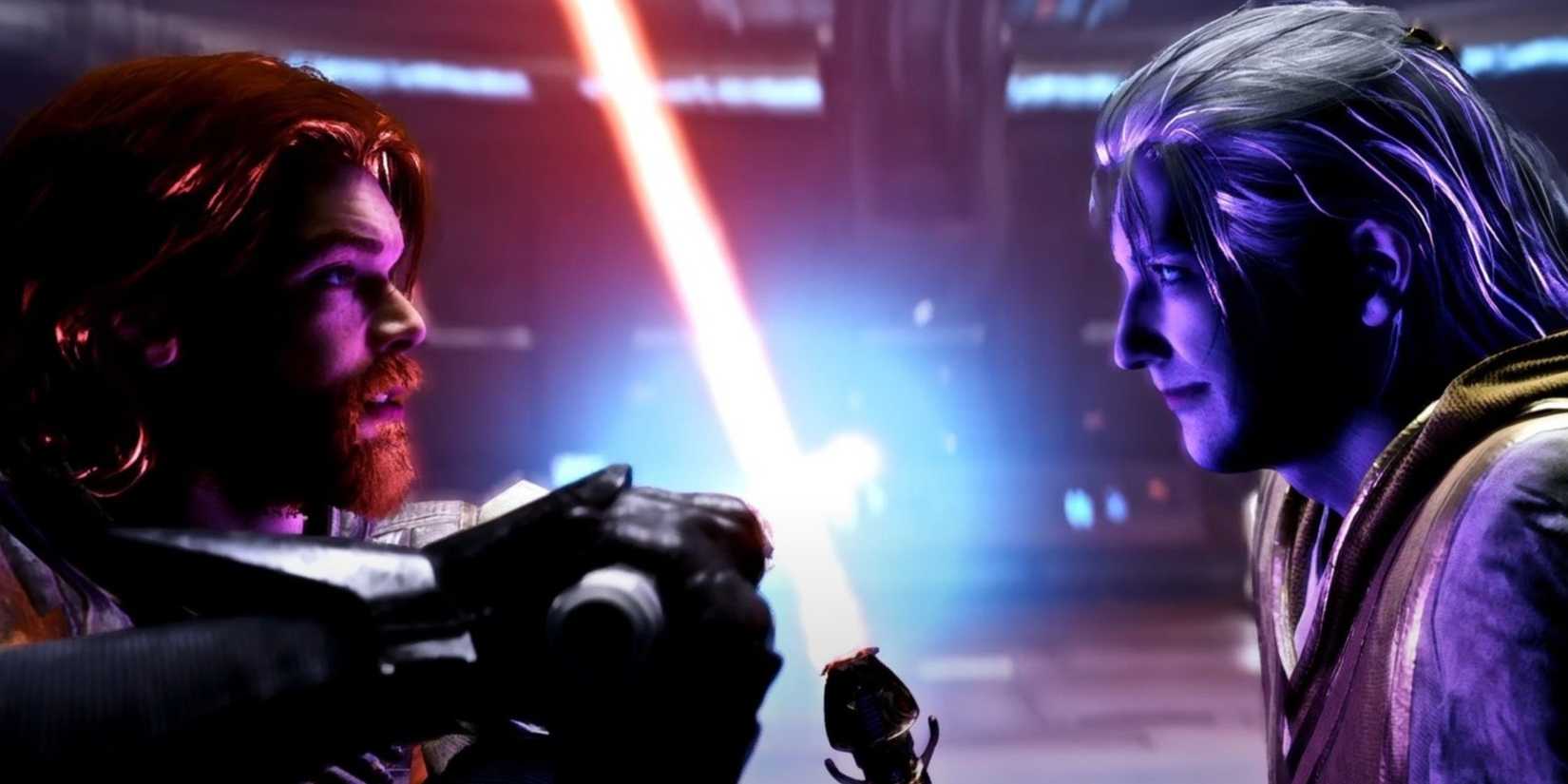
Respawn Entertainment’s Jedi: Survivor represents the evolution of the Jedi experience in the modern gaming era. Following the journey of Cal Kestis, the game manages to balance "grounded" combat with an ever-expanding arsenal of supernatural abilities.
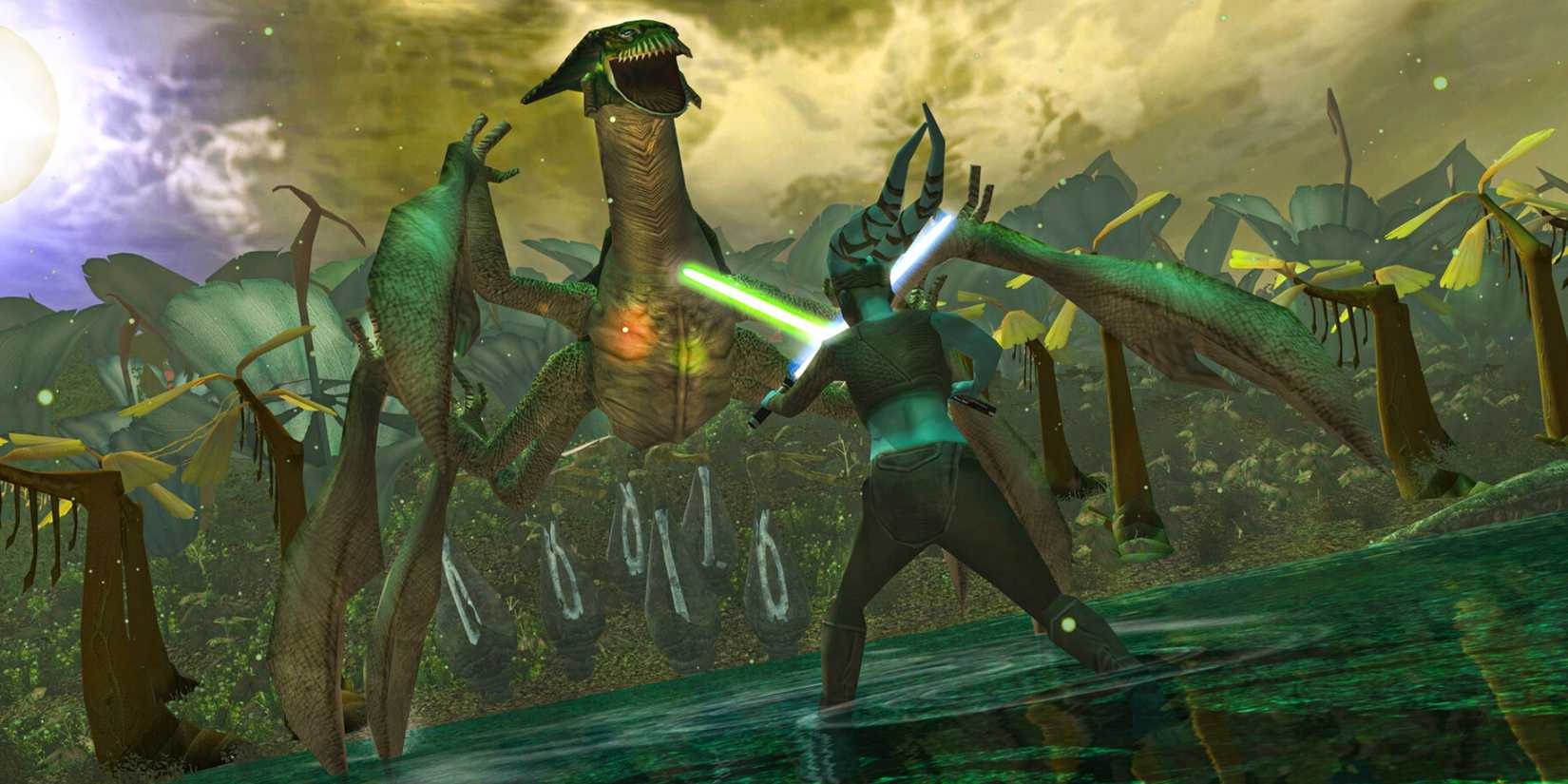
Chronology: Set shortly after the events of Fallen Order, the game picks up with a more seasoned Cal. While he began as a survivor, he has matured into a tactical powerhouse.
Supporting Data: The introduction of multiple lightsaber stances—Dual-Wield, Blaster, and the imposing Crossguard—gives players options that were never fully explored in live-action. Kestis can mind-trick gargantuan creatures, manipulate gravity, and utilize Dark Side-fueled bursts of power that feel earned through the player’s own mastery of the game’s parry-heavy combat system. It is a masterclass in making the player feel like a true Jedi Knight, not just a survivor.
5. Star Wars Jedi Knight: Jedi Academy
For many veteran fans, the Jedi Knight series is the gold standard for lightsaber combat. Jedi Academy took everything that worked in Jedi Outcast and cranked the intensity to eleven.
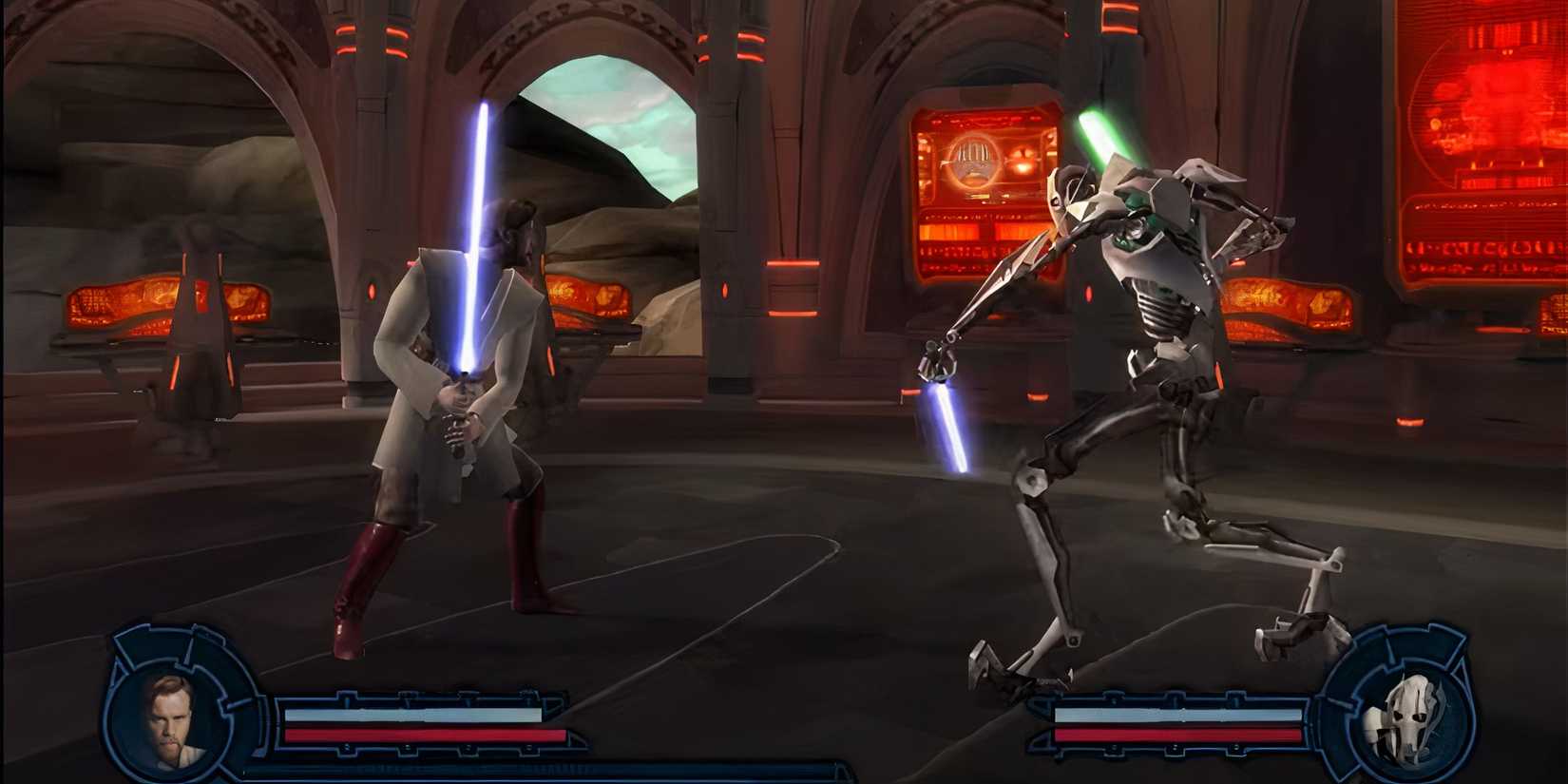
Main Facts: Players step into the boots of Jaden Korr, an apprentice under the tutelage of the legendary Kyle Katarn. The game is unique for its commitment to total player freedom regarding the Force.
Implications: Jedi Academy allows for a modular approach to character development. Do you want to master "Force Drain" while simultaneously learning "Force Absorb"? The game lets you. This freedom creates a sense of empowerment that is rarely matched. By the final act, the player is essentially a one-person army, capable of engaging multiple Dark Jedi simultaneously while utilizing a variety of lightsaber forms, including the double-bladed and dual-wielding styles.
6. Star Wars: Episode III – Revenge of the Sith
Often overlooked in favor of more modern titles, the Revenge of the Sith movie tie-in game is a hidden gem of third-person action.
Chronology: The game mirrors the film’s events but expands upon them with a level of aggression unseen in the cinematic cut.
Supporting Data: The developers clearly wanted to capture the high-stakes, high-octane nature of the Clone Wars. The result is a combat system where Jedi and Sith utilize "Force Dashes" and devastating area-of-effect attacks. Anakin Skywalker’s "Fury Explosion" and Obi-Wan’s "Force Shockwave" are cinematic displays of power that give the player a sense of being in the middle of a literal galaxy-defining conflict. It remains one of the few games that truly captures the sheer brutality of the fall of the Jedi Order.
7. Star Wars: Battlefront II (2005)
Pandemic Studios’ original Battlefront II holds a sacred place in the hearts of fans. It wasn’t just a shooter; it was a simulation of the entire Star Wars experience.
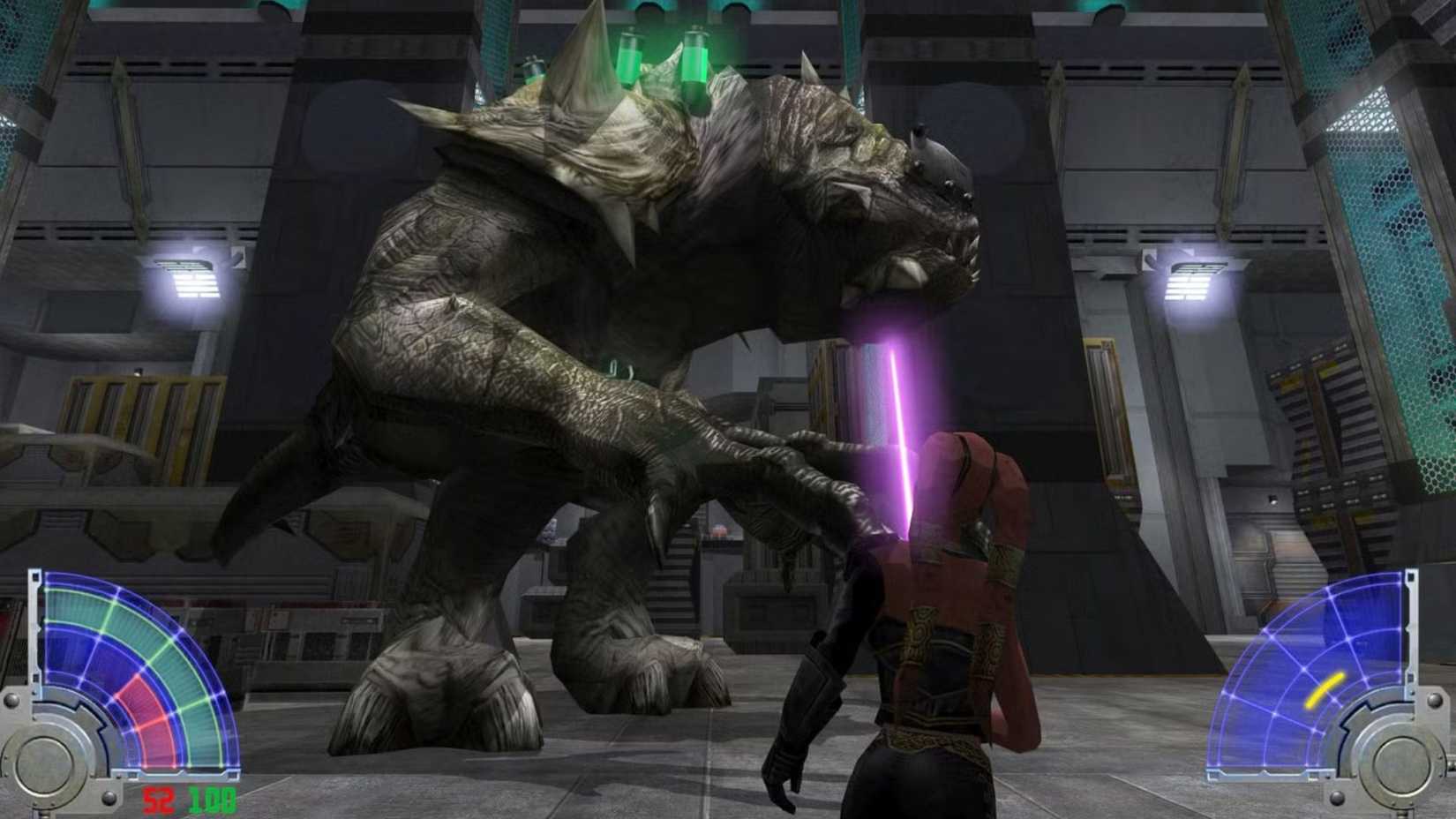
Main Facts: The game allowed players to take control of heroes and villains on a massive scale. While the graphics may show their age, the gameplay mechanics regarding Force users were ahead of their time.
Supporting Data: Characters like Mace Windu and Kit Fisto were granted abilities that were never seen on screen. The ability to perform massive, multi-story Force jumps and glide through the air gave players a sense of verticality that made the battlefield feel small. These characters felt like legends, capable of turning the tide of a 64-player battle with a single, well-timed Force push.
8. Vader Immortal: A Star Wars VR Series
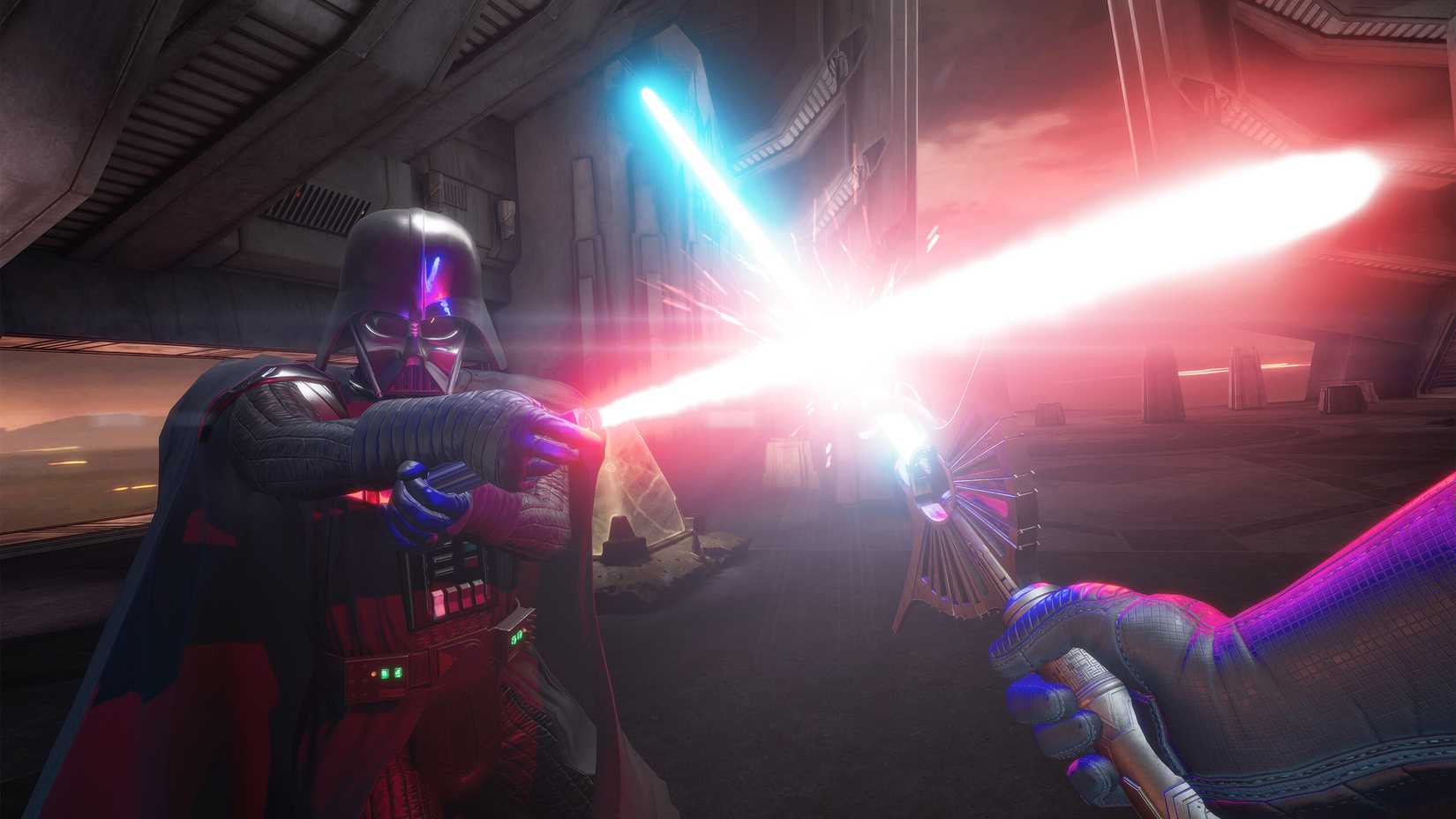
The final entry in our list moves from the screen to the headset. Vader Immortal provides a tactile, intimate experience that cannot be replicated by a controller.
Chronology: Set on the volcanic world of Mustafar, this VR experience puts the player in the shoes of a smuggler who discovers they are the descendant of an ancient Force-user, Lady Corvax.
Implications: In virtual reality, the power fantasy becomes a physical reality. When you reach out your hand to grip a droid, or when you ignite your lightsaber with a flick of your wrist, the connection to the Force feels tangibly real. The game forces the player to engage in direct lightsaber duels with Darth Vader himself, requiring a level of reflex and focus that makes the player feel like they have genuinely stepped into the shoes of a Force-sensitive warrior.
Conclusion: The Evolution of the Jedi Fantasy
The common thread connecting these eight titles is the developer’s willingness to break the "rules" of the cinematic universe to prioritize the player’s experience. Whether it is through the physics-defying destruction of The Force Unleashed or the deep, tactical customization of KOTOR II, these games understand that the Star Wars franchise is at its best when the player feels not just like a participant, but like a master of the galaxy’s most elusive energy.
As technology continues to advance, we can only expect these power fantasies to grow more immersive. For now, these eight games remain the definitive way to step beyond the screen and into the shoes of the most powerful Force wielders the galaxy has ever known.











No comments yet. Be the first to join the conversation!