

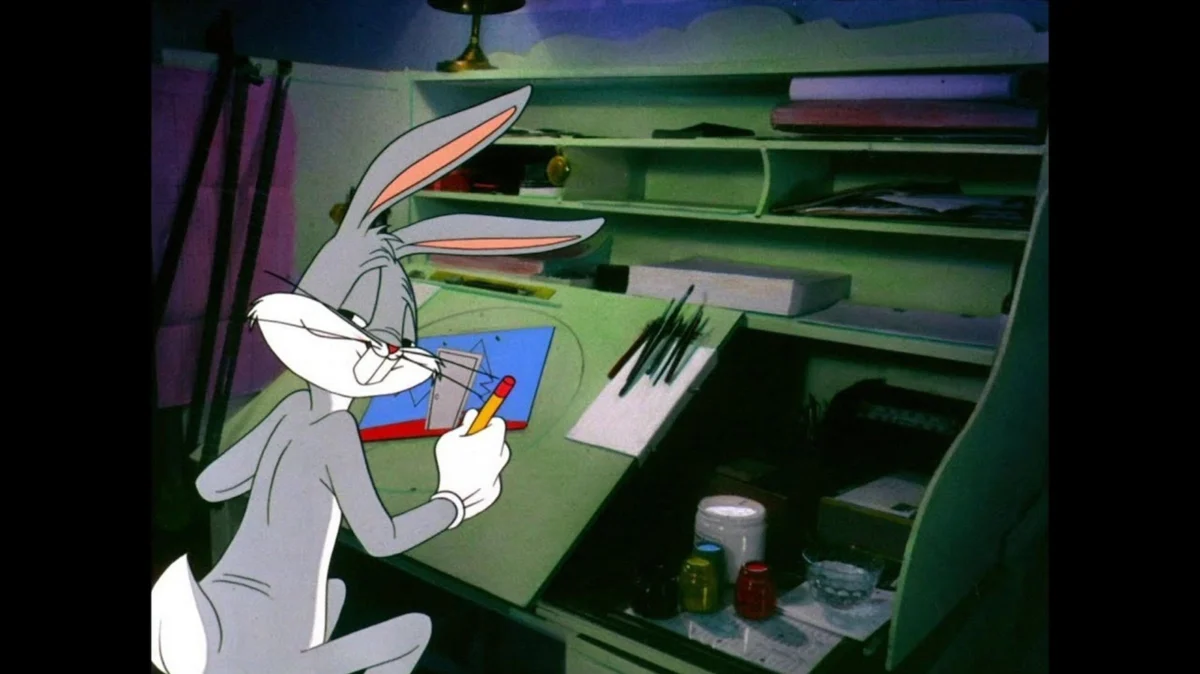
Animation is a medium constantly under siege, yet it remains the resilient backbone of the global entertainment industry. From the early days of the pandemic, when live-action productions shuttered and studios turned to animation to salvage half-finished episodes, to the modern era of encroaching AI and corporate cost-cutting that sees finished films deleted for tax write-offs, the path of the animator is fraught with systemic instability.
However, beneath the macro-level pressures of studio politics and technological disruption lies a more fundamental, eternal struggle: the technical and artistic challenge of breathing life into the inanimate. To understand the sheer difficulty of the craft, we spoke with four titans of the industry: Derek Drymon, creative director for the original SpongeBob SquarePants; Genndy Tartakovsky, the visionary behind Dexter’s Laboratory and Primal; Ryan C. Lopez, a Lucasfilm Animation coordinator and director; and Jorge R. Gutierrez, the acclaimed director of The Book of Life and Maya and the Three.
The Anatomy of Emotion: Why Expressions Are the Ultimate Hurdle
While the challenges of animation are as varied as the artists themselves, a clear consensus emerged among our experts: the hardest thing to master is the nuance of human expression.
To the casual observer, animation may seem like a purely technical endeavor. Yet, the finest animation succeeds precisely because it tricks the viewer into believing that a series of static images—or a 3D rig—is a sentient being. The line between a drawing and a character is razor-thin, and that line is drawn with the eyebrows, the tilt of the head, and the subtle twitch of a lip.
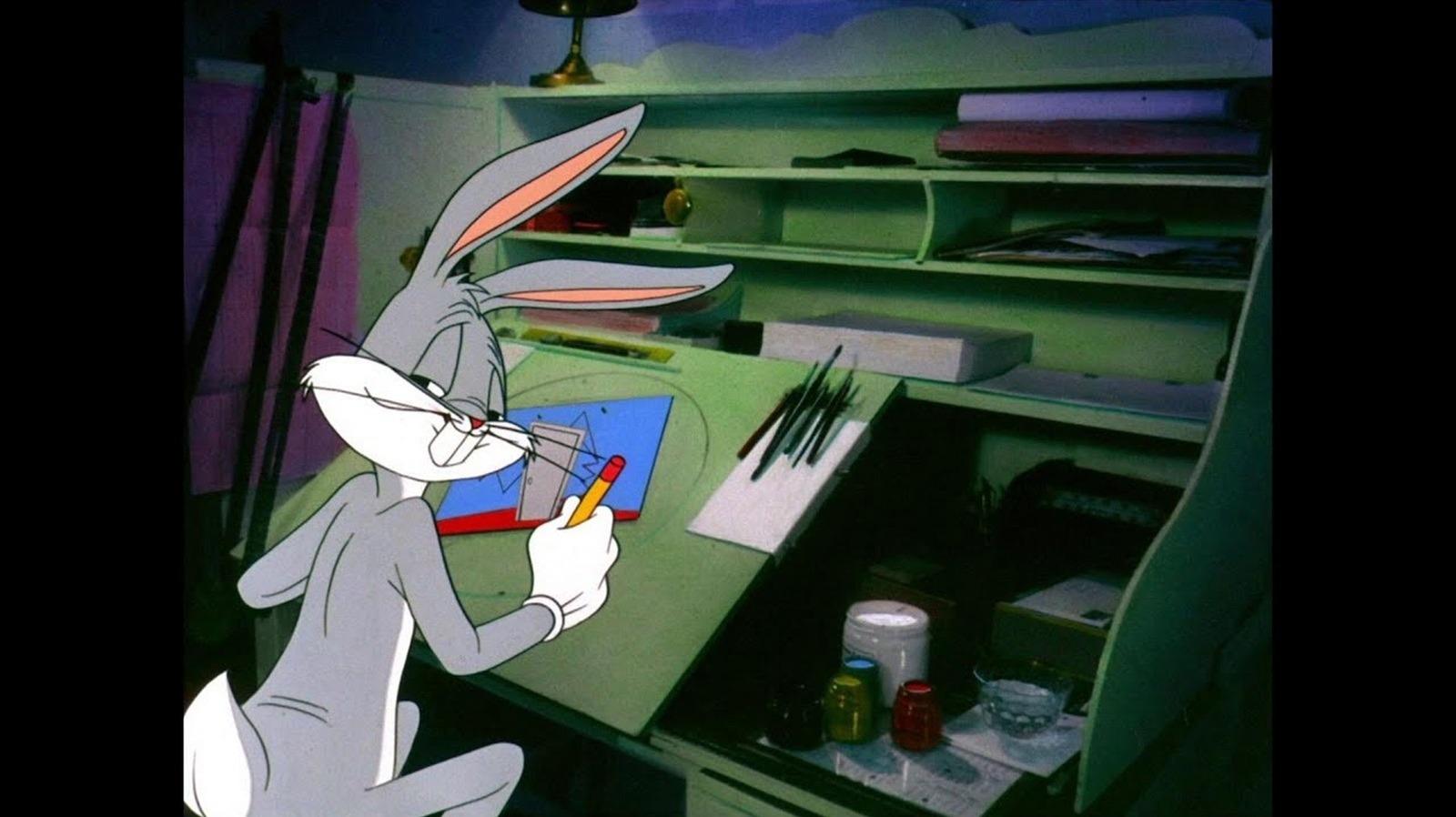
The Silent Language of Character
"The hardest thing is to capture the thought process of a character through an expression or face," explains Derek Drymon. His work on SpongeBob represents a philosophy that favors visual storytelling over dialogue. Drymon notes that the show’s success relies on "loud" and elastic character acting that embraces the medium’s unique ability to distort and exaggerate reality to convey internal states.
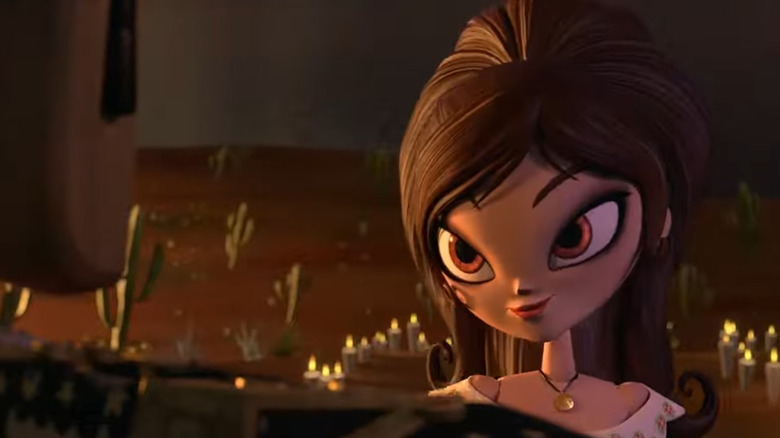
This sentiment is echoed by Jorge R. Gutierrez, who points to a pivotal, silent moment in The Book of Life. When María (voiced by Zoe Saldaña) looks at Manolo (Diego Luna) as he sings, the entire emotional weight of the film hangs on that single, wordless glance. "That look is the key to the entire film," Gutierrez notes. "Without it, it falls apart." He emphasizes that the challenge is a delicate balancing act: "It’s super easy to go too far and make it pastiche or too cartoony, but if you don’t go hard enough, no one notices."
Chronology of the Craft: From Slapstick to Silent Sophistication
The evolution of animated expression has a rich history rooted in the principles of acting. The mastery of the silent look has been the "holy grail" of the medium since the Golden Age of animation.
- The Early 20th Century: Animators looked toward the silent film era—specifically icons like Charlie Chaplin and Buster Keaton—to understand how body language and facial micro-expressions could dictate the pace of a story.
- The Chuck Jones Era: Legends like Chuck Jones refined this, proving that dialogue was often an impediment to pure character work. His Looney Tunes shorts established the blueprint for conveying intent through silhouette and expression.
- The Modern Renaissance: Today, animators like Genndy Tartakovsky are pushing these boundaries further. With Primal, Tartakovsky stripped away dialogue entirely, forcing the audience to rely on the raw, kinetic acting of his characters to understand complex themes of grief, trauma, and companionship.
Animated Acting: No Shortcuts for the Soul
"Animated acting is still acting," is the mantra of modern production. Ryan C. Lopez, who has contributed to the Star Wars universe at Lucasfilm, notes that in modern animation, there is no place to hide.
"You can cheat with other shots, but when it’s just a camera on someone’s face and they need to act, you can’t get around it," Lopez says. He cites the iconic moment in The Little Mermaid where Ariel reaches toward the camera—a shot that focuses entirely on the microscopic nuances of her longing. "That’s what I would say is the hardest, most difficult thing to draw. Because you just have to convince the audience that this person’s alive and with us with every single little idiosyncrasy that a person does—every little twitch of the eye."
This requires a deep understanding of human psychology. An animator is not just a draftsman; they are a performer, a lighting technician, and a cinematographer all rolled into one. They must translate the weight of human experience into pixels or ink, ensuring that the audience doesn’t just see a drawing, but feels a spirit.
The "Bane" of Animators: The Biological Barrier
Beyond the ethereal challenge of emotion, there is the grounded, technical nightmare that every artist knows: drawing animals.
While the general public might assume that complex machinery or sprawling backgrounds are the hardest tasks, the reality is far more humbling. Genndy Tartakovsky admits that "dinosaurs were hard," a confession that feels understated given the fluid, terrifying movement of his creations in Primal.
Jorge R. Gutierrez adds a touch of professional humor regarding the horse—the ultimate litmus test for an artist’s skill. "As a kid, I always had a lot of trouble drawing horses. It’s super hard to draw horses. The problem with horses is that if you do them right, no one notices. But they always notice if you do them wrong." Gutierrez’s anecdote about hiring a specialist just to handle a horse in The Book of Life highlights the humility required in the industry; even a master director knows when to step back and defer to someone with the specific "muscle memory" for equine anatomy.
Implications: The Search for Unique Identity
If the technical challenges of expressions and anatomy are the "what" of animation, the "why" is even more daunting. In an era where software can assist with the heavy lifting and AI can generate infinite iterations of a character, the true challenge of the modern animator is maintaining a unique point of view.
"I think the hardest thing in drawing is to be unique," Tartakovsky reflects. "You can learn to draw anything just by drawing it a lot. But to be unique and to have your own point of view on your drawing and your own style that’s unique to yourself… It’s harder and harder to be an individual with a unique style that nobody else has."
The Future of the Medium
The animation industry is at a crossroads. As studios consolidate and the pressure to produce content at a breakneck speed increases, the human element of animation is more vital than ever. The "hardest thing to draw" is not a specific shape or a complex movement; it is the imprint of the artist’s soul.
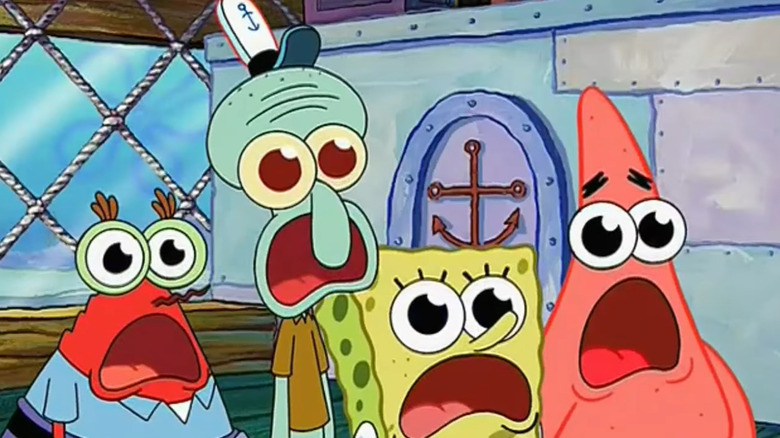
Whether it is the elasticity of a SpongeBob grin, the wordless fury of a Primal spear-wielder, or the subtle gaze of a character in love, the difficulty of the work is what gives animation its enduring power. As long as there are creators who prioritize the "thought process" behind an expression over the ease of a shortcut, the medium will not only survive the "brink of disaster"—it will continue to redefine the very nature of storytelling.
The next time you watch an animated film, look past the vibrant colors and the high-budget effects. Focus on the eyes of the characters. In that silence, in that single, fleeting look, you will find the cumulative result of thousands of hours of heartbreak, triumph, and the singular, relentless pursuit of the impossible.











No comments yet. Be the first to join the conversation!