Dwi Wanna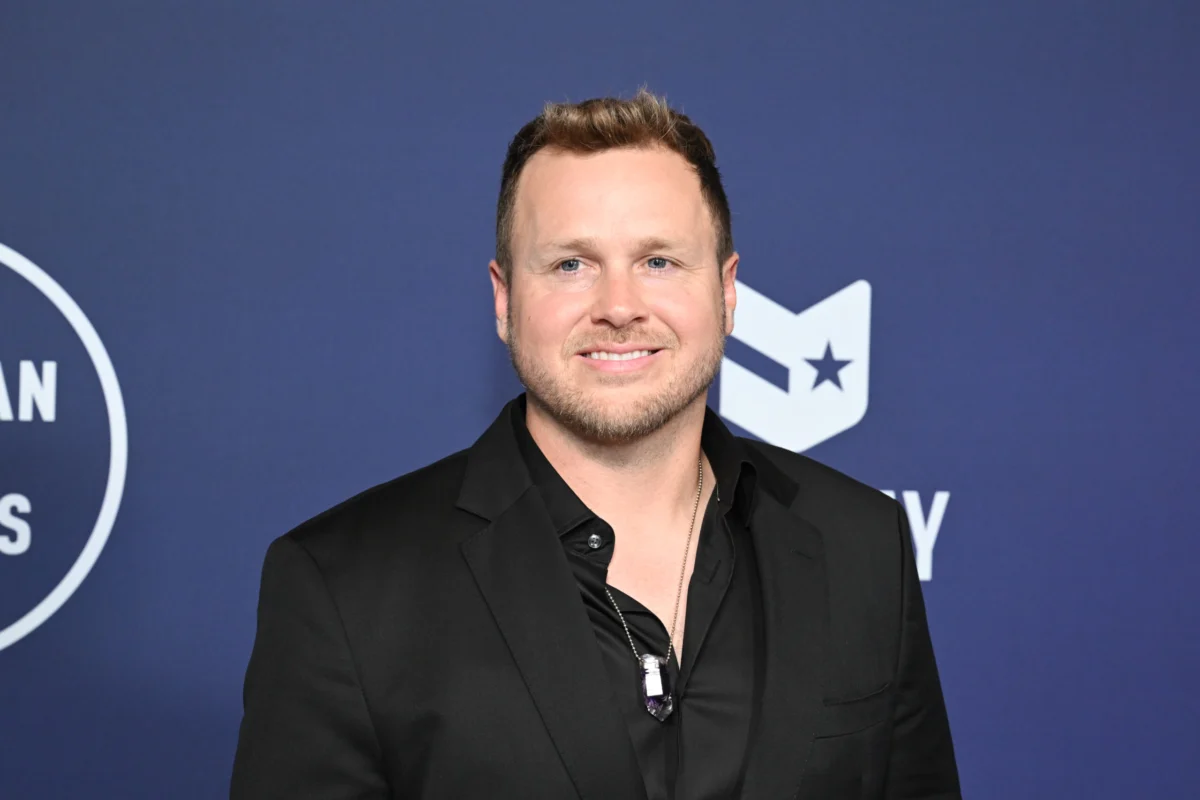
The landscape of California politics, long characterized by institutional stability and the predictable dominance of the Democratic establishment, is currently undergoing a radical,, and perhaps permanent, transformation. As the dust settles on a frenetic primary night, the results suggest that voters are increasingly receptive to outsiders, media personalities, and candidates who thrive on the volatility of the digital age. From the glitz of Los Angeles municipal politics to the high-stakes governor’s race in Sacramento, the "establishment" is finding its footing slipping on terrain shifting beneath it.
The Los Angeles Mayoral Race: A Made-for-TV Showdown
In a turn of events that feels more like a script development meeting than a municipal primary, The Hills star-turned-political provocateur Spencer Pratt is positioning himself for a runoff against incumbent Mayor Karen Bass. With roughly half of the ballots tallied, Pratt sits comfortably in second place with 30% of the vote. He holds a significant nine-point lead over his closest progressive rival, City Council member Nithya Raman.
Should these margins hold—a caveat that remains vital as late-arriving ballots in Los Angeles notoriously lean toward more progressive, urban-center demographics—the city is poised for a general election clash that pits the seasoned legislative acumen of Karen Bass against the chaotic, viral energy of a reality television icon.
The Dynamics of the Clash
The battle between Bass and Pratt is shaping up to be one of the most polarized and colorful contests in modern municipal history. Pratt has run an aggressive, disruptive campaign, utilizing his mastery of social media to paint the incumbent as a symbol of institutional failure. His campaign has frequently shared inflammatory videos depicting Bass as "The Joker," while criticizing her administration’s handling of the city’s dual crises: a skyrocketing homelessness rate and an intractable housing shortage.
For months, the Bass campaign maintained a strategy of studied silence, opting to ignore Pratt in hopes that his candidacy would fizzle as a mere publicity stunt. However, as the primary drew to a close, the incumbent shifted tactics. Bass publicly labeled Pratt a "TV reality star villain," a rhetorical pivot that both underscored his lack of political experience and inadvertently granted him the national attention he has sought throughout the campaign.
Adding another layer of surrealism to the race is the involvement of former President Donald Trump. While Pratt has received a nod of approval from the former commander-in-chief, he has notably rebuffed the endorsement, attempting to cultivate an independent brand of anti-establishment populism that defies traditional party lines.
Chronology: The Road to the Runoff
The progression of this primary season reflects a broader shift in voter sentiment. Throughout the spring, local pundits dismissed Pratt’s entry into the race as a "vanity project." However, as public frustration over urban blight and public safety reached a boiling point, the reality star’s consistent messaging—centered on "cleaning up" Los Angeles—began to resonate with a segment of the electorate that feels ignored by the political class.
- Early Campaign Phase: Candidates filed, and Mayor Karen Bass, holding a massive fundraising advantage, appeared headed for a comfortable, perhaps even outright, victory.
- The "Pratt Factor": By mid-spring, Pratt began utilizing his massive digital footprint to bypass traditional media, effectively setting the news cycle on his own terms.
- The Progressive Squeeze: Nithya Raman, the progressive hope, found herself fighting a two-front war: against the incumbent’s resources and against the spoiler candidacy of Rae Huang, a Democratic Socialist who consistently drew from the same base of voters.
- Election Night: Initial returns confirmed that while Bass leads with 37%, she remains well below the 50% threshold required to avoid a runoff, setting the stage for a dramatic general election.
Supporting Data and the Progressive Rebuff
The primary results have served as a sobering reality check for the progressive wing of the Democratic Party in Los Angeles. If Nithya Raman fails to overtake Pratt in the final count, it will be viewed as a significant strategic failure for local progressives. Much of the post-election analysis will inevitably center on the decision by Rae Huang to remain in the race, effectively siphoning crucial support away from Raman and inadvertently clearing a path for the Pratt-Bass runoff.
In Sacramento, the narrative of "progressive struggle" is even more pronounced. The race for governor has seen billionaire activist Tom Steyer, who poured over $200 million of his own fortune into his campaign—the highest expenditure of any candidate in the nation this cycle—largely sputter with voters. Despite his advocacy for ambitious climate policies and "token taxes" on AI usage, his inability to gain traction suggests a disconnect between high-concept progressive policy and the immediate economic anxieties of the average Californian.
Official Responses and Tactical Shifts
The reaction from the candidates on election night highlighted the starkly different worlds they inhabit.
In her address to supporters, Mayor Karen Bass leaned heavily into her role as a steward of the city’s economy, framing Los Angeles as the "creative capital of the world." She vowed to revitalize the film industry, promising to bring back jobs that have been lost to other jurisdictions. Her speech was a calculated attempt to reclaim the "Hollywood" identity from an opponent who literally made his career on it.
Conversely, Spencer Pratt leaned into his "anti-elite" persona. In a move that defied decades of election-night tradition, he reportedly banned the press from his election-night headquarters at Don Antonio’s in Sawtelle. This exclusion served as a physical manifestation of his campaign rhetoric, framing the media as part of the very "establishment" he claims to be dismantling.
In the gubernatorial race, former Fox News host Steve Hilton provided a more oratorical, if not eccentric, response. Acknowledging his status as an outsider—and a British-born one at that—he drew a direct comparison between himself and former Governor Arnold Schwarzenegger. "I know some of you are watching and thinking, ‘who is this guy with a funny accent?’" he joked, before pivoting to his central, populist mantra: "Change is coming."
Implications for the General Election
As the state moves toward the general election, the implications are profound.
1. The Death of the "Safe" Incumbent
Both Karen Bass and Gavin Newsom’s potential successor, Xavier Becerra, find themselves in contests where the "establishment" label is a liability. The success of Steve Hilton—a man who has never held elected office—in leading the field for the gubernatorial seat suggests that California voters are increasingly prioritizing personality and disruption over resume and political seniority.
2. The Fragmentation of the Left
The potential failure of both Nithya Raman and Tom Steyer highlights a critical fracture in the progressive movement. When multiple candidates compete for the same ideological space, the result is often the elevation of a candidate who thrives on the fringes. The "Monday-morning quarterbacking" regarding spoiler candidates will likely lead to calls for stricter primary structures or a consolidation of progressive power.
3. The Role of the "Media Politician"
Whether it is a former reality star or a former cable news host, the 2024 cycle has proven that the traditional barriers to entry—party support, donor networks, and years of legislative service—are no longer insurmountable. Candidates who can control their own narratives through social media and direct-to-voter engagement are fundamentally changing the electoral calculus.
A Future in Flux
As the remaining ballots are counted, the political map of California remains in a state of suspended animation. The prospect of a Bass vs. Pratt matchup in Los Angeles and a Becerra vs. Hilton race for the governorship represents a collision between the old guard of California politics and a new, populist insurgency.
The final results will determine not only who holds the reins of power in the nation’s most populous state but also what kind of politics will dominate the coming decade. If the current trends hold, California is on the precipice of a new, highly volatile era where the lines between governance and entertainment are not just blurred—they are effectively erased.
More to come as the final precincts report their tallies.


 Rifan Muazin
 Basiran