

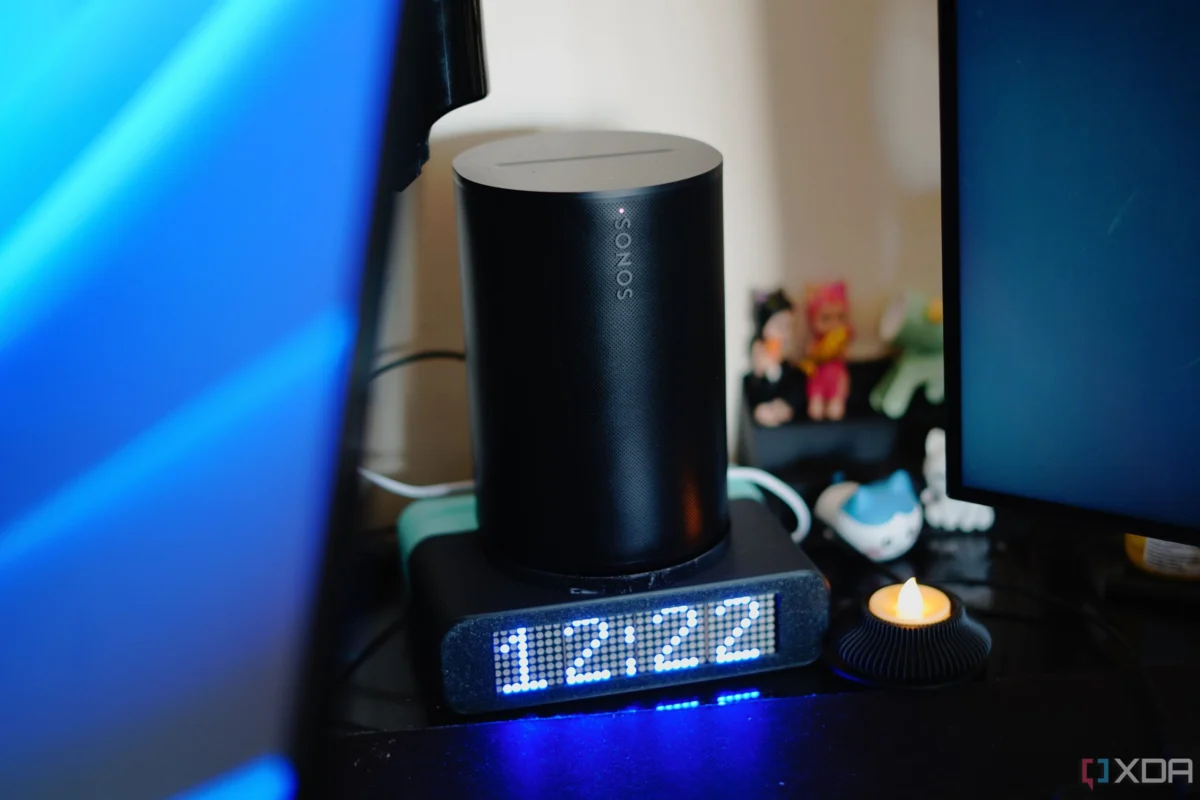
For years, the gold standard for multi-room home audio was clear: Sonos. With its sleek industrial design, ease of use, and reputation for “just working,” it became the default choice for audiophiles and casual listeners alike. However, the convenience of the modern smart home often comes with a hidden cost—a reliance on cloud servers, mandatory account logins, and the looming threat of software updates that can fundamentally alter (or break) the hardware you’ve already paid for.
After the widely publicized 2024 Sonos app redesign, which stripped away long-standing features and triggered a wave of user frustration, I hit a breaking point. I realized that the premium I was paying for high-end hardware was essentially a subscription fee for a service that could be degraded at the manufacturer’s whim. My search for a truly autonomous, private, and permanent audio solution led me to the world of open-source software and the Raspberry Pi.
The Problem with Modern "Smart" Hardware
Paying for hardware you don’t fully own
The core issue isn’t audio quality; Sonos speakers sound excellent. The issue is the "cloud dependency" that defines modern consumer electronics. When you purchase a smart speaker, you aren’t just buying a transducer and an amplifier; you are buying into a proprietary ecosystem that requires the manufacturer’s servers to function.
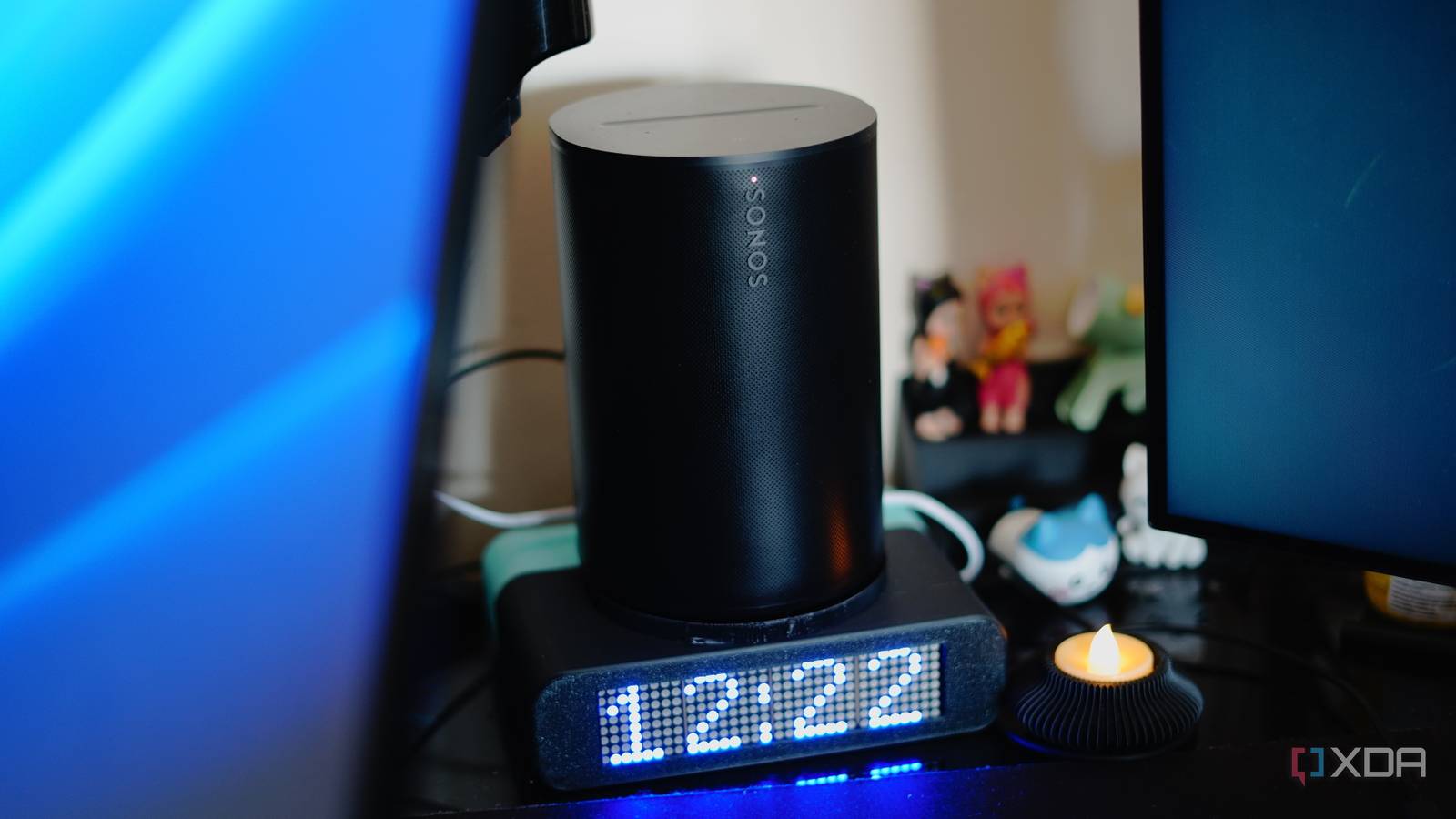
In mid-2024, Sonos pushed a major app update that was met with universal backlash. Features that had been core to the user experience for years were removed, hidden, or broken. Even though the company eventually issued apologies and attempted to restore some functionality, the damage was done. It served as a stark reminder: when software is tethered to a cloud, you don’t actually own your device. You are merely renting its functionality.
Furthermore, the price point is difficult to justify when the longevity of the product is tied to software support. A pair of Era 300 speakers, for instance, costs nearly $900. If the company decides to sunset that model or push an update that necessitates a newer version of an OS, that investment can become obsolete overnight. For someone who values durability and long-term ownership, this "planned obsolescence" model is fundamentally flawed.
The Solution: Harnessing the Power of Snapcast
A protocol for true synchronization
Seeking an alternative, I discovered Snapcast. Unlike proprietary systems, Snapcast is an open-source, client-server audio player that synchronizes audio across multiple devices on a local network. It doesn’t care where your music comes from; its sole job is to ensure that the audio signal reaches every speaker in your house at the exact same time, eliminating the echo that typically plagues uncoordinated multi-room setups.

What sets Snapcast apart is its architectural philosophy:
- No Cloud Dependency: Everything runs locally on your network.
- No Subscriptions: There are no "premium" tiers or locked features.
- No Accounts: You don’t need to register your device or sign into a third-party server to listen to your local files.
- Hardware Agnostic: It works with any audio output device you can connect to a Raspberry Pi.
The Technical Architecture: Building the Jukebox
Orchestrating MPD and RompR
Snapcast itself is a "dumb" pipe—it handles the distribution, but it doesn’t play the music. To build a functional system, I needed a robust playback engine. My choice was the Music Player Daemon (MPD), a flexible, server-side application that handles the actual decoding and streaming of audio files.
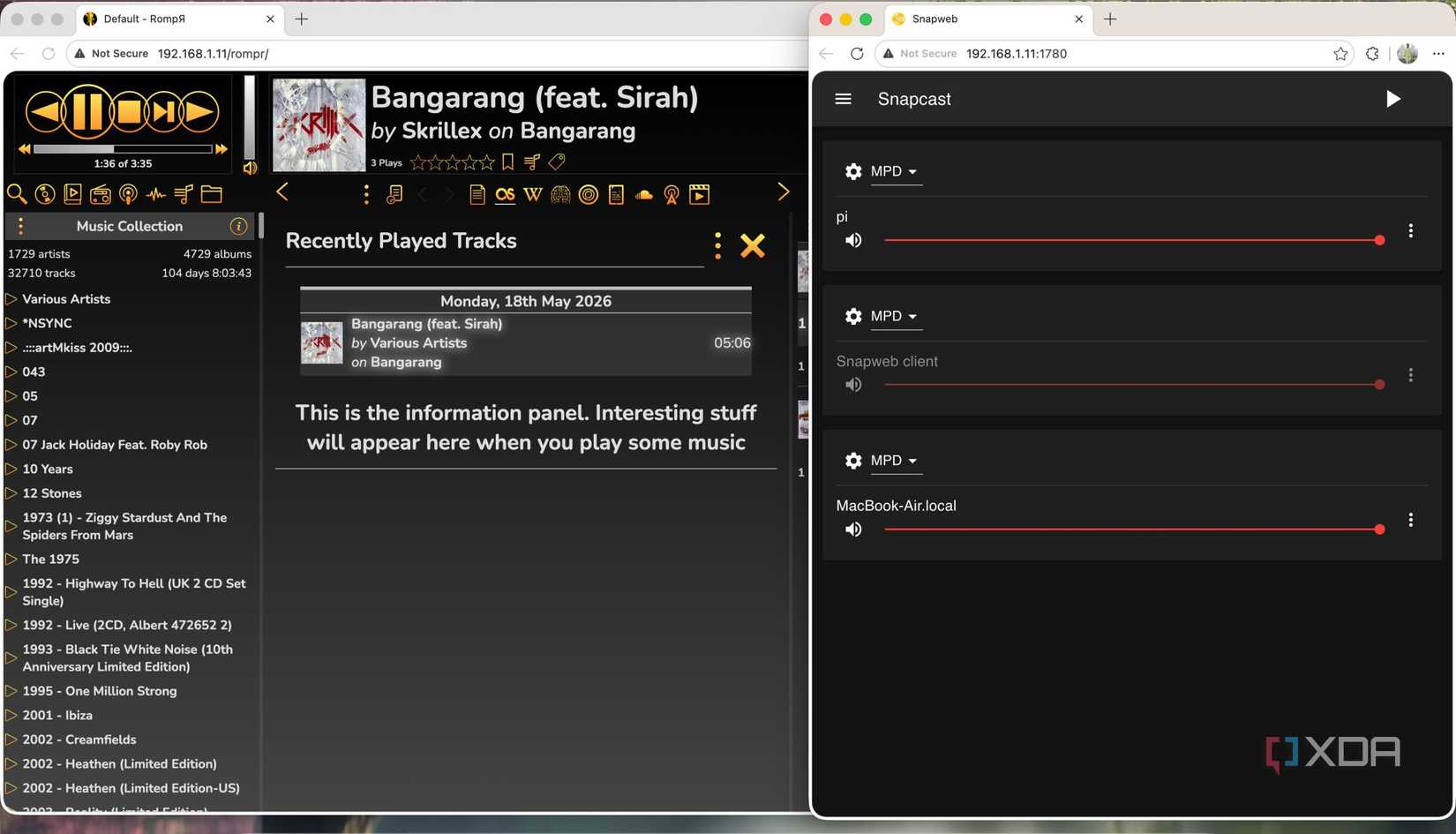
To manage this, I paired MPD with RompR, a web-based front-end that allows for a modern, browser-based user interface. This combination creates a "Digital Jukebox" that is accessible from any device on my network—laptop, phone, or tablet—without the need for a specific, proprietary app.

The Deployment Process
- The Server: I utilized a Raspberry Pi 4 as the central Snapserver. It is powerful enough to handle high-fidelity streams and manage multiple clients simultaneously.
- Storage: By mounting SMB shares from my home server (a separate mini PC), the Pi accesses my entire local music library.
- The Interface: I configured the Snapserver to utilize MPD as its primary audio source. By installing Snapweb and designating it as the document root, I gained a sleek web interface for controlling individual room volumes and playback queues.
- Metadata: Through RompR, the system pulls in metadata and album art, providing an experience that feels as professional as a commercial streaming service, despite being entirely local.
Hardware Optimization and Scalability
Tailoring the client to the room
The beauty of this system is that it allows for hardware-specific optimization. I don’t need a high-powered computer in every room; I only need a client capable of receiving the network stream.
- The Main Listening Room: I use a Raspberry Pi 3B+ connected to a dedicated USB DAC. This feeds into a pair of high-quality passive bookshelf speakers. This setup ensures that in the room where audio quality matters most, the signal path is as clean as possible.
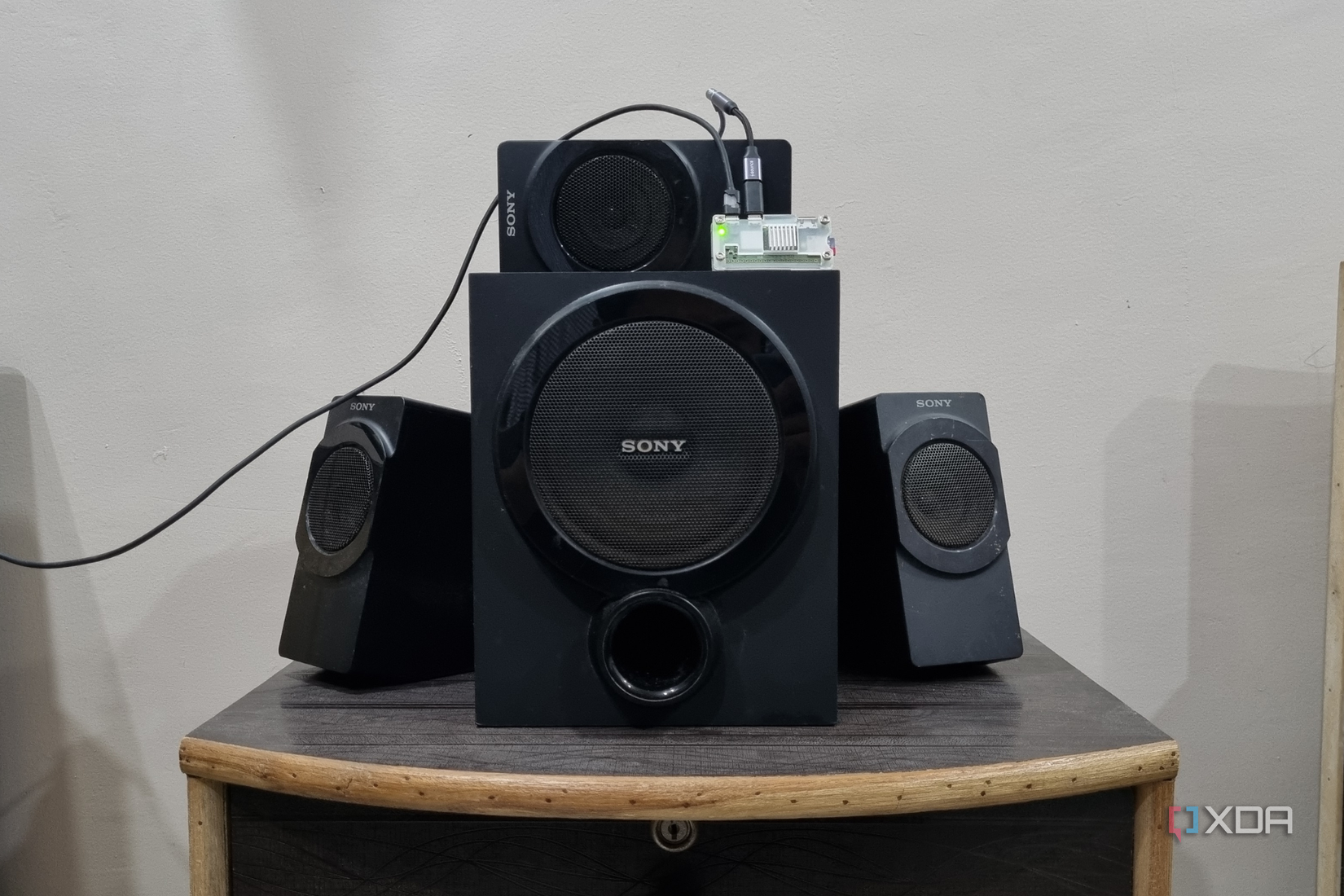
- Secondary Rooms: For bedrooms and the kitchen, I deployed the $15 Raspberry Pi Zero 2W. These tiny boards act as Snapclients. By connecting them to simple USB-to-3.5mm audio adapters, I can drive standard powered speakers. Because the Pi Zero 2W is so compact, it can be hidden behind the speaker, maintaining a minimalist aesthetic without the high cost of a dedicated "smart" speaker.
Implications for Consumer Electronics
The rise of local-first computing
My move away from Sonos isn’t an isolated incident; it represents a growing trend in the tech enthusiast community known as "local-first" computing. As more consumers realize that their smart devices can be rendered useless by a corporate pivot, the demand for open-source alternatives will continue to rise.
The implications for the industry are significant. If manufacturers want to retain their user base, they must offer "offline modes" or open their APIs to allow for local control. When hardware is locked behind a wall of cloud-based APIs, it essentially has an expiration date. By contrast, a Raspberry Pi-based system is limited only by the hardware’s physical lifespan, not the company’s fiscal strategy.
Addressing the Integration Gap
Bridging to the modern streaming era
One might argue that a DIY system is fine for local files but lacks the convenience of Spotify or Apple Music. While that was true in the past, the ecosystem has matured significantly.
By integrating Shairport Sync, my Raspberry Pi setup can act as an AirPlay receiver, allowing me to "cast" audio from any Apple device to the entire house. Similarly, Raspotify provides a seamless Spotify Connect experience. These services feed directly into the Snapcast stack, meaning you get the convenience of modern streaming services without sacrificing the privacy and control of a local-first system.
Conclusion: The Best System is the One You Control
Building a multi-room audio system from scratch using a Raspberry Pi and Snapcast is not just a hobbyist project; it is a declaration of ownership. When I walk from my office to the kitchen, the music follows me perfectly, perfectly synchronized, and completely devoid of external pings, trackers, or forced firmware updates.
I haven’t "given up" on high-quality audio—I’ve upgraded to a level of control that no retail product could ever offer. By decoupling the hardware from the software, I have created an ecosystem that is truly mine. In an era where companies are increasingly treating users as customers of a service rather than owners of a product, there is a profound sense of satisfaction in knowing that the music playing in my house answers only to me.
If you are tired of the "smart" ecosystem, the tools are available. You don’t need a massive budget; you need a few Raspberry Pis, a bit of patience, and the willingness to take back control of your digital home.












No comments yet. Be the first to join the conversation!