

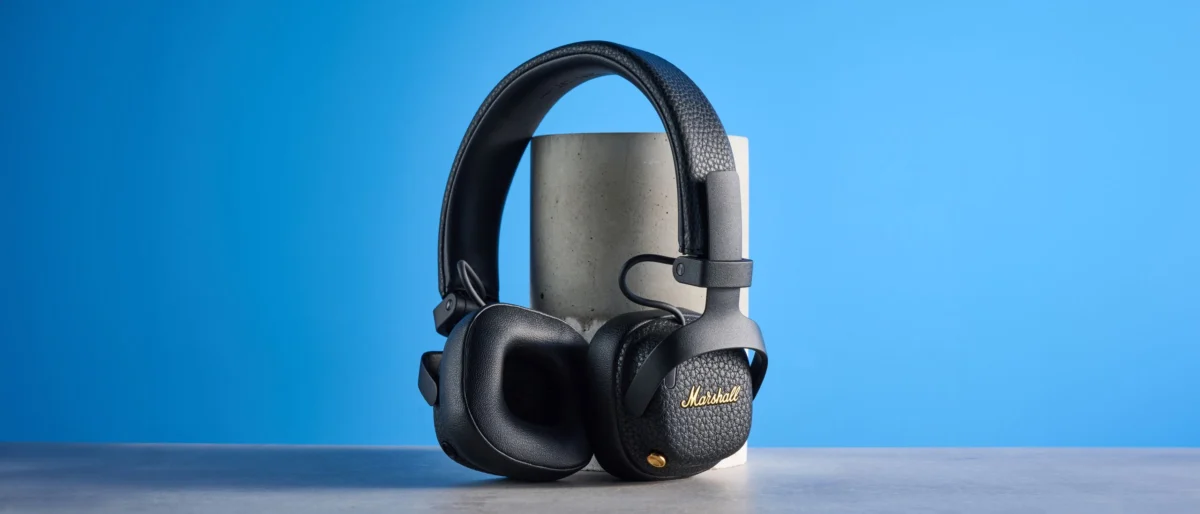
The audio landscape is often polarized between the bulky, immersive nature of over-ear headphones and the compact, sometimes compromised, experience of on-ear models. Marshall, the legendary British audio brand, has long straddled this divide with its diverse product lineup. However, with the release of the Marshall Milton ANC, the company has effectively redefined what users can expect from a mid-range, on-ear device. By blending the premium design language of the flagship Monitor III with the portability of the popular Major V, Marshall has created a device that is not just an incremental update, but a new benchmark for the category.
Main Facts: The New Contender in Audio
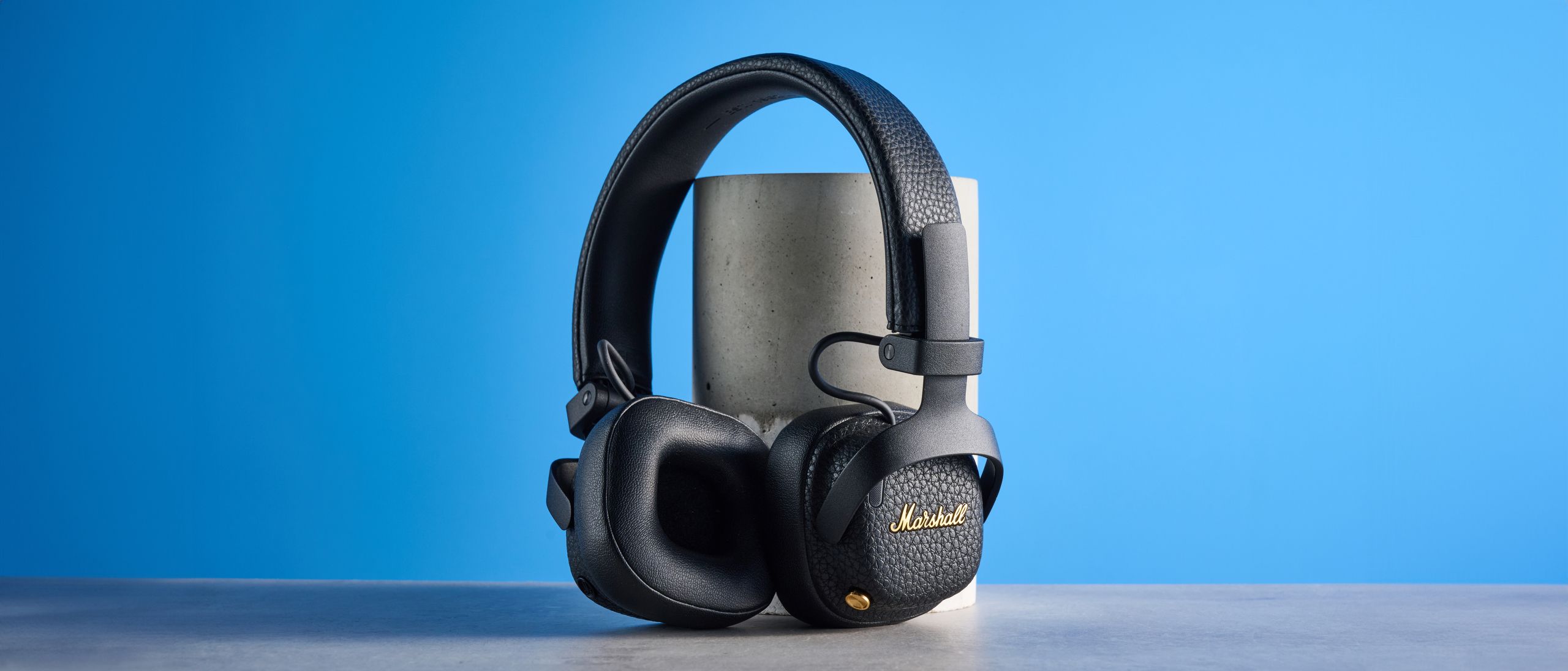
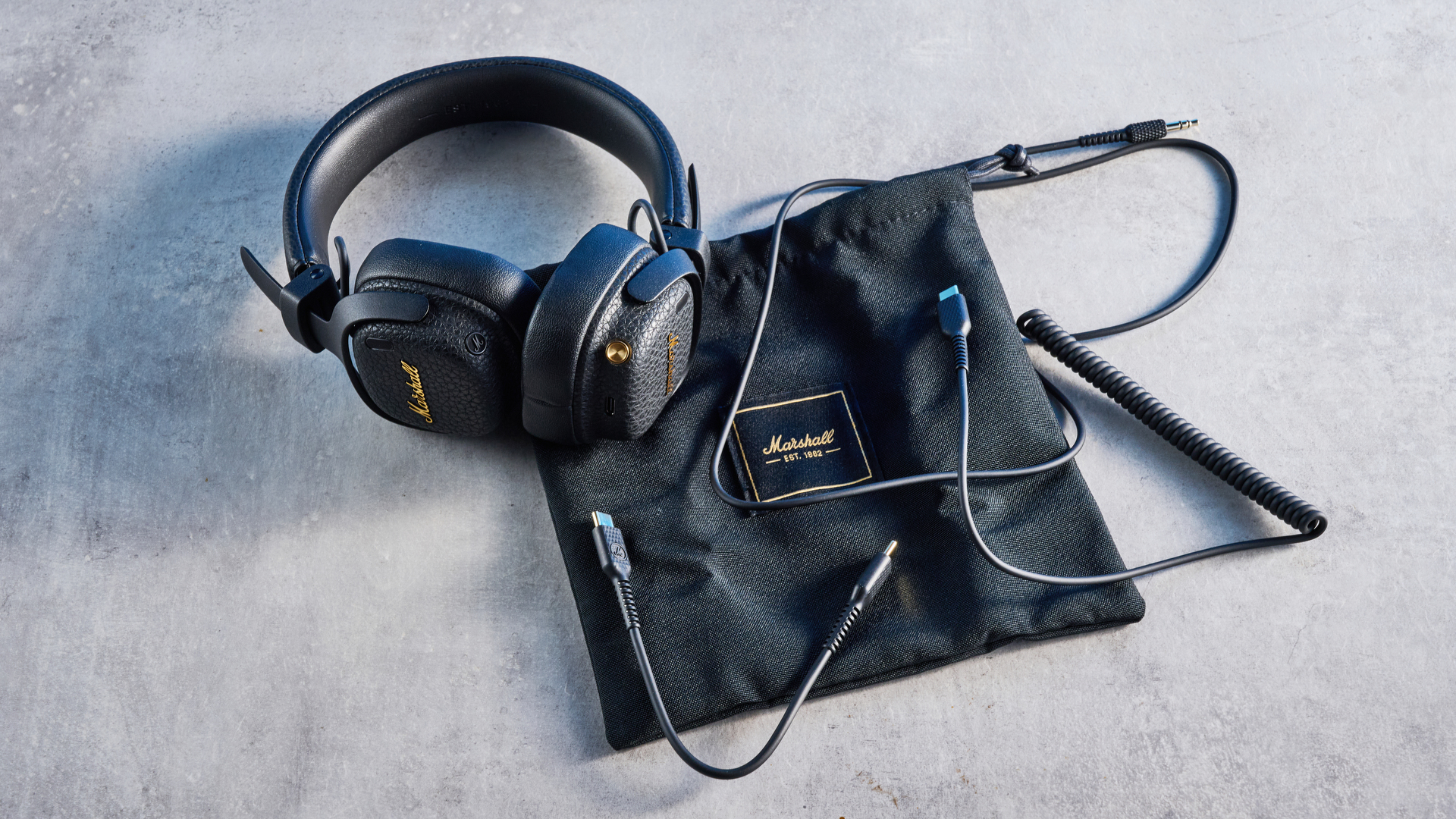
The Marshall Milton ANC ($229 / £179) represents a strategic bridge in Marshall’s catalog. Announced on May 19, 2026, and slated for late-May availability, these headphones are engineered for the listener who refuses to sacrifice sound quality for form factor.
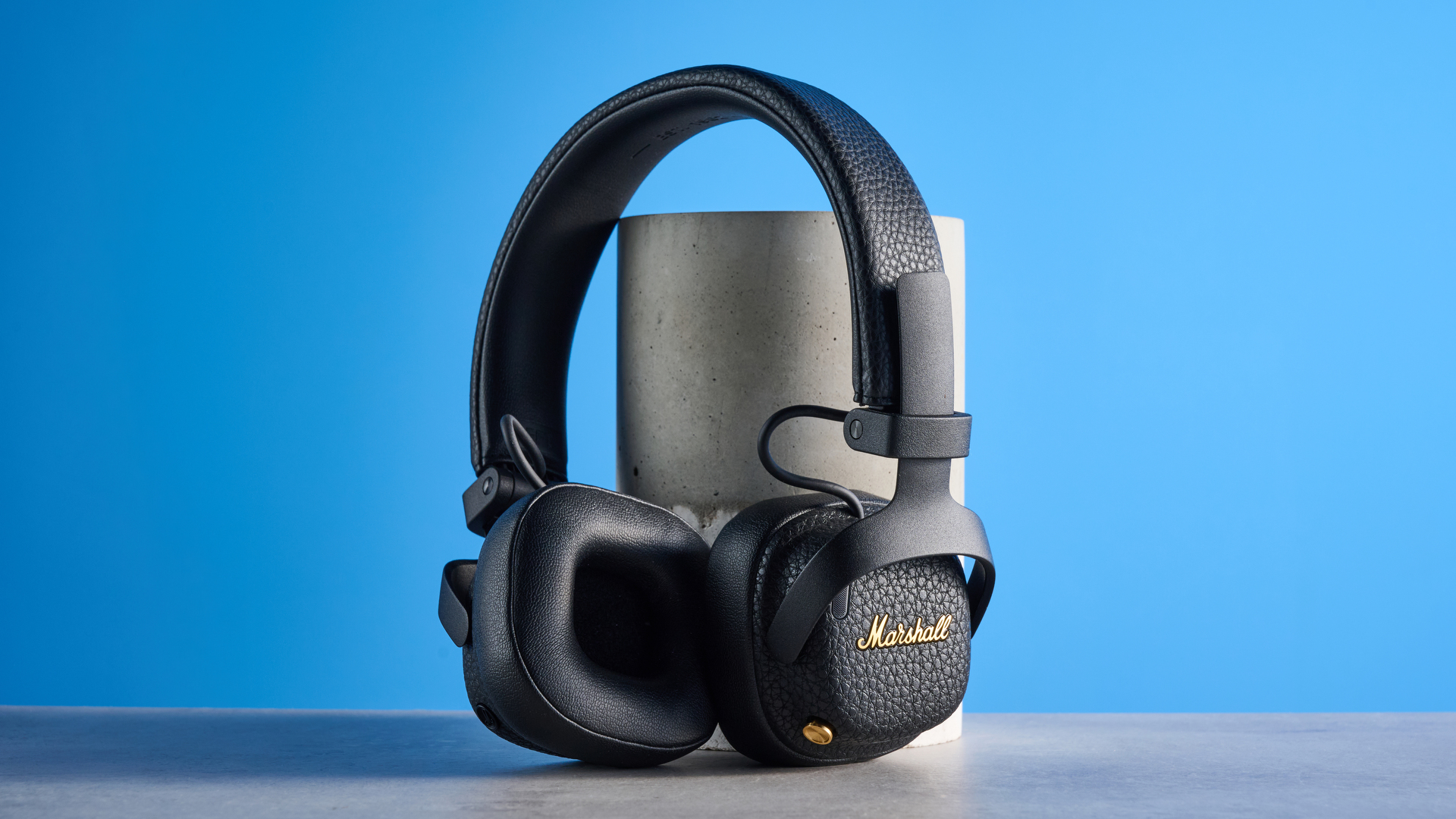
Key technical specifications include:
- Drivers: Custom-tuned 32mm dynamic drivers.
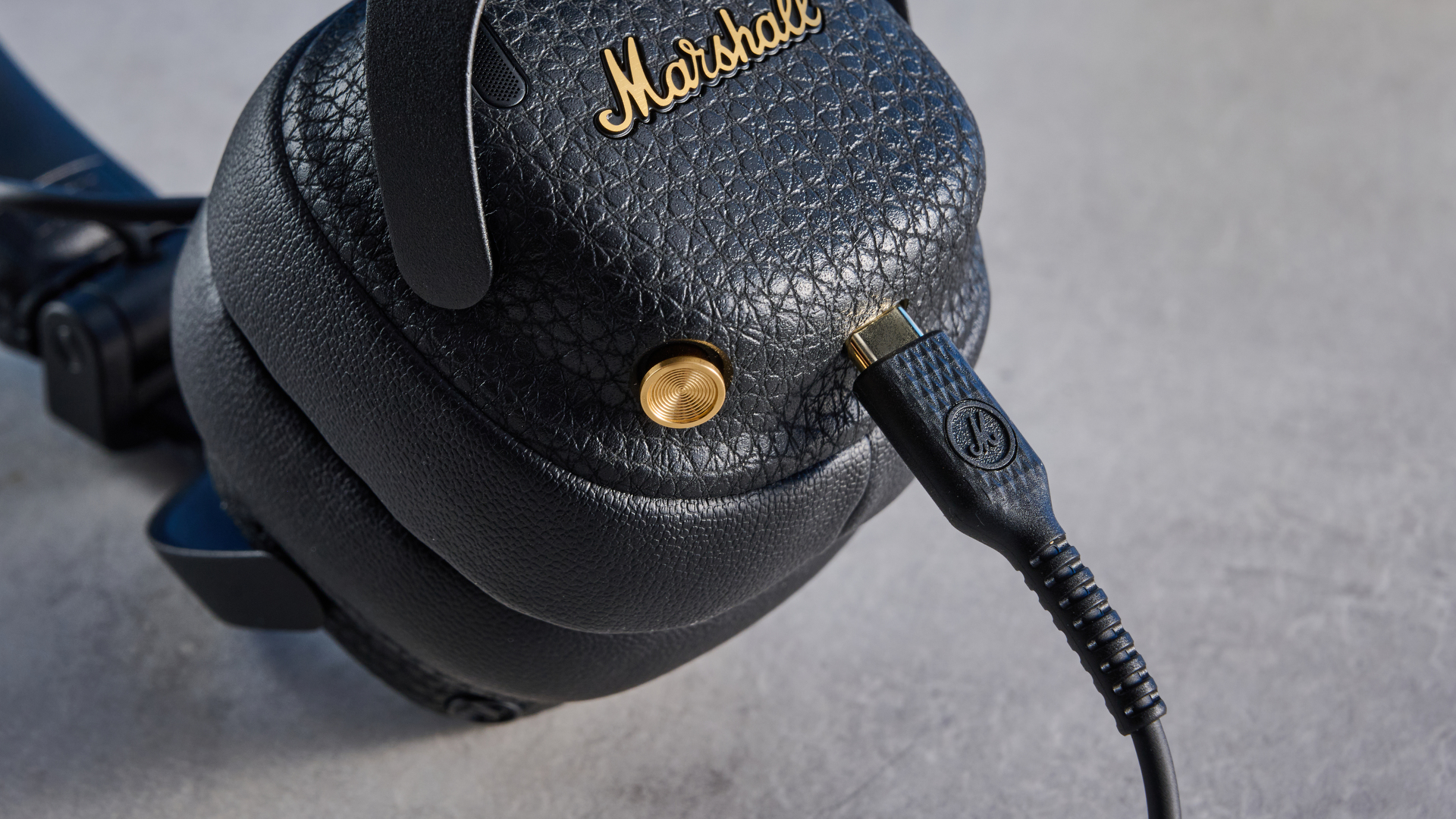
- Battery Life: 80 hours (ANC off) / 50 hours (ANC on).
- Connectivity: Bluetooth 6.0 with support for SBC, AAC, LC3, and LDAC.
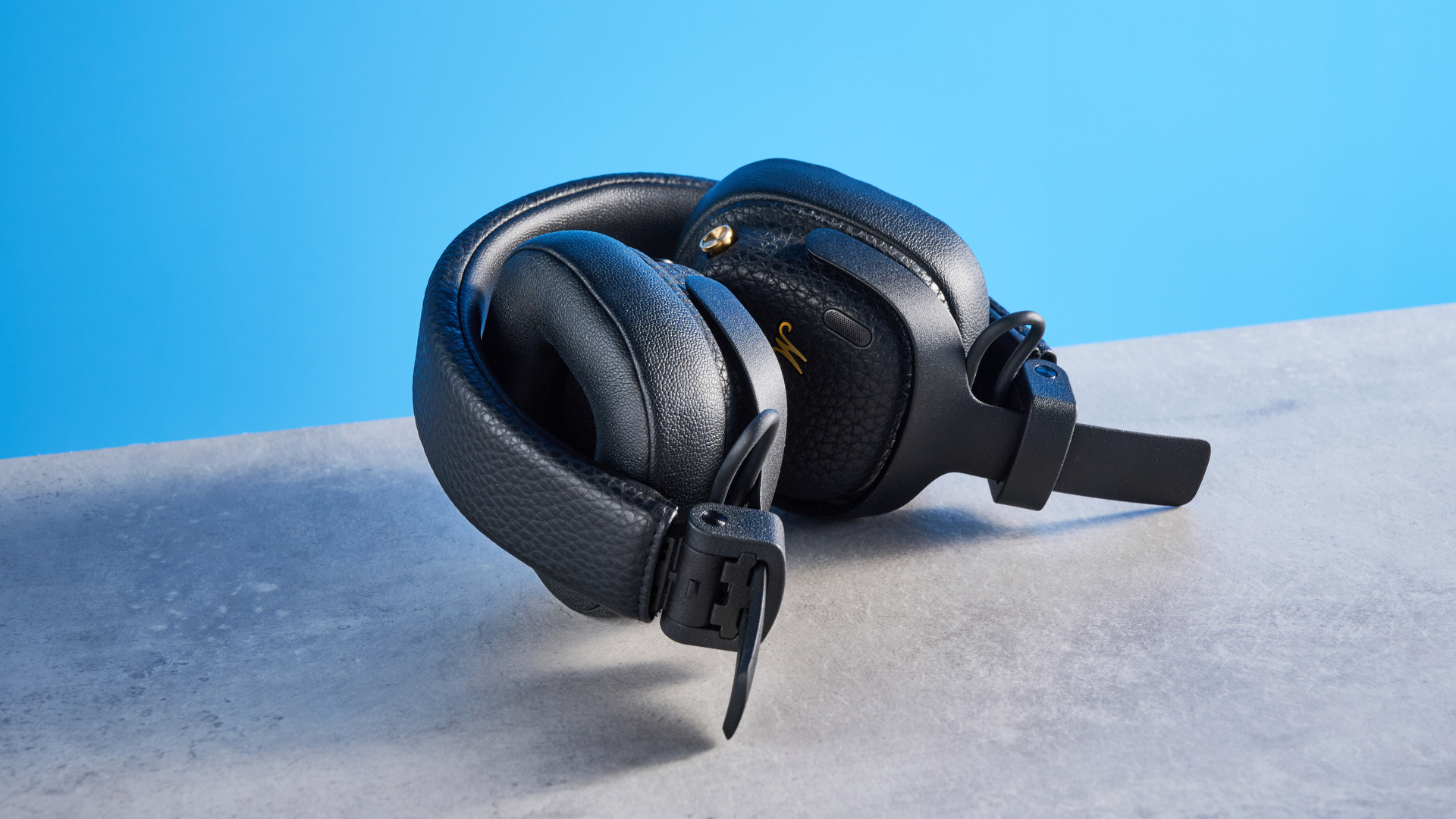
- Build: Lightweight (7.06 ounces) with premium memory foam and TPU cushioning.
- Smart Features: Integration with Apple Find My and Google Find Hub.
Positioned between the high-end $349 Monitor III and the entry-level $149 Major V, the Milton ANC sits comfortably in the mid-range bracket, competing directly with the Beyerdynamic Aventho 100 and the Beats Solo 4.
Chronology: The Evolution of the Marshall Sound
Marshall’s journey toward the Milton ANC began with the success of the Major V, which captured the hearts of commuters due to its iconic aesthetic and folding design. However, as consumers demanded more sophisticated features like Active Noise Cancellation (ANC) and spatial audio, the limitations of the Major series became apparent.

The development of the Milton ANC appears to be a direct response to the "feature gap." By incorporating the proprietary "Soundstage" technology—a spatial audio mode originally reserved for the flagship Monitor III—Marshall has essentially "trickled down" its most advanced audio processing to a more accessible price point. The timeline of this release suggests a concerted effort by Marshall to consolidate its on-ear presence before the mid-2026 market surge, ensuring that users who find over-ear headphones too cumbersome have a professional-grade alternative.
Supporting Data: Performance Under the Microscope
To understand the true value of the Milton ANC, one must look at how they perform under rigorous testing conditions.

Comfort and Ergonomics
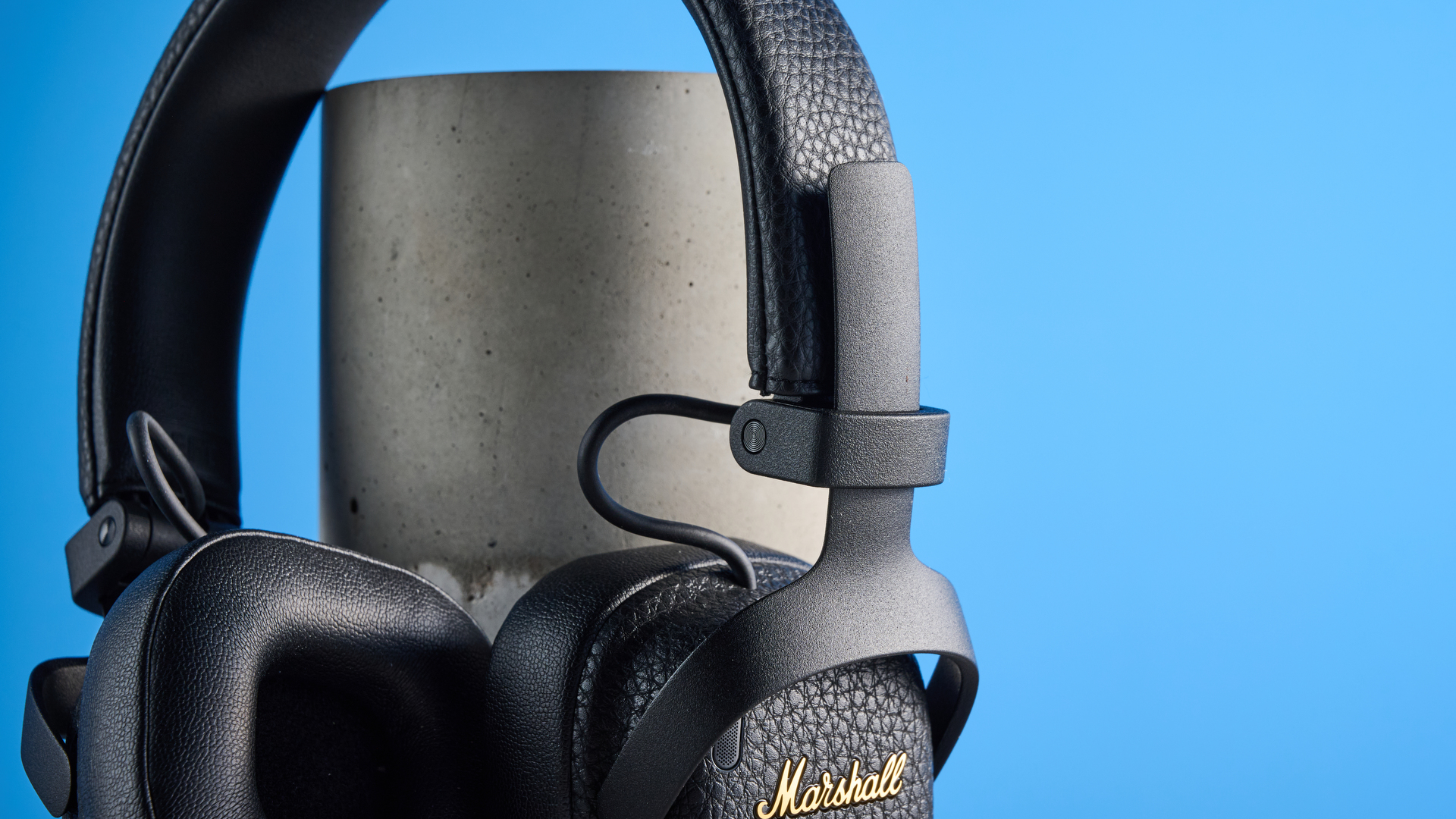
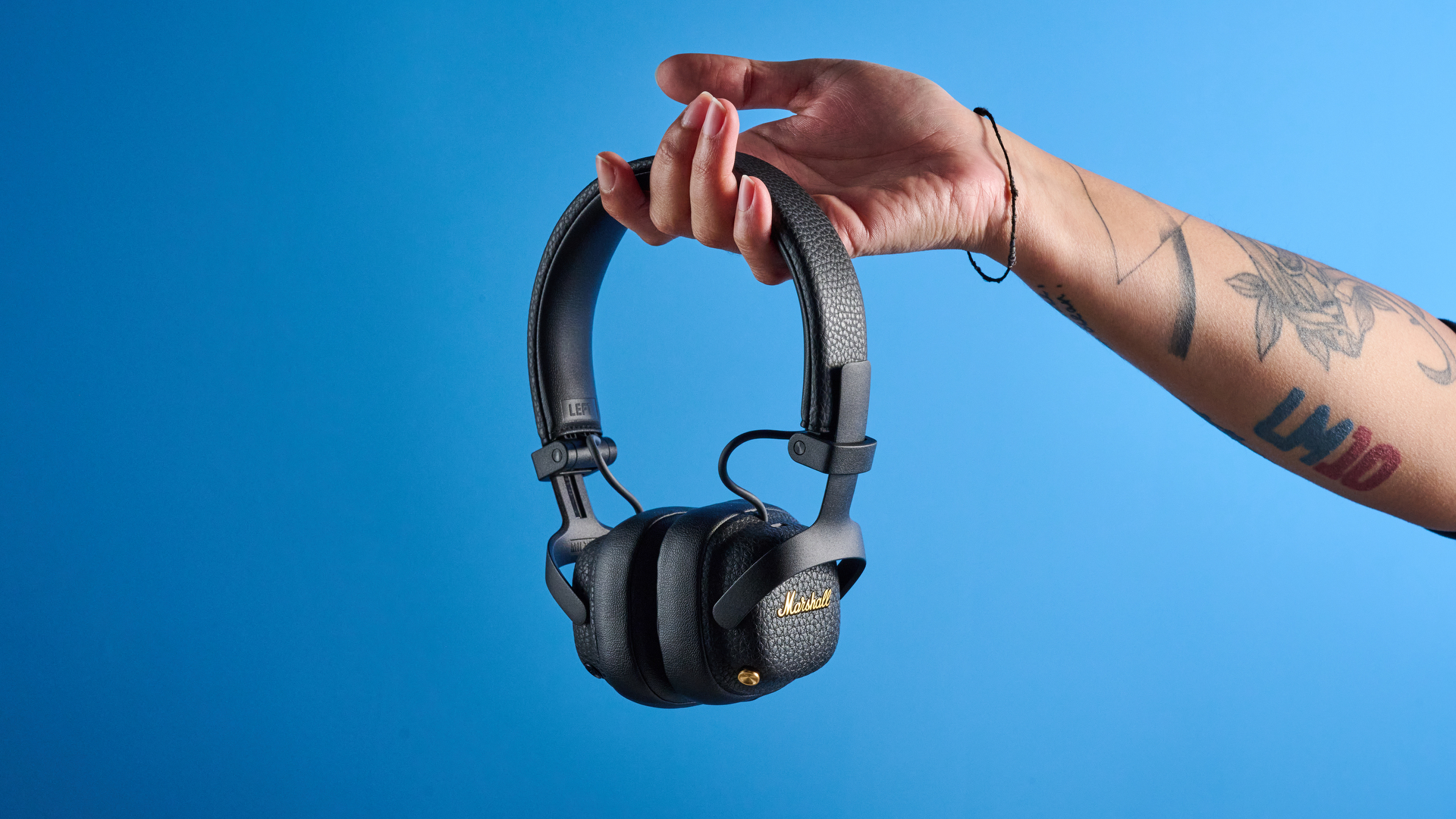
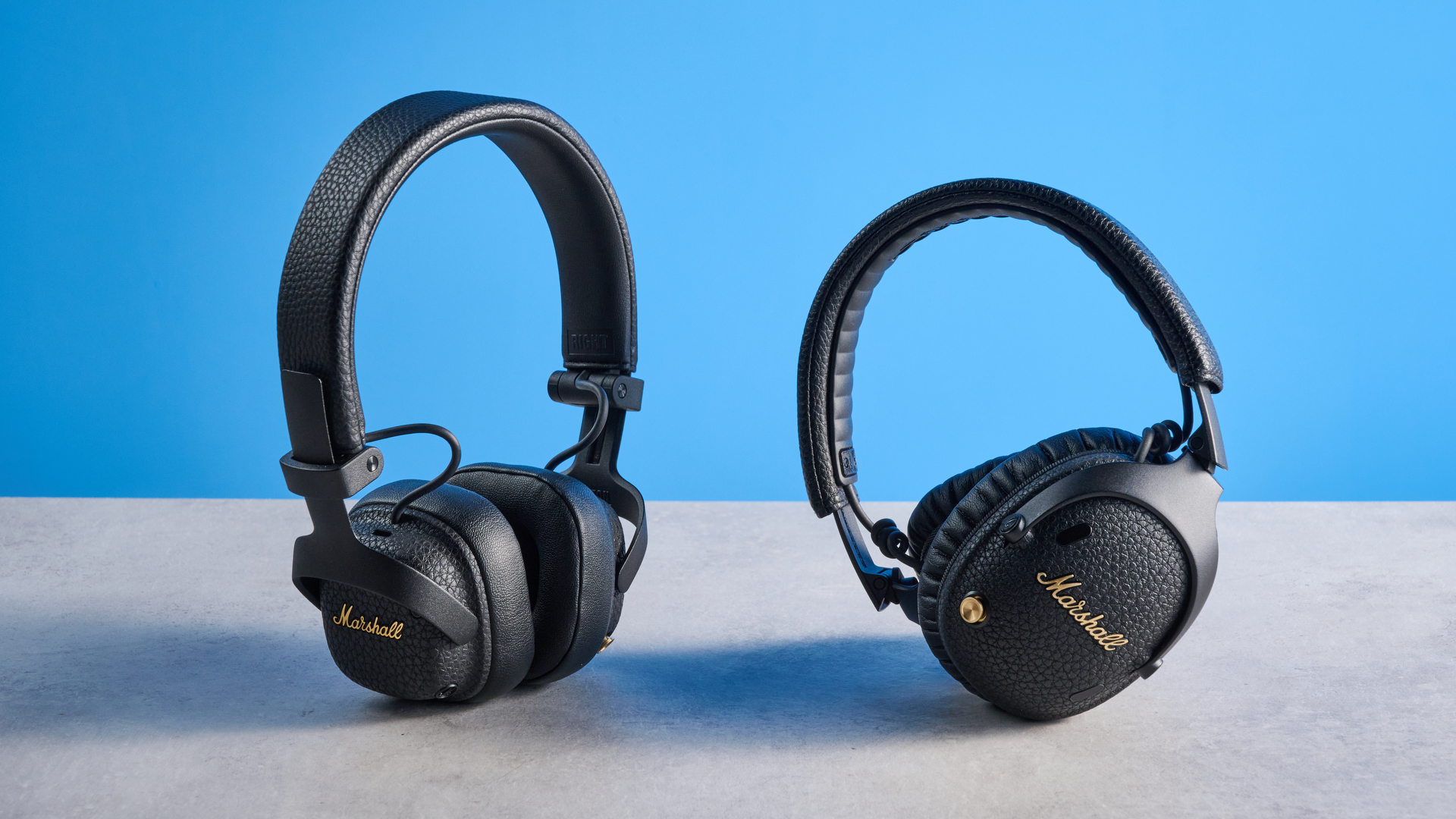
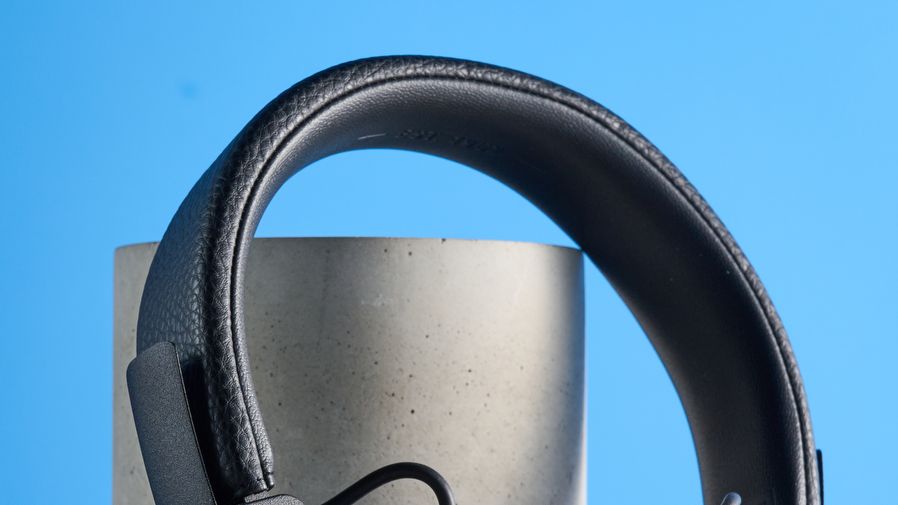
The most significant hurdle for any on-ear headphone is the "clamp" factor. Many users complain that on-ear designs exert too much pressure, leading to ear fatigue or discomfort during long listening sessions. Marshall has addressed this by utilizing memory foam combined with high-elasticity TPU. In our testing, which spanned over nine hours of continuous wear, the Milton ANC remained surprisingly unobtrusive. They are lighter than the Beyerdynamic Aventho 100 and significantly more comfortable than the previous generation of Marshall on-ears, effectively solving the "sweaty ear" issue common in this form factor.

Audio Fidelity and Soundstage
The 32mm drivers provide a frequency response of 20Hz to 40KHz, covering the entire human hearing spectrum. Out of the box, the profile is bass-forward—a signature Marshall trait—but it remains nuanced. During testing with hi-res audio via Qobuz, the headphones handled complex arrangements like Florence + the Machine’s "Everybody Scream" with ease.
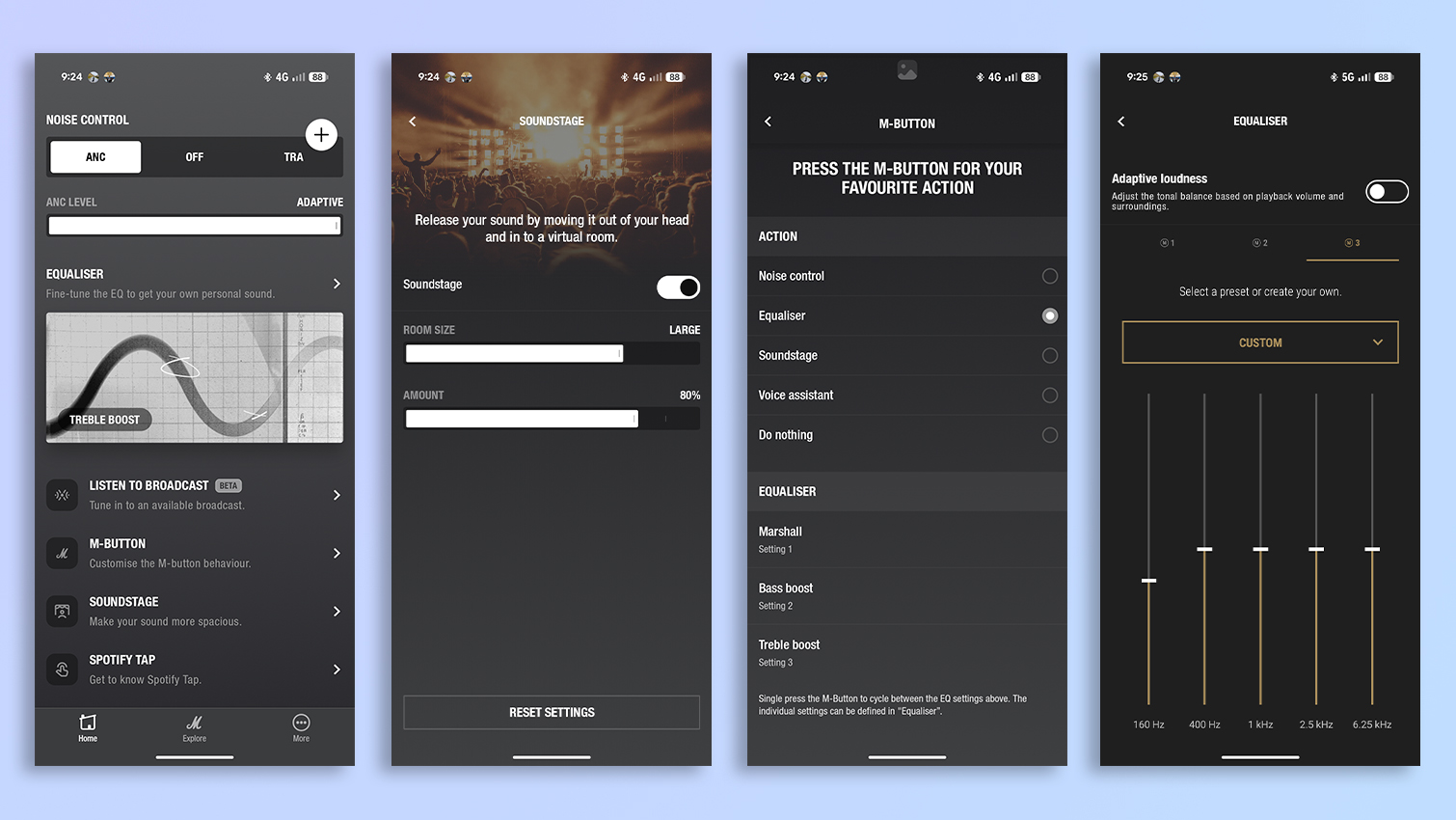
The "Soundstage" feature, when toggled to "large," creates a virtual room effect that is genuinely impressive. It gives the music a sense of verticality and depth, mimicking the performance of open-back headphones without the sound leakage associated with that design.
Noise Cancellation
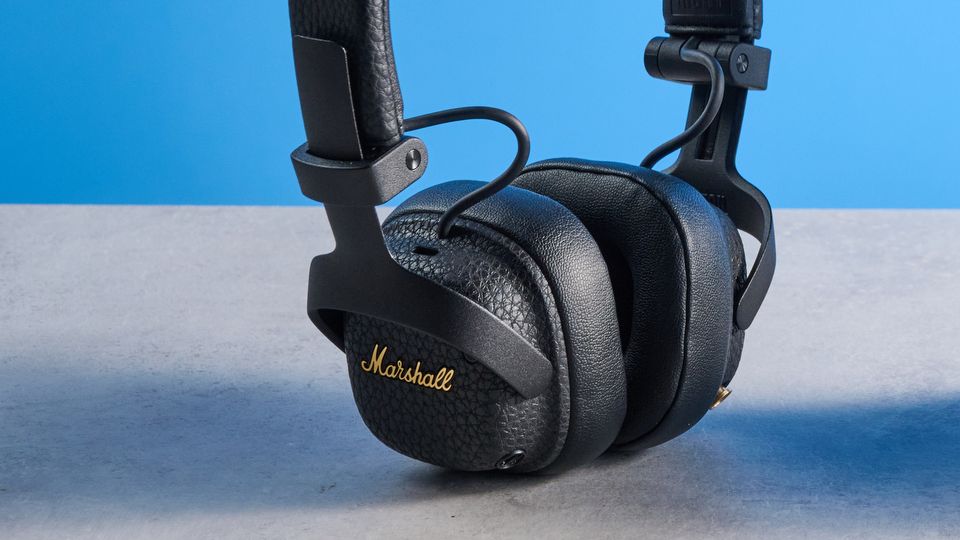
While on-ear ANC is historically less effective than over-ear isolation, the Milton ANC utilizes an adaptive system that adjusts based on ambient noise levels. During a simulated flight environment and a busy office test, the results were stellar. While low-frequency engine drones were dampened significantly, some high-frequency chatter still leaked through—a physical reality of the on-ear seal, yet still one of the most effective implementations we have seen in this category.
Official Responses and Strategic Positioning
Marshall has been clear about their intent: the Milton ANC is designed to be a daily driver for the modern professional. In industry briefings, the company emphasized the integration of "Find My" technologies (both Apple and Google), acknowledging that their core demographic—frequent commuters and students—often misplaces their gear. By adding these tracking features, Marshall is moving beyond simple audio hardware into the realm of integrated lifestyle tools.
The decision to exclude an IP water-resistance rating has been noted as a point of contention by some reviewers. While the device handles light rain, it is not built for intense outdoor activity. Marshall’s official stance suggests a focus on premium aesthetics and acoustic internal design over ruggedization, steering the product toward urban rather than athletic use cases.
Implications for the Audio Market
The arrival of the Marshall Milton ANC has significant implications for the headphone industry:
- The Death of the "Compromised" On-Ear: Historically, choosing on-ear headphones meant accepting poor battery life and lack of ANC. The Milton ANC proves that a 50-to-80-hour battery life is possible in a smaller chassis, putting pressure on competitors to upgrade their internals.
- Standardization of Spatial Audio: By offering "Soundstage" technology in a sub-$250 product, Marshall is forcing the market to treat spatial audio as a standard requirement rather than a luxury feature.
- The "Mid-Range" Renaissance: As premium headphones continue to climb toward the $400-$500 mark, the $229 price point of the Milton ANC offers a "sweet spot" for consumers who want premium sound quality without the exorbitant cost of flagship models.
Conclusion: Is the Milton ANC for You?
If you are a fan of the classic Marshall aesthetic and prioritize comfort, the Milton ANC is an easy recommendation. It is arguably the most comfortable on-ear headphone on the market, and the inclusion of adaptive ANC and spatial audio makes it a formidable daily companion.
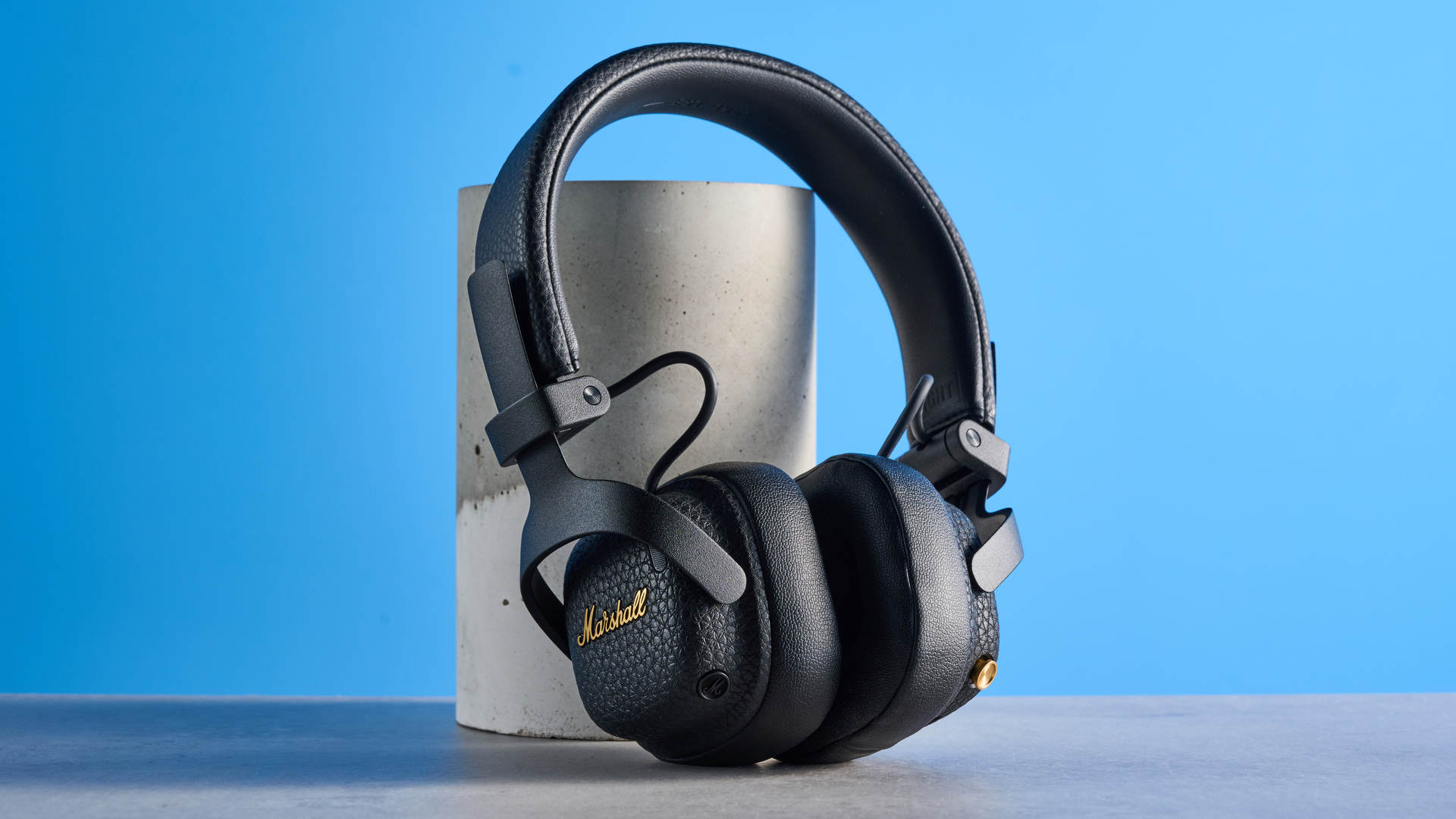
While the call quality could be sharper, it is a minor grievance compared to the overall audio performance and the sheer longevity provided by the 80-hour battery life. For the audiophile who needs a compact, reliable, and stylish pair of cans for the commute, the office, and everything in between, the Marshall Milton ANC is not just a great choice—it is currently the gold standard. Whether you are a student, a professional, or a music enthusiast, these headphones offer a rare combination of utility and joy that is difficult to find in the crowded audio marketplace today.












No comments yet. Be the first to join the conversation!