

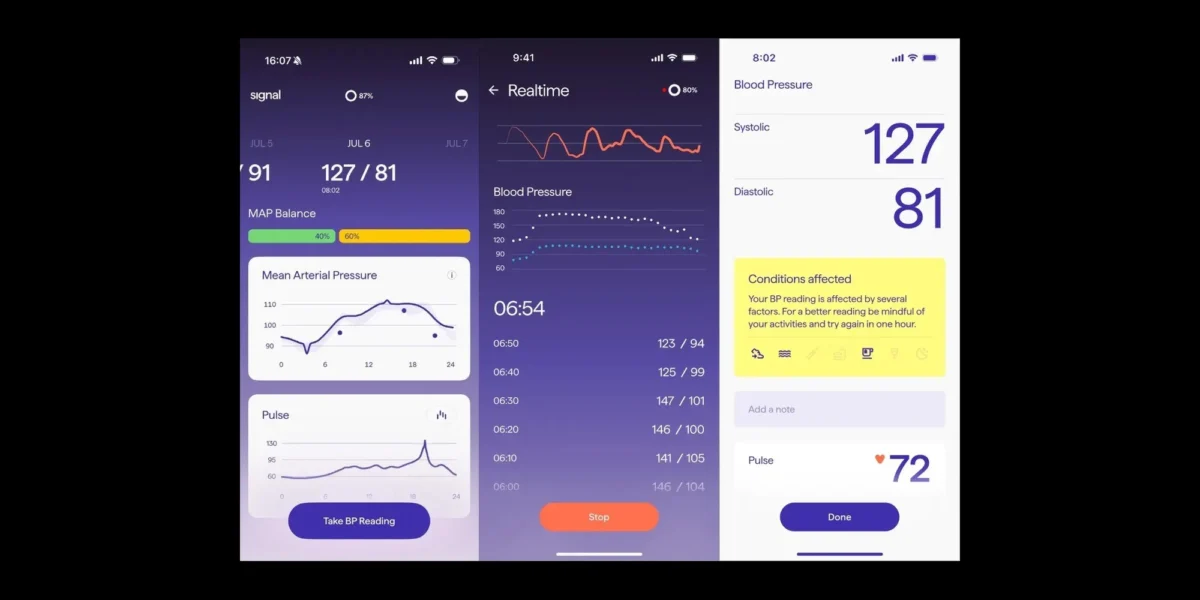
The landscape of wearable health technology is currently undergoing a paradigm shift. While the Apple Watch and various smart rings have successfully integrated heart rate monitoring, blood oxygen tracking, and sleep analysis into our daily routines, one critical health metric has remained frustratingly elusive: accurate, real-time blood pressure monitoring. Today, that barrier is being challenged by Vital Signals, a startup aiming to disrupt the market with its newly unveiled "Signal Ring."
Unlike existing devices that provide mere estimations or require tedious manual calibration, the Signal Ring claims to offer medical-grade systolic and diastolic blood pressure readings on demand. This development addresses a significant gap in preventative medicine, potentially providing a vital tool for the millions of individuals managing hypertension.
The ‘Silent Killer’: Understanding the Stakes
Hypertension, commonly referred to as the "silent killer," is a cardiovascular condition that often presents with no symptoms until it reaches a critical, life-threatening stage. Because the condition develops incrementally, millions of people worldwide are living with high blood pressure without realizing the damage being done to their arterial walls, heart, and brain.
Left unmanaged, hypertension is a primary precursor to ischemic heart disease, heart failure, and strokes. For aging populations, the necessity of regular monitoring is paramount. Traditionally, this has required the use of bulky, uncomfortable, and often inconvenient arm cuffs. While these devices are effective, they are rarely used with the frequency required to capture a truly representative picture of a patient’s cardiovascular health throughout the day. The dream of "invisible medicine"—where health monitoring happens automatically via the devices we already wear—has long been the "holy grail" of the wearable tech industry.
The Current State of Wearables: Apple and Oura
For years, tech giants have attempted to tackle blood pressure. Currently, the Apple Watch (specifically in models supporting watchOS 26) can monitor for signs of potential hypertension. However, it is essential to distinguish between detection and measurement.

Apple’s current implementation, along with similar features found in the Oura Ring and other wellness-focused trackers, is designed to flag abnormalities. These devices look for patterns consistent with hypertension and provide alerts, prompting the user to see a doctor. They do not, however, display the actual numerical systolic and diastolic readings that a physician requires for diagnostic purposes.
Other devices on the market that do claim to provide actual readings are hampered by a technical bottleneck: calibration. These trackers typically require the user to periodically pair them with a traditional inflatable cuff monitor. The wearable then "learns" the user’s blood pressure profile based on that physical baseline. If the user forgets to calibrate, or if their physiological state shifts significantly, the accuracy of the wearable wanes, leading to potential data errors that could have serious health implications.
The Signal Ring: A Technological Breakthrough
The Signal Ring, developed by startup Vital Signals, seeks to bypass the calibration hurdle entirely. CEO Tom Moss, a veteran of the tech industry who previously held roles at Skydio, Razer, and Nextbit, describes the development of the ring as a personal mission. Following a health scare where he narrowly survived a bout of undiagnosed, severe hypertension, Moss pivoted his career toward health-focused hardware.
"Fundamentally, there’s almost no real way for you to truly know your blood pressure as a consumer, and it’s kind of crazy," Moss stated in a recent interview.
The Signal Ring operates on proprietary sensor technology that the company claims can extract blood pressure data directly from the finger without the need for an external cuff. According to the company, this technology has been validated through a large-scale clinical trial involving thousands of participants, suggesting a level of consistency that sets it apart from current consumer-grade pulse-transit-time sensors.
Chronology of Development and Market Entry
The path to the Signal Ring’s release has been defined by rapid iteration and clinical validation.
- Early 2024: Vital Signals begins the integration of its proprietary sensors into the ring form factor, focusing on miniaturization and battery efficiency.
- Late 2025: Extensive clinical trials are conducted to compare the ring’s output against traditional mercury sphygmomanometer readings. Results indicate high accuracy across diverse demographics.
- May 2026: Apple updates watchOS 26, bringing hypertension alert features to five Apple Watch models, effectively setting a new baseline for "wellness monitoring" in the industry.
- July 2026: Vital Signals officially announces the Signal Ring, opening pre-sales for an October 2026 delivery window.
The device is priced at $399, a competitive entry point given the specialized medical-grade hardware involved. Importantly, the company has opted for a "no-subscription" model, a notable departure from the trends set by competitors like Oura or Whoop, which often gate features behind monthly recurring fees.
Supporting Data and Clinical Efficacy
While the Signal Ring has yet to achieve broad FDA clearance—a common hurdle for new health-tech devices—the internal data provided by Vital Signals is compelling. By focusing the sensor array on the specific hemodynamics of the finger, the company has reportedly managed to isolate the arterial pressure pulse wave more effectively than wrist-based sensors.
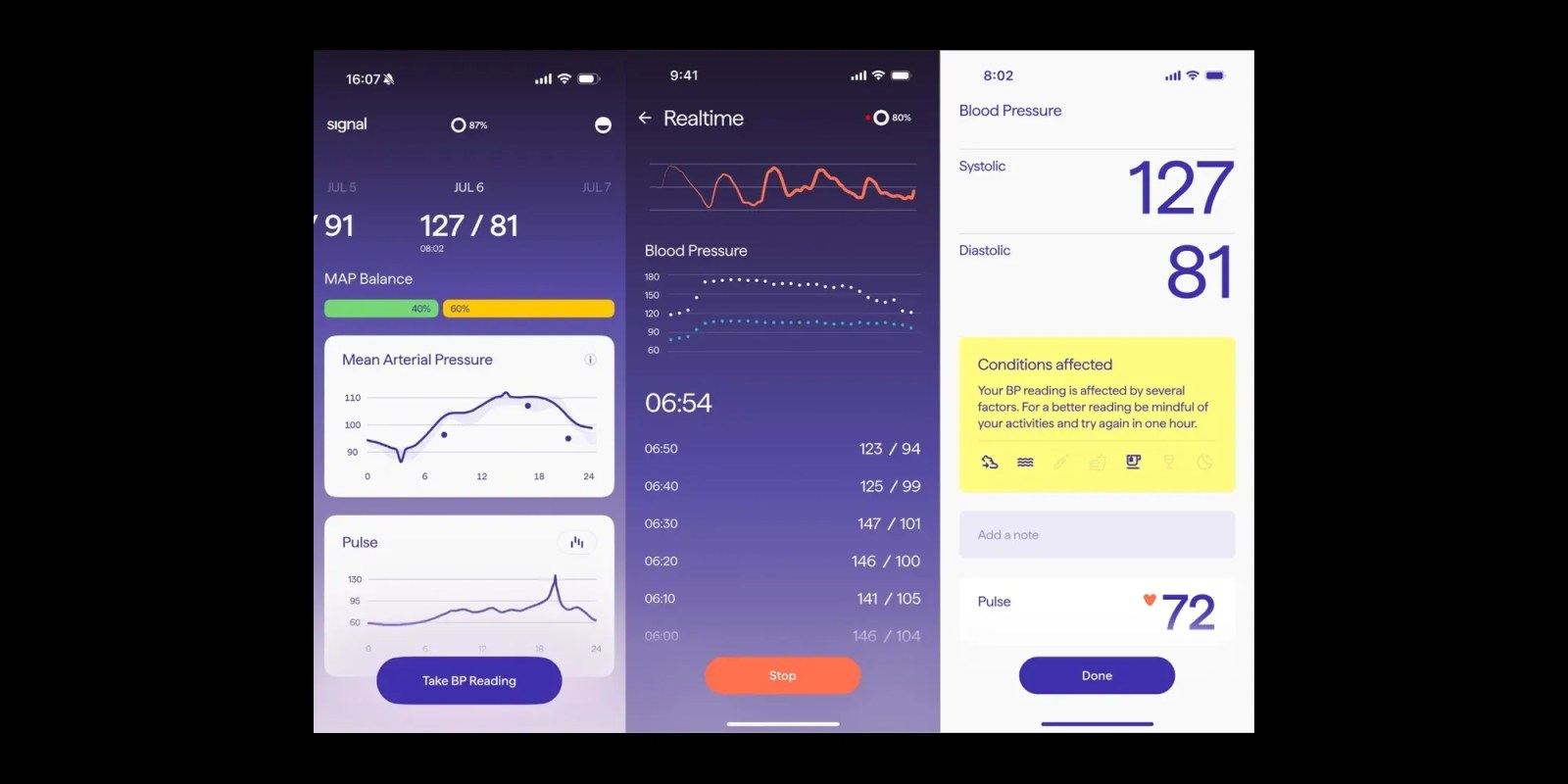
The companion iPhone app acts as the command center, providing both live, real-time readings and historical longitudinal tracking. For a patient managing medication, this data is invaluable; doctors can now observe how specific lifestyle changes or pharmacological interventions affect blood pressure throughout the entire 24-hour cycle, rather than relying on a single "white coat" reading taken during an office visit.
Strategic Positioning and Limitations
Perhaps the most refreshing aspect of the Signal Ring’s launch is the honesty regarding its limitations. CEO Tom Moss has been transparent about the device’s scope. He explicitly notes that the Signal Ring is not a "jack-of-all-trades" fitness tracker.

"If you are a younger, healthier individual who just wants general sleep and activity tracking, buy an Oura or an Apple Watch," Moss advised.
This admission highlights the trade-offs in hardware engineering. By focusing the power budget and internal real estate of the ring on high-precision blood pressure sensing, the device may lack the exhaustive sleep-staging, temperature-sensing, or high-intensity activity tracking found in more lifestyle-oriented wearables. The Signal Ring is a tool for a specific demographic: those at risk of, or currently managing, hypertension.
The Implications for Healthcare
The implications of this technology are profound. If the Signal Ring’s clinical accuracy holds up under real-world usage, it could fundamentally change the management of chronic cardiovascular conditions.
- Data-Driven Consultations: Physicians will have access to thousands of data points rather than a snapshot, allowing for more precise medication titration.
- Early Detection: The "silent killer" may become much louder, with the ring providing early warnings that prompt users to seek medical attention before a cardiac event occurs.
- Patient Empowerment: By removing the barrier of the arm cuff, patients are more likely to comply with daily monitoring routines, leading to better long-term outcomes.
Conclusion
The introduction of the Signal Ring marks the next evolution in the wearable revolution. As health tech moves from general fitness tracking to specific, medically relevant diagnostics, the market is beginning to segment. We are moving toward a future where our devices are not just counting our steps, but actively safeguarding our longevity.
While we await the first wave of user reviews and broader clinical adoption, the Signal Ring stands as a testament to the power of targeted engineering. For those with a history of hypertension, the device promises to be more than just another gadget; it may very well be a lifesaver. As the technology matures, the standard for what we expect from our wearables will undoubtedly rise, pushing Apple, Oura, and other industry leaders to accelerate their own efforts in blood pressure innovation. The "silent killer" may finally be facing its match.











