Sagoh
Sagoh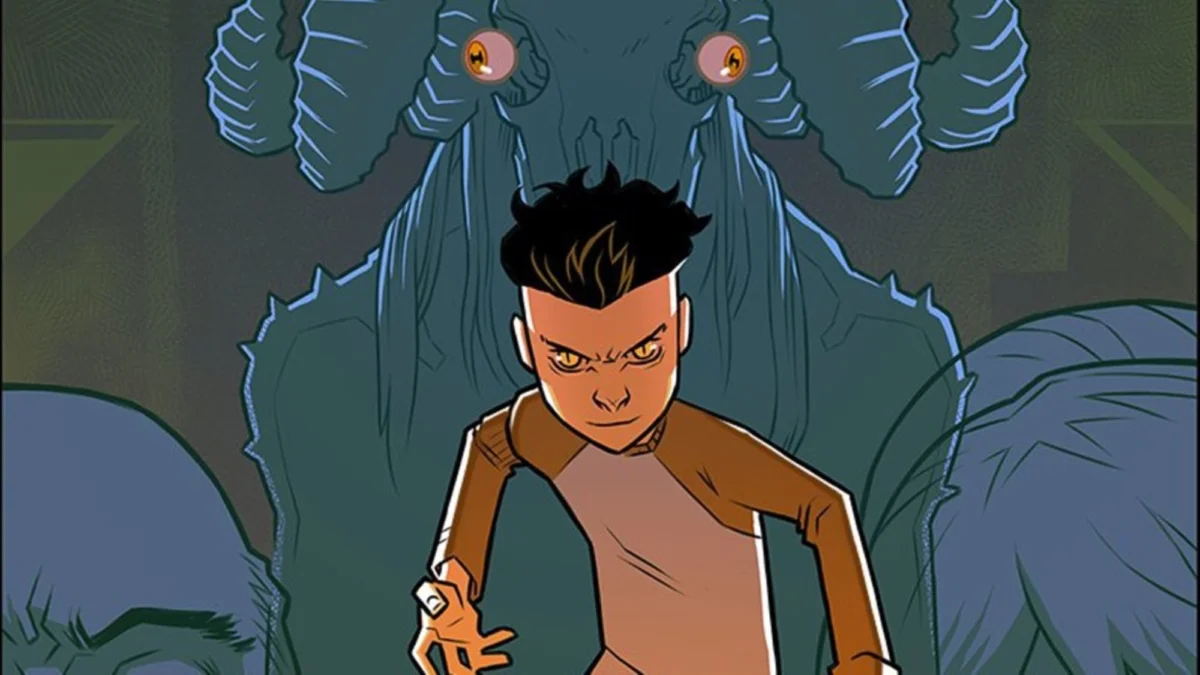
In the landscape of modern comic book publishing, the "direct market"—the traditional network of local comic shops—has long been viewed as the industry’s primary barometer for success. However, for veteran writer Justin Jordan, a name synonymous with gritty, creator-owned hits like Luther Strode and Spread, the most significant chapter of his career is currently being written far outside the confines of a traditional comic shop shelf.
Jordan, who has cut his teeth on legendary work-for-hire titles at DC Comics including Superboy, Team 7, and New Guardians, has found a massive, global audience for his digital-first series, Urban Animal. With nearly half a million subscribers on Webtoon and a weekly readership that consistently hits the 100,000 mark, Jordan is at the forefront of a shifting paradigm in how comics are produced, distributed, and, most importantly, monetized.
The Evolution of the Sequential Medium
To understand why Urban Animal represents a seismic shift, one must first dismantle the narrow definition of "the industry." For years, discussions regarding the health of the medium have been tethered exclusively to the direct market’s fluctuations. Jordan is quick to point out the disconnect in this logic.
"I have a bad habit of saying ‘comics’ when what I am actually talking about is ‘direct market comics,’" Jordan notes. "We talk about comics being in trouble based on what’s happening in the direct market. But while the direct market has its ups and downs, comics and sequential storytelling are more popular than they have ever been."
The data supports his claim. While direct market sales often struggle to break into the tens of thousands for individual issues, other sectors are seeing historic growth. Dav Pilkey’s Dogman series now boasts print runs in the millions, and the manga market continues to dominate bookstore shelves with consistent, high-volume sales. Within this context, the digital-first model—specifically platforms like Webtoon—represents a massive, untapped reservoir of readers that the traditional industry has historically underestimated.
Chronology of a Digital Success
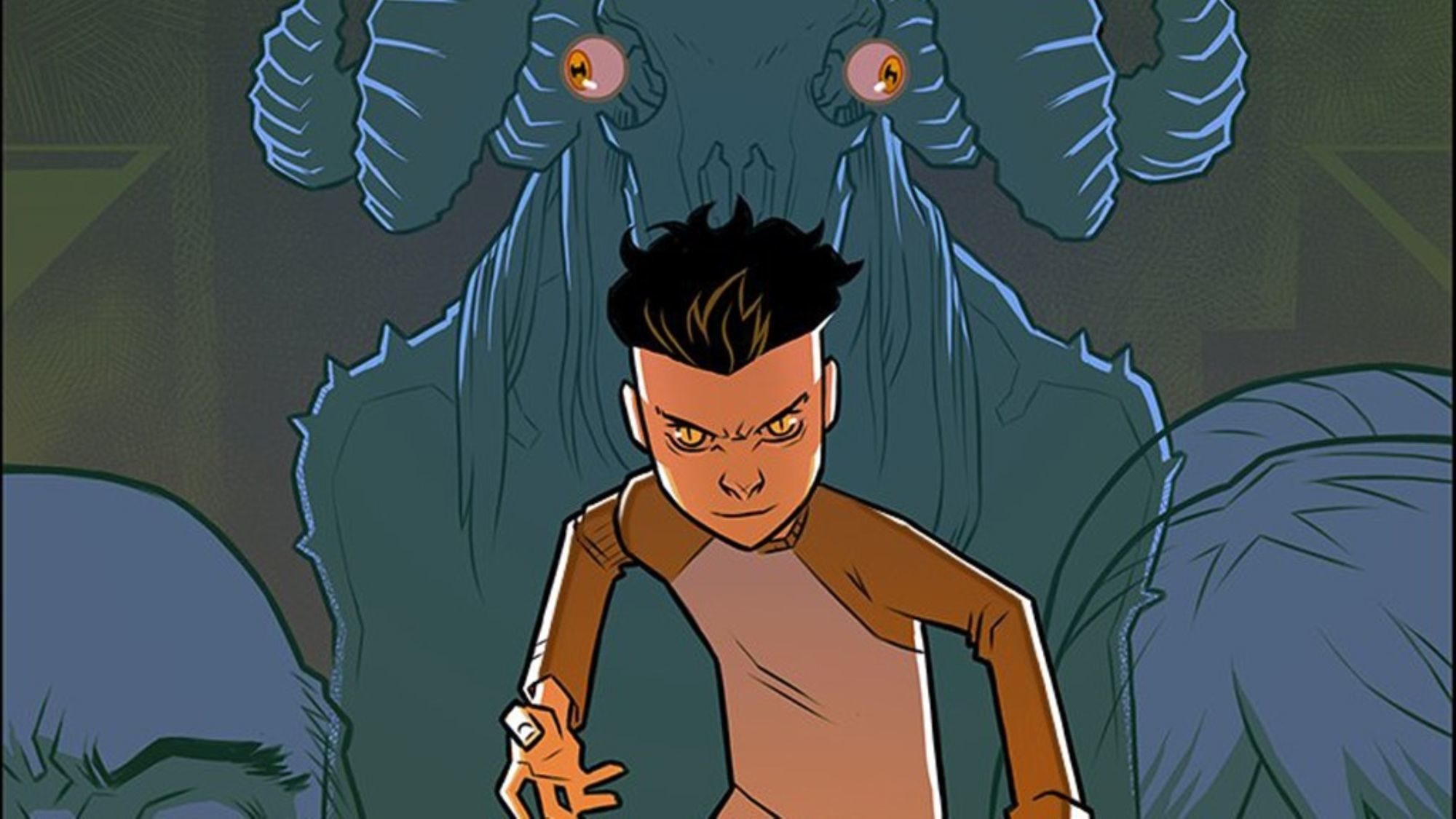
Urban Animal, illustrated by John Amor with lettering by Micah Myers, launched on Webtoon with a premise that blended high-school drama with supernatural stakes. The story follows Joe Gomez, a high-achiever whose life is upended when he discovers he is a Chimera—a shape-shifting nature spirit—thrust into a global conflict.
Since its inception, the series has undergone a significant trajectory:
- Launch Phase: Moving away from the monthly direct market cycle, the team adopted a hyper-serialized, weekly release schedule designed for mobile consumption.
- Audience Accumulation: Over the course of its first year, the series gained steady traction, eventually climbing to nearly 465,000 subscribers.
- The "Fast Pass" Milestone: As the series matured into its third season, it solidified a sustainable revenue stream via the "Fast Pass" model, allowing dedicated readers to pay a small fee for early access to upcoming episodes.
- The Transition to Print: Following the success of the digital serial, the team announced a strategic pivot toward physical collection, partnering with Rocketship Entertainment to bring the story to the bookstore market via a Kickstarter campaign.
The Mathematics of Modern Monetization
One of the most pressing questions for any creator eyeing the digital space is the "how": How does a free-to-read comic provide a living for its creators?
The answer lies in a multi-tiered revenue model that contrasts sharply with the traditional royalty-and-advance structure of legacy publishers. For Urban Animal, the income is derived from a combination of licensing fees paid by the platform, a share of advertising revenue, and the Fast Pass system.
"The minimum number of paying people, based on what we do make from Fast Pass and our split with Webtoons, is 4,000 people a week," Jordan explains. While he acknowledges that 4,000 might seem modest compared to the heyday of printed periodicals, it represents a recurring, consistent income stream that does not rely on the volatile nature of monthly print-run estimates or unsold back-stock.
When aggregated over the length of an entire season, the financial performance of Urban Animal rivals, and in some cases exceeds, the compensation for high-profile work-for-hire assignments at major publishers. "If you work out all the income we have coming in from Webtoons, my part of that is usually almost identical to what I’d get paid to write a comic for DC for the same amount of content," Jordan adds.
Ownership and Creative Control
Perhaps the most compelling argument for the digital-first model is the structure of the intellectual property (IP) rights. In the traditional direct market, creator-owned books often involve a trade-off: the creator retains rights, but the publisher often takes a significant cut of the backend or holds a stake in the property.
Urban Animal operates more like a licensing agreement in the literary world. Webtoon secures the exclusive digital rights for a set period, but the creators retain the ability to exploit the IP in other avenues—such as merchandise and future print editions—independently. This creates a longer "time horizon" for profit, where the creator isn’t just selling a single issue, but building a library of content that will continue to pay dividends as it is collected, translated, and adapted.
Implications for the Future of Crowdfunding
The decision to bring Urban Animal to print via Kickstarter is not merely a nostalgic move; it is a calculated business strategy. By partnering with Rocketship Entertainment, which has successfully shepherded other digital hits like Let’s Play into physical format, Jordan is bypassing the traditional distribution bottlenecks that often plague independent print runs.
This signals a larger trend: the "hybrid" creator. We are entering an era where writers and artists use digital platforms to build a massive, verified audience for free, and then use that audience as a springboard for successful crowdfunding campaigns. It removes the "speculative" element of printing thousands of copies of a book hoping they sell; instead, the Kickstarter ensures the print run is paid for by the fans before the physical books are even manufactured.
As figures like Scott Snyder and high-profile industry names increasingly turn to platforms like Kickstarter, the stigma once associated with self-funded publishing is evaporating. It is becoming a primary, rather than secondary, channel for comic book distribution.
Final Thoughts: A New Template for Creators
Justin Jordan’s experience with Urban Animal serves as a case study for a new generation of sequential storytellers. It proves that while the direct market remains a cultural pillar, it is no longer the sole arbiter of success. By leveraging mobile-friendly, long-form serialization, creators can reach audiences in the millions, foster direct relationships with their readers, and build sustainable business models that don’t require the overhead of traditional physical publishing.
For readers, the barrier to entry is gone—the story is there, waiting on their phones every Saturday. For creators, the path forward is clear: build the audience first, monetize through diverse streams, and treat the print edition as the final, celebratory act of a successful digital run. As Jordan puts it, the shift isn’t just about survival; it’s about finding the medium that allows the story to reach the people who want to read it most.

 Layla Zulfa
 Ali Ikhwan