

In the landscape of modern sequential storytelling, the "Direct Market"—the system of comic book shops and monthly single-issue releases that has defined the industry for decades—often serves as the primary yardstick for success. Yet, for veteran writer Justin Jordan, best known for his work on Image Comics’ Luther Strode and Spread, as well as high-profile runs at DC, the most significant milestone of his career has occurred entirely outside that traditional framework.
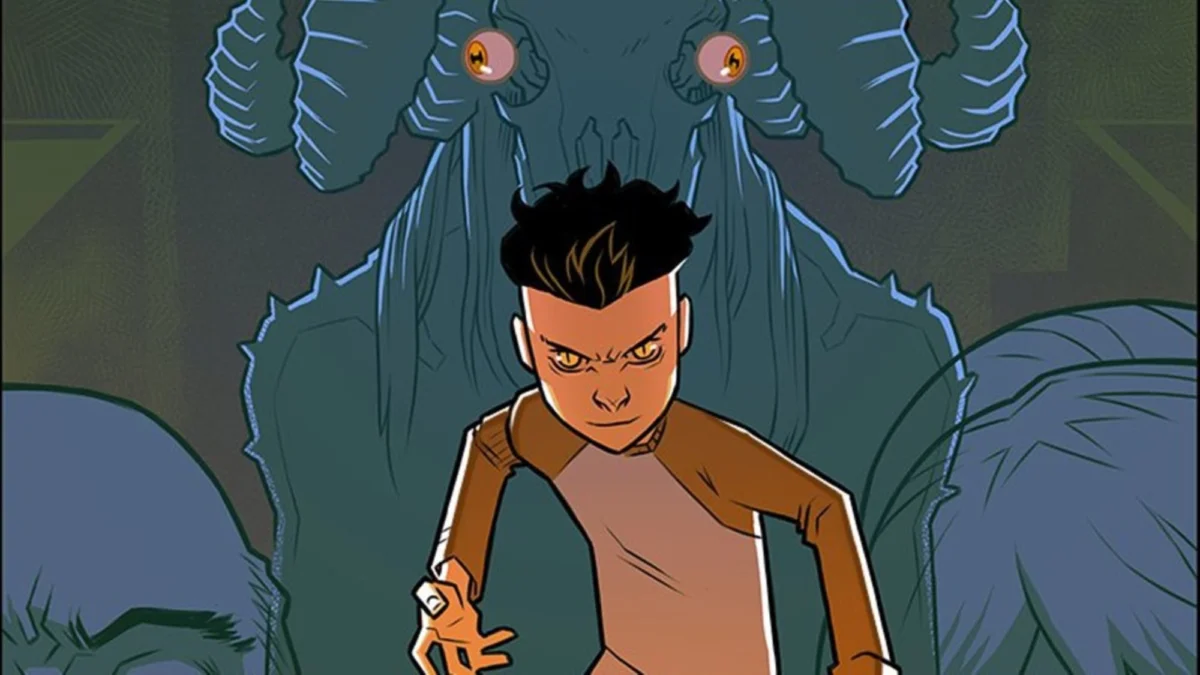
Jordan’s current project, Urban Animal, a supernatural coming-of-age story created alongside artist John Amor and letterer Micah Myers, has quietly amassed an audience that dwarfs the readership of most print titles. With over 465,000 subscribers on the Webtoon platform and a weekly readership averaging between 80,000 and 100,000, Urban Animal represents a fundamental shift in how creators reach their audience and, more importantly, how they sustain a professional career in an evolving digital ecosystem.
A Career Defined by Evolution
To understand the weight of Jordan’s success with Urban Animal, one must first consider his pedigree. Jordan is a seasoned industry professional who has navigated the demanding waters of both "work-for-hire" and creator-owned comics. His bibliography is extensive, featuring stints on major properties such as Curse of Brimstone, Sideways, New Guardians, Superboy, and Team 7 for DC, as well as a pivotal reboot of Shadowman for Valiant.
Despite this history, Jordan is the first to admit that his perspective on the industry was historically colored by his immersion in the direct market. "I have a bad habit of saying ‘comics’ when what I am actually talking about is ‘direct market comics,’" Jordan notes. "We talk about comics being in trouble based on what’s happening in the direct market. But while the direct market has its ups and downs, comics—sequential storytelling—is enormously popular."
The reality of this popularity is found in the staggering sales of figures like Dav Pilkey, whose Dogman series commands print runs in the millions, and the massive, often invisible, consumption of manga and webcomics. By stepping into the Webtoon space, Jordan has transitioned from a traditional industry veteran to a pioneer in the digital-first model.
The Mechanics of the Webtoon Model
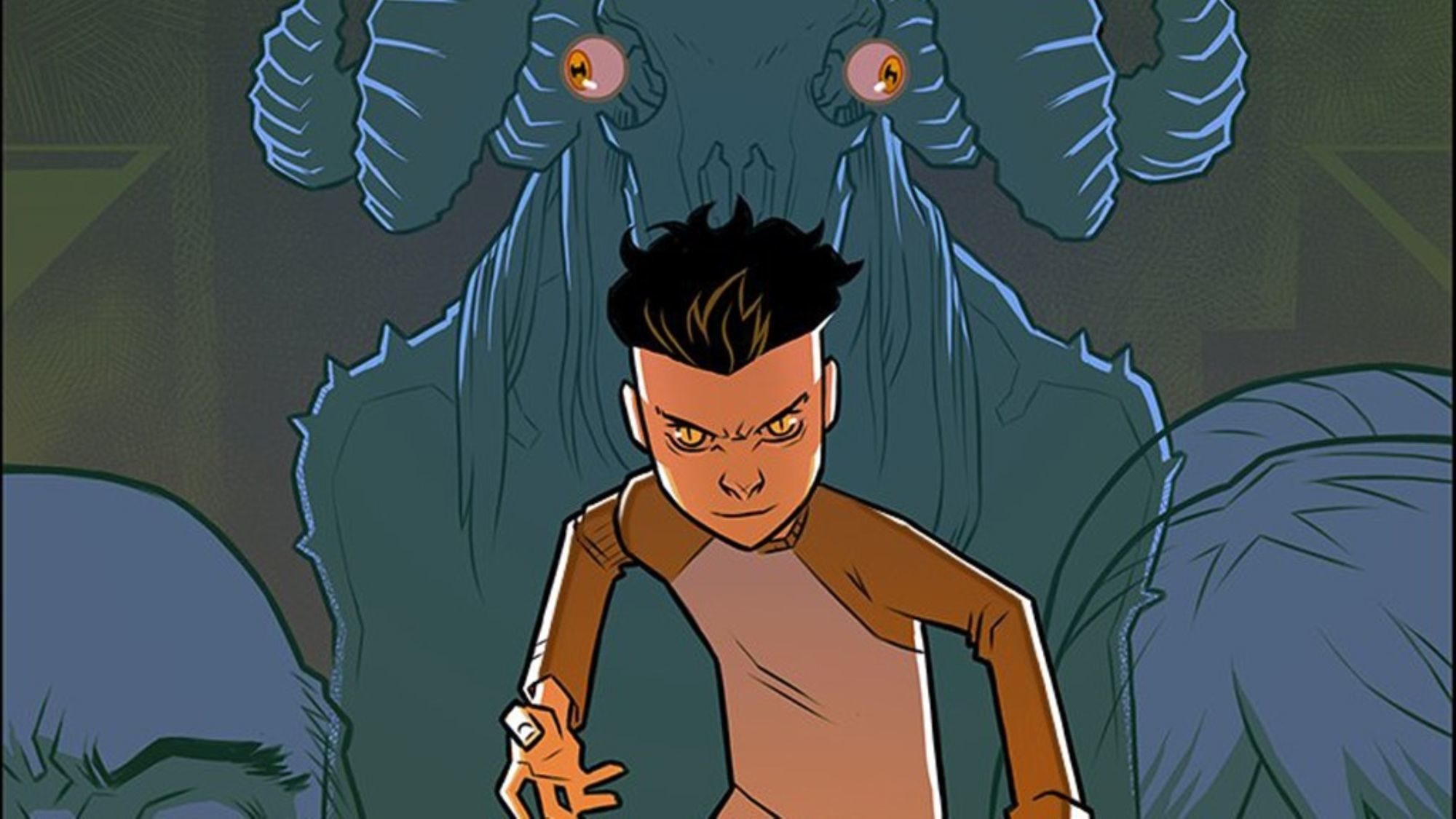
The Urban Animal phenomenon provides a compelling case study in the viability of digital comics. The series follows Joe Gomez, a high schooler who discovers he is a Chimera—a shape-shifting nature spirit—and must harness his new powers to protect humanity. While the premise fits neatly into the superhero genre, the delivery mechanism is radically different from the comic shops of old.
The Numbers Game: Subscribers vs. Readers
With nearly half a million subscribers, Urban Animal holds a significant foothold on the platform. However, Jordan distinguishes between "subscribers"—those who follow the project—and the "weekly readership," which fluctuates between 80,000 and 100,000. These numbers are highly fluid, influenced by the natural churn of new readers discovering the series and long-time fans moving on.
"That’s not an error or an extra zero or two," Jordan says of the subscriber count. "We’re at close to half a million subs, which I still have trouble wrapping my head around."
By the standards of the direct market, where a monthly print comic is considered a success if it sustains a consistent readership of 20,000 to 30,000, the reach of Urban Animal is nothing short of massive. Even with the "apples to oranges" caveat—given that Webtoons are free to access—the weekly engagement metrics place Urban Animal in the same stratosphere as the top ten best-selling print comics in the United States.
The "Fast Pass" Economy
The monetization of Urban Animal relies on a hybrid model. The core experience is free to the reader, supported by advertising revenue and a platform-based "Fast Pass" system. This feature allows dedicated fans to pay a nominal fee (roughly 50 cents) to access upcoming episodes three weeks ahead of the general public.
While Jordan maintains strict privacy regarding specific earnings, he confirms that the financial structure is surprisingly competitive. "The minimum number of paying people… is 4,000 people a week," Jordan reveals. When combined with licensing fees and the platform’s revenue-sharing agreements, the compensation for his writing services matches or exceeds what he would earn for comparable output at a major publisher like DC.
Shifting Rights and Long-Term Value
Perhaps the most radical departure from traditional publishing is the nature of the contract. In the direct market, creator-owned work often involves the publisher retaining a degree of ownership or at least a significant stake in the intellectual property (IP).
In the case of Urban Animal, the deal functions more like a license in the prose market. Webtoon pays a license fee for exclusive rights to host the content for a set period. Once that period concludes, the rights revert or allow for other forms of exploitation.
"From a business standpoint, it’s a pretty good deal," Jordan explains. "It makes it hard to say how financially profitable it is because the time horizon is fairly long. The sheer volume and length of it means I will probably eventually make more money from this than from any other series I’ve done."
This long-term strategy includes merchandising and the eventual transition into print, a move that is becoming increasingly common for successful digital creators.
The Pivot to Print: Crowdfunding as a Bridge
The final piece of the Urban Animal puzzle is the transition from screen to physical page. In collaboration with Rocketship Entertainment—a publisher that has successfully shepherded other digital-first hits like Let’s Play into the physical market—Jordan is spearheading a Kickstarter campaign to release the first season in a collected volume.
This marks a significant milestone for Jordan, who, despite having participated in other crowdfunding projects, is now taking the lead in managing the campaign. This shift mirrors a broader industry trend where creators, emboldened by the massive, verifiable audiences they have built online, are bypassing traditional distribution hurdles in favor of direct-to-consumer crowdfunding.
"I suspect crowdfunding is going to take an increasingly prominent place in direct market comics," Jordan says, pointing to the success of high-profile creators and celebrity-backed projects. The print edition of Urban Animal will collect over 200 pages of the first season, positioning it as a "meaty beast" of a book designed to capture both the digital audience and the traditional collector market.
Implications for the Future of Comics
The success of Urban Animal signals a maturation of the digital comics market. It suggests that the "death of comics" narrative is largely a reflection of the decline of a single, aging distribution model rather than a decline in the medium itself.
For creators, the implications are profound:
- Global Reach: The barrier to entry for international readers is non-existent, allowing for a diverse, global fanbase that a local comic shop cannot replicate.
- Serialized Longevity: The "hyperserialized" format of Webtoons encourages consistent, long-term engagement, fostering a deeper connection between the reader and the narrative.
- Creative Autonomy: By controlling the IP through a licensing model rather than a traditional work-for-hire or co-ownership deal, creators retain greater agency over their creations.
As Jordan continues his work on Urban Animal, the project stands as a testament to the fact that when creators adapt to the medium of the reader—rather than forcing the reader to adapt to the constraints of the market—they can find a vibrant, sustainable, and highly lucrative future. Whether through digital platforms or the burgeoning world of crowdfunded print, the era of the creator-entrepreneur is here, and it is reading—and paying for—Urban Animal.









No comments yet. Be the first to join the conversation!