Nila Kartika Wati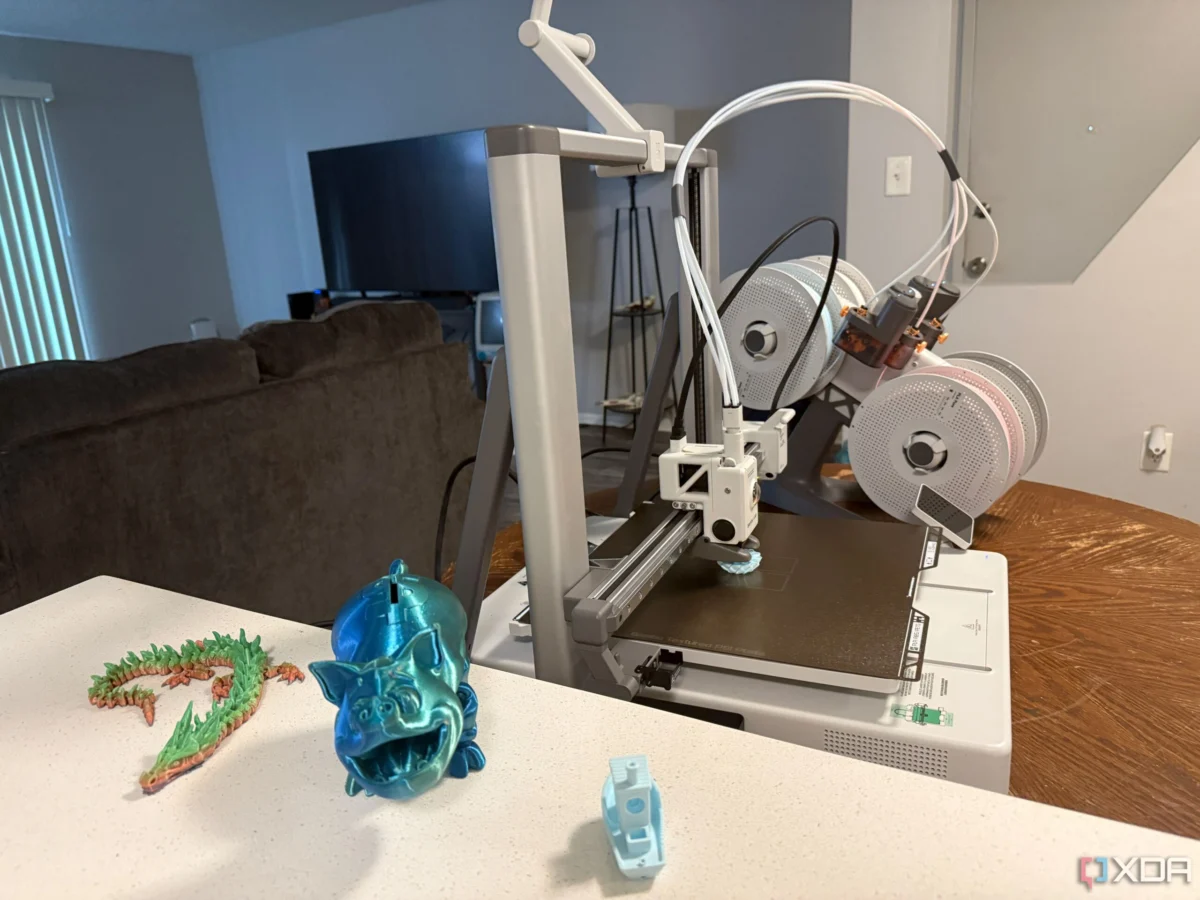
In the high-octane world of 3D printing hobbyists, there is an unspoken pressure to produce the "showpiece." Online forums and social media feeds are dominated by a specific aesthetic: intricate, multi-colored dragons, complex articulated swords, high-fidelity stormtrooper helmets, and gravity-defying mechanical puzzles. These models serve as the visual currency of the community, garnering thousands of likes and shares because they are flashy, photogenic, and effectively demonstrate the technical prowess of the printer itself.
However, beneath the surface of this "showcase energy" lies a quieter, more utilitarian reality. For many veteran makers, the true value of owning a 3D printer isn’t found in the latest trending model, but in the mundane, often invisible, brackets, shims, and cable guides that inhabit the hidden corners of our homes and offices. While a custom-designed power strip mount will never go viral, it represents a fundamental shift in how we interact with our living spaces—turning a hobbyist machine into an essential tool for domestic problem-solving.
The Evolution of the Maker: From Novelty to Necessity
The timeline of a 3D printer owner usually follows a predictable trajectory. It often begins with the "novelty phase." During the first few weeks, the printer is tasked with printing "Benchy" boats, calibration cubes, and perhaps a small collection of decorative desk toys. This period is critical; it is the time for learning the basics—bed leveling, material properties, and the nuances of slicer software.
As the novelty fades, the user reaches a crossroads. They can either continue to hunt for the latest trending files on platforms like Printables or Thingiverse, or they can begin to look at their own environment through the lens of a fabricator. This transition marks the move from "consumer of models" to "creator of solutions."
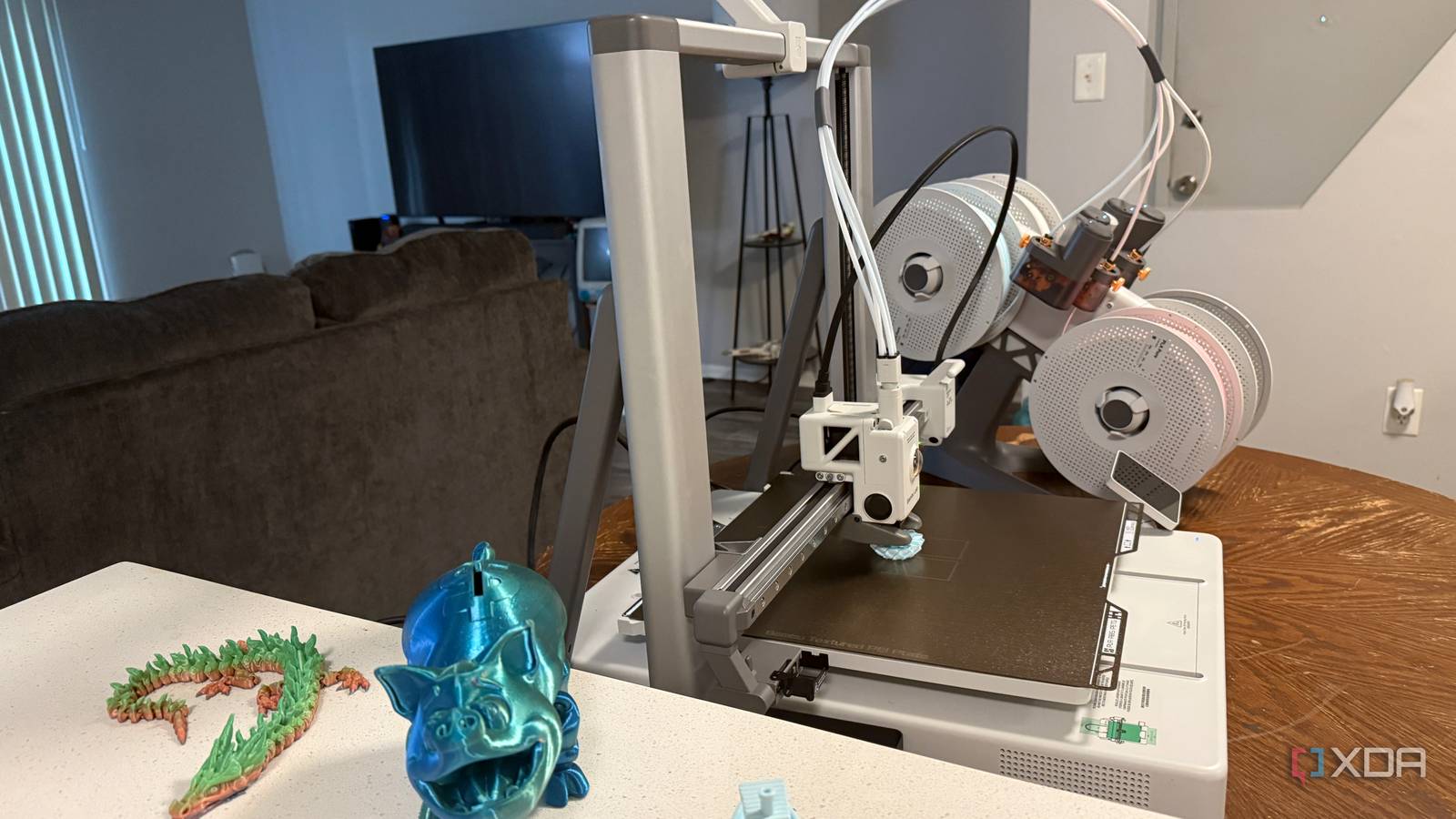
When a user shifts their focus toward fixing the tiny, nagging irritations of daily life—a wobbly shelf, an unorganized mess of cables, or a broken drawer latch—the 3D printer stops being a toy and starts becoming an appliance. These prints are rarely "universal." They are inherently specific to the individual’s environment, which is exactly what makes them superior to store-bought solutions. While a big-box store might sell a generic cable management kit, a 3D-printed solution is tailored to the exact dimensions of your desk and the specific cable thickness you are using.
The Data of Daily Utility
While there is little empirical data to track the "usefulness" of a print, the anecdotal evidence from long-term hobbyists is consistent. Research into consumer behavior regarding desktop fabrication suggests that users who transition to "functional printing" report higher rates of satisfaction and lower rates of printer abandonment.
In a recent survey of hobbyists, participants who identified "utility" as their primary motivation for printing were 40% more likely to keep their machines in active use after the first year compared to those who focused solely on decorative display items. The implication is clear: functional prints create a cycle of utility. When a printed object serves a daily purpose, the printer remains an active part of the household. When the prints are purely decorative, they often end up in a box or on a shelf, eventually leading to a loss of interest in the machine itself.
The Technical Merit of Mundane Prints
There is a misconception that "boring" prints require less skill than showcase models. On the contrary, functional printing often requires a higher degree of technical discipline. When you are printing a replacement part for a kitchen appliance or a bracket to hold a heavy monitor arm, the stakes are higher.

- Material Science: You must consider the thermal properties of your filament. PLA might be fine for a desk organizer, but a bracket for a window unit or a car interior might require PETG or ABS/ASA to handle heat fluctuations.
- Structural Integrity: A display piece only needs to support its own weight. A functional part must be designed with proper wall thickness, infill patterns, and orientation to withstand mechanical stress.
- Tolerance and Precision: Unlike a decorative figure, a functional print must fit into a pre-existing assembly. This demands a mastery of measurement, "tolerance testing," and an understanding of how plastic shrinks during the cooling process.
These requirements push the user to learn more about the machine’s capabilities. You aren’t just adjusting settings to make a dragon look smooth; you are calibrating your machine to ensure that a screw fits perfectly into a printed hole or that a snap-fit joint actually clicks into place. This is where 3D printing ceases to be a hobby and starts to become an engineering discipline.
Why Popular Prints Still Matter: A Shared Language
Despite the focus on utilitarian design, it would be a mistake to dismiss the importance of the community’s "showcase" culture. Popular models serve as a vital shared language among makers. If a thousand people have printed the same complex gear system, it becomes a benchmark for machine health.
When a user is troubleshooting their printer, they don’t ask for help with a custom-designed bracket that no one else has seen. They use a standard test model. If the community’s popular "calibration cat" or "torture test" prints poorly, the user knows the issue is with their machine, not their design. Furthermore, these flashy prints keep the hobby fun. If a printer were used exclusively for fixing things, it would feel like a maintenance chore. A balance between "fun" and "functional" is essential for long-term engagement.
Implications for the Future of Home Fabrication
The rise of accessible CAD software—such as the cloud-based, free-to-use Onshape—has accelerated this trend toward personalized utility. By removing the barrier to entry for 3D modeling, more users are moving away from downloading others’ work and toward designing their own.
The implications for this are profound. As we become better at "filling the gaps" in our homes, we reduce our reliance on mass-produced, generic plastic accessories that are often poorly suited to our specific needs. We are witnessing a quiet revolution in personal logistics: instead of waiting for a shipping delivery for a minor piece of hardware, we can fabricate a solution in an hour.
Conclusion: The Quiet Victory of the Bracket
The next time you are browsing a 3D printing repository, try to look past the top-rated models. Instead, walk through your workspace or your home. Look for the messy cables, the wobbly leg, the missing knob, or the awkward space between your monitor and the wall.
The most valuable print you will ever make is not the one that looks best on a shelf; it is the one that you stop noticing entirely because it does its job so perfectly that the problem it solved no longer exists. That is the true, hidden power of the 3D printer: the ability to manufacture bespoke solutions that turn your house into a space that is not just lived in, but perfectly optimized for the way you live.
By embracing the "boring" prints, you aren’t just making plastic parts—you are mastering a tool that fundamentally changes your relationship with the physical objects in your world. The showcase prints get the attention, but the functional prints provide the value, proving that the most important items in your home are often the ones you never intended to be seen.


 Jia Lissa
 Ammar Sabilarrohman