

In the modern enterprise, social data is arguably the most undervalued asset on the balance sheet. For too long, organizations have treated social media as a digital megaphone—a unidirectional tool used primarily by marketing teams to broadcast brand messaging. When this data remains siloed, it is akin to operating a world-class radar system and using it only to check the weather. You miss the tectonic shifts in consumer behavior, emerging market threats, and untapped opportunities that dictate whether your next strategic move will resonate or fall flat.
According to the 2026 Social Intelligence Report, a sobering reality persists: only 36% of professionals report that social data regularly informs decision-making outside of the marketing department. To elevate social media from a tactical channel to a core business driver, organizations must bridge the gap between social management and social intelligence. This transition requires a fundamental shift in how companies perceive, process, and act upon the voice of the customer.
The Strategic Imperative: Breaking Down the Silos
Social intelligence is the practice of transforming raw social data into actionable business insights. It shifts the role of the social team from a "creative output" unit to an "active signal" center. This evolution allows a company to pivot from a reactive posture—where leadership waits for lagging monthly or quarterly reports—to a proactive stance, where real-time market sentiment guides the ship.
The speed of this transition is its greatest value. Seventy-four percent of industry professionals agree that social data provides insights significantly faster than traditional market research methods. In a volatile economy, the ability to adjust messaging, supply chain priorities, or operational plans in hours rather than weeks is the ultimate competitive advantage.
A Chronology of the Data Gap
Historically, the trajectory of social data in the enterprise has followed a predictable, albeit inefficient, path:
- The Early Years (2010–2015): Social data was treated as "vanity metrics." Companies tracked likes, shares, and follows, focusing on top-of-funnel brand awareness.
- The Integration Phase (2016–2020): Marketing teams began using social listening to refine ad campaigns and manage basic community engagement. Data remained trapped in marketing dashboards.
- The Intelligence Era (2021–Present): Forward-thinking enterprises are beginning to connect social API feeds directly into CRM, ERP, and R&D systems. The focus has moved from volume (how many people talked about us?) to value (what are they telling us about our product?).
Customer Care: From Ticket-Triage to Loyalty Engineering
Integrating social intelligence into customer care transforms the department from a cost-center focused on "ticket resolution" into a proactive engine of brand loyalty. Currently, 45% of organizations report that social insights have touched their customer care functions—a figure that indicates progress, but one that remains far below the potential.
By monitoring social sentiment in real-time, marketing teams act as an early warning system for care teams. Subtle shifts in consumer mood can be identified long before they escalate into viral PR crises or widespread product failures.
The CRM Connection
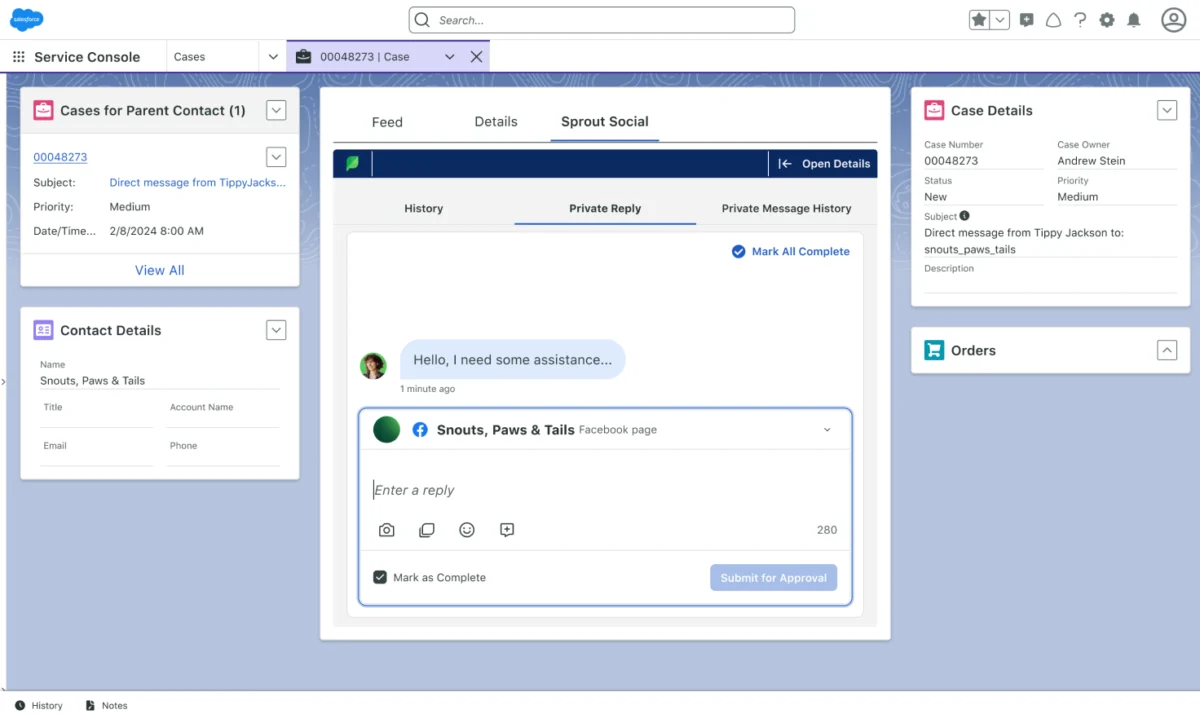
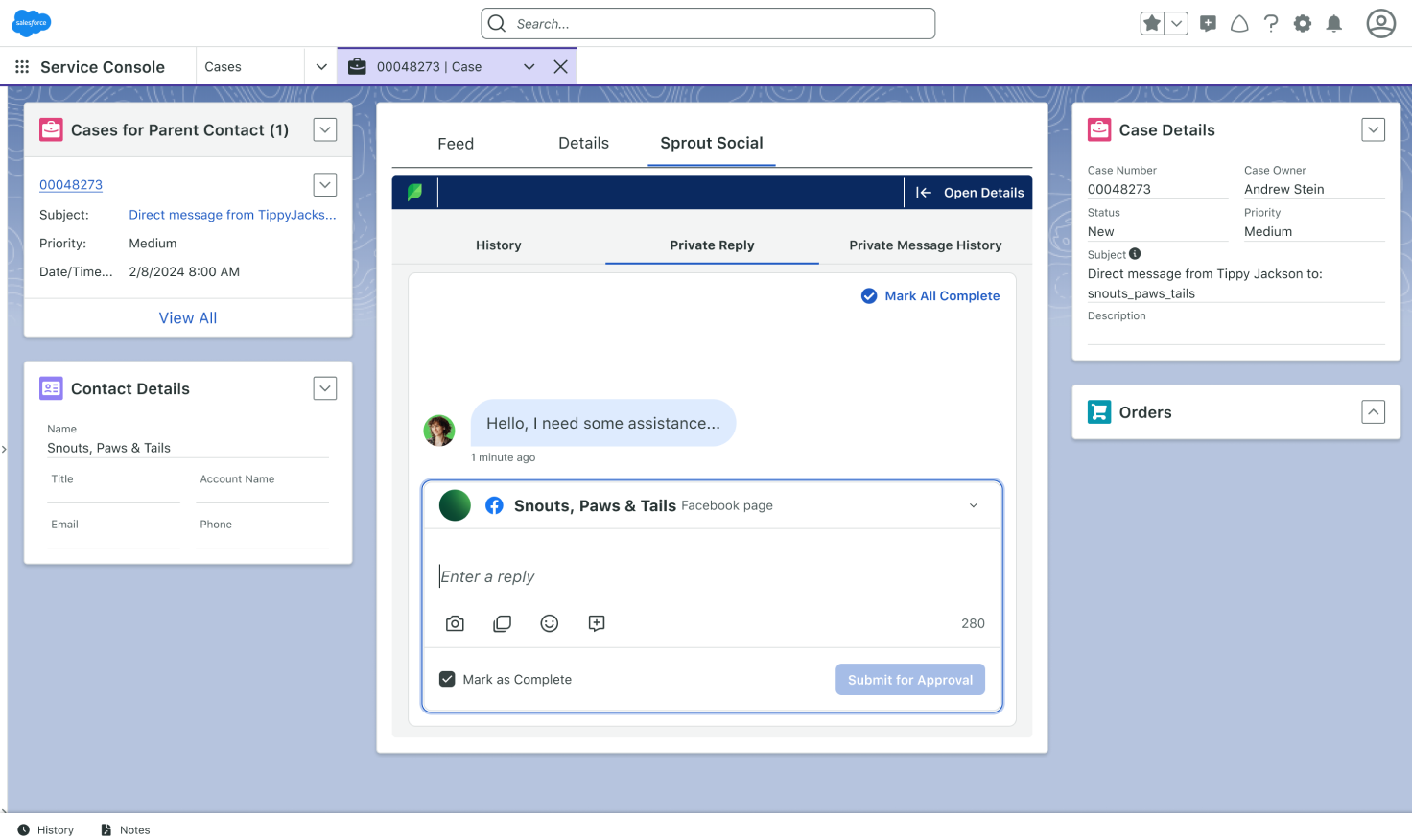
The true power of this integration is realized when social profiles are linked to existing CRM data. When a customer reaches out via social media, an agent with access to integrated social intelligence doesn’t just see a "user handle"—they see a customer history. They see previous purchase patterns, prior support tickets, and sentiment trends. This context allows for hyper-personalized service, effectively turning a frustrating support request into a moment of genuine brand connection.
Furthermore, this data allows for the optimization of self-service. By identifying the most frequent, low-complexity questions appearing on social channels, firms can proactively update FAQs, create automated bots, or adjust product documentation, effectively lowering the volume of direct tickets and allowing staff to focus on complex, high-touch cases.
Product Development: The Always-On Feedback Loop
One of the most profound failures in modern business is the distance between the customer and the product developer. The 2026 Social Intelligence Report reveals that social insights reach product teams only 28% of the time, and R&D departments even less frequently, at 18%. This creates a "blind spot" where products are developed based on closed-room brainstorming rather than real-world utility.
The "Always-On" R&D Model
Traditional product development relies on focus groups and periodic interviews—methods that are inherently limited by sample size and time lag. Social intelligence, by contrast, creates an "always-on" feedback loop. The moment a product reaches the public, the market begins generating a stream of real-time data regarding usability, bugs, and unexpected use cases.
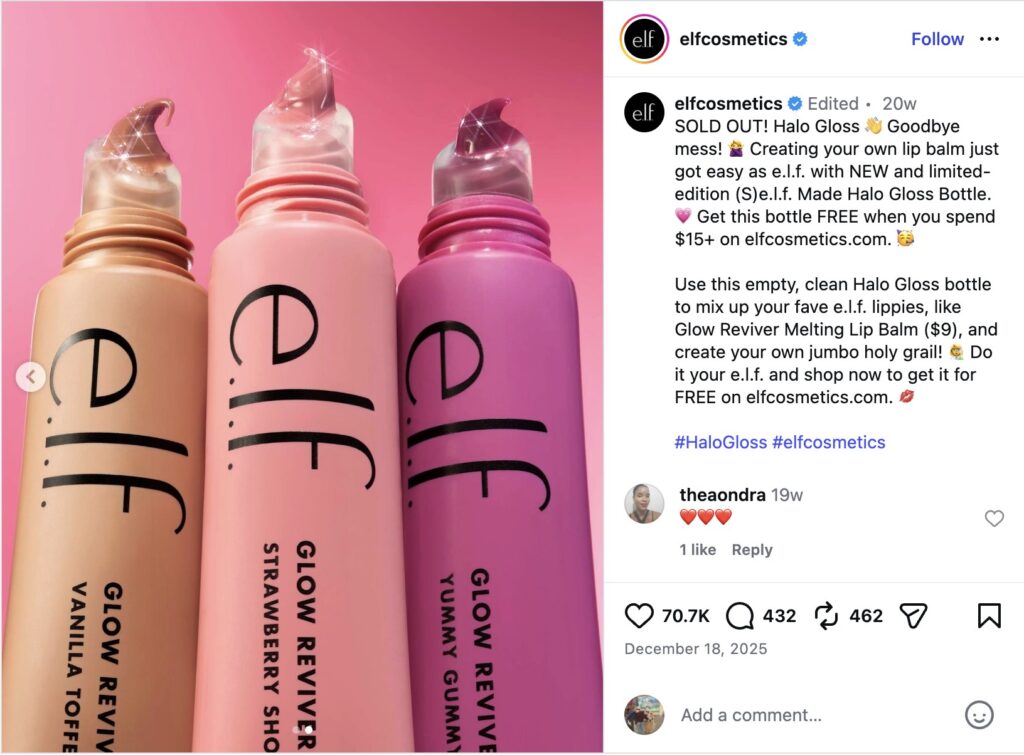
Consider the success of e.l.f. Cosmetics. When their team noticed a trend of TikTok users creating "hacks" to mix their own lip glosses, they didn’t just comment on the trend; they operationalized it. By launching a limited-edition mixing bottle that aligned with the observed consumer behavior, they turned a social insight into a sold-out product. This is the gold standard of social-powered R&D: observing, validating, and executing.
Human Capital: Amplifying Employer Branding
In the modern talent market, the "employer brand" is no longer crafted by HR alone; it is defined by the employee experience shared on social media. Prospective candidates now perform their own due diligence, looking past the polished corporate website to the organic, often unfiltered, conversations happening on platforms like LinkedIn, Instagram, and Glassdoor.
Companies like fintech firm Mollie have mastered this by empowering their workforce to become brand advocates. By showcasing the day-to-day realities of their internal culture, they attract talent that is already culturally aligned with the company.
HR as a Consumer of Sentiment
Social intelligence also serves as an internal barometer for HR. While traditional annual employee surveys provide a static "snapshot" of morale, social signals provide a dynamic look at the employee pulse. By monitoring discussions around internal initiatives, remote work policies, or corporate values, leadership can identify and address cultural friction before it manifests as high turnover. This creates a feedback loop that sustains a healthy, productive, and transparent organizational culture.
The Path to a Social-First Enterprise
To achieve cross-functional success, an organization must view social media as a shared resource—a "pulse" of the entire company. This requires a systemic commitment to removing friction. If a critical data point is captured on a social platform, it should not require a manual report to reach a product manager or an HR lead.
Implementation Strategies
- Standardize the Language: Establish common KPIs that every department can understand. If a reduction in negative sentiment correlates to a reduction in customer churn, the executive team will naturally prioritize social investment.
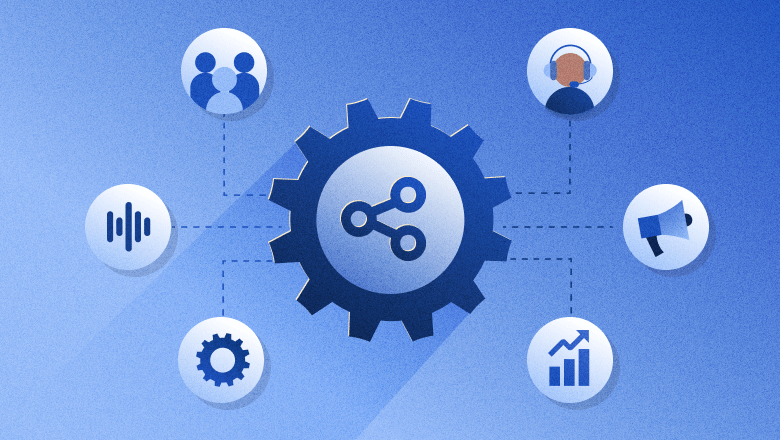
- Build a Connected Ecosystem: Utilize integrations that push social data directly into CRMs (like Salesforce), product management tools (like Jira), and HR dashboards.
- Culture of Transparency: Shift the mindset from "social belongs to marketing" to "social is a corporate asset." Encourage cross-departmental "data shares" where insights are reviewed not just for marketing efficacy, but for operational improvement.
Conclusion: The Future is Shared
The most successful companies of the next decade will be those that view social media as the world’s largest, most honest focus group. It is the only place where customers, competitors, and potential employees speak without a script.
When you break down the marketing silos, you unlock a treasure trove of information that can guide every facet of your business. The transformation toward a social-first enterprise is not just about adopting new software; it is about building a culture of connection. It is about recognizing that the most valuable information your business possesses is already sitting in the open, waiting to be interpreted, integrated, and acted upon. The question is no longer whether your business should use social data—it is how quickly you can make that data accessible to the people who need it most.
For a deeper dive into how to operationalize these strategies, download the full 2026 Social Intelligence Report.












No comments yet. Be the first to join the conversation!