Basiran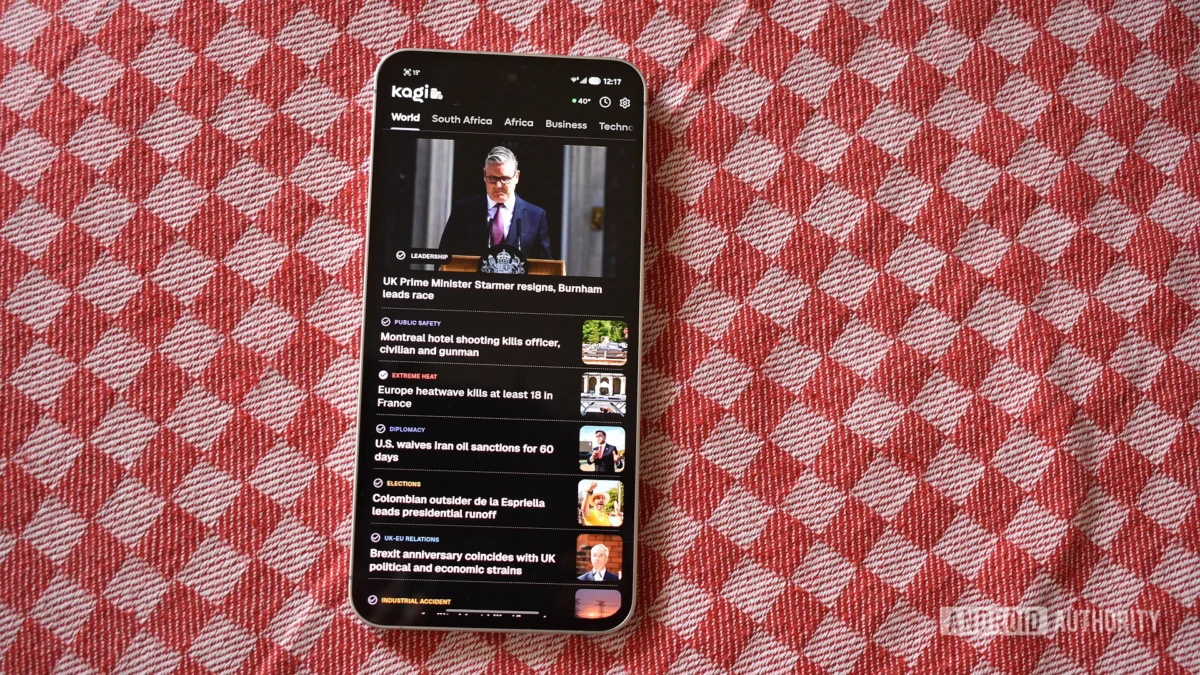
For years, the Google News app has served as the default gateway for millions of Android users to consume daily headlines. It is omnipresent, integrated into the fabric of the mobile operating system, and ostensibly convenient. Yet, for many, "convenient" has increasingly become synonymous with "frustrating."
Users have long complained that Google News is plagued by systemic issues: the promotion of inflammatory, rage-bait headlines, a lack of granular user control, and an interface that feels cluttered and algorithmically opaque. These systemic failures have spurred a quiet exodus, with power users turning to everything from niche RSS readers to experimental AI browsers. Now, a formidable new challenger has emerged from the same stable that brought us the premium, ad-free Kagi Search: the Kagi News app. After a week of intensive testing, it is becoming clear that Kagi is not just offering an alternative; it is offering a complete rethinking of how we consume the news.
The Core Facts: A Departure from Algorithmic Chaos
At its most fundamental level, Kagi News is a news aggregator, but its execution is fundamentally different from the incumbents. Where Google News relies on a massive, black-box recommendation engine designed to maximize engagement—often by pushing polarizing content—Kagi News prioritizes clarity, neutrality, and user-defined agency.

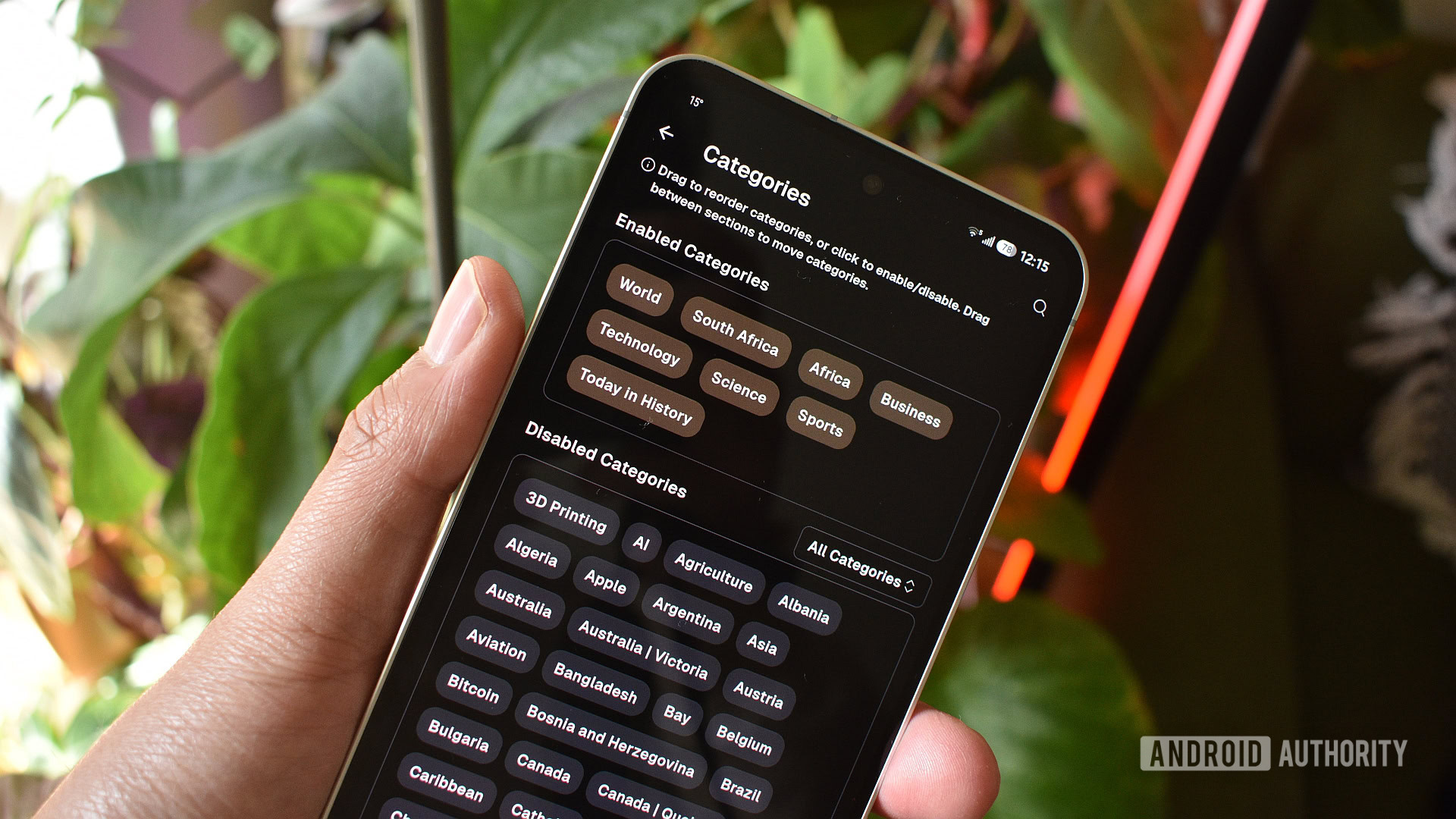
The user interface (UI) is strikingly minimalist. Kagi eschews the "infinite scroll" of sensationalist headlines in favor of a clean, structured, and highly configurable dashboard. Upon opening the app, users are greeted with clear, distinct silos of information: World, Business, Technology, and Sports. Unlike the rigid, non-negotiable feed of its competitors, Kagi allows users to curate their experience with surgical precision.
By navigating to the settings, users can shuffle, hide, or prioritize specific content categories. Whether it is tracking the nuances of Canadian provincial politics or staying updated on global cycling trends, the app empowers the user to dictate the agenda. The "Today in History" feature adds a layer of depth, providing a timeline of past events, births, and deaths, which transforms the app from a simple news feed into a contextualized library of human progress and struggle.
Chronology: The Evolution of the News Aggregator
To understand why Kagi News represents such a significant shift, one must look at the historical trajectory of news aggregation. The early days of the internet were dominated by manual curation (portals like Yahoo!). This evolved into the era of RSS feeds, which gave users total control but required technical literacy. Then came the "Platform Era," dominated by Google News and Apple News, where proprietary algorithms began to decide what was "newsworthy" based on click-through rates and ad revenue potential.
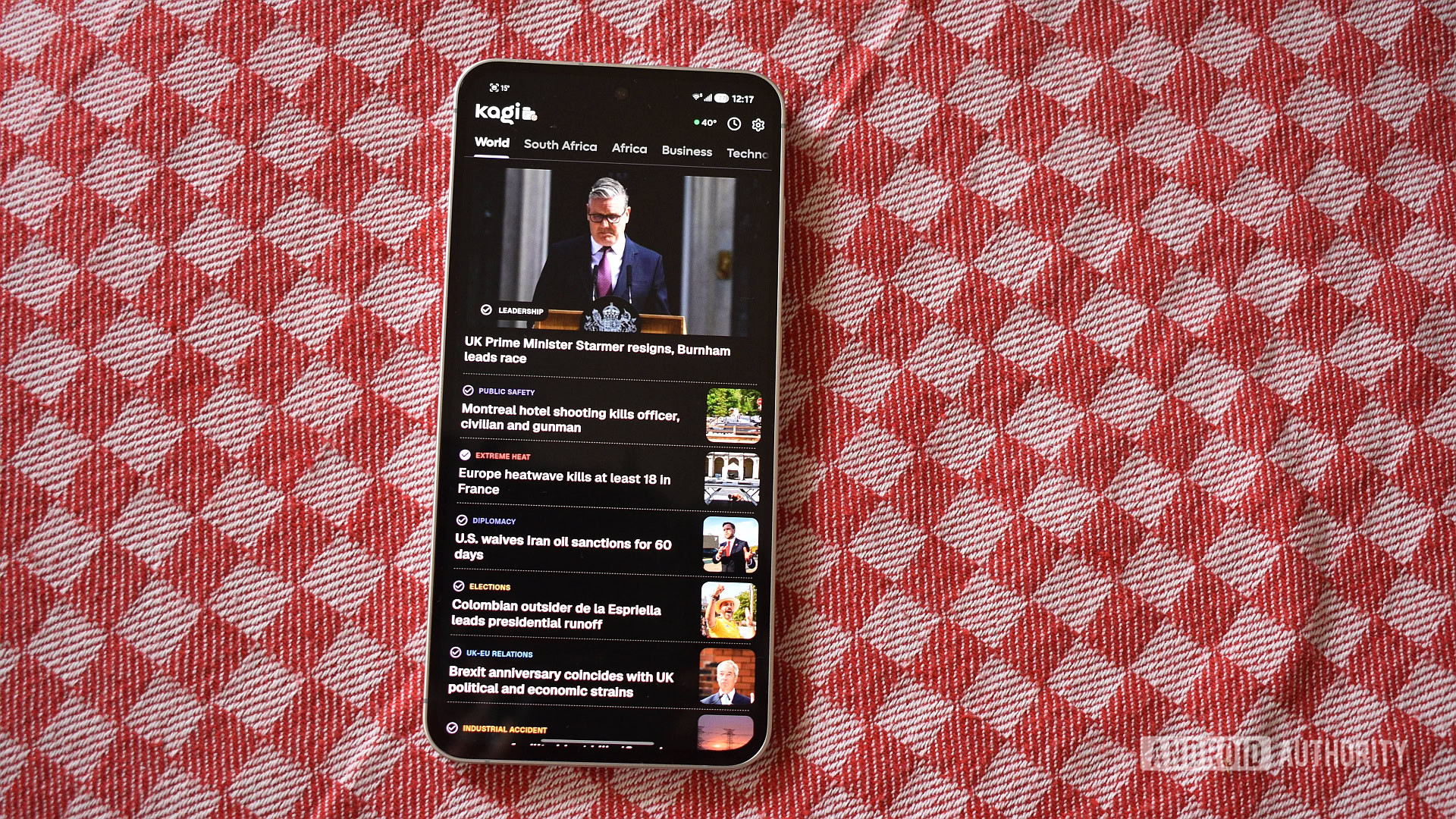
Kagi News represents the "AI-Curated Era." By leveraging large language models (LLMs) to process and condense information, Kagi has moved away from the "listicle" format of the last decade.
- Initial Launch: Kagi introduced its search engine as a privacy-first, subscription-based alternative to Google, establishing a reputation for high-quality, ad-free results.
- The Pivot to Content: Recognizing that the search results were only as good as the underlying sources, the company expanded into news.
- The Mobile Integration: The recent rollout of the Kagi News app on Android serves as the final piece of the puzzle, bringing the desktop-grade AI summarization tools to the mobile form factor.
Supporting Data: How Kagi Transforms the News Beat
The most significant technical departure in Kagi News is its approach to article consumption. When a user taps a headline in Google News, they are usually taken to an external site, often buried under intrusive ads, cookie pop-ups, and "newsletter signup" modals.
Kagi News flips this dynamic. When you select a topic, the app does not just provide a link; it provides a synthesis. Using AI, Kagi condenses multiple articles from disparate sources into a single, cohesive narrative. This process serves two purposes:
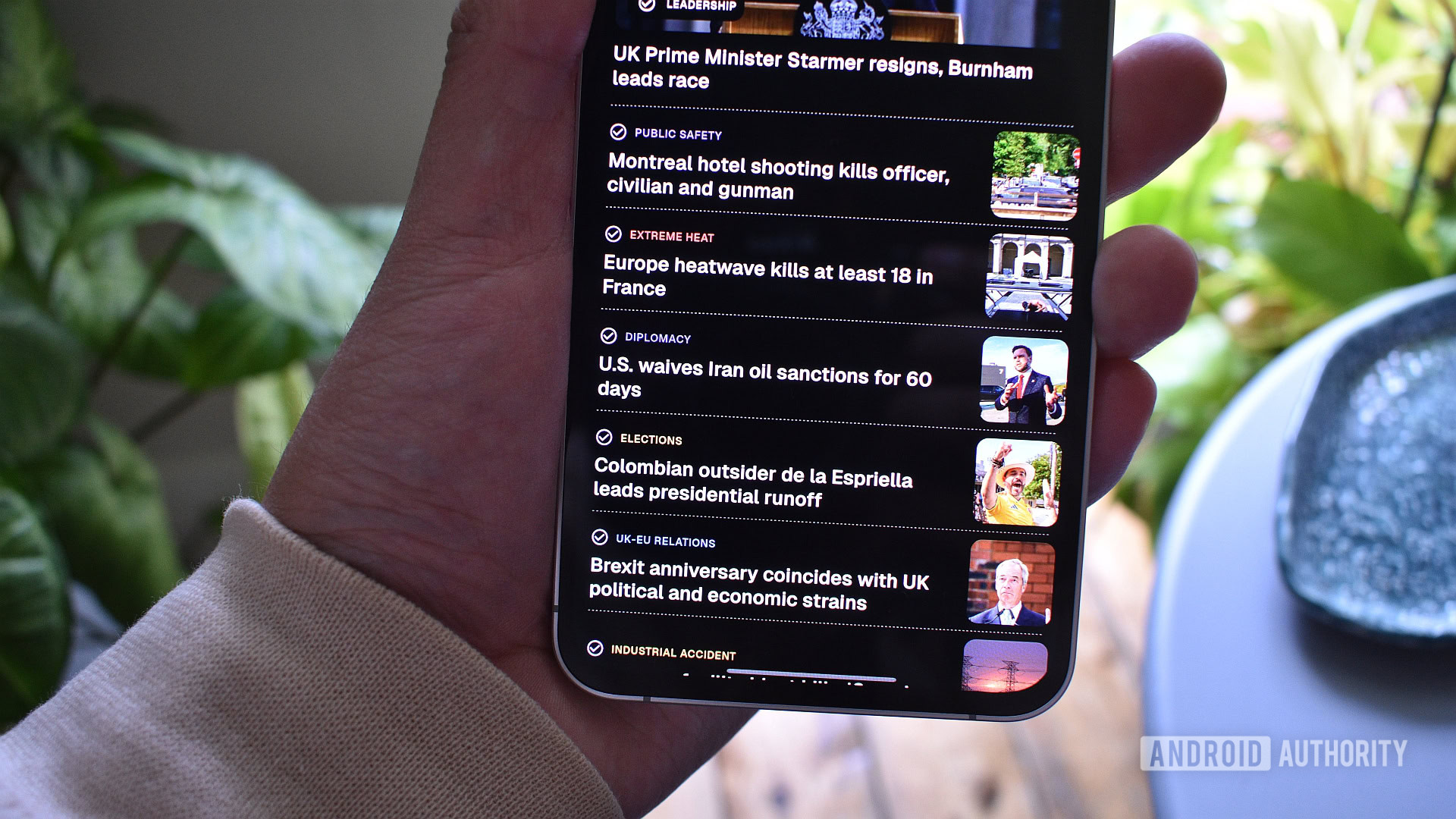
- Elimination of "Website Furniture": Users get the meat of the story without the digital clutter, ensuring that the experience is consistent whether reading about the Tour de France or geopolitical tensions in the Strait of Hormuz.
- Bias Mitigation: By synthesizing multiple viewpoints into one summary, Kagi reduces the impact of a single publisher’s editorial bias or inflammatory headline.
Furthermore, the app includes "Article Sections"—a modular way to view the news. Users can toggle between "Key Highlights," "Historical Context," "Timeline of Events," and "Perspectives from Key Players." This level of granular control is unprecedented in consumer-facing news applications.
The World Tension Index: A Metric for Global Stability
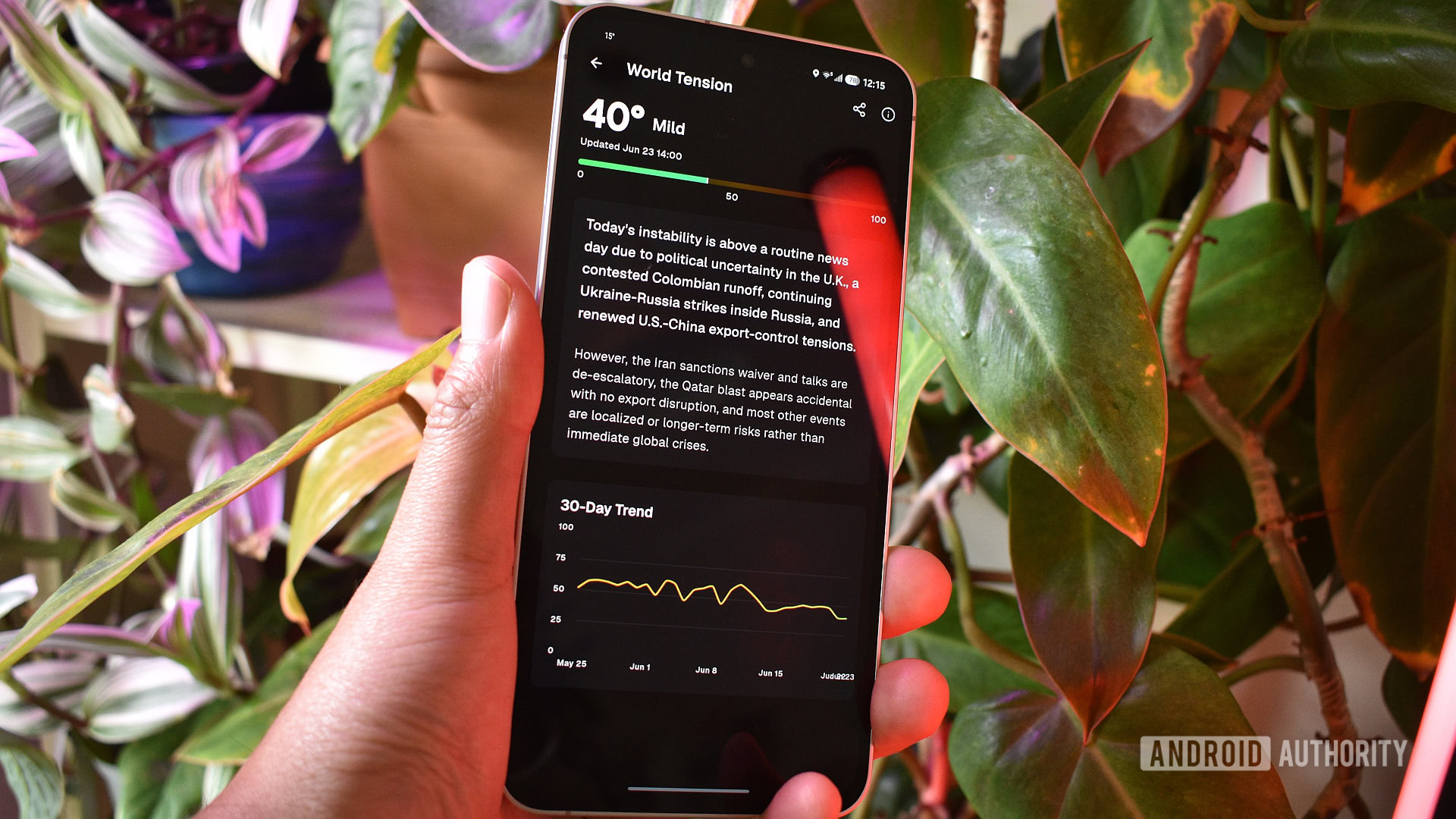
One of the most unique features is the "World Tension Index." Located near the settings menu, this index assigns a numeric value (0–100) to the global political and economic climate. It is not merely a number; it provides an analytical breakdown of why the index is at its current level. For example, recent reports cited volatile US-Iran dynamics and new export controls from China as drivers for an uptick in the index. For those who feel overwhelmed by the 24-hour news cycle, this index acts as a "temperature check" for the world, allowing users to gauge the global mood without drowning in sensationalist articles.
Official Responses and Industry Implications
While Kagi News has been praised by enthusiasts for its utility, it has also sparked a debate within the journalism industry. The core of the tension lies in the "traffic-versus-utility" trade-off.
Traditionally, news aggregators send traffic to publishers. This traffic is the lifeblood of digital journalism, as it translates to ad impressions and subscription signups. By summarizing content within its own app, Kagi effectively "disintermediates" the publisher.
When asked about the sustainability of this model, industry analysts have pointed to the inherent tension in the AI age. While Kagi provides links to the original sources, the act of summarization may decrease the incentive for users to visit the publisher’s site. Kagi’s defense, however, is that it provides a superior reading experience that respects the user’s time. The company has maintained that its focus remains on providing "the most valuable information possible," even if that requires a fundamental change in how users interact with content providers.
The Verdict: A Solution with Growing Pains
Is Kagi News perfect? No. As with any AI-driven product, it has its flaws.
- The 12-Story Limit: The app currently imposes an arbitrary 12-story limit per category. In regions or topics with high-frequency news, this can feel restrictive.
- AI Hallucinations: Occasionally, the AI makes errors in naming or phrasing. While these are rarely "game-breaking," they underscore the importance of the app’s inclusion of source links—users should always verify against the primary documents provided.
- The "Human" Cost: The ethical dilemma of AI-summarized news remains. By potentially reducing the traffic to original publishers, Kagi faces the same scrutiny that faces Google’s own AI Overviews.
However, after a week of testing, the conclusion is clear: Kagi News is a superior product. It respects the user’s intelligence and time in a way that Google News simply does not. It is an app for those who want to understand the world, rather than just be outraged by it.
Whether Kagi News can maintain this quality as it scales, and whether it can find a way to coexist sustainably with the news organizations it summarizes, remains to be seen. But for now, the "relegation" of Google News to the app drawer is not just a personal preference; it is a signal that the era of passive, algorithmically-driven news consumption is finally coming to an end. For those willing to trade the "easy" for the "better," Kagi News is the new standard.


 Ali Ikhwan
 Lina Hope