Ali Ikhwan
In the modern corporate landscape, social data is arguably the most undervalued asset on the balance sheet. For years, organizations have treated social media as a localized marketing outpost—a digital megaphone used to broadcast announcements or manage basic public relations. When this data remains siloed within the marketing department, it is akin to operating a world-class radar system and using it only to check the weather. By failing to integrate these insights into the broader business, companies miss the subtle, high-frequency shifts in consumer behavior that dictate whether a long-term strategic pivot will succeed or fall flat.
According to the 2026 Social Intelligence Report, this disconnect remains a significant barrier to growth: only 36% of professionals report that social data regularly informs decision-making outside of the marketing function. To transform marketing from a cost center into a core business driver, organizations must bridge the chasm between social media management and true social intelligence.
The Architecture of Social Intelligence: Shifting from Reactive to Proactive
The transition to a "social-first" enterprise requires a fundamental shift in philosophy. Currently, most organizations view social media through a reactive lens, relying on quarterly reports to autopsy what has already occurred. True social intelligence flips this model, positioning social teams as an "active signal" rather than an output machine.
The Chronology of Data Integration
The evolution of data maturity in the enterprise typically follows a three-stage trajectory:
- The Silo Phase: Data is localized. Marketing manages social, while R&D and Customer Care rely exclusively on historical sales data, internal surveys, or traditional focus groups.
- The Discovery Phase: Cross-departmental reporting begins. Marketing shares "top-line" social sentiment trends with leadership, but the data lacks specific, actionable context for other departments.
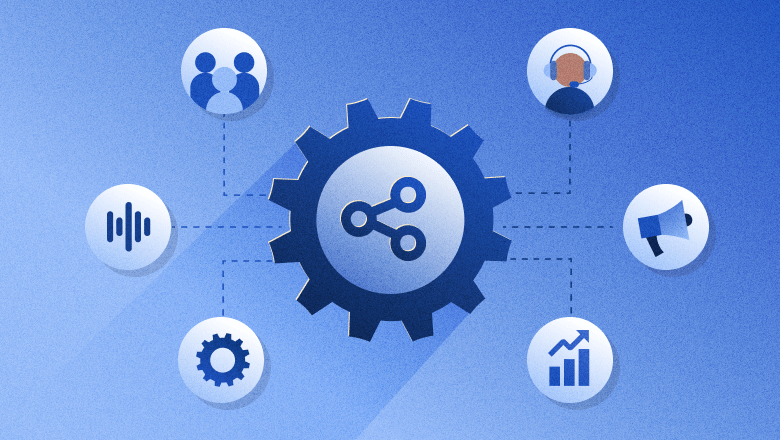
- The Integration Phase: Bi-directional data flows are established. Social data is integrated into CRMs, product management software, and HR dashboards, allowing for real-time adjustments to business strategy.
The urgency of this evolution is underscored by speed. The 2026 report highlights that 74% of industry leaders agree that social data provides insights significantly faster than traditional research methods. In an era where a brand crisis or a consumer trend can materialize in minutes, the ability to adjust operational plans in hours rather than weeks is a definitive competitive advantage.
Breaking Down Silos: A Cross-Functional Imperative
When social interactions are aligned with long-term business goals like customer retention and product innovation, the "isolated metric" fallacy disappears. A single, insightful conversation on a platform like Reddit or TikTok can serve as a leading indicator of brand trust, while a candid critique of a competitor’s friction point provides a roadmap for internal development.
Transforming Customer Care into a Value Driver
Customer care has historically been viewed as a reactive, ticket-answering function. However, social intelligence allows this department to pivot into a proactive driver of brand loyalty. Currently, 45% of organizations report that social insights influence their care operations, but this figure represents only a fraction of the potential value.
By monitoring sentiment and gathering real-time feedback, marketing can provide care teams with an early warning system. This allows for the identification of product bugs or service gaps long before they escalate into widespread public relations concerns. Furthermore, when social data is integrated with CRM profiles, customer support agents gain the full history of an individual’s journey. This transition—from "repetitive ticketing" to "seamless relationship management"—is where true customer lifetime value is nurtured.
Revolutionizing Product Development and R&D
Perhaps the most significant missed opportunity lies in R&D. Only 28% of organizations share social insights with product teams, and a meager 18% engage R&D in these discussions. By relying on closed-room brainstorming and historical data, companies often develop solutions for problems that no longer exist.
Social intelligence creates an "always-on" feedback loop. For instance, e.l.f. Cosmetics famously identified a consumer trend where TikTok users were hacking lip balm packaging to create their own custom mixes. By recognizing this social signal, the company rapidly developed and released the (S)e.l.f. Made Halo Gloss Bottle. It sold out immediately, proving that when R&D listens to the market, the market rewards the effort.
Beyond reactive product fixes, social intelligence should be a strategic roadmap. By analyzing the "white space"—conversations where consumers express frustration with current industry offerings—R&D teams can prioritize their budgets toward innovations that solve actual, verified consumer needs.
The Human Element: Employer Branding and Organizational Health
The impact of social intelligence extends beyond products and customers to the very core of the organization: its talent. Job seekers today use social media as their primary lens for vetting company culture. A sterile, scripted corporate presence is increasingly ignored in favor of authentic, employee-led storytelling.
Companies like fintech firm Mollie have mastered this by empowering employees to share their professional experiences on platforms like Instagram. This "employee advocacy" does more than reduce recruitment costs; it builds a community of experts. Furthermore, HR departments are beginning to utilize social signals to monitor internal health. When employees express concerns about work-life balance or internal initiatives on social platforms, leadership has the opportunity to course-correct before culture gaps lead to attrition.
Implications for the Future Enterprise
The ultimate measure of success is the moment social media ceases to be a specialized marketing tool and becomes the "shared pulse" of the organization. To achieve this, leadership must commit to a culture of radical transparency.
The "Connected Ecosystem" Requirement
To prevent data from stagnating in marketing, organizations must remove technical friction. This requires:

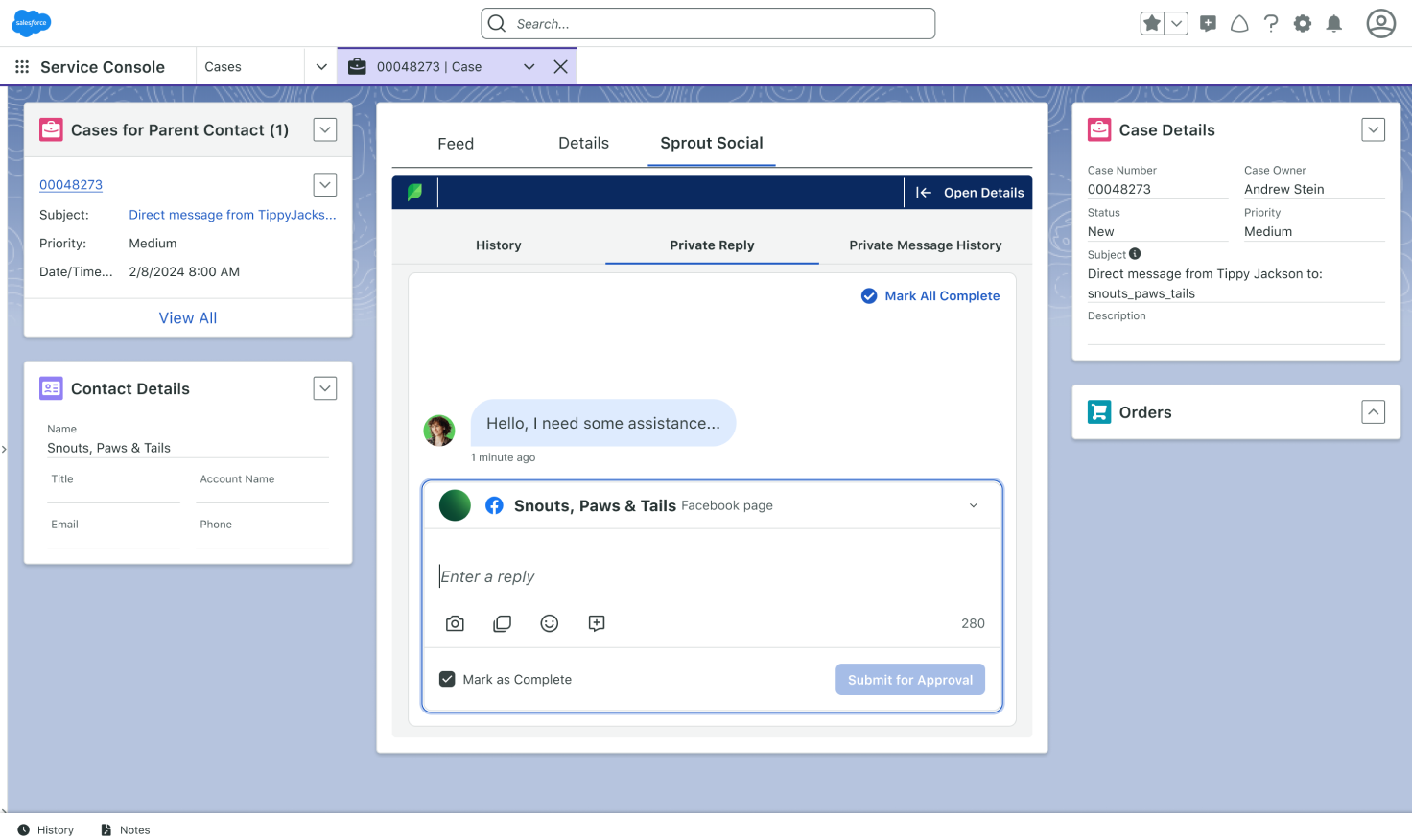
- System Interoperability: Ensuring social platforms communicate directly with CRMs (like Salesforce or HubSpot), product management tools (like Jira), and HR analytics suites.
- Unified KPI Language: Establishing a common lexicon where every department understands how a shift in social sentiment correlates to their specific KPIs—whether that is reduced churn for Customer Care or faster time-to-market for R&D.
- Accessibility: Making social dashboards available to non-marketing stakeholders, ensuring that data is not just "visible" but actively utilized.
Conclusion: The Path Forward
Becoming a social-first enterprise is not merely a technical upgrade; it is a cultural transformation. It requires recognizing that the most valuable information a business possesses is often sitting in the open, waiting to be interpreted. By breaking down the silos that isolate marketing from the rest of the business, organizations can build a more agile, responsive, and human-centric operation.
As the 2026 Social Intelligence Report makes clear, the divide between companies that merely "post" and companies that "listen" is growing. The future belongs to those who view every comment, share, and sentiment shift as a data point in a broader, continuous conversation—a conversation that, if harnessed correctly, will define the next generation of market leaders.
For a deeper dive into the metrics and methodologies that are shaping the future of enterprise decision-making, download the full 2026 Social Intelligence Report.


 Nana
Nana
 Jia Lissa