

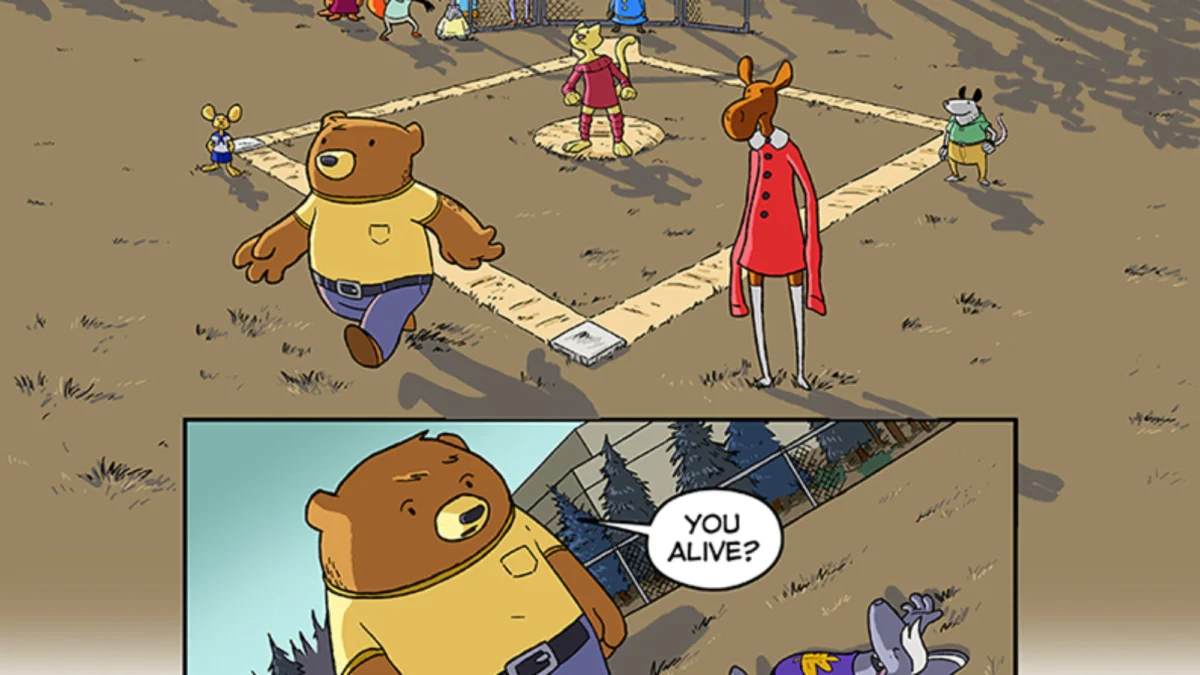
The landscape of children’s publishing is often as volatile as the schoolyard dynamics depicted in the stories it produces. In a significant industry shift, writer and artist Joshua Smeaton has officially moved the publishing rights for his highly anticipated middle-grade graphic novel, Woodland Hills, from Pixel+Ink to Papercutz. The title, which has been in various stages of development since its initial pitch in 2020, is now slated for a 2028 release under the Papercutz imprint, a division of Mad Cave Studios.
This move marks the latest chapter in a long, winding journey for Smeaton, whose work—known for its heartfelt exploration of childhood social structures—has been a subject of industry interest for several years.
The Narrative: A Tale of Skunks, Bears, and Paper Planes
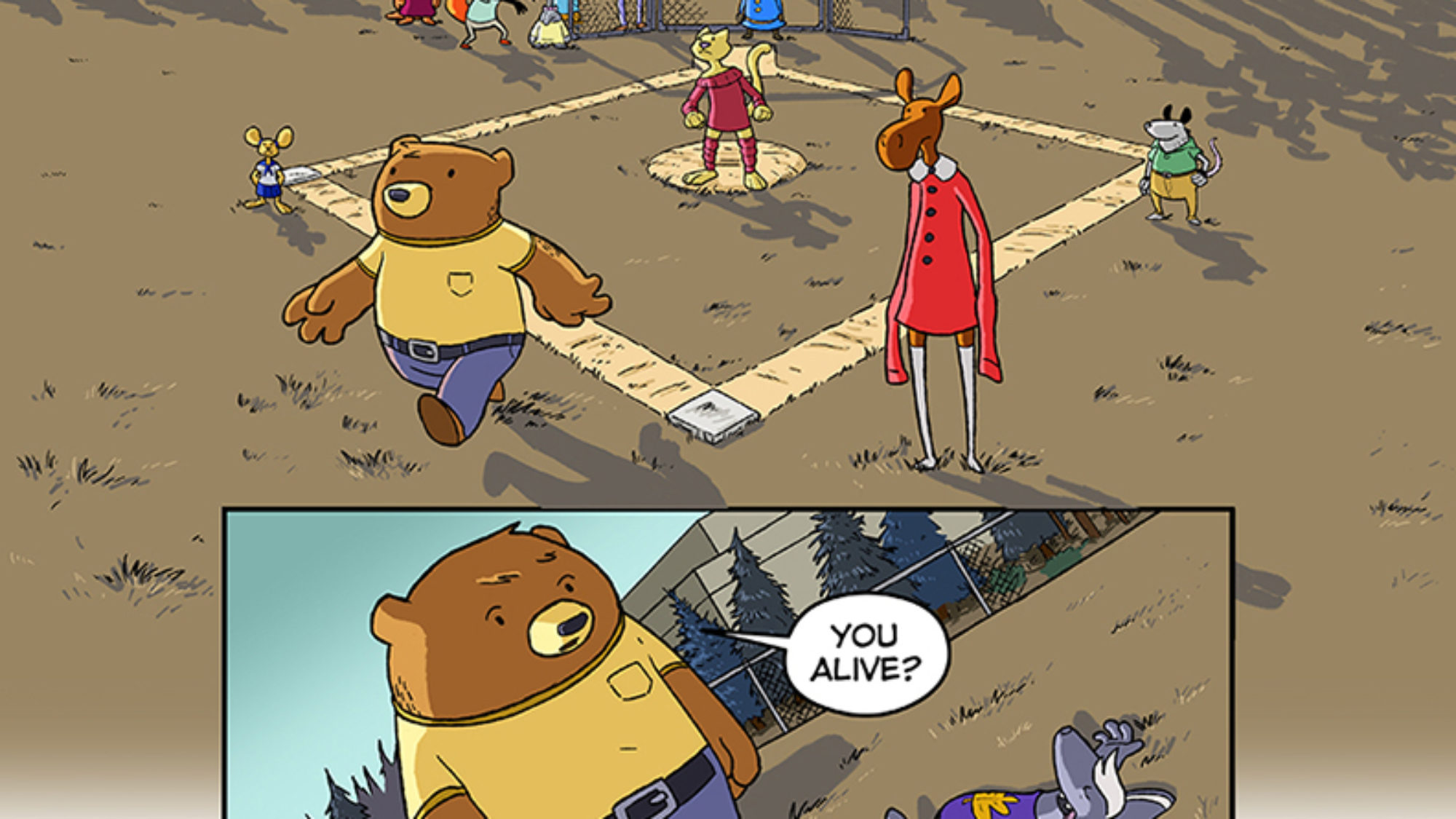
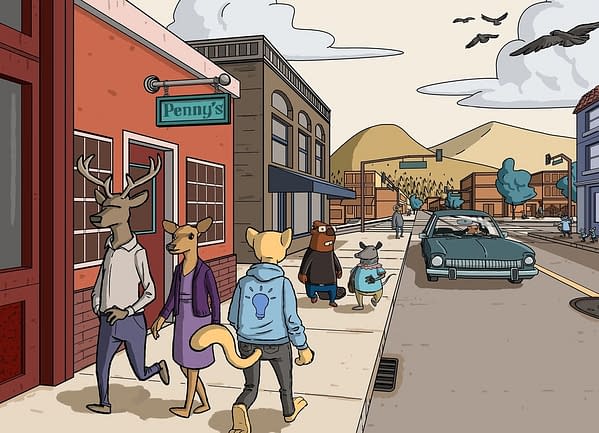
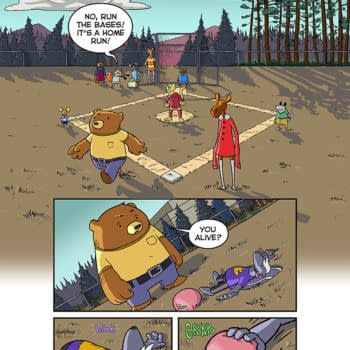
At its core, Woodland Hills is a coming-of-age story that uses the animal kingdom to examine the complexities of middle-school social hierarchies. Smeaton, the creative force behind The Kid’s Comics Creator Newsletter, has pitched the project as a blend of the introspective, relatable humor of Be Prepared and the vibrant, world-building charm of Zootopia (or Zootropolis).
The plot centers on Niles, a prickly, cynical skunk who is perfectly content with his status as a social outsider. His life is upended by the arrival of JB, a big, friendly bear who is the quintessential "new kid." The narrative arc tracks the duo as they navigate the triumphs and pitfalls of the classroom, the playground, and the pressure of forging an identity.
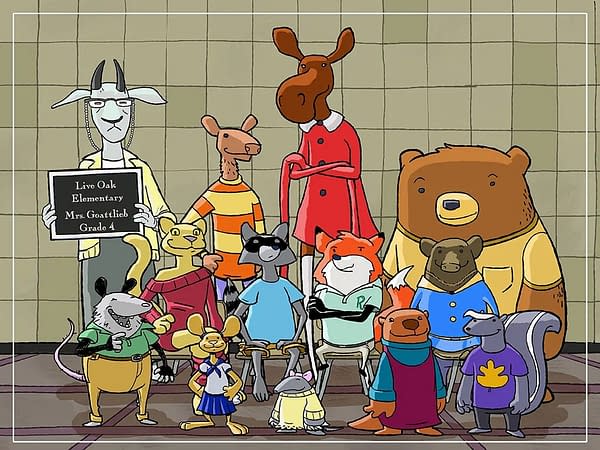
The catalyst for their bond is an unlikely shared interest that evolves into a school-wide sensation: a paper plane craze. However, as is common in middle-grade literature, the "success" of this craze brings its own set of complications. When the trend eventually implodes, the friendship between Niles and JB is put to the test, forcing them to navigate the fallout and decide whether their bond can survive the pressure of peer scrutiny.
A Chronology of Development
The path to publication for Woodland Hills serves as a case study in the patience required of modern graphic novel creators.
- 2020: Joshua Smeaton first introduces the pitch for Woodland Hills to the market. The concept immediately gains traction for its potential as a series.
- January 2023: After years of refining the concept, a major milestone is reached. It is reported that Alison Weiss, then at Pixel+Ink, has acquired the rights to the first two books in the series. The deal is brokered by Janna Morishima of Janna Co., representing world rights.
- 2023–2024: During this period, Smeaton expresses his enthusiasm for the project via social media, noting that while the 2025 release date feels distant, the creative process is in full swing. He describes his dedication to these characters and his eagerness to share their world.
- May 2026: In a significant shift, it is confirmed that the publishing rights have transitioned to Papercutz. The release date is pushed to 2028, effectively resetting the project’s timeline to accommodate the new publishing strategy under Adam Wallenta at Papercutz.
Understanding the Shift: Why Publishers Change Hands
The transfer of rights from Pixel+Ink to Papercutz is not an uncommon occurrence in the publishing world, though it often prompts questions from readers and industry analysts. Rights reversions and acquisitions can be triggered by a variety of factors, ranging from editorial staff changes to shifts in corporate strategy or the acquisition of smaller imprints by larger parent companies.
In this instance, the transition to Papercutz—a publisher with a massive, dedicated footprint in the children’s graphic novel market—offers a specific strategic advantage. Papercutz is well-known for its long-running, successful series like Ariol. By aligning Woodland Hills with the Papercutz catalog, Smeaton is placing his work in a curated environment that already reaches his target demographic effectively.

Official Responses and Creative Sentiment
Joshua Smeaton has been transparent about his feelings regarding the move, framing it as a "full circle" moment in his career. In a statement following the announcement, Smeaton highlighted the role his agent, Janna Morishima, played in guiding him toward the right fit.
"When I first signed with my agent Janna, it was because she liked my pitch for Woodland Hills," Smeaton noted. "She also thought I might like Ariol, a series about a donkey navigating friendships, school, and everyday life. She was right, I did very much like Ariol."
The irony is not lost on Smeaton, as Ariol is one of the pillars of the Papercutz library in the United States. "I’m happy Woodland Hills has found a home and is in good company with Ariol and all the other fantastic kid comics Papercutz publishes," he added.
For Smeaton, the extended wait time is secondary to the quality of the final product. His commentary reflects a seasoned perspective on the industry, acknowledging that "these things take time." He draws on the famous imagery of Robert Burns—the "wee, sleekit, cowrin, timrous beasties"—to describe the often unpredictable nature of the publishing business, where even the most well-laid plans can go astray.
Implications for the Graphic Novel Market
The movement of Woodland Hills to Papercutz highlights several key trends currently shaping the graphic novel industry:
1. The Rise of "Middle-Grade" Dominance
Middle-grade graphic novels remain one of the most lucrative and competitive sectors in the book market. Publishers are increasingly looking for stories that combine emotional intelligence with high-concept humor. The success of titles like Smile by Raina Telgemeier has paved the way for character-driven stories like Smeaton’s, where the stakes—friendship, social standing, and identity—feel incredibly high to the reader.
2. The Importance of Editorial Alignment
Authors are increasingly prioritizing "home" for their work. It is no longer enough to simply sign a contract; creators want their work to sit alongside books with similar tones, art styles, and reader bases. Smeaton’s desire to have his book grouped with Ariol suggests a conscious effort to build a specific brand identity for his work.
3. The Reality of Production Timelines
The shift in publication date from 2025 to 2028 serves as a reminder of the lead times involved in high-quality graphic novel production. As the medium has grown in popularity, the expectation for polish and narrative complexity has increased, often leading to longer gestation periods for new series.
What to Expect in 2028
While the wait for Woodland Hills is now longer, the transition to Papercutz suggests that the project will be given the necessary support to thrive upon release. Adam Wallenta, the driving force at Papercutz, has demonstrated a keen eye for projects that resonate with younger readers, and the addition of Woodland Hills to their upcoming slate is likely to be a major promotional focus for the publisher as the 2028 window approaches.
For fans of Smeaton’s art and his Kid’s Comics Creator Newsletter, the delay provides more time for the artist to refine the visual language of his world. As seen in the preview materials released during the initial 2023 announcement, Smeaton’s art style—clean, expressive, and brimming with personality—is well-suited to the graphic novel format.
Conclusion
The journey of Woodland Hills from a 2020 pitch to a 2028 release date is a testament to the perseverance required in the arts. While the change in publishers from Pixel+Ink to Papercutz may have delayed the book’s arrival on shelves, it has also provided the project with a new, potentially more stable foundation.
For Joshua Smeaton, the destination remains the same: bringing the story of Niles and JB to the world. As he continues his work, he remains a figure to watch in the children’s comic industry—not just for his output, but for his resilience in the face of the shifting tides of the publishing world. Readers and retailers alike will surely keep a close eye on the Papercutz catalog as the release date for this long-awaited graphic novel draws nearer.










No comments yet. Be the first to join the conversation!