

In the modern digital economy, Instagram has evolved from a simple photo-sharing application into a powerhouse of global commerce. With over 1.39 billion active users spending an average of 11.7 hours on the platform monthly, the stakes for brands have never been higher. Yet, for many marketers, the platform remains a "black box." Intuition alone is no longer sufficient to navigate an algorithm that prioritizes engagement, relevance, and real-time interaction.
To transform a mediocre social media presence into a high-converting growth engine, brands must pivot toward a data-driven strategy. The key to this transition lies in the effective use of professional-grade Instagram analytics tools.

The Evolution of Instagram Analytics: Main Facts
The primary challenge for social media managers is the sheer volume of content competing for user attention. Statistics indicate that 62.3% of Instagram users actively utilize the platform to research brands and products. This behavior creates a massive opportunity for businesses, provided they can interpret the signals of performance.
At its core, "analytics" refers to the systematic computational analysis of data. For Instagram, this means tracking metrics that go beyond simple vanity counts—such as likes or follower totals—to deeper indicators like reach, engagement rate per impression, save rates, and audience sentiment. Without the ability to track these metrics, marketing efforts are reduced to guesswork. Data-backed decision-making allows teams to refine their content, optimize posting schedules, and ultimately secure a higher return on investment (ROI).

The Strategic Chronology: From Intuition to Insight
The trajectory of social media management has undergone a significant shift over the last decade. In the early 2010s, "success" was often measured by posting frequency and simple follower growth. By 2020, the focus shifted toward community building and engagement.
Entering 2026, the industry has reached a stage of "Precision Marketing." The chronological development of these tools has moved from basic, platform-native reporting to integrated, cross-platform intelligence suites.
- The Manual Era: Marketers relied on manual tallies and spreadsheets to track performance.
- The Native Era: The introduction of Instagram Insights provided basic, but siloed, data.
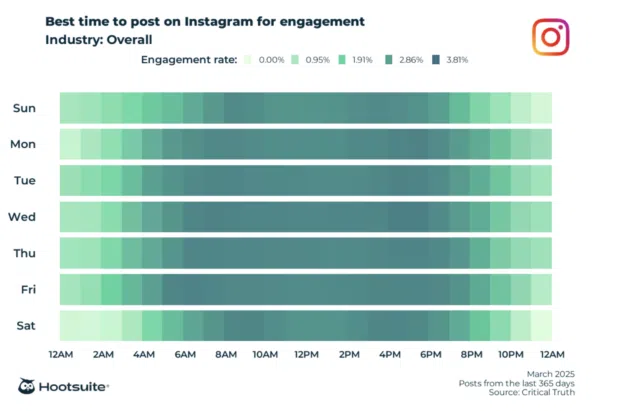
- The Integration Era: Advanced analytics platforms emerged, allowing for cross-platform data consolidation, competitor benchmarking, and automated reporting.
Today, professional marketers no longer view analytics as a "check-in" at the end of the month. Instead, it is an ongoing, real-time process that informs every creative decision, from the choice of filter to the length of a Reel.
Supporting Data: Why Timing and Metrics Matter
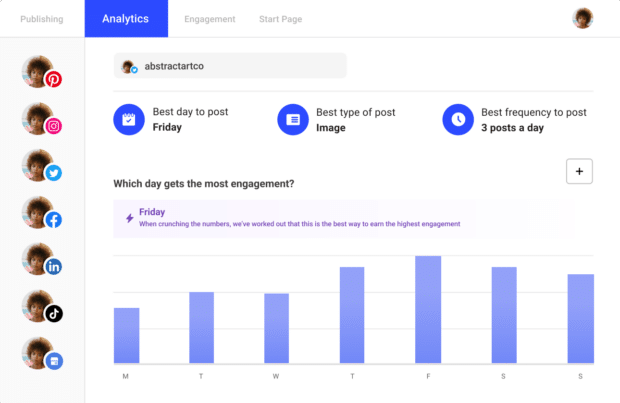
The importance of data-driven timing cannot be overstated. According to recent research, there is a clear, repeatable pattern to global user activity. The universal "best times to post" have been identified as:
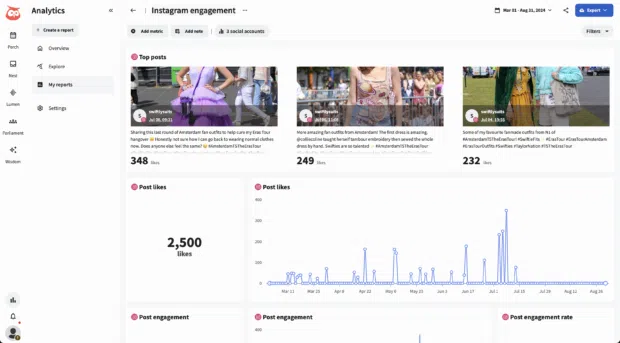
- Mondays: 3 PM to 9 PM
- Tuesdays: 5 AM to 8 AM and 3 PM to 7 PM
- Thursdays: 5 PM to 7 PM
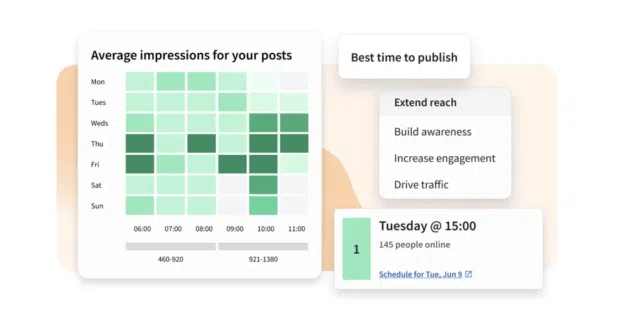
These windows represent the "Goldilocks zones" where target audiences are most receptive. However, these are merely global benchmarks. The most sophisticated analytics tools, such as Perch by Hootsuite, allow brands to move beyond universal averages and analyze their specific historical data to determine the optimal posting times for their unique audience segments.
Furthermore, the metrics tracked must be actionable. Professionals prioritize the following:
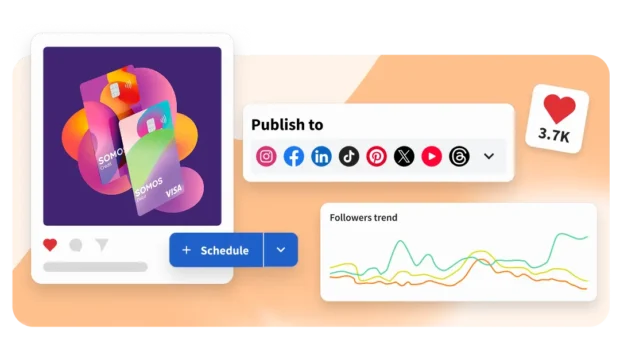
- Engagement Rate: A measure of how active an audience is, calculated by interactions divided by reach.
- Conversion Rate: The percentage of users who move from the Instagram app to a brand’s website.
- Audience Retention: Crucial for video content, this metric tracks when users drop off during a Reel or Story.
Top 9 Analytics Tools for 2026
To bridge the gap between raw data and actionable strategy, the following nine tools have emerged as the industry standard:
1. Perch by Hootsuite
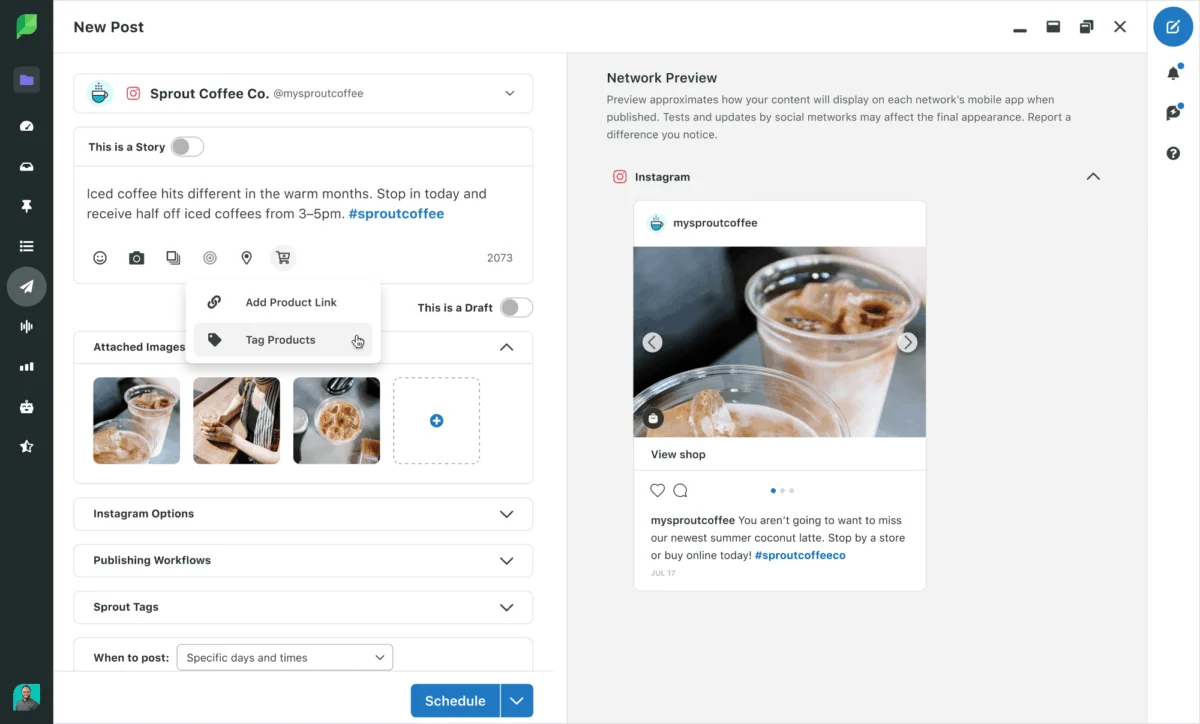
As a leader in the space, Perch offers a unified dashboard for Instagram and other major networks. It is uniquely capable of analyzing historical data to recommend the absolute best times to post, ensuring your content hits the feed when your followers are most active.
2. Instagram Insights
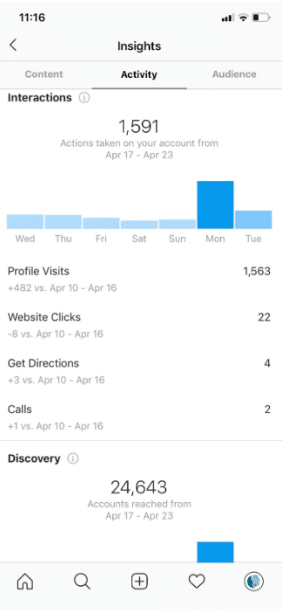
The native tool for Business and Creator accounts. While it is limited in scope and data retention (often capping at 90 days), it remains the baseline for tracking immediate, day-to-day performance.
3. Later
Renowned for its "Visual Planner," Later is an excellent entry-level tool for businesses that prioritize aesthetics and brand identity. It allows for a cohesive grid preview before publishing.
4. Buffer
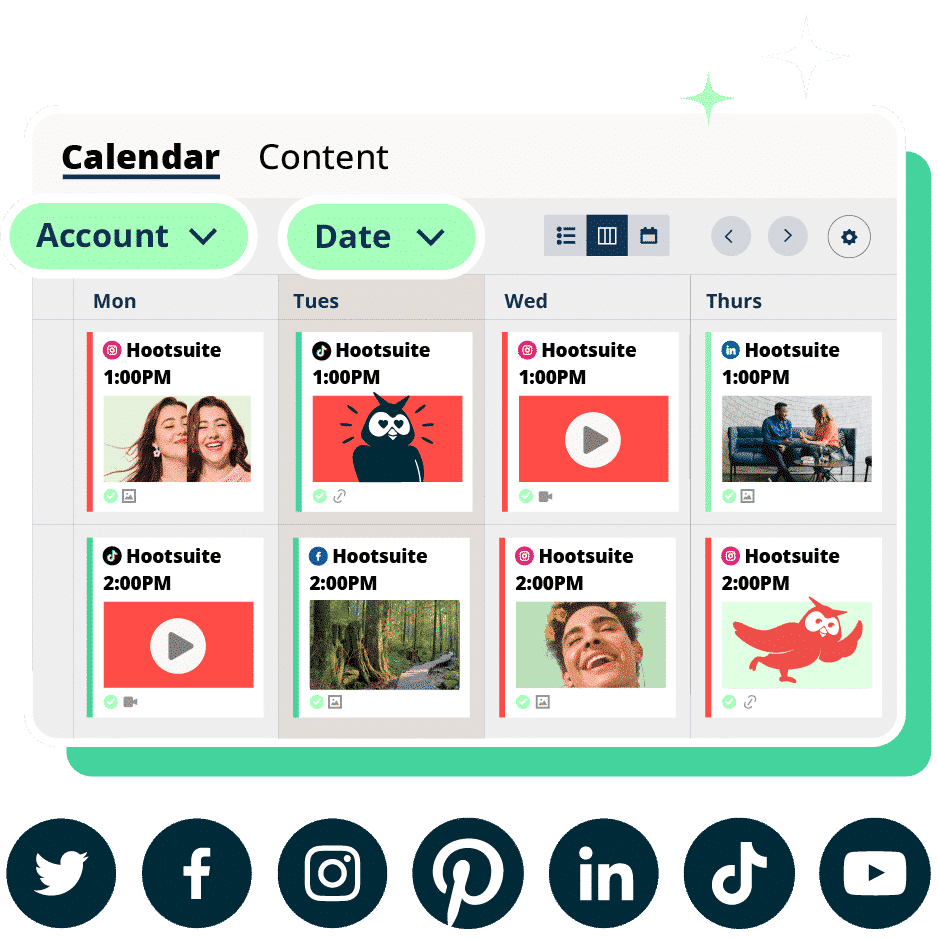
A streamlined, user-friendly option for teams that require quick scheduling and basic reporting without the complexity of enterprise-level software.
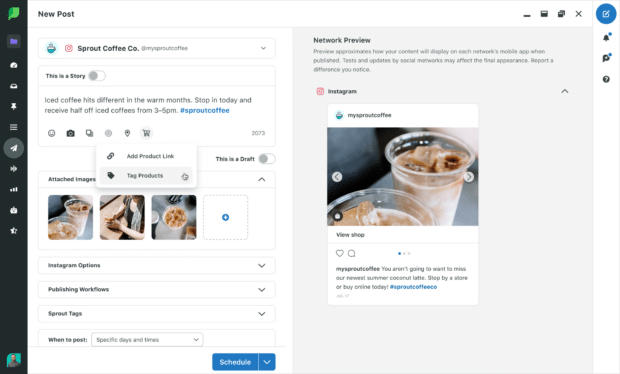
5. Sprout Social
A comprehensive solution favored by larger organizations. It excels in white-label reporting and deep-dive analytics, though it comes at a premium price point.
6. Panoramiq Insights
This tool integrates directly into the Hootsuite workflow, providing a deep dive into follower demographics and detailed post-performance analytics.
7. Panoramiq Multiview
A specialist tool that enables users to manage multiple Instagram profiles from a single stream, allowing for real-time monitoring of comments and tags across accounts.
8. Mentionlytics
Essential for brand reputation management, this tool tracks mentions of your company and competitors across Instagram and the wider web, helping you understand where your brand stands in the broader market conversation.
9. Phlanx
Specifically useful for influencer marketing, Phlanx allows you to audit the engagement rates of any public profile, making it a critical tool for vetting potential partnerships.
Official Responses and Industry Implications
The consensus among digital marketing experts is clear: the era of "gut feeling" marketing is over. Official statements from industry leaders suggest that the Instagram algorithm will continue to prioritize content that sparks genuine, meaningful interaction. Consequently, the tools that provide the most granular, actionable data are becoming the most valuable assets in a marketing department’s tech stack.
The implications for businesses are twofold. First, there is a lower barrier to entry for small businesses, as free or affordable tools make it easier to compete with larger brands. Second, the "sophistication gap" is widening. Brands that fail to utilize analytics tools are finding themselves at a significant disadvantage, as they continue to produce content that misses the mark while competitors capture market share through precise, data-backed targeting.
Conclusion: Turning Data into Growth
The path to social media success is no longer a mystery. By selecting the right analytics tools—whether it is a robust enterprise suite like Sprout Social, a visual-first planner like Later, or an integrated powerhouse like Perch by Hootsuite—marketers can finally strip away the uncertainty of social media.
By tracking the right metrics, testing new strategies, and constantly refining their approach based on hard data, businesses can ensure their Instagram strategy is not just a creative endeavor, but a reliable, growth-driven pillar of their overall business model. In 2026, the brands that win are the ones that listen to what their data is telling them.











