

For the modern small business owner, Facebook is far more than a digital bulletin board—it is a sophisticated, high-stakes growth engine. With over two billion daily active users leveraging the platform to discover local services, vet brands through peer reviews, and engage in direct commerce, the potential for expansion is immense. Yet, many small and medium-sized businesses (SMBs) find themselves trapped in a cycle of "vanity metrics." They measure success by likes, followers, and reactions, erroneously assuming these digital nods translate to bottom-line results.
The reality is that without a rigorous analytical framework, these activities often obscure the truth about a business’s actual return on investment (ROI). Transitioning from passive observation to data-backed strategy is no longer optional; it is the fundamental requirement for survival in an increasingly crowded digital marketplace.
The Core Problem: Why "Likes" Are Not Enough
The primary hurdle for many SMBs is the disconnect between engagement and revenue. When a business owner fixates on vanity metrics, they ignore the indicators that actually signal customer intent. While a "like" provides a dopamine hit, it does not reveal whether that user is a potential lead, a local customer, or simply a passive observer.
Data-driven marketing requires a shift in perspective. Instead of asking, "How many people saw this post?" businesses must ask, "What action did this post inspire?" By prioritizing metrics that map directly to business outcomes, SMBs can move away from guessing what their audience wants and toward engineering content that drives predictable growth.
Chronology of Analytics: From Guesswork to Precision
The journey of effective Facebook marketing generally follows a three-stage evolution for most businesses:
- The Exploratory Phase: In the beginning, businesses often rely on "gut instinct," posting whenever they feel inspired and hoping for traction. During this period, the lack of data results in inconsistent growth and missed opportunities.
- The Measurement Phase: As the business matures, owners begin using native tools like Meta Business Suite. They start to identify correlations between posting times and engagement, though the process remains fragmented and manual.
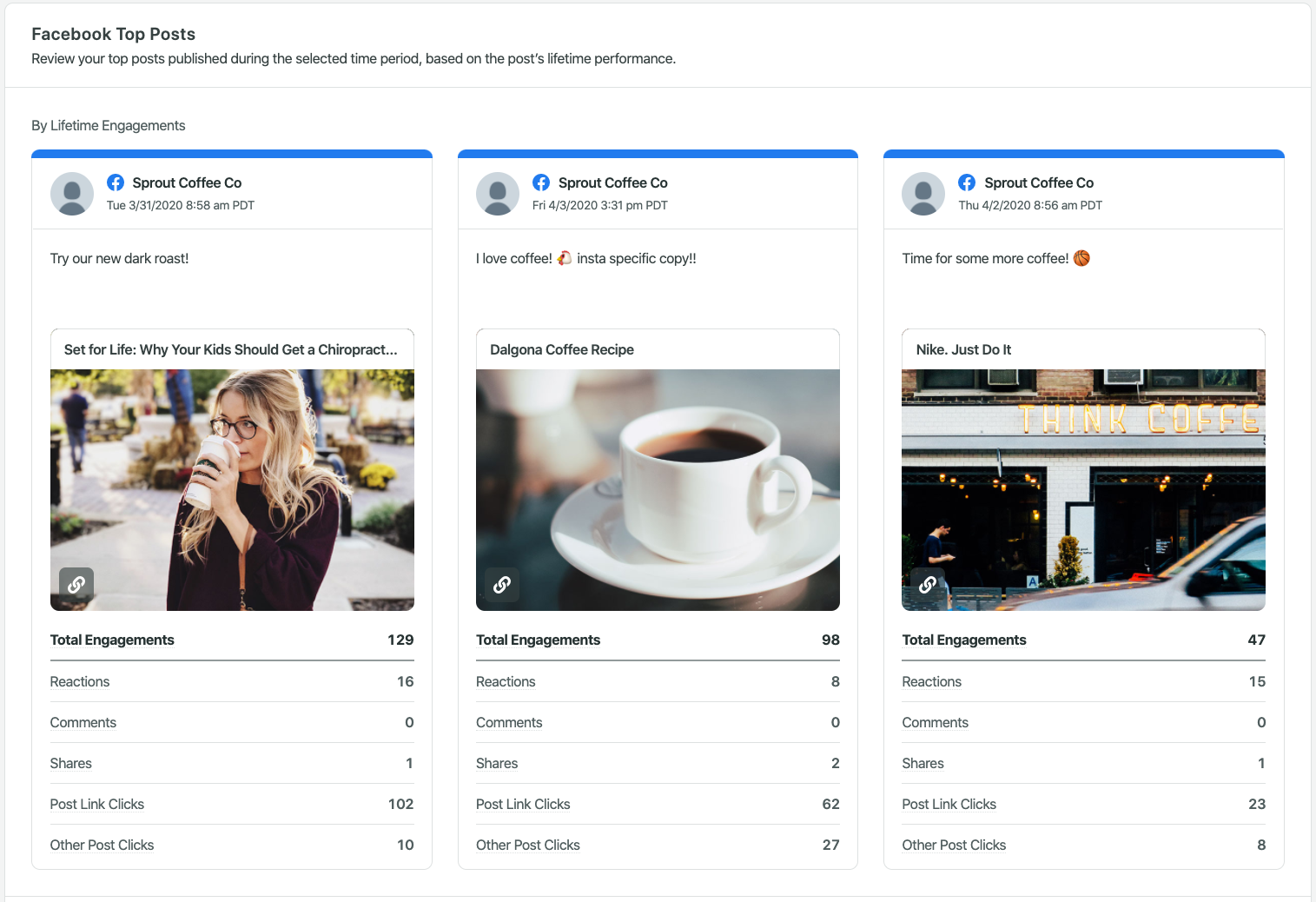
- The Strategic Integration Phase: The final stage occurs when businesses adopt unified analytics platforms. Here, the focus shifts to ROI, where every piece of content is measured by its ability to drive traffic, capture leads, or finalize sales. By analyzing the last 30, 60, or 90 days of performance, companies can isolate the creative formats and messaging styles that yield the highest conversion rates.
Supporting Data: Which Metrics Actually Move the Needle?
To make informed decisions, SMBs must ignore the noise and focus on the signals. Based on current industry benchmarks and platform insights, the following metrics are non-negotiable for any serious growth strategy:
1. Link Clicks and Referral Traffic
Link clicks are the bridge between social media and your storefront. By utilizing UTM parameters and shortened, trackable links, businesses can accurately trace the customer journey from a Facebook post to a specific product page or booking portal. If a boutique store posts a new collection and sees 50 direct clicks that result in five sales, that post has a measurable ROI.
2. Deep-Dive Video Metrics
Video, particularly in the form of Reels, is currently the most effective way to grab attention on Facebook. However, simply looking at "views" is misleading. Instead, businesses should track Average Watch Time. If users are dropping off after three seconds, your "hook" is failing. If they stay for the duration of the video, your content is resonating, and you have successfully captured their attention.
3. Audience Demographics and Peak Activity
A high engagement rate is useless if it comes from the wrong demographic. For a local coffee shop, engagement from users in a different country provides zero ROI. By analyzing audience location and peak activity hours, businesses can optimize their posting schedules to ensure they reach local buyers precisely when they are most likely to make a purchase.
4. Sentiment and Social Proof
Facebook serves as a public directory. Reviews and recommendations function as the modern word-of-mouth. Tracking the sentiment of these reviews allows businesses to identify product pain points and service gaps, turning customer feedback into a roadmap for operational improvement.
Official Industry Perspectives: The Case for Unified Dashboards
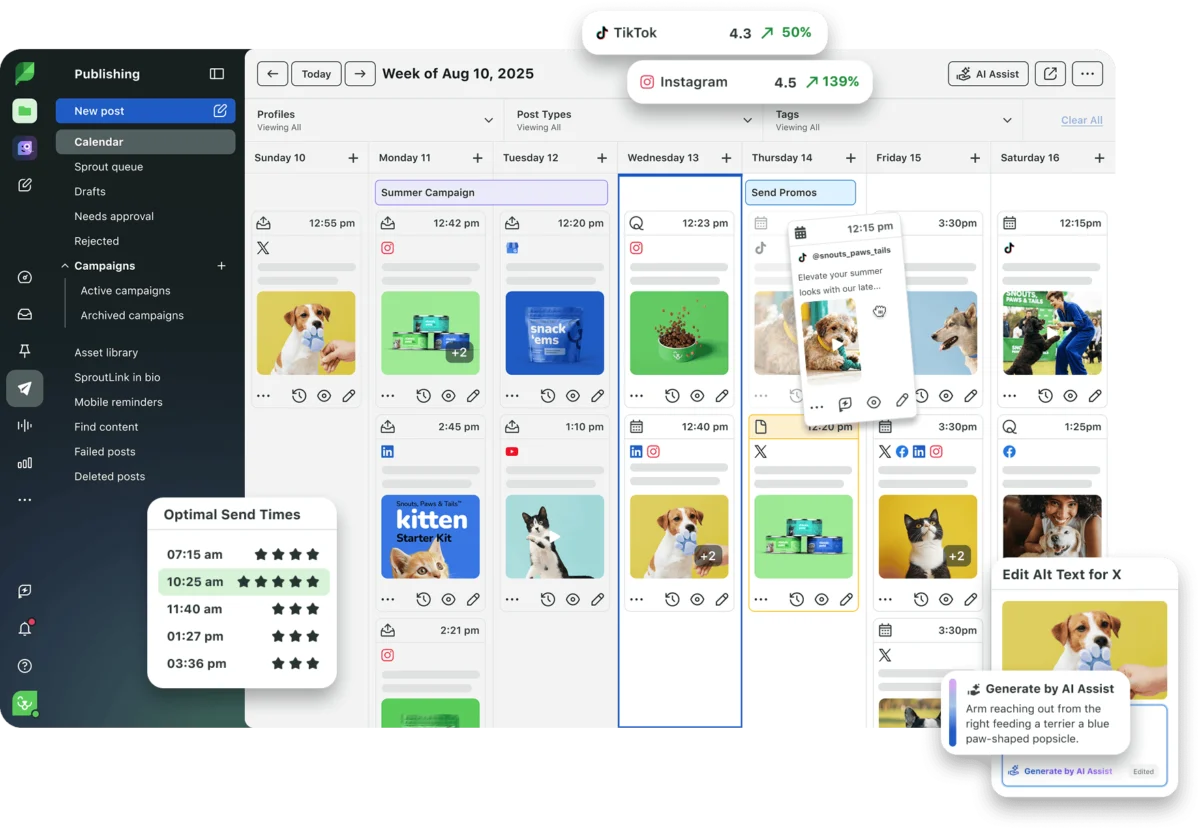
Industry experts at firms like Sprout Social note that while native tools provided by Meta are excellent starting points, they suffer from "dashboard fatigue." When a business owner must toggle between Ads Manager, Page Insights, and website analytics, they lose valuable time—time that should be spent on strategy rather than data entry.
"The goal of analytics is to simplify decision-making, not complicate it," says a spokesperson for social media analytics software providers. "When teams are forced to manually export data into spreadsheets to calculate month-over-month growth, they are not actually marketing; they are performing clerical work. Professional-grade tools bridge this gap by automating the reporting process."
Implications for the Future of Small Business Marketing
The shift toward data-informed marketing has profound implications for how SMBs allocate their limited budgets.
Separating Paid from Organic
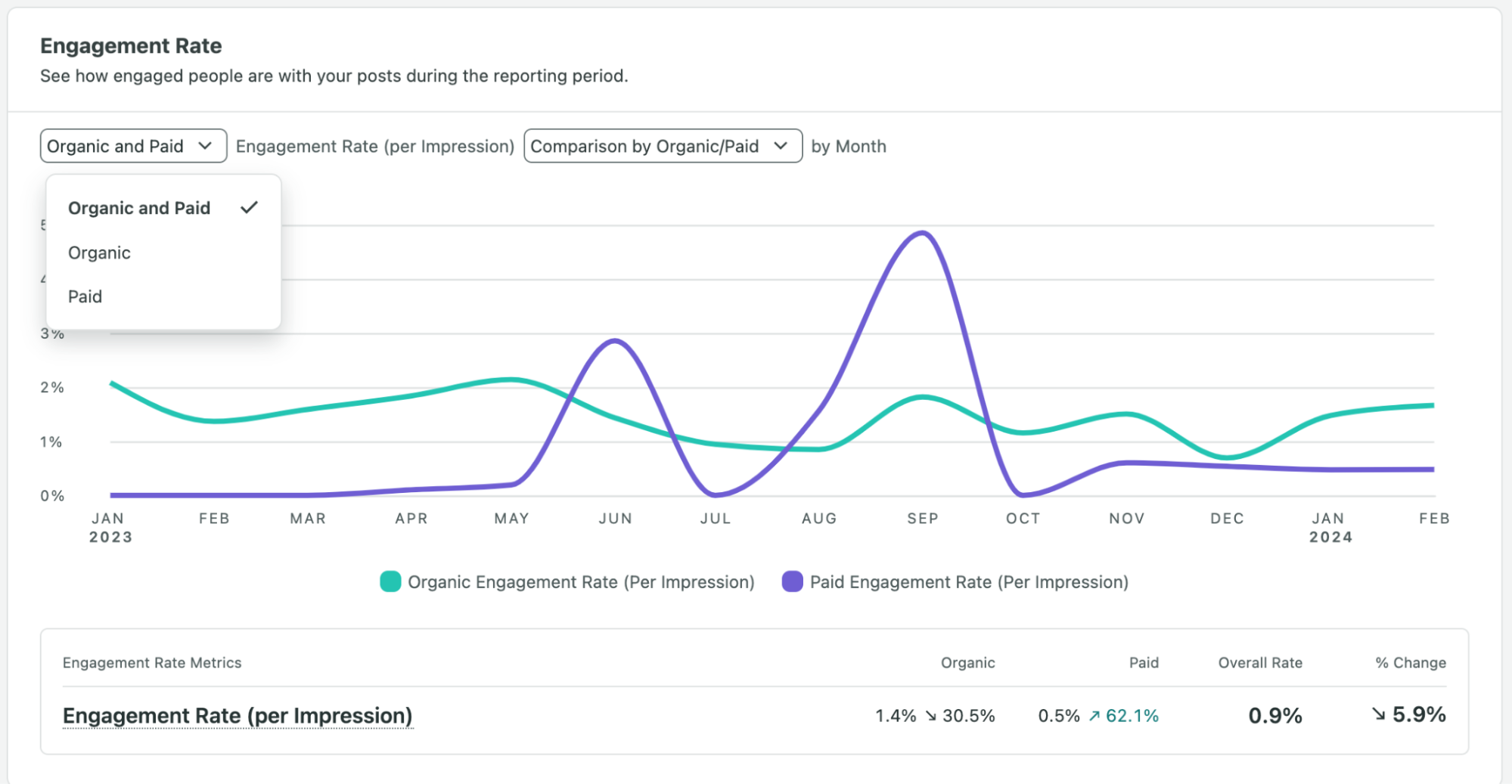
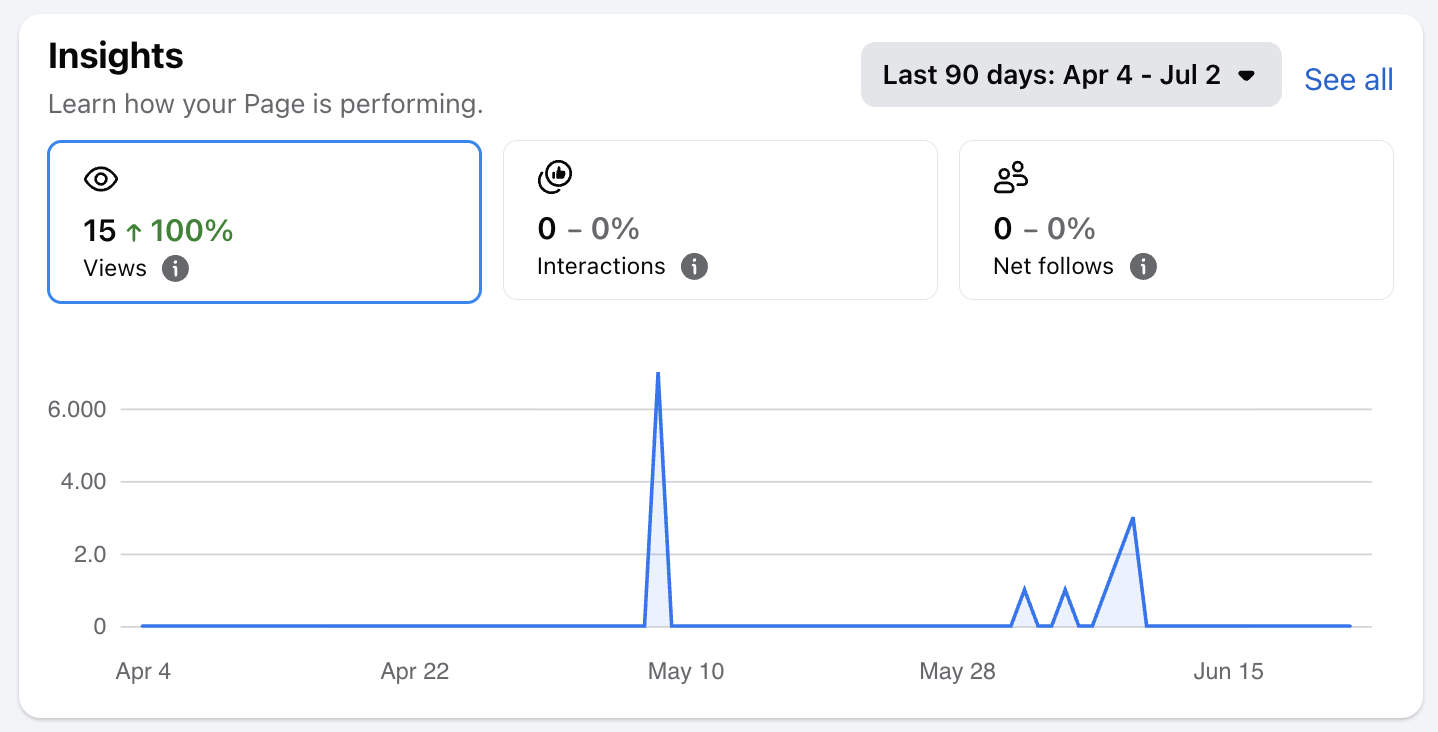
One of the most critical analytical capabilities is the ability to separate paid performance from organic reach. By tracking these in separate "buckets," a business can identify which posts have the organic potential to be "boosted." If a post is performing exceptionally well on its own, it is a low-risk, high-reward candidate for ad spend. Conversely, if a post requires paid intervention just to receive a handful of views, it serves as a signal that the content itself needs a strategic overhaul.
Improving Content Calendars
Historical performance data allows businesses to build "content recipes." By identifying that, for instance, educational video content posted on Tuesday mornings consistently drives higher engagement than static images posted on weekends, a business can codify its content calendar. This reduces the cognitive load on the marketing team and ensures that every piece of content is designed to support specific business goals.
Scaling Success
The final implication is the ability to scale. When a business knows exactly which formula produces results, they can increase their output of that specific content type without the uncertainty of "what to post next." This leads to consistent growth and a more predictable revenue stream, allowing the business owner to move from a reactive state to a proactive one.
Conclusion: Investing in Clarity
For the small business, time is the most valuable currency. By moving away from vanity metrics and embracing a data-driven approach, you stop guessing and start building. Whether you choose to refine your manual reporting or upgrade to a unified management platform, the objective remains the same: translate the billions of interactions on Facebook into meaningful, long-term relationships with your customers.
The tools to achieve this are more accessible than ever. By focusing on link clicks, watch times, demographic alignment, and sentiment analysis, your business can transform its Facebook presence from a digital afterthought into its most effective growth engine. It is time to stop counting likes and start counting on your content to deliver real-world success.











