

By Leandro Beroldo | July 14, 2026
In the annals of cinematic history, horror villains occupy a unique space. They are the boogeymen that haunt our collective subconscious, the architects of our nightmares, and the dark stars of the box office. However, a fascinating phenomenon occurs as these characters transition from "monsters of the month" to pop-culture staples: their capacity to terrify inevitably begins to erode.
Not every horror villain earns their reputation through pure, unadulterated fear. Many become icons because of unforgettable designs, high-concept narratives, or performances that transcend the genre. Yet, when we hold them up against the harsh light of modern scrutiny, it becomes clear that many of these legendary antagonists—while essential to the history of horror—have shifted from objects of dread to objects of fascination, curiosity, or even mild amusement.
The Evolution of Fear: Why Monsters Lose Their Teeth
The erosion of fear in horror cinema is a natural, albeit complex, process. It is driven by several factors, including overexposure through endless sequels, the integration of these villains into commercial merchandising, and the desensitization of audiences who have been raised on a diet of increasingly graphic and complex media.

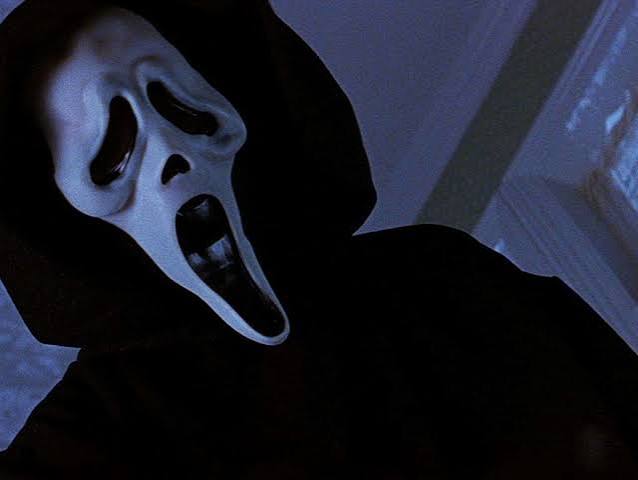
When a villain like Chucky or Ghostface appears in four, five, or six films, the "unknown" factor—a primary component of fear—vanishes. Once the audience knows the killer’s patterns, their limitations, and their personality quirks, the monster becomes a known quantity. This transformation is not a failure of the films themselves, but rather a testament to their longevity. To be a horror icon is, in many ways, to survive the very terror that made you famous.
A Chronological Descent: From Psycho to The Black Phone
To understand this shift, we must look at how our perception of these villains has changed over the decades.
The Golden Age: The Psychological Shift (1960s–1980s)
In 1960, Alfred Hitchcock’s Psycho introduced the world to Norman Bates. At the time, the character was a shocking subversion of the monster archetype. Today, while Bates remains one of cinema’s most complex psychological studies, the "shock" of his reveal has been absorbed into the cultural fabric. He is no longer a source of visceral terror, but a masterclass in character development.
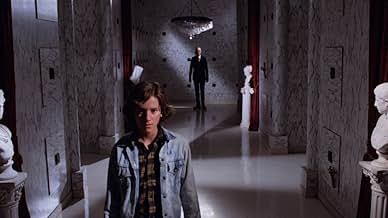
Similarly, the 1970s and 80s brought us the supernatural dread of Phantasm’s Tall Man. His power was derived from the surreal, dream-like atmosphere of the film. While visually striking, his presence is more an exercise in existential mystery than a traditional "scare."
The Rise of the Personality Killer (1990s)
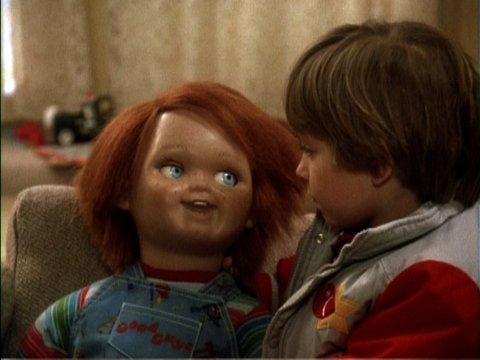
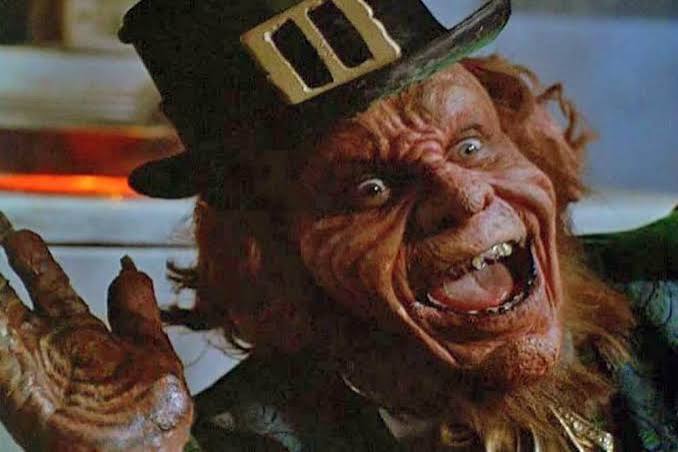
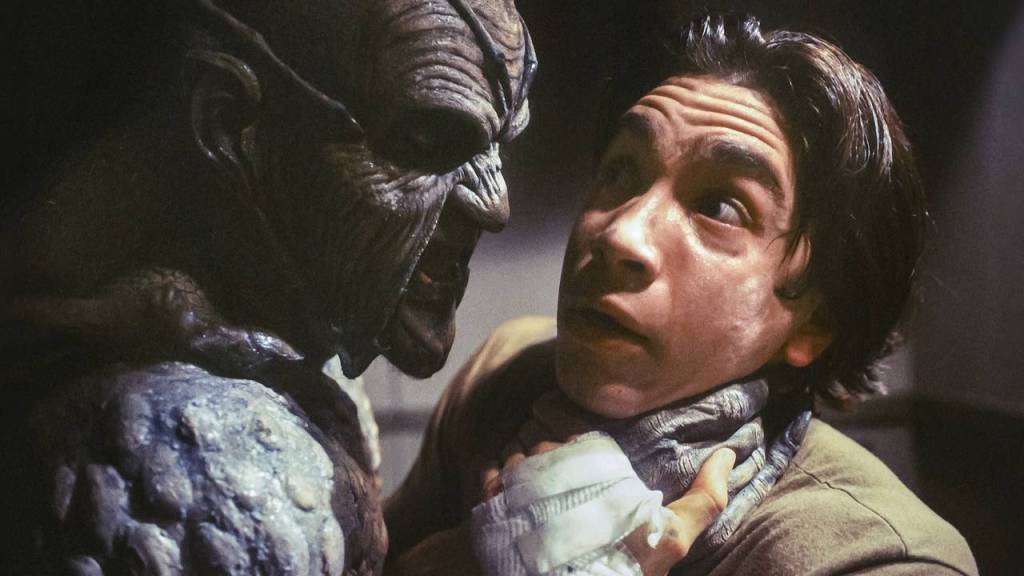
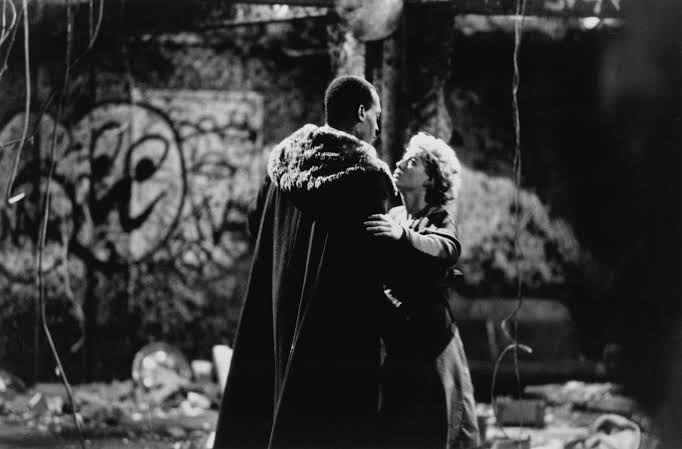
The 1990s marked a shift toward the "talkative" villain. Child’s Play (1988) gave us Chucky, who, once the initial concept of a killer doll was processed, became defined by his biting sarcasm and dark humor. The same decade saw the arrival of the Leprechaun (1993) and Candyman (1992). While the former leaned into horror-comedy, the latter utilized the power of urban legend. Candyman remains a haunting figure, yet his selective appearances mean the audience spends more time contemplating the idea of him than fearing his physical manifestation.
The Modern Era: Traps, Masks, and Morality (2000s–Present)
As we entered the new millennium, the focus shifted toward the mechanics of death. Saw’s Billy the Puppet became a global mascot, yet the true terror remained the Jigsaw killer’s traps, not the doll itself. The Collector (2009) and The Black Phone (2021) further refined this, with villains who operate through meticulous planning or situational dread. In these cases, the villain is often a conduit for a broader, more uncomfortable reality, rather than a traditional monster hiding in the closet.
Supporting Data: The Anatomy of a "Non-Scary" Villain
When analyzing why these characters no longer trigger a fight-or-flight response, we can categorize their "fear-reduction" into three primary pillars:
- The Over-Exposure Factor: Characters like Chucky, Billy the Puppet, and Ghostface have become commodities. Their likenesses are on t-shirts, lunchboxes, and video game crossovers. When you can buy a character as a collectible, they lose their status as an existential threat.
- The Humanization Effect: Ghostface is the prime example of the "vulnerable villain." Because the mask is a costume worn by fallible, clumsy, and often motivated humans, the character becomes a puzzle to be solved rather than an unstoppable force of nature.
- The Aesthetic Override: Some villains are simply too stylish or eccentric to be purely frightening. Captain Spaulding (House of 1000 Corpses) and The Djinn (Wishmaster) rely on theatricality. Their performance art outweighs their murderous intent, turning the viewer into a spectator of a dark show rather than a potential victim.
Official Critiques and Cultural Perspectives
Film critics and horror historians often note that the "fear factor" of a villain is inversely proportional to their cultural popularity. As Dr. Aris Thorne, a researcher of cinematic psychology, notes: "The moment a villain becomes an archetype, they become safe. We watch Scream or Child’s Play not to be paralyzed by fear, but to engage with the rules of the genre. The villain has become a host, inviting us into their world rather than stalking us from the shadows."
This sentiment is echoed by fans who argue that these characters are "comfortable." There is a nostalgic joy in watching Hannibal Lecter trade barbs with Clarice Starling. He is terrifying in theory, but in practice, he is a sophisticated intellectual whose dialogue is the highlight of the film, not a source of genuine panic.
Implications for the Future of Horror
What does this mean for the future of the genre? The implication is that horror must constantly reinvent its relationship with the antagonist. As audiences become more "media-literate," the traditional slasher or monster requires more than just a sharp blade or a spooky mask to remain effective.
Modern horror has begun to pivot toward "elevated horror" or psychological trauma-based narratives where the monster is a metaphor for grief, addiction, or societal decay. By moving the terror away from the physical presence of a specific, repeatable villain, filmmakers are finding new ways to bypass the desensitization that has affected the legends of the past.
However, this does not mean the end of the iconic villain. It simply means that we must appreciate them for what they have become: modern mythology. Just as the ghosts of folklore evolved from warnings to bedtime stories, our horror icons have evolved from tools of terror into pillars of entertainment.
Conclusion: Honoring the Icons
It is easy to look at a 1993 Leprechaun or a 1988 Chucky and point out that they no longer "scare" us. But doing so misses the point of their existence. These characters are the bedrock upon which modern horror is built. They taught us how to jump, how to laugh at the darkness, and how to appreciate the artistry of the macabre.
We don’t watch these films to lose sleep; we watch them to visit old friends. We admire the creative craft behind their masks, the wit in their dialogue, and the sheer audacity of their legacy. They may not be "scary" anymore, but they are something arguably more important: they are unforgettable. And in the world of cinema, being unforgettable is the ultimate victory.










