

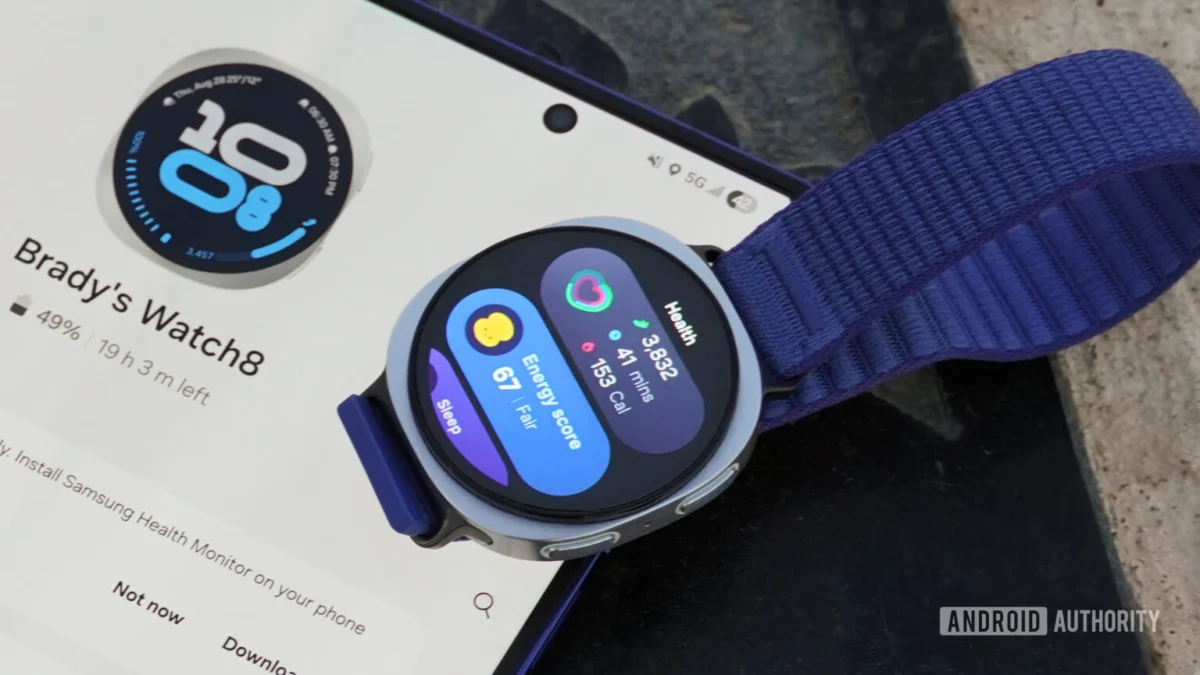
For years, the smartwatch industry has operated on a philosophy of "data abundance." We track our heart rate, blood oxygen levels, sleep cycles, and daily caloric burn with surgical precision. Yet, for many users, this deluge of information remains largely ornamental—a series of colorful charts and static graphs that tell us what happened yesterday, but rarely guide us on what to do tomorrow.
That paradigm of passive tracking appears to be nearing its expiration date. Recent leaks regarding Samsung’s upcoming One UI 9 Watch suggest a pivot toward a more proactive, intelligent health ecosystem. By leveraging the power of Galaxy AI, Samsung is moving to transform the Galaxy Watch from a passive monitor into an active, predictive health coach.
Main Facts: The Shift to Predictive Health
The core of the upcoming One UI 9 Watch update is a fundamental transition in how the device interprets biometric data. According to insights shared by tech analyst @TonySamsunglove, the forthcoming beta release for the software will prioritize deep integration with Samsung’s generative AI suite.
Instead of simply reporting that a user had a poor sleep score or a high resting heart rate, the system is expected to synthesize these data points into actionable, AI-generated reports. These insights will look for correlations between lifestyle habits—such as evening caffeine consumption, workout intensity, or stress levels—and their long-term impact on physiological recovery.
By moving beyond the "data dump" model, Samsung aims to provide users with a "predictive health engine." This system would essentially act as a digital concierge, identifying trends before they become chronic issues and offering tailored advice based on the individual’s unique baseline metrics.
A Chronological Evolution of Samsung’s Wearable Strategy
To understand the significance of One UI 9 Watch, one must look at the trajectory of the Galaxy Watch series over the last half-decade.
- 2020–2022: The Era of Sensors. During this period, Samsung focused on hardware expansion. The introduction of the BioActive sensor allowed for clinical-grade monitoring of ECG, blood pressure, and body composition, cementing the Galaxy Watch as a premier hardware device.
- 2023–2024: The Software Consolidation. With the move to Wear OS, Samsung sought to bridge the gap between its proprietary health algorithms and the broader Android ecosystem. This period saw the refinement of the "Energy Score" and improved sleep coaching.
- 2025: The Rise of Galaxy AI. The Galaxy Watch 8 arrived with an emphasis on using AI to interpret sleep and activity patterns, setting the stage for more aggressive automation.
- 2026 (Upcoming): The One UI 9 Watch Beta. This current phase marks the shift from monitoring to intervention. By integrating advanced machine learning, the software is poised to move into the realm of behavioral health psychology, providing nudges that encourage healthier habits in real-time.
Supporting Data: Why AI Integration Matters
The reliance on raw data has long been the "Achilles’ heel" of the wearable industry. Market research consistently shows that user engagement with health data drops significantly after the first three months of ownership. The novelty of seeing a heart rate graph wears off; the utility of having a coach does not.
Samsung’s strategy with One UI 9 Watch is backed by several technical enhancements:
- BioActive Sensor Optimization: Sources indicate that the next iteration of the sensor hardware will boast higher sensitivity and reduced noise-to-signal ratios, providing the "cleaner" data required for AI models to make accurate predictions.
- Wear OS 7 Synergy: By building on the foundation of Google’s Wear OS 7, Samsung gains access to deeper Gemini AI integration. This allows the watch to process complex queries locally or via the cloud, facilitating natural language interaction between the user and their health coach.
- Battery Management: A recurring criticism of "smart" features is power consumption. Wear OS 7 is rumored to introduce sophisticated background task management, ensuring that these predictive AI features do not cripple the device’s multi-day battery life.
Official Responses and Industry Context
While Samsung has yet to issue a formal press release regarding the specific feature set of One UI 9 Watch, the company’s recent rhetoric in investor briefings has been clear: "Health is the new frontier."
In previous statements, Samsung executives have underscored the company’s goal to create a "connected health experience" that transcends the wrist. By syncing watch data with the Samsung Health platform on smartphones and smart home appliances, the company is building a holistic ecosystem. For instance, if your watch detects poor recovery, it might suggest that your smart thermostat adjust the room temperature to optimize sleep, or that your refrigerator display suggests a nutrient-rich breakfast.
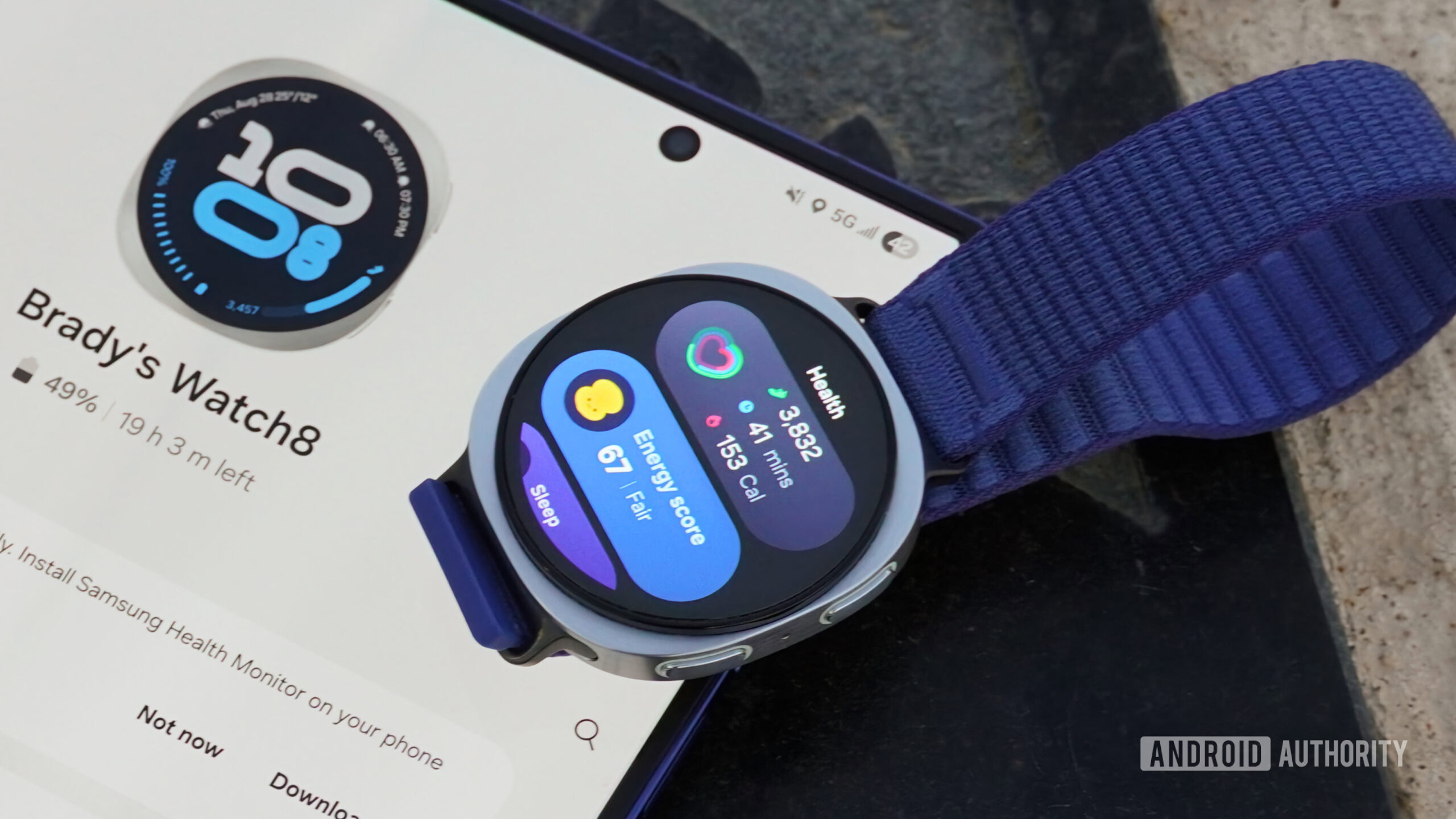
The industry is watching closely. Competitors like Apple and Garmin have taken different approaches—Apple focusing on ecosystem lock-in and high-end safety features, and Garmin leaning into the performance-athlete demographic. Samsung’s decision to position itself as the "AI-driven wellness partner" is a strategic move to capture the massive demographic of casual users who want results without needing a degree in exercise physiology.
Implications: What This Means for the User
The implications of this shift are profound. If successful, One UI 9 Watch will change how we interact with our bodies:
1. From "What" to "Why"
Currently, users are told what their metrics are. With One UI 9, they will be told why those metrics are changing. If a user’s VO2 max drops, the AI might suggest that the culprit is a lack of high-intensity interval training, rather than just showing a declining graph.
2. Behavioral Modification
The most significant hurdle in health technology is consistency. By providing context-aware nudges—such as recommending a brisk walk at 2:00 PM because the AI detects a post-lunch energy slump—the watch becomes an active participant in the user’s day, rather than a passive observer.
3. Early Detection and Preventive Care
While Samsung is careful to avoid labeling these devices as medical diagnostic tools, the predictive capabilities represent a step toward preventative health. By flagging sustained anomalies in heart rate variability or sleep onset latency, the watch could prompt users to consult with medical professionals earlier than they otherwise might have.
4. The Privacy Trade-off
As the watch becomes more "intelligent," the question of data privacy becomes paramount. Samsung will need to ensure that these AI insights remain localized and encrypted. The company’s focus on "on-device" processing for its latest AI features suggests they are aware of these concerns, but the transition to a more predictive model will undoubtedly raise questions about how personal biological data is stored and used for training future algorithms.
Looking Ahead: The Beta Program
As per the current roadmap, the rollout of the One UI 9 Watch beta is expected to follow the company’s established regional strategy. South Korea and the United States remain the primary testing grounds. Owners of the Galaxy Watch 8 are expected to be the first to receive the update, likely through the Samsung Members app.
This beta will be a litmus test for the company. If the AI insights prove accurate and useful, it will solidify Samsung’s dominance in the Android wearable space. If the insights are too generic or intrusive, it may highlight the limitations of current generative AI in the high-stakes environment of personal health.
Ultimately, the release of One UI 9 Watch signals the end of the "data-only" era. We are moving into a future where our devices don’t just count our steps—they understand the life we lead, the stressors we face, and the specific, actionable steps we can take to improve our well-being. For the millions of Galaxy Watch users worldwide, the next update may be the most significant one yet, turning the silent, glowing screen on their wrist into a partner that truly understands their needs.












No comments yet. Be the first to join the conversation!