Jia Lissa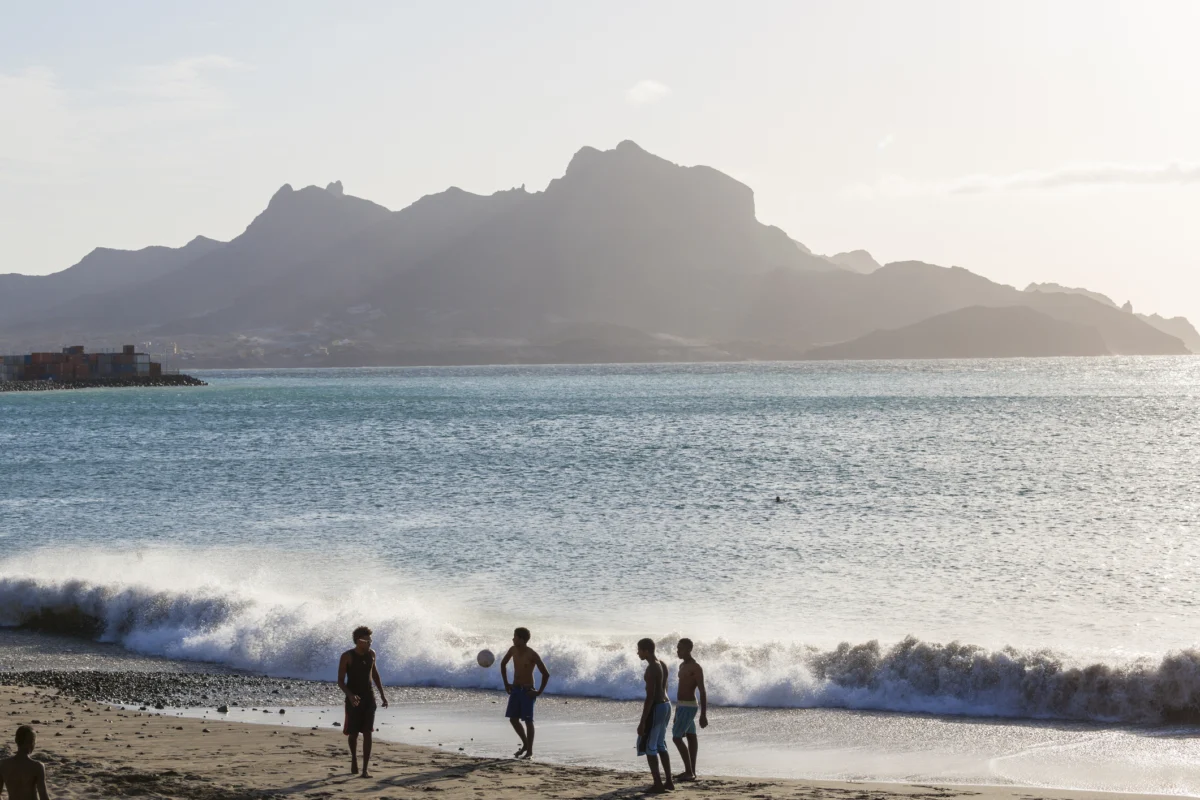
When FIFA announced the expansion of the World Cup to a 48-team format, the immediate discourse was dominated by the technicalities of the sport. Pundits debated the dilution of talent, the logistical nightmares of hosting, and the frantic excitement of an increased match volume. Yet, beneath the tactical analysis and the fervor of the fans, a profound shift is occurring in the realm of global geopolitics and soft power.
The FIFA World Cup is no longer merely a sporting spectacle; it has evolved into the world’s most potent reputation-building platform. For emerging nations, the tournament serves as a high-stakes, global-stage audition—a chance to rewrite their national narrative, pivot their international identity, and translate fleeting moments of athletic glory into lasting economic, cultural, and social capital.
The Rarest Commodity: Capturing Global Attention
In the modern age, the most precious resource for any nation is not oil, gold, or infrastructure—it is "attention." Countries across the globe spend billions of dollars annually on tourism campaigns, trade missions, and diplomatic outreach, yet many find it impossible to break through the cacophony of the digital age. Most nation-branding efforts are easily ignored, relegated to the periphery of the public consciousness.
Sport, however, changes that equation entirely. It provides a rare, concentrated aperture of global focus. When a nation qualifies for its first World Cup, or when a perennial underdog triumphs over a traditional footballing titan, the world stops to ask, "Where is this country? What is it like? Is it a place where I could vacation, invest, or build a career?"
This curiosity is the gateway to perception change. Cape Verde’s performance in the 2026 cycle serves as a masterclass in this phenomenon. A nation that previously sat outside the consideration set for global tourists and investors suddenly became a fixture in the international news cycle. This visibility, achieved through grit on the pitch, created a level of brand awareness that a standard advertising campaign would have required decades and billions of dollars to replicate.
Chronology of a Shift: From Sporting Event to Strategic Asset
The evolution of the World Cup from a sporting gala to a branding powerhouse can be traced through several key developmental phases:
- The Era of Regional Dominance (1930–1970s): The World Cup was primarily a European and South American affair. Identity was tethered to traditional sporting hegemony.
- The Rise of the Global Stage (1980s–2000s): As media rights expanded, nations began to see the tournament as a way to prove "modernity." Hosting became the goal, with countries like South Korea (2002) using the event to signal their arrival as technological and economic leaders.
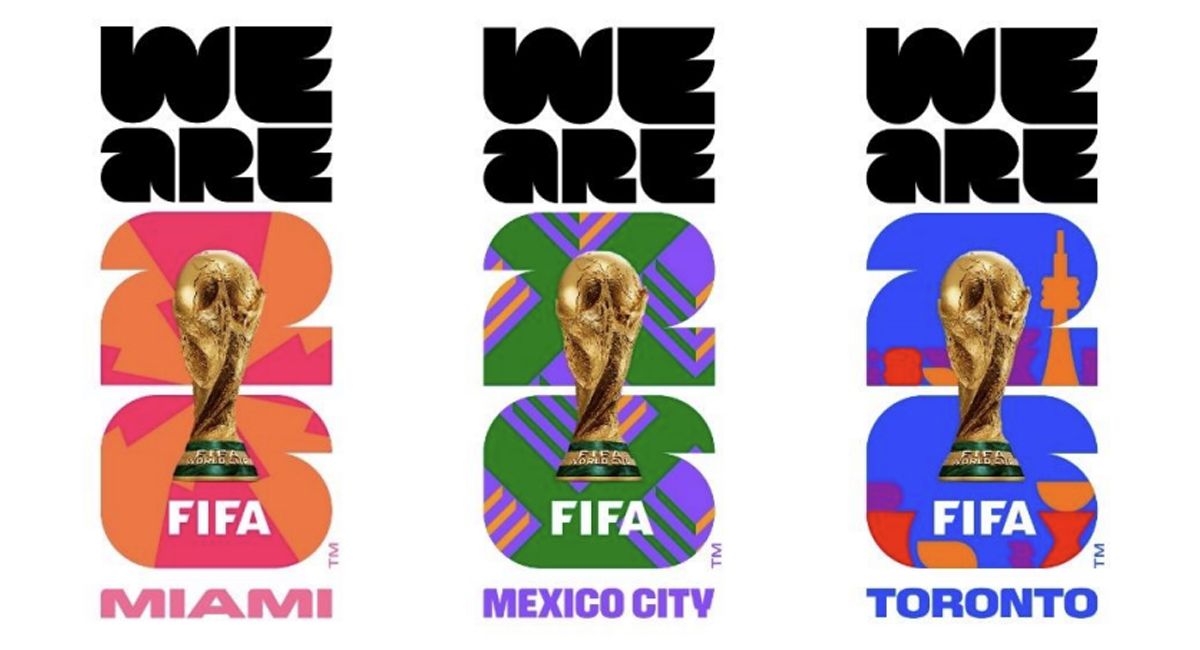
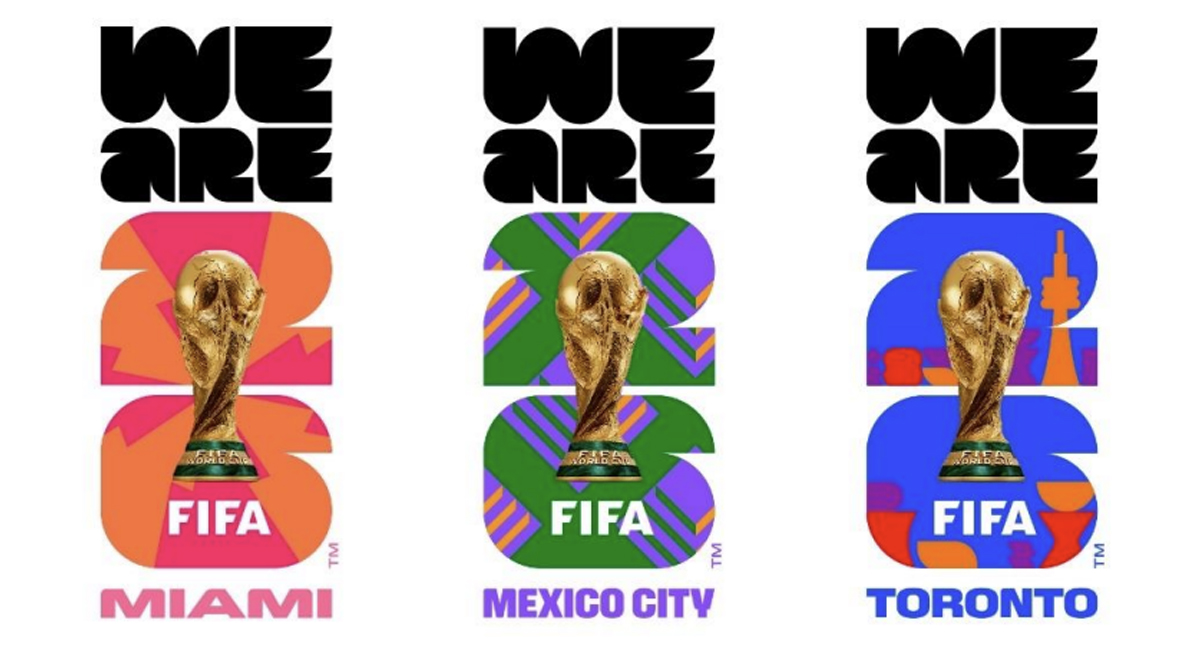
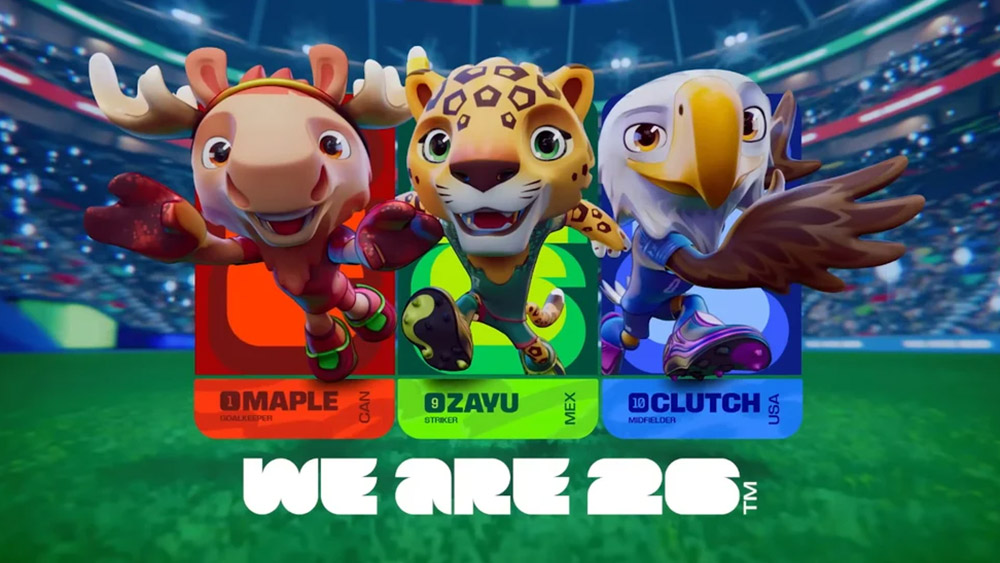
- The Age of Brand Narrative (2010s–Present): We have entered an era where participation, even without hosting, is a branding tool. The 2022 Qatar World Cup and the upcoming 2026 North American expansion have signaled that teams now act as avatars for their home nations’ global connectivity.
Supporting Data: The Ripple Effects of Visibility
While the sporting metrics of the World Cup are well-documented, the "brand uplift" metrics are increasingly being studied by economists and political scientists. Data from recent tournaments suggests that successful national runs correlate with:
- Tourism Influx: Countries that enjoy a "Cinderella run" in the tournament often see a measurable spike in organic search traffic related to travel and hospitality in the following 12 to 24 months.
- Investment Confidence: International investors correlate a nation’s sporting discipline and organizational success with political and economic stability.
- Diplomatic Capital: The "feel-good" factor of a successful national team provides diplomats with a conversational opening in international forums, humanizing the country and fostering cultural ties.
Identity: The New Model of National Representation
What is particularly fascinating about the current generation of emerging footballing nations is their rejection of geographic isolation. The modern national team is a reflection of a nation’s global diaspora.
Morocco’s historic run to the semi-finals in 2022 remains the gold standard for this shift. The Moroccan team did not just represent the geography of North Africa; it represented a globalized, cosmopolitan identity. By leveraging dual-national players who played in top-tier European leagues, Morocco projected an image of a country that is deeply rooted in its heritage yet fully integrated into the global economy.
This is the new "place brand": a hybrid identity that transcends borders. It signals to the world that a nation is ambitious, confident, and capable of exporting talent and culture on the highest level.
Official Perspectives: The Strategic Mandate
Industry experts in place branding, such as the team at Saffron, have long noted that visibility is not synonymous with value. There is a persistent, dangerous misconception that appearing on the world stage automatically leads to economic prosperity.
"Exposure creates awareness," note branding strategists. "But brand creates meaning."
Governments are beginning to realize that the World Cup cannot be treated as an isolated event. Official responses from successful nations indicate that a "Total Nation Strategy" is required. This involves:
- Alignment: Ensuring that the "brand" displayed during the tournament matches the reality for investors and tourists.
- Legacy Planning: Creating specific investment vehicles and tourism packages that launch concurrently with the tournament.
- Cultural Diplomacy: Leveraging the diaspora to act as brand ambassadors, bridging the gap between the tournament’s excitement and long-term bilateral relationships.
The Strategic Implications: How to Turn Curiosity into Capital
The expansion to 48 teams creates an unprecedented opportunity for nations that have previously been ignored by the global media machine. However, this opportunity brings with it a strategic burden. The transition from "a fun tournament story" to "a viable destination for business" requires rigorous post-event management.
The Strategic Checklist for Emerging Nations:
- Bridging the Gap: How do we ensure that the curiosity sparked by a goal translates into a click on a tourism website?
- Professionalizing the Narrative: How do we ensure that the national story told by the football team is consistent with the story told by the Ministry of Investment?
- Sustaining Momentum: How do we capitalize on the "halo effect" of a successful tournament long after the final whistle blows?
Beyond the Final Whistle: A Future of Conscious Branding
As we look toward the future, the World Cup will continue to function as a geopolitical stage. For the 48 nations involved, the challenge is not just to win matches, but to manage their reputations.
The most successful nations in the coming decade will be those that treat the World Cup not as a destination, but as a catalyst. They will recognize that while the spectacle of football lasts only a few weeks, the window of opportunity to define a national identity is a fleeting, precious asset.
In the final analysis, the World Cup is a mirror. It reflects the strength, culture, and ambition of the nations that step onto the pitch. The nations that benefit most will be those that realize their true branding work begins when the stadium lights dim and the world finally starts paying attention. The football may be the hook, but the strategic management of that curiosity is what builds a legacy that lasts for generations.
In this new global arena, the goal is not just to lift the trophy—it is to ensure that when the world thinks of your country, it thinks of a place worth visiting, a place worth investing in, and a place that matters.

 Ammar Sabilarrohman
 Asro
Asro