Nila Kartika Wati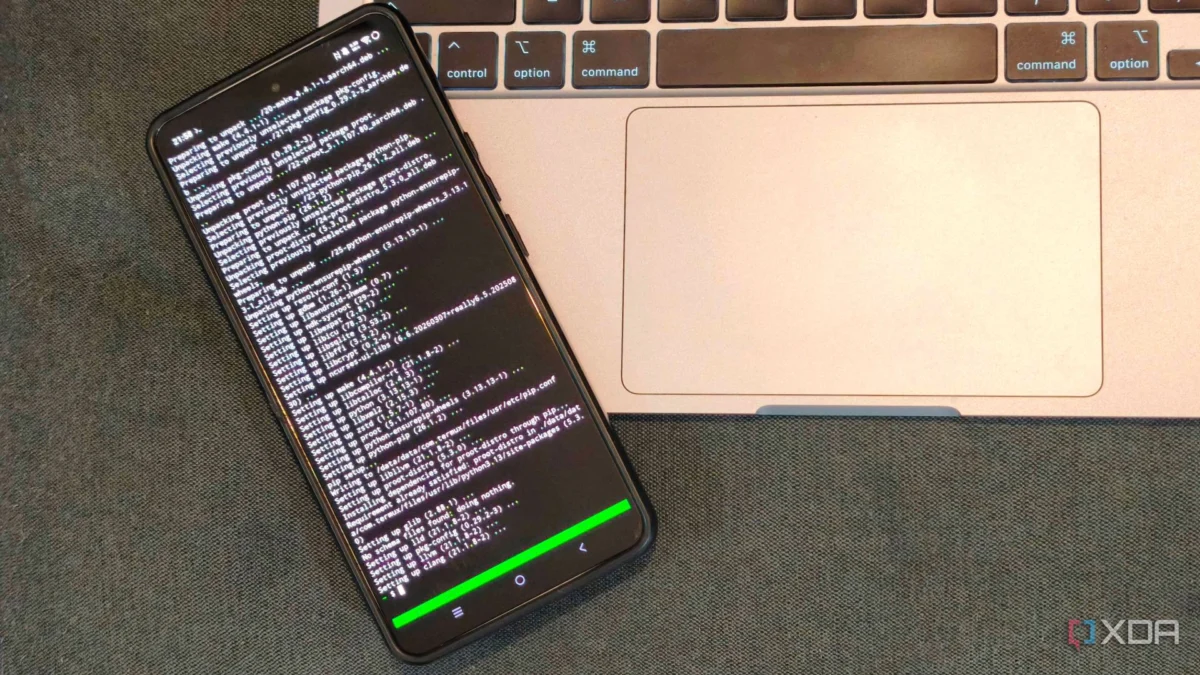
For years, the Raspberry Pi has been the gold standard for hobbyists and tech enthusiasts dipping their toes into the world of self-hosting, home automation, and lightweight server management. Its small footprint, active community, and versatility have made it a staple in "smart home" setups across the globe. However, as the demands of modern software grow—and as the hardware limitations of single-board computers (SBCs) become more apparent—many enthusiasts are beginning to look elsewhere for their infrastructure needs.
After years of relying on various iterations of the Raspberry Pi, I found myself hitting a performance ceiling. While the Pi is excellent for basic tasks, running multiple concurrent services often leads to bottlenecks. More importantly, the reliance on MicroSD cards for storage presents a significant reliability issue. Applications requiring frequent read-and-write cycles can quickly degrade the lifespan and speed of standard memory cards, leading to system sluggishness or, in worst-case scenarios, data corruption.
In search of a more robust, cost-effective alternative, I pivoted to an experiment that initially sounded unconventional: repurposing an aging Android smartphone as a dedicated home server. The results were not just successful—they were transformative.
The Evolution of Home Servers: A Chronology of Hardware Shifts
The trajectory of home-based computing has evolved rapidly over the last decade. In the early 2010s, the "home server" was often a bulky, power-hungry desktop tower shoved into a corner. When the Raspberry Pi burst onto the scene, it democratized server ownership by offering a low-power, compact solution.
- 2012–2016 (The Pi Era): The early Raspberry Pi models captured the imagination of the DIY community. Users transitioned from expensive hardware to $35 credit-card-sized computers for Pi-hole, basic web servers, and retro-gaming consoles.
- 2017–2022 (The Scaling Challenge): As home services like Docker, Jellyfin, and Nextcloud became more popular, the limitations of the Pi’s ARM architecture and its dependency on SD cards became a point of friction. Users began upgrading to faster SSDs via USB adapters, but the bottleneck remained.
- 2023–2025 (The Mini-PC Surge): The rise of Intel N100-based mini-PCs offered a massive performance leap over the Raspberry Pi, effectively making x86 architecture the new baseline for serious self-hosting.
- 2026 (The Smartphone Renaissance): The current shift focuses on sustainability and circular economy principles. By repurposing the billions of discarded or drawer-bound smartphones, users are discovering that their old devices are actually high-performance, battery-backed micro-servers.
Supporting Data: Why Smartphones Outperform Traditional SBCs
When comparing an old flagship-tier Android smartphone to a standard Raspberry Pi, the specifications tell a compelling story. Most mid-to-high-range smartphones released within the last five years feature UFS (Universal Flash Storage) technology. Unlike the volatile and slow MicroSD cards used in Raspberry Pis, UFS storage offers read/write speeds that are orders of magnitude faster.
The Performance Edge
An average Snapdragon 8-series processor, even if it is five years old, significantly outperforms the broadcom chips found in most Raspberry Pi models. This extra "headroom" is vital when running modern containers or local Large Language Models (LLMs). While a Pi might struggle to compile packages or manage high-traffic web requests, a repurposed smartphone handles these tasks with ease, keeping the system responsive under load.

Built-in Redundancy
Perhaps the most understated advantage of using a phone is the integrated Lithium-ion battery. A Raspberry Pi requires an external Uninterruptible Power Supply (UPS) to handle sudden power outages without risking file system corruption. An Android phone, however, comes with a built-in battery that acts as an immediate power buffer. If the power cuts out, your server stays online—a "free" feature that would cost an extra $50+ to replicate on a standard SBC setup.
Technical Implementation: Setting Up Your Smartphone Server
The process of converting a phone into a server is surprisingly straightforward, relying on the power of Linux emulation.
The Foundation: Termux
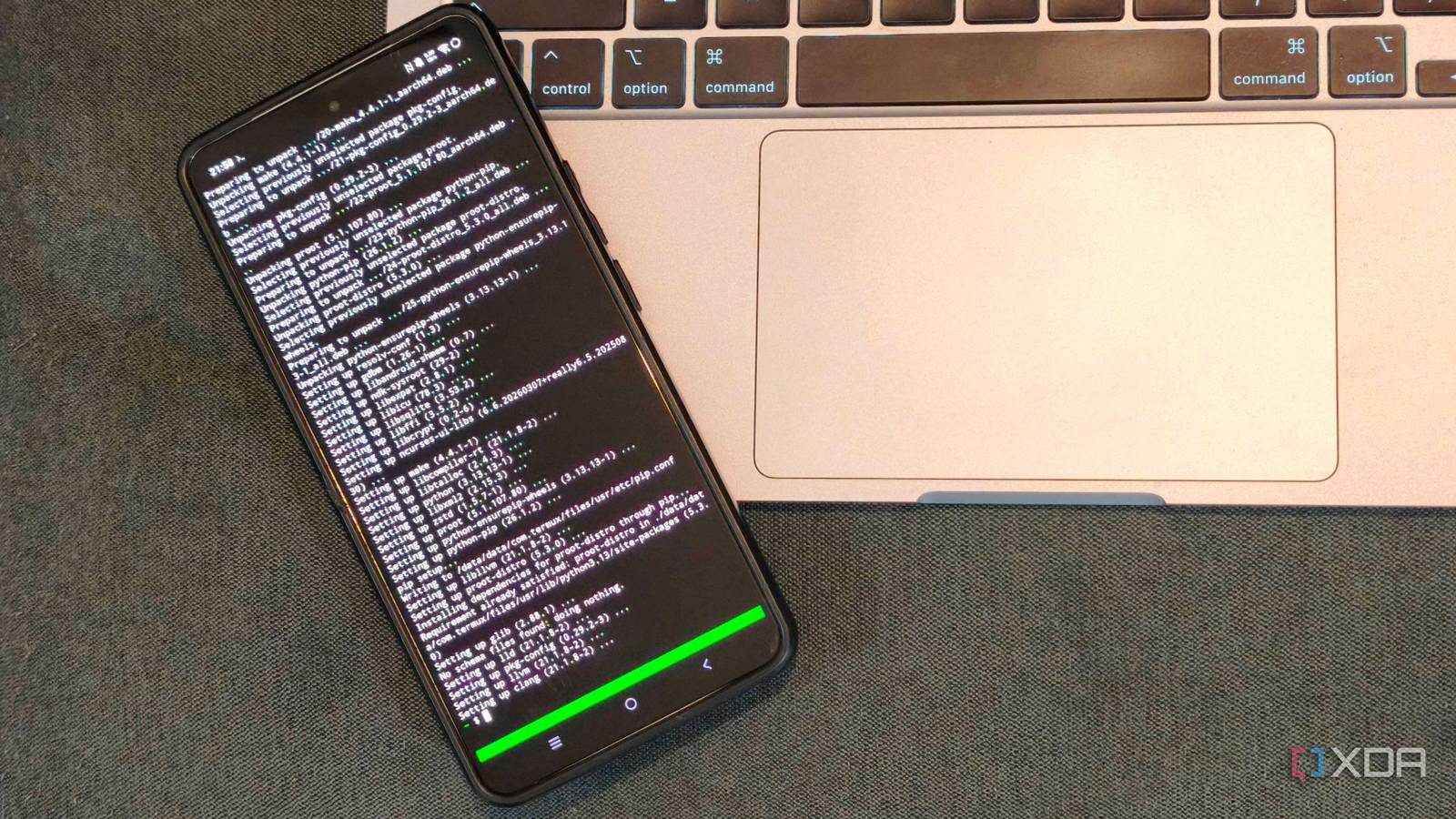
The gateway to this transformation is Termux, a powerful terminal emulator for Android that provides a Linux-like environment. Termux allows users to install standard packages (like Python, Git, and Docker equivalents) directly on Android. Once Termux is installed, the device effectively functions as a Linux machine.

The PRoot Environment
To run a full desktop or server distribution, users typically deploy a PRoot environment. This allows you to install Debian or Ubuntu on top of Android without needing root access. This setup grants access to the vast repository of Linux software, allowing users to configure their servers just as they would a standard cloud-hosted machine.
Networking and Power Management
- Static IP: Assigning a static local IP address through your router is critical for ensuring your services remain accessible across your network.
- Storage Expansion: If the internal storage is insufficient, a USB-C hub with Power Delivery (PD) support is the key. This allows you to connect external SSDs and a power source simultaneously, creating a permanent, high-performance storage array.
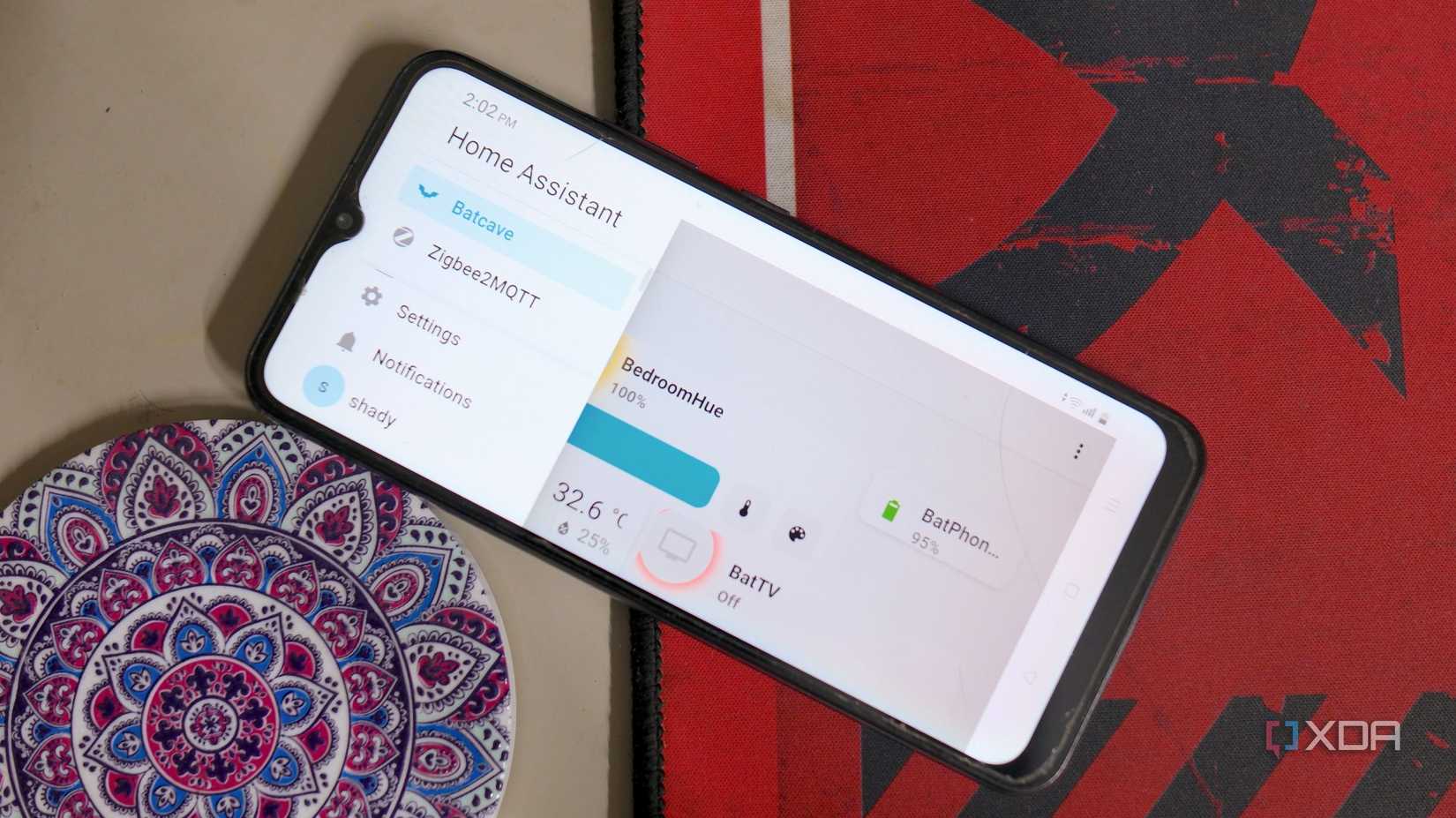
- Battery Health: To prevent the battery from swelling or degrading, I recommend using a smart plug integrated with Home Assistant. By capping the charge at 80% and avoiding 100% saturation, you can extend the device’s lifespan significantly.
Implications for the Future of Self-Hosting
The move toward using mobile hardware as server infrastructure has profound implications for the tech industry and the environment.
Sustainability and E-Waste
The global e-waste crisis is exacerbated by the rapid upgrade cycles of mobile devices. By repurposing a phone that would otherwise be destined for a landfill, users are engaging in a sustainable practice that extends the product’s useful life by years. A phone that is "too slow" for modern mobile gaming is often "perfectly fast" for hosting a private VPN or a media server.
The Shift in User Demographics
Official feedback from the open-source community suggests that this trend is lowering the barrier to entry for self-hosting. New users are often intimidated by the cost of buying a dedicated mini-PC or the technical requirements of setting up a Raspberry Pi from scratch. Utilizing a device they already own makes the process accessible, encouraging more people to move away from centralized "Big Tech" clouds and back toward personal data sovereignty.
Limitations and Considerations
While the performance is superior, it is not without challenges. Android’s aggressive background process management (the "Doze" mode) can kill server services if not properly configured. Users must disable battery optimization for Termux and ensure that the kernel allows for persistent background tasks. Additionally, for users requiring high-end GPU transcoding for heavy 4K media libraries, a dedicated x86 mini-PC will always remain superior.
Conclusion: The "Hidden" Potential in Your Drawer
The Raspberry Pi will always hold a special place in the history of the DIY movement, but the reality is that the hardware landscape has shifted. My transition to using a repurposed Android phone as a home server has provided me with a more stable, faster, and more reliable infrastructure.

With better storage technology, built-in battery backups, and powerful CPUs, old phones are essentially high-efficiency micro-servers waiting to be unlocked. Whether you are building a personal cloud, a security camera hub, or a private web server, the best piece of hardware for the job might already be sitting in your junk drawer. By taking the time to configure these devices, we are not just building better home networks—we are reclaiming our tech and reducing our footprint, one smartphone at a time.

 Iffa Jayyana
 Suro Senen