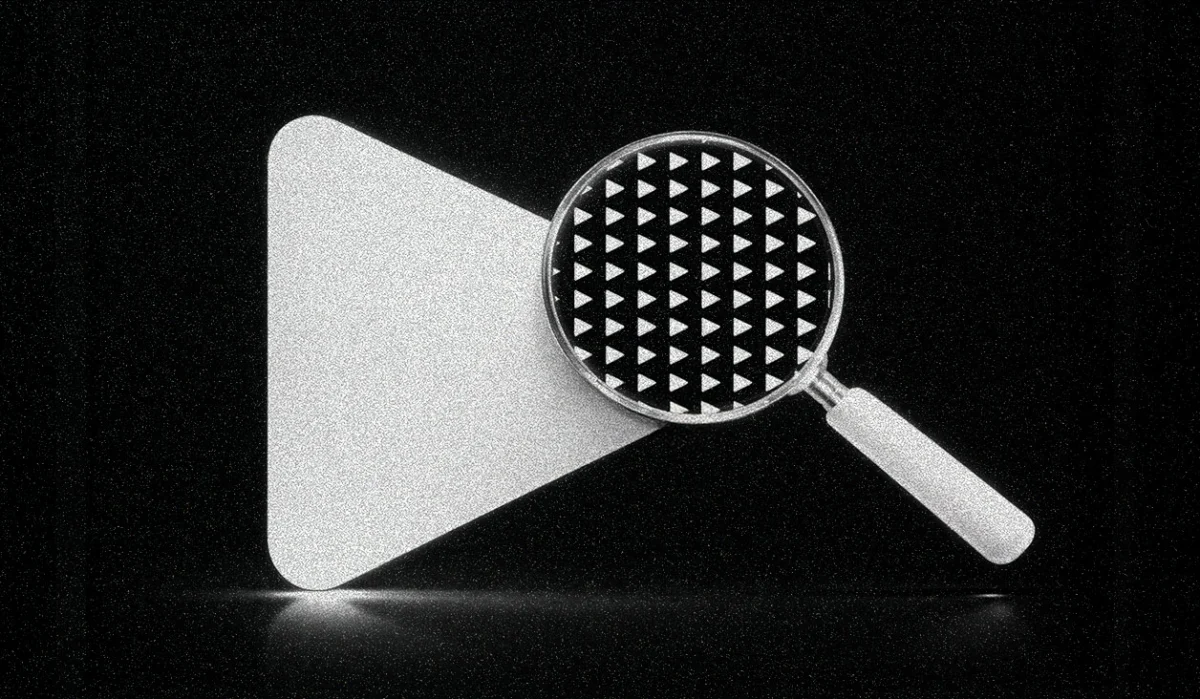
The creator economy stands at a precarious crossroads. Late last month, Google deepened its commitment to generative AI by integrating its Gemini Omni model into YouTube Shorts’ existing "Remix" tool. While YouTube frames this evolution as an accessible gateway for creators to participate in viral trends and cultural conversations, the update has ignited a firestorm of debate regarding intellectual property, creator autonomy, and the very definition of authenticity in an era of synthetic media.
The Evolution of the Remix: From Editing to Generative Synthesis
The YouTube Shorts Remix feature, first introduced in late 2023, was designed to democratize content creation by allowing users to sample audio and visual elements from existing videos. However, the introduction of Gemini-powered "AI Playgrounds" fundamentally alters the nature of this interaction.
By tapping the remix icon on any eligible Short, creators are now invited into a generative interface. Here, they can pull from platform-approved templates, synthesize new music, or generate entirely new content from text prompts—all anchored to the original creator’s source material.
Proponents argue this is a milestone for creative accessibility. "It’s encouraging on-platform generative AI inside a controlled, attribution-safe wrapper," explains Jacquie Kostuk, VP of Strategy at FUSE Create. She points to the inclusion of watermarks and mandatory linking as evidence that YouTube is attempting to balance innovation with ethical guardrails.
Jonathan Chanti, CEO and co-founder of Reign Maker Group, mirrors this sentiment, suggesting the tool effectively lowers the barrier to entry. "Fans and creators can easily remix, localize, edit, and scale video content," Chanti says. "For creators, AI-assisted remixing could extend the lifespan and reach of their content in ways that were previously impossible."
Chronology of the AI Shift in Creator Tools
- Late 2023: YouTube officially launches the "Remix" feature for Shorts, allowing users to sample audio and video clips, laying the groundwork for future AI integration.
- Early 2025: As competitive pressure from platforms like TikTok and Instagram intensifies, Google accelerates its generative AI research, specifically focusing on the Gemini Omni model’s multimodal capabilities.
- Late May 2026: Google officially plugs Gemini Omni into the Shorts Remix interface, introducing the "AI Playground" and enabling text-to-video and text-to-audio transformation tools.
- June 9, 2026: New York State’s "Synthetic Performer Disclosure Law" goes into effect, marking the first major regulatory hurdle for AI-generated marketing content.
- August 2026 (Upcoming): Similar regulatory frameworks regarding AI transparency are set to trigger in California and across the European Union, forcing a potential industry-wide pivot in how AI content is labeled and disclosed.
The Data: A Industry Divided
The rapid adoption of these tools belies a deep-seated anxiety within the professional creator community. Data suggests that while platforms are pushing AI as a solution for growth, the "human element" remains the primary driver of value.
According to a November 2025 study from the agency Billion Dollar Boy, 58% of creators are actively exploring legal and technological avenues to protect their face, identity, and voice from unauthorized AI usage. Furthermore, 55% of marketers and 53% of creators report that the rise of generative AI has already contributed to a measurable increase in copyright infringement and intellectual property theft.
Consumer sentiment research reinforces this skepticism. A recent study conducted by Ipsos and Syracuse University tested human-made versus AI-generated advertisements. The results were stark: 38% of participants perceived human-made ads as more creative, while 46% found them significantly more emotionally engaging. Despite the technical prowess of Gemini, the market seems to be signaling a "human-premium" that AI currently cannot replicate.
Official Responses and Regulatory Shadows
YouTube has largely remained silent regarding the specific criticisms of the Gemini update, declining multiple requests for comment. This silence has left a vacuum filled by legal experts and advocacy groups who are raising alarms about the "opt-out" mechanism embedded in the platform.
Currently, creators must manually toggle off the remixing capability for every individual video. Critics argue this creates an "asymmetric burden" on the creator. "If you have to opt out to stop your content from being used, that’s not consent," asserts Donatas Smailys, CEO of the creator marketing platform Billo. "The creator economy runs on trust. The second a platform can remix your likeness without an explicit ‘yes,’ it kills the authenticity that made the content valuable."
Legal experts are equally concerned about the "safe harbor" status of AI-generated content. Frank Poe, founder of Poe Law, warns that creators utilizing Gemini are venturing into a legal gray area. "It’s unclear that the content generated is 100% yours or free from third-party claims," Poe notes. "YouTube’s terms of service still operate under a ‘three-strike’ system. If Gemini generates something that violates a copyright, the creator—not the platform—may face the consequences."
Implications for the Future of Brand Safety
The implications of this shift extend far beyond individual creators; they strike at the heart of brand safety and corporate advertising.
The Manipulation Problem
The shift from "editing" to "generative manipulation" means that a creator’s likeness can be repurposed in ways that are demonstrably different in tone or intent. "AI changes remixing from basic editing into highly realistic manipulation at scale," Chanti notes. "This creates potential issues around misinformation, brand safety, and sponsorship conflicts."
The "Slop" Factor
Lily Comba, CEO of the influencer agency Superbloom, worries about the long-term impact on the industry’s reputation. She fears that the flood of AI-generated "slop" will oversaturate the market, making it harder for high-quality, human-led content to surface.
"Not everyone is going to be a good content creator," Comba explains. "This AI-generated content is perpetuating the idea that you have to show up online perfectly. But people don’t want to hear from robots. AI robots don’t have wallets, they aren’t wearing the product, they aren’t offering a personal testimonial. They are essentially hollow vessels for corporate messaging."
The Compliance Risk
Brands that rush to adopt AI-generated content to cut costs may find themselves at a disadvantage in the coming year. As laws in New York, California, and the EU demand strict disclosure for synthetic performers, brands that failed to build human-centric content pipelines will likely face costly compliance audits and a loss of audience trust.
Conclusion: The Human Imperative
As Google, Meta, and TikTok continue their "AI arms race," the primary casualty may be the nuanced relationship between a creator and their audience. While the tools provided by Gemini are undeniably powerful, the consensus among industry leaders is that they should serve as a supplement, not a replacement, for human creativity.
For creators, the path forward is clear: vigilance is required. Protecting one’s intellectual property, staying informed on evolving terms of service, and prioritizing authentic, human-led engagement may become the most valuable competitive advantages in an increasingly synthetic digital landscape.
As Smailys succinctly puts it, "A year from now, brands that went fully AI to cut costs will be dealing with compliance risks and trust problems. Brands that invested in authentic human creators will not have these problems." The technology may be evolving at breakneck speed, but the audience’s demand for a human connection remains as static as ever.