

By Craig Robinson, Senior Editor
Last Updated: May 29, 2026
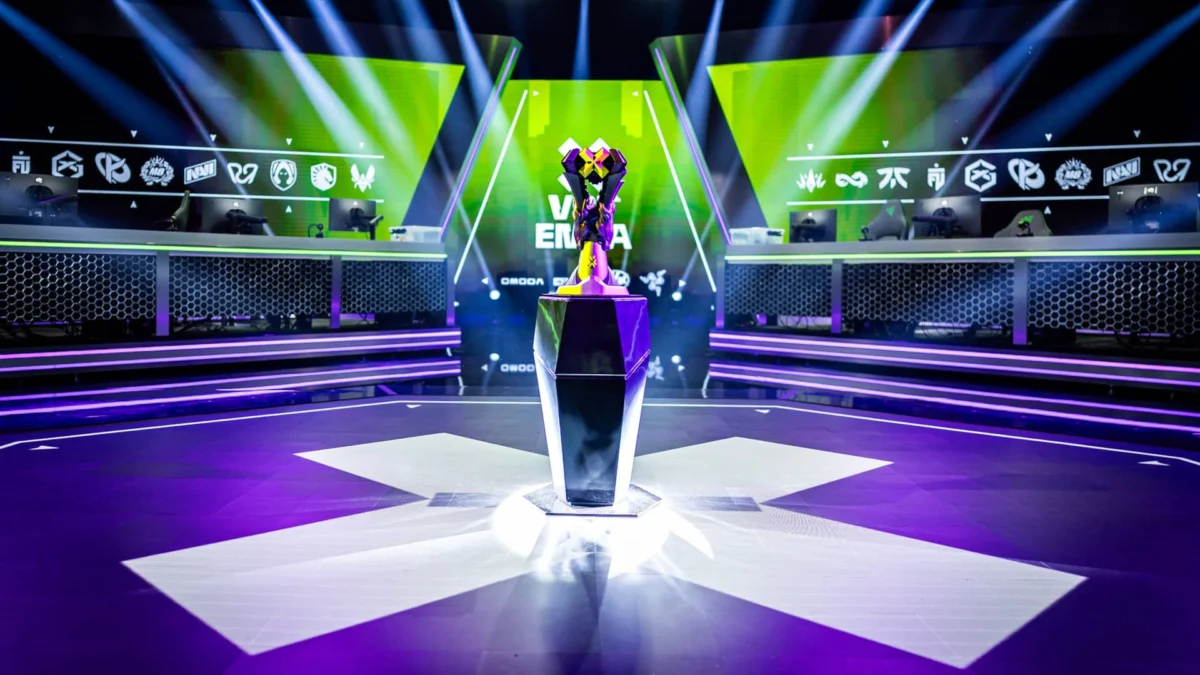
In a move that signals a permanent shift in how Riot Games manages its premier esports ecosystems, the publisher has unveiled a comprehensive infrastructure overhaul at the Riot Games Arena in Berlin. The centerpiece of this transformation is the construction of a brand-new “Studio Stage,” a specialized broadcast facility designed to facilitate simultaneous operations for both the League of Legends EMEA Championship (LEC) and the Valorant Champions Tour (VCT) EMEA.
This development, set to go live on July 15, 2026, marks the end of a long-standing logistical bottleneck that has historically forced the two leagues into a competitive dance for venue access. By creating a dedicated, broadcast-first environment, Riot is not only expanding its capacity for content delivery but is also signaling a long-term commitment to its Berlin hub, effectively silencing rumors of a transition toward fully online-only leagues.
The Strategic Necessity: Why Now?
The decision to invest in a second stage was driven by the aggressive expansion of the Valorant ecosystem. With VCT EMEA Stage 2 set to introduce a more complex, high-volume format—including the integration of Challengers teams into the mainline competitive circuit—the demand for “stage time” has surged.
Historically, the LEC and VCT EMEA have occupied the same physical footprint in Berlin. This forced a rigid scheduling structure: when the LEC was in session, VCT had to either pause, relocate to online play, or embark on “roadshow” events to maintain visibility. As the LEC moved toward a more rigorous best-of-three regular season format, the overlap became unsustainable. Rather than sacrificing match quality or reducing the number of competitive games to fit the calendar, Riot opted to invest in physical infrastructure.
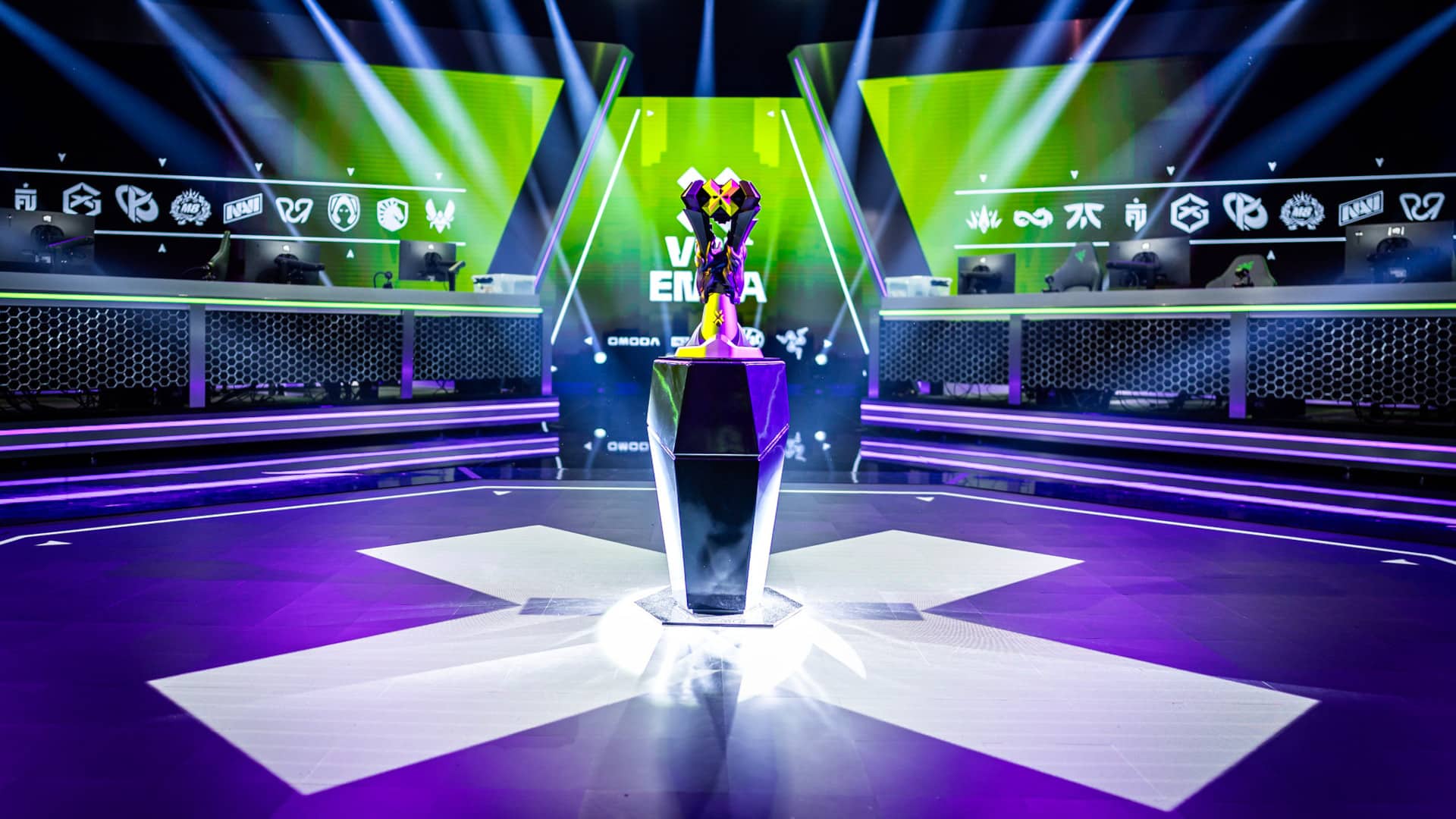
The new Studio Stage is purpose-built for production efficiency. Unlike the “Arena Stage”—the primary, ticketed venue that fans are familiar with—the Studio Stage is optimized for the digital audience. It is a broadcast-first environment, meaning it will not host a live, in-person audience. This allows Riot to run multiple high-stakes matches simultaneously, effectively doubling the daily throughput of professional esports content originating from the Berlin hub.
A Chronology of the Berlin Transformation
To understand the scale of this project, one must look at the evolution of the Berlin studio over the last two years.
- Early 2024: The Riot Games Arena in Berlin served as the primary physical home for both leagues. The scheduling conflict was manageable, though it necessitated frequent breaks in the VCT calendar during peak LEC split times.
- January 2026: As the LEC announced its roadshow initiatives—taking the league to hubs in Spain and France—it became clear that the league’s footprint was becoming more fluid. Simultaneously, the VCT EMEA format was finalized, confirming an influx of new teams and a significantly longer competitive calendar.
- Spring 2026: Rumors began to circulate regarding the potential for Riot to shift the LEC toward a remote/online-only model to alleviate the logistical pressure on the Berlin studio. These concerns were met with apprehension by fans and players who value the prestige of studio-based play.
- May 2026: Riot Games officially confirmed the construction of the secondary Studio Stage. The project was completed behind the scenes, utilizing the large, under-utilized back-of-house area previously identified by studio visitors as a potential expansion zone.
- July 15, 2026: The official “Go Live” date for the new dual-stage operations, coinciding with the launch of VCT EMEA Stage 2.
Supporting Data: Capacity and Scheduling Shifts
The most immediate impact of this overhaul is the liberation of the weekend schedule. Historically, VCT EMEA was tethered to a weekday schedule (Wednesday through Friday), while the LEC claimed the weekends (Saturday through Monday). This separation was designed to prevent audience cannibalization and venue conflict.
With the advent of the Studio Stage, Riot can now host VCT EMEA matches on weekends, a change that the community has clamored for since the inception of the current VCT format. The ability to run matches in parallel means that fans will no longer have to choose between their favorite LoL or Valorant matchups during peak hours.
The Two-Stage Split
| Feature | Arena Stage | Studio Stage |
|---|---|---|
| Primary Audience | Live, Ticketed | Digital/Online Only |
| League Priority | LEC (Franchised) | VCT EMEA (Expanded) |
| Atmosphere | Event-focused/Crowd | Broadcast-focused/Technical |
| Capacity | Full Seating | Zero (Broadcast Crew Only) |
The integration of the Studio Stage allows for a “fluid scheduling” model. While the LEC will retain primary rights to the Arena Stage—given its established franchising agreements and need for live crowd engagement—high-profile VCT matches can now be migrated to the Arena Stage when needed, while the Studio Stage serves as the workhorse for the remainder of the VCT schedule.
Official Stance and Future Outlook
Riot Games has been categorical in its messaging: this is not a stop-gap measure. The dual-stage arrangement is a pillar of the company’s long-term vision for 2027 and beyond. By doubling down on the Berlin physical location, Riot has effectively reaffirmed its commitment to professional, in-person esports production.
While internal stakeholders have not commented on the specific cost of the renovation, the sheer scale of the “broadcast-first” construction suggests a multi-million Euro investment. The decision to keep the LEC in the studio—despite industry rumors of a move to remote production—is a testament to the brand value Riot places on the “Arena experience.”
For the LEC, the change is largely one of increased stability. By removing the need to vacate the premises for VCT events, the LEC can now solidify its own calendar, potentially increasing the number of matches hosted before a live audience. The integration of best-of-three formats has already made the LEC a more demanding league in terms of time, and this expansion ensures that the league does not have to compromise on its professional standards.
Implications: The Ecosystem at Large
The implications of this expansion extend beyond just scheduling. By optimizing the Berlin studio for two major titles, Riot is creating a model that could be replicated in other global regions.
- Production Consistency: The Studio Stage is designed with advanced telemetry and broadcast technology, ensuring that even without a live crowd, the production quality of VCT EMEA will remain on par with, or exceed, previous seasons.
- Player Experience: For professional players, the environment remains familiar. Teams will continue to travel to Berlin, maintaining the competitive integrity of a LAN-based environment, which is significantly preferred over the volatility of online play.
- Fan Engagement: The move to weekend VCT matches is perhaps the most significant victory for the consumer. By removing the “Wednesday-Friday” constraint, Riot is acknowledging that esports viewership peaks during traditional weekend leisure time.
- Stability for the LEC: By keeping the LEC in the Arena Stage, Riot maintains the “prestige” factor of the league. It prevents the dilution of the product that might have occurred had the league been forced into a remote-first model.
As we look toward the remainder of 2026, the industry will be watching closely to see how effectively the dual-stage management functions under the pressure of full-split competition. If the transition is seamless, it could signal a new era of “mega-studios” where Riot leverages a single geographic location to host multiple, high-tier esports leagues simultaneously.
The Berlin studio has long been the heart of European esports. With the addition of the Studio Stage, that heart is now beating faster, more efficiently, and with a broader reach than ever before. For fans of both the LEC and VCT, the era of compromise is over; the era of simultaneous, high-production competition has begun.
Craig Robinson has been a voice in the esports industry since 2015. Having covered the growth of the European scene from its inception, he brings a decade of insight to the complexities of esports infrastructure and league management.










No comments yet. Be the first to join the conversation!