

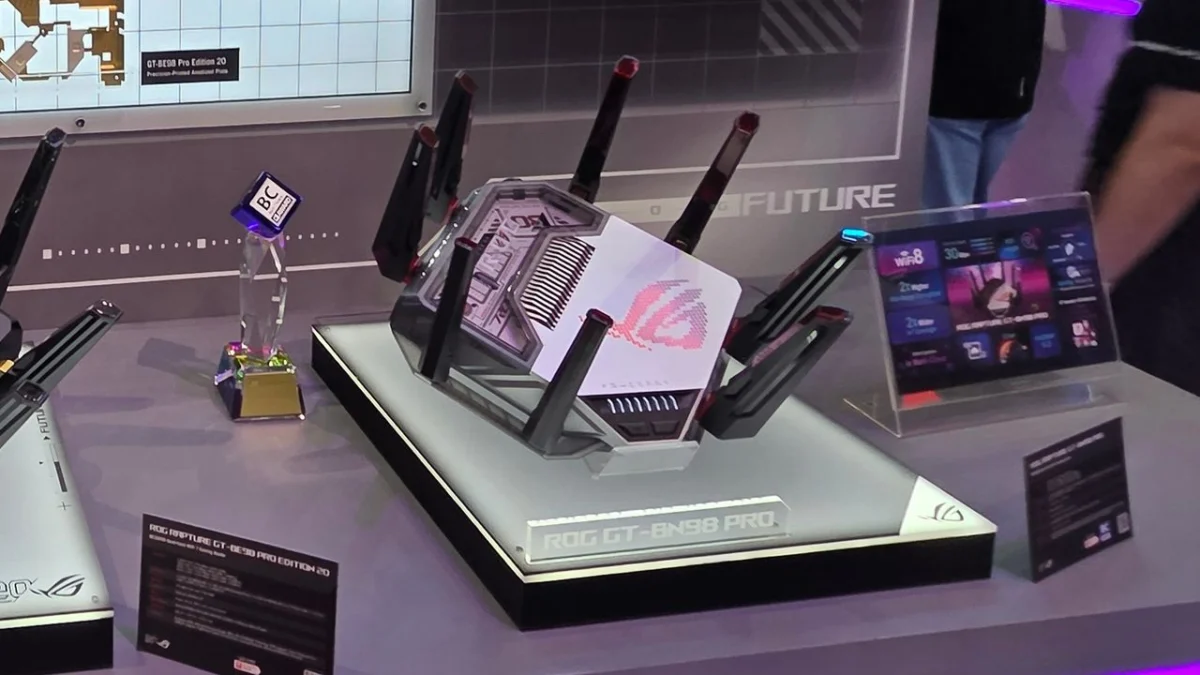
As the dust settles on the rollout of Wi-Fi 7—a standard that brought unprecedented throughput and multi-link operation to the consumer market—the networking industry is already pivoting toward the next major iteration. With the Wi-Fi Alliance having successfully established the foundation for Wi-Fi 7, manufacturers are now racing to define the era of Wi-Fi 8. In a move that signals the start of this next generation, Asus has pulled back the curtain on its flagship gaming router: the ROG Rapture GT-BN98 Pro.
This announcement follows closely on the heels of TP-Link’s recent teaser regarding its Archer 8 roadmap, confirming that the race for the next generation of wireless performance is officially underway.
The Evolution of Hardware: Familiar Design, Revolutionary Internals
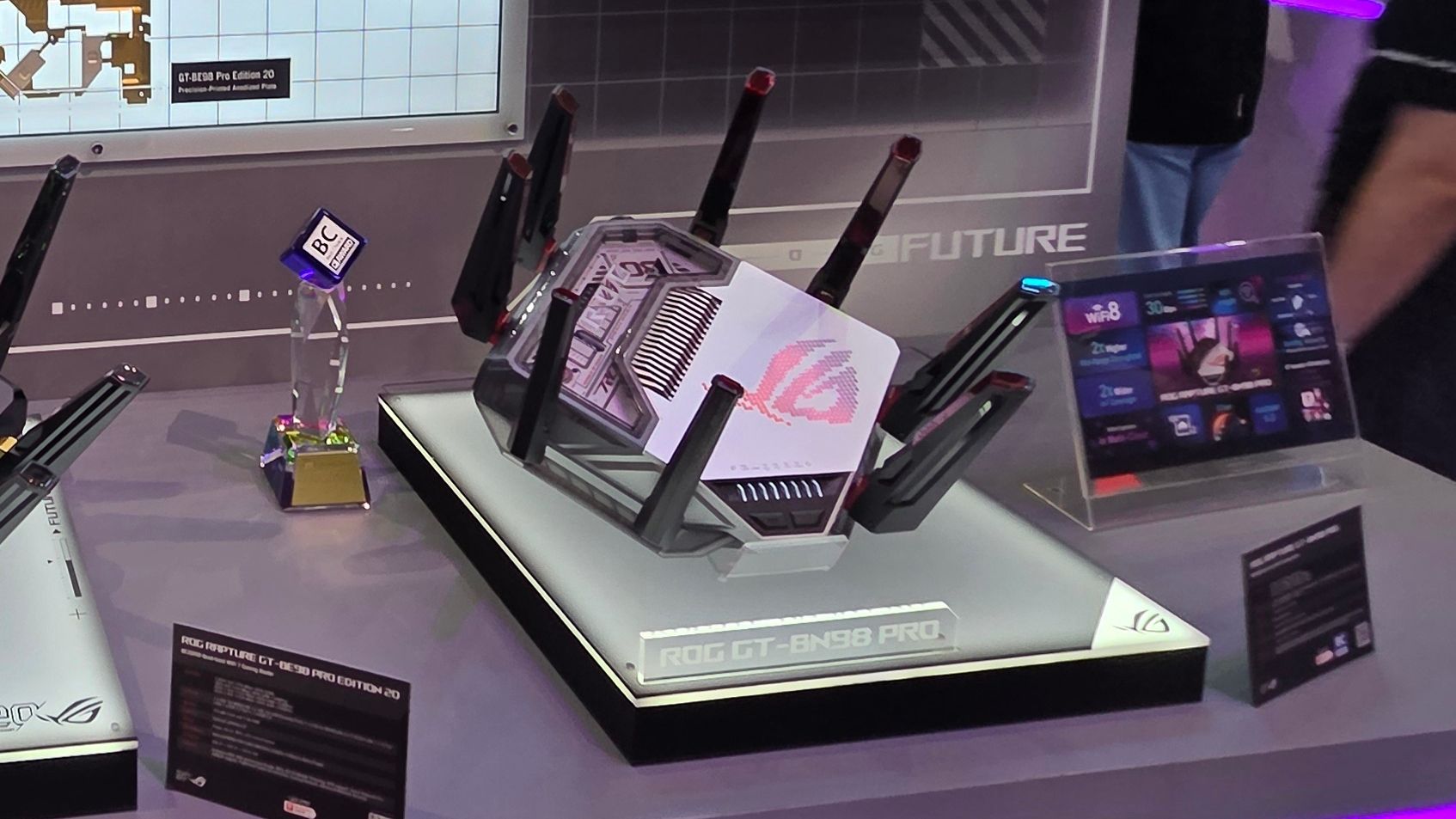
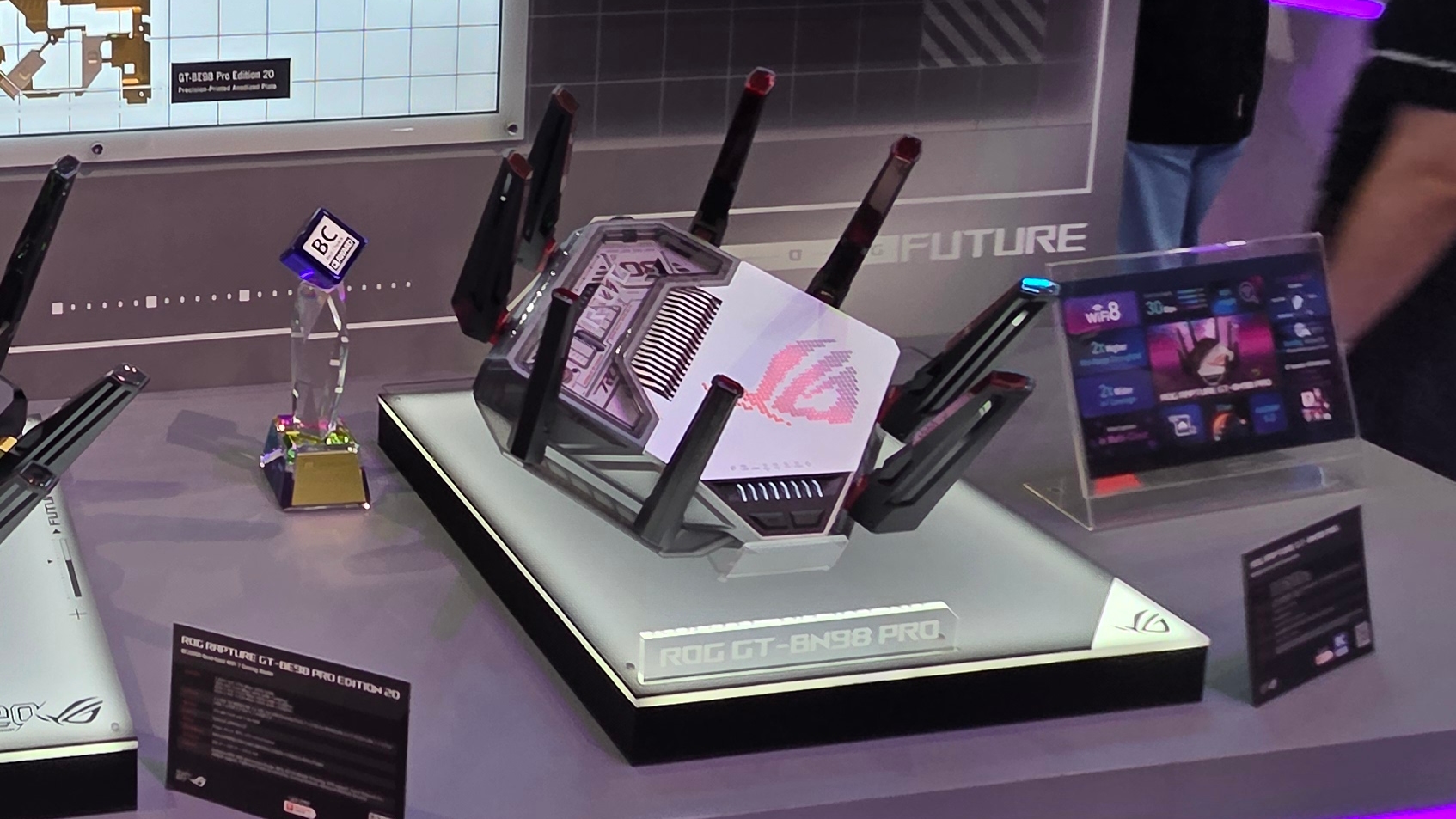
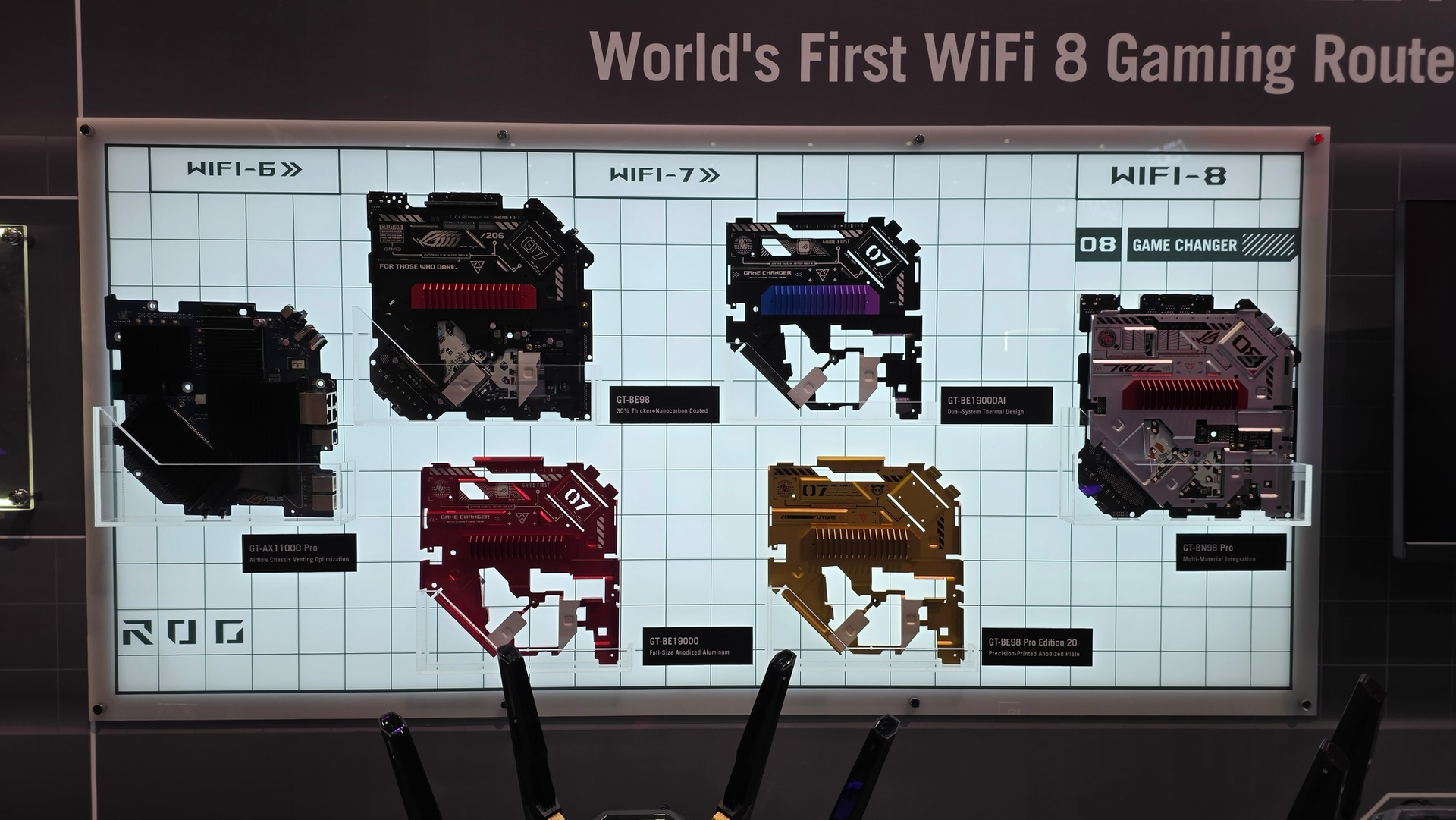
At first glance, the ROG Rapture GT-BN98 Pro may look like a familiar sight to enthusiasts of the Republic of Gamers (ROG) ecosystem. Its physical footprint, exterior chassis, and iconic aesthetic are strikingly similar to the current-generation Wi-Fi 7 powerhouse, the ROG Rapture GT-BE98 Pro.
The design retains the aggressive, eight-antenna array that has become a hallmark of the Rapture series, optimized for maximum signal propagation and beamforming efficiency. The front LED panel, the exposed heatsink assembly designed for passive thermal management, and the signature illuminated ROG logo remain intact. However, beneath this familiar shell, Asus has integrated an advanced, albeit unnamed, Wi-Fi 8 chipset. This strategic decision to maintain a proven form factor suggests that Asus is prioritizing internal hardware maturity and regulatory compliance before pushing the boundaries of physical router design.
Chronology of the Next-Gen Wireless Standard
The progression from Wi-Fi 6 to Wi-Fi 7 was defined by a quest for raw speed and the integration of the 6GHz spectrum. Wi-Fi 8, conversely, is shifting the industry’s focus toward reliability, efficiency in dense environments, and seamless connectivity.
- 2024–2025: The maturity of the Wi-Fi 7 ecosystem, with widespread adoption of MLO (Multi-Link Operation) and 320MHz channels.
- Early 2026: Initial industry discussions and standards finalization for the 802.11bn standard, which will underpin Wi-Fi 8.
- Late 2026: Expected arrival of the first wave of consumer hardware, including TP-Link’s Archer 8 series and the debut of the Asus ROG Rapture GT-BN98 Pro.
- 2027 and Beyond: Likely broader consumer availability and the potential for regulatory approval in global markets, paving the way for mass-market adoption.
Decoding the Performance Claims: Throughput vs. Reliability
While Asus has yet to release benchmark data comparing the GT-BN98 Pro against its predecessor, the company has provided high-level performance targets that highlight the strengths of the Wi-Fi 8 standard.
Doubling Median Throughput
Asus claims that the GT-BN98 Pro will offer up to a 2x improvement in median throughput. It is important to note that this is not necessarily a "peak speed" increase, but rather a consistency improvement. In real-world environments, median throughput represents the actual speed a user experiences most of the time, rather than the theoretical maximums advertised on boxes.
The IoT Revolution
Perhaps the most significant promise of the GT-BN98 Pro is a 2x increase in coverage for Internet of Things (IoT) devices. Modern households are increasingly crowded with smart lightbulbs, security cameras, and sensors. Wi-Fi 8’s architecture is designed to handle this high density of low-bandwidth connections far more gracefully than previous standards, ensuring that a smart home doesn’t "choke" the network bandwidth required for high-intensity gaming or 4K streaming.
Multi-AP Coordination
Latency remains the primary enemy of the competitive gamer. The GT-BN98 Pro leverages Multi-AP (Access Point) coordination, a hallmark feature of the Wi-Fi 8 standard. By allowing multiple access points in a home to communicate more effectively and share the load dynamically, the router minimizes the "hand-off" delay that often occurs when moving between different rooms in a mesh or multi-router setup.
The Asus "Secret Sauce": AI Game Boost and QoS
Beyond the foundational benefits provided by the Wi-Fi 8 standard, Asus continues to lean into its software-defined networking expertise. The ROG Rapture GT-BN98 Pro is equipped with a suite of tools categorized under the "AI Game Boost" umbrella.
- Intelligent Traffic Optimization: The router employs advanced algorithms to prioritize gaming packets over standard web traffic. This applies both to wired Ethernet connections and wireless clients.
- GTNet and Adaptive QoS: Asus’s proprietary Adaptive Quality of Service (QoS) allows for on-demand bandwidth allocation. If the router detects that a user has launched a specific online title, it can dynamically reconfigure the network to ensure that the game receives top-tier priority, minimizing jitter and packet loss.
- Physical Layer Prioritization: Even with the shift toward wireless, Asus has maintained a heavy emphasis on physical infrastructure, ensuring that the router’s processing engine can handle the throughput demands of both its high-speed wireless radios and its multi-gigabit wired ports.
Wired Networking Capabilities
While the spotlight is on wireless innovation, the GT-BN98 Pro does not neglect wired connectivity. For the professional gamer or the power user who demands the absolute lowest latency, the physical port configuration is formidable:
- Dual 10 GbE Ports: The inclusion of one 10 GbE WAN port and one 10 GbE LAN/Gaming port provides a massive pipeline for high-speed fiber internet connections. Furthermore, these ports can be aggregated to create a 20 Gbps link, a feature typically reserved for enterprise-grade networking gear.
- 2.5 GbE Flexibility: Four 2.5 GbE LAN ports provide ample room for high-speed NAS (Network Attached Storage) devices, local servers, or multi-gigabit switches.
- USB Connectivity: To round out the features, the unit includes one USB 2.0 and one USB 3.0 port, facilitating printer sharing, media server functionality, or backup storage.
Implications for the Consumer Market
The announcement of the GT-BN98 Pro marks a significant milestone in the shift from "faster speeds" to "smarter networks." Historically, the networking market was driven by the "Mbps" metric—the promise of higher top speeds. However, as internet service providers begin to offer gigabit speeds as a standard, the bottleneck has shifted from the ISP to the local area network (LAN) and the ability of a router to manage multiple devices simultaneously.
The implications for the gaming community are profound. As games become more data-intensive and cloud-based gaming platforms gain market share, the need for a stable, low-latency connection is more critical than ever. Wi-Fi 8, with its emphasis on interference management and dense device handling, is the industry’s response to a world where every device is "always on."
However, consumers should temper their expectations regarding immediate availability. With a target window of Q4 2026 to Q1 2027, the GT-BN98 Pro is a forward-looking product. By announcing this early, Asus is positioning itself as an industry leader, signaling to potential upgraders that they should keep the upcoming standard in mind before investing in a high-end router today.
Conclusion
Asus has successfully set the stage for the next phase of the "router wars." By combining the inherent advantages of the upcoming Wi-Fi 8 standard—namely improved reliability and multi-AP efficiency—with its own mature software ecosystem and enthusiast-grade hardware, the ROG Rapture GT-BN98 Pro is shaping up to be a formidable contender in the future networking market.
For the average consumer, the message is clear: the wireless revolution is not slowing down. While Wi-Fi 7 is currently the gold standard, the technological infrastructure for the next generation is already being laid. Whether you are a competitive gamer looking for the ultimate edge or a smart-home enthusiast struggling with device congestion, the advancements promised by the GT-BN98 Pro and the Wi-Fi 8 standard suggest that the future of home connectivity will be defined by intelligence, efficiency, and unwavering stability.
As we approach the anticipated release in late 2026, the industry will be watching closely to see how these ambitious claims translate into real-world performance in the crowded, interference-heavy environments of the modern home.












No comments yet. Be the first to join the conversation!