

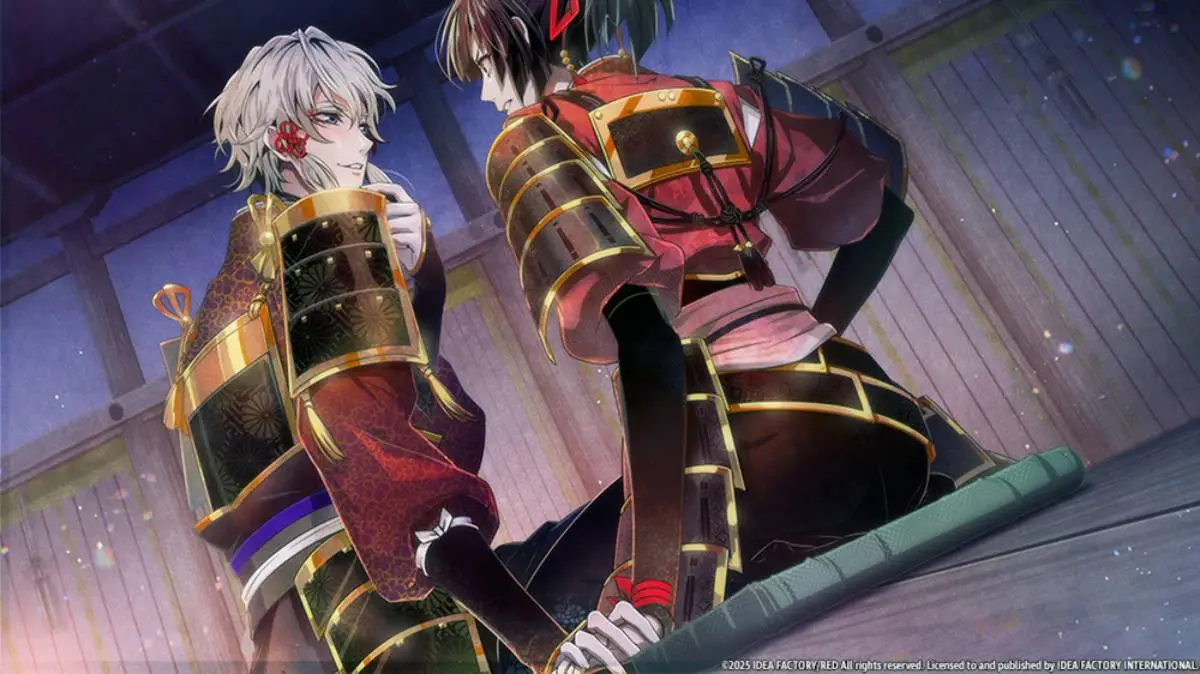
[City, State] – May 26, 2026 – For fans of historical otome games, the release of a fan disc often signifies a cherished opportunity to revisit beloved characters and explore the lingering threads of their romantic entanglements. Idea Factory International and Red’s latest offering, Birushana: Winds of Fate, arrives on Nintendo Switch today, promising to expand upon the narrative established in the critically acclaimed Birushana: Rising Flower of Genpei. While the original title garnered praise for its dynamic heroine, compelling character arcs with both happy and tragic conclusions, and the intriguing "what if" scenarios with supplemental characters, Winds of Fate aims to fulfill the wishes of its dedicated player base by offering more time with every character, with a particular emphasis on four entirely new romance routes.
This comprehensive review delves into the intricacies of Birushana: Winds of Fate, examining how it balances the continuation of established relationships with the introduction of fresh romantic possibilities, ultimately evaluating its success as a fulfilling expansion for existing fans and considering its appeal to newcomers in the crowded otome genre.
The Genesis of Birushana: A Foundation of Strong Storytelling
The original Birushana: Rising Flower of Genpei distinguished itself within the otome landscape through several key elements that resonated with players. The narrative centered on Shanao, a heroine who defied traditional damsel-in-distress tropes, exhibiting a remarkable blend of strength, vulnerability, and agency. This dynamic portrayal of the protagonist was crucial in grounding the romantic storylines and allowing players to invest deeply in her journey.
Furthermore, the game’s commitment to providing both poignant, tragic endings and genuinely heartwarming, happy conclusions for its main love interests added a layer of emotional depth rarely seen in the genre. This approach acknowledged the complexities of the historical period and the often-brutal realities faced by its characters, making the eventual triumphs all the more impactful.
Beyond the primary romantic pursuits, Rising Flower of Genpei also offered tantalizing glimpses into potential relationships with supporting characters. These "if" storylines, while not fully fleshed out, provided a compelling taste of what could have been, fostering a desire for deeper exploration. Critics and players alike lauded the game for its success in this regard, drawing parallels to other established historical otome titles such as Hakuoki and Nightshade, which also feature strong leads and intricate, historically-inspired narratives. It is this strong foundation that Birushana: Winds of Fate seeks to build upon, offering a compelling proposition for those who yearned for more.
A Tale of Two Paths: Epilogues and New Beginnings
Birushana: Winds of Fate presents a dualistic structure, offering both continuations of existing romances and entirely new narrative avenues. As is common with fan discs from Idea Factory International, the experience can feel like a "mixed bag," with varying degrees of success across its different components.
The Established: Epilogues of Established Loves
The first portion of Winds of Fate delves into the aftermath of the happy endings from Rising Flower of Genpei. Players can revisit the established main bachelors: Benkei, Noritsune, Shungen, Tomomori, and Yoritomo. These storylines are presented as brief epilogues, typically spanning a few chapters. They aim to showcase what life looks like for Shanao and her chosen partner in a committed relationship, exploring their journey as ordinary individuals navigating a post-Heiji Rebellion and Genpei War era.
While these epilogues provide a welcome sense of closure and reassurance that the "best possible endings" truly did lead to happiness, they are characterized by their brevity and a lack of player agency. These are presented as "kinetic stories," meaning players cannot influence the outcome, and the number of accompanying CGs is consequently limited. Despite these limitations, the developers have maintained a commendable level of consistency in characterization. Shanao’s strong personality remains intact; she does not suddenly transform into an overly feminine or demure individual. Her character development is not erased, and she continues to project strength even in the context of a peaceful domestic life as a wife. The relationship progression feels natural and organic, building upon the established foundations of the original game. Among these epilogues, the narratives for Tomomori and Yoritomo are often cited as particularly strong, offering a satisfying continuation of their respective arcs.
The Unveiled: New Routes and Unforeseen Depths
In contrast to the concise epilogues, the four new main route storylines in Birushana: Winds of Fate feel more substantial and, in many ways, more impactful. These routes provide proper main story and love interest arcs for characters who were previously relegated to supporting roles or presented only as "if" romance possibilities in the original game: Shigehira, Tadanobu, Takatsuna, and Tsugunobu.
These new routes are accessible directly from the main menu, allowing players to commit to a specific character’s journey without interruption. The Tadanobu and Tsugunobu storylines are generally well-executed and engaging. However, there are moments where Shanao’s behavior might feel slightly out of character, a minor detraction from an otherwise solid experience.
The Shigehira route is, as many would anticipate, an absolute standout. It is arguably the best-written of the four new paths, offering a compelling narrative that seamlessly integrates into the established world of Birushana. This route, in particular, demonstrates the developers’ ability to craft engaging storylines for characters who were not initially central to the plot.
The Takatsuna route, while offering a new romantic possibility, is where the game falters slightly. This storyline is noted for feeling somewhat out of character and occasionally out of place within the overall narrative tapestry of Birushana. Despite this single point of contention, the overall quality of the new routes is exceptionally high, making them the clear highlight of Winds of Fate.
Visual Storytelling: A Feast for the Eyes
The visual presentation of Birushana: Winds of Fate further enhances the player’s experience, particularly within the newly introduced routes. While the epilogues do feature some lovely CGs, such as a sweet moment between Noritsune and Shanao in a field, or striking visuals of Shungen and Shanao performing together, and consistently solid depictions of Tomomori, the CGs accompanying the new routes truly shine.
There are a greater number of CGs within these new storylines, which naturally contributes to their visual impact. However, it is the quality of the art and the evocative nature of the moments captured that truly set them apart. The art and the scenes they depict, with the exception of the Takatsuna route, are consistently impressive. The CGs for the new routes rarely miss the mark in terms of artistic execution and emotional resonance, significantly contributing to the overall immersion and enjoyment of these expanded narratives. This visual richness reinforces the idea that these new routes were not an afterthought but a carefully crafted extension of the Birushana universe.
A Strategic Release: Filling the Niche
Birushana: Winds of Fate is unequivocally a must-buy for those who adored the original Birushana: Rising Flower of Genpei and specifically craved more time with the supporting cast. The promise of expanded narratives for beloved characters is fulfilled, with three out of the four new main routes offering experiences that range from "pretty great" to "amazing." These new routes provide the depth and engagement that players have come to expect from the Birushana series.
The epilogues, while brief, serve their purpose effectively by providing a sense of closure and confirming the positive outcomes of the original game’s best endings. They offer a comforting glimpse into the future of Shanao and her chosen partner, reinforcing the emotional investment players made in their respective journeys.
However, for individuals who were not particularly drawn to the original Birushana game, Winds of Fate may not be the ideal entry point into the historical otome genre. The game’s strength lies in its continuation and expansion of pre-existing lore and character relationships. For newcomers, titles such as Homura: The Crimson Warriors, another offering from Idea Factory International that explores similar historical themes, might provide a more accessible and self-contained experience. Birushana: Winds of Fate is a testament to the power of fan service done right, catering to a dedicated audience with thoughtful expansions and the fulfillment of long-held desires for deeper character exploration.
Release and Availability
Birushana: Winds of Fate is now available on the Nintendo Switch, with its official release date being May 26, 2026. This strategic release ensures that fans have ample opportunity to immerse themselves in the extended narratives and newly explored romantic possibilities that the game offers. The continued support for the Nintendo Switch platform by Idea Factory International underscores their commitment to delivering otome experiences to a broad audience.
The game’s structure, while offering a mix of epilogues and new routes, is designed to satisfy the core desires of the existing fanbase. The emphasis on fleshing out previously underdeveloped characters into fully realized love interests is a significant draw, promising hours of engaging gameplay and emotional investment. As the otome genre continues to evolve, Birushana: Winds of Fate stands as a strong example of how to successfully build upon an established narrative, offering a rich and rewarding experience for those who have already fallen for the winds of fate.











No comments yet. Be the first to join the conversation!