

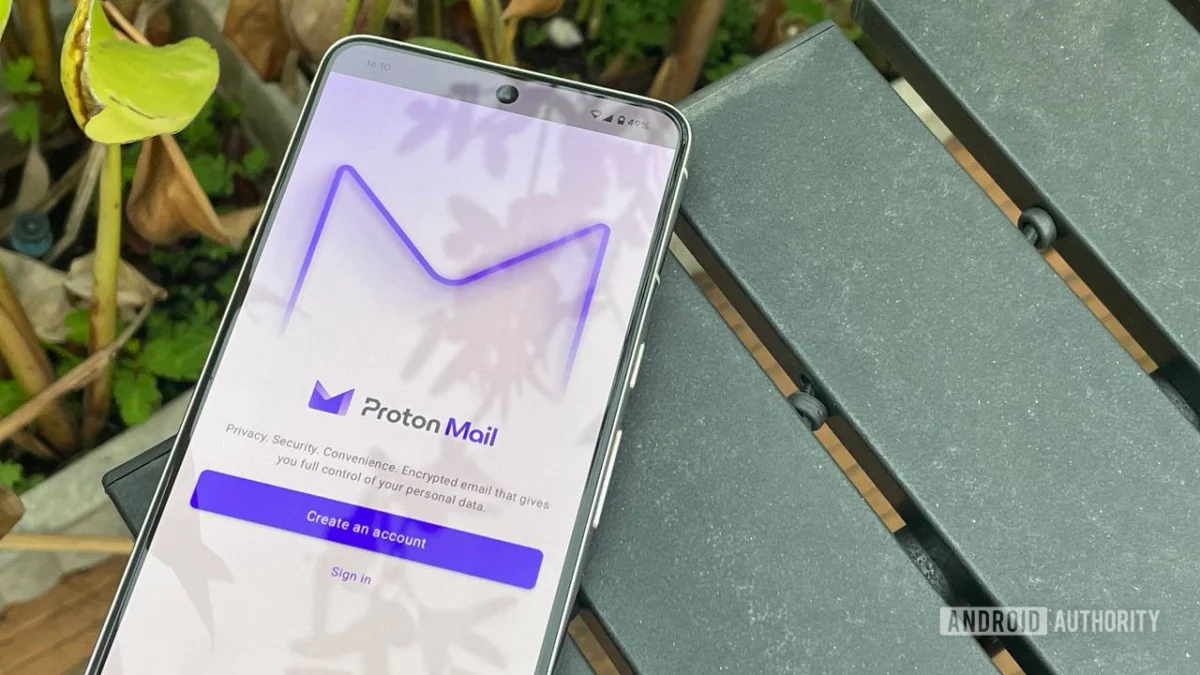
For years, the prospect of migrating away from Gmail has been treated with the same trepidation as changing one’s legal name. With decades of digital history, secondary account verifications, and professional correspondence tethered to Google’s ecosystem, the "switching cost" has historically been too high for the average user. However, Proton Mail, the privacy-centric email giant, is looking to disrupt that status quo.
In a significant update to its suite of services, Proton has announced a new feature designed to act as a bridge, allowing users to transition from Google’s ecosystem to a more secure, encrypted environment without the immediate shock of abandoning their old address. This move marks a strategic escalation in the ongoing battle between data-harvesting business models and the growing demand for digital privacy.
The Core Innovation: Bridging the Gap
The new feature, integrated directly into the Proton Mail application, serves as a seamless conduit between legacy Gmail accounts and the Proton infrastructure. By utilizing the "Easy Switch" tool, users can now authorize Proton to sync their incoming Gmail traffic directly into their Proton inbox.
Crucially, the tool goes beyond simple forwarding. It enables users to send emails from their existing Gmail address directly through the Proton Mail interface. This solves the primary hurdle of migration: the fear of missing critical correspondence or failing to notify contacts of a change in identity. By allowing a "hybrid" phase, Proton is effectively lowering the barrier to entry for privacy-conscious users who previously felt "locked in" by the convenience of their existing Gmail accounts.
A Brief Chronology of the Privacy Shift
The evolution of email services over the last two decades has been marked by a transition from utility to data harvesting.
- 2004: Google launches Gmail in beta, offering unprecedented storage. The trade-off, initially obscured, was the scanning of email content for targeted advertising.
- 2014: Proton Mail emerges from CERN, founded by scientists who recognized the systemic vulnerabilities in standard email protocols.
- 2018: The implementation of GDPR in Europe forces a global reckoning regarding data privacy, putting companies like Google under increased regulatory scrutiny.
- 2023-2024: Increased consumer awareness regarding AI training data leads to a surge in interest for platforms that offer end-to-end encryption (E2EE).
- May 2025: Proton introduces its latest migration tool, signaling an aggressive push to convert "privacy-curious" Gmail users into permanent Proton subscribers.
Supporting Data: Why Users Are Leaving
The primary driver behind this shift is a growing fatigue with the "adware" nature of modern free email providers. Proton’s critique of Google is not merely philosophical; it is rooted in the architecture of the web.
According to various privacy advocacy groups, Google’s business model relies on the creation of a "digital twin"—a shadow profile built from data points harvested from emails, search queries, and location history. When a user sends an email through Gmail, the content is indexed, categorized, and linked to the user’s advertising ID.
Proton, by contrast, operates on a zero-access encryption model. Data stored on their servers is encrypted at the hardware level, meaning even if a government agency or malicious actor were to gain access to the physical servers, the contents of the emails remain unreadable. Furthermore, Proton explicitly strips "tracking pixels" from incoming emails—invisible images that tell senders when, where, and on what device an email was opened. In an era where email marketing has become increasingly intrusive, this feature alone has become a primary selling point for the service.
Official Responses and Strategic Positioning
In its official blog post, the team at Proton did not mince words. The company characterized the transition as an act of "digital liberation."
"We believe that your personal data belongs to you, not to the company that provides your inbox," a company spokesperson stated. By labeling competitors as "adware," Proton is positioning itself as the ethical alternative in a market saturated by surveillance-capitalist models.
While Google has not provided a specific counter-statement regarding this individual feature, the tech giant has historically defended its data practices as necessary to provide "personalized experiences." Google maintains that its users have granular control over their privacy settings, though critics argue that these controls are often obscured by "dark patterns" designed to encourage maximum data sharing.
Implications: The Future of Email Independence
The implications of this new feature extend far beyond a single utility update.
1. The Death of the "Locked-In" Strategy
For nearly two decades, tech giants have relied on "network effects" and "vendor lock-in" to retain users. If your entire life is tied to an address, leaving becomes a logistical nightmare. By providing a bridge, Proton is effectively democratizing the ability to leave. This puts pressure on Big Tech to improve their own privacy offerings, lest they lose their most valuable user segments to more secure alternatives.
2. A New Era for End-to-End Encryption
Historically, E2EE was considered the domain of security experts and activists. It was often clunky, required separate keys, and lacked the "polish" of mass-market apps. Proton’s integration signifies a transition where encryption is no longer an "option" for the tech-savvy, but a "default" for the general public. As this becomes the new standard, other providers—even those with ad-based models—may be forced to adopt more robust privacy protocols to remain competitive.
3. Regulatory and Competitive Landscape
Regulatory bodies, particularly in the European Union, have been watching the concentration of data in the hands of a few tech conglomerates with concern. Features that encourage "interoperability"—the ability for different services to talk to each other—are increasingly viewed favorably by regulators. Proton’s move aligns with the spirit of the Digital Markets Act (DMA), which seeks to prevent gatekeeping in the digital ecosystem.
How to Utilize the New Feature
For those interested in testing this transition, the rollout is occurring in phases. Users should navigate to their Proton Mail settings and locate the "Import via Easy Switch" menu.
The setup process requires:
- Authorization: You will be prompted to grant Proton access to your Gmail account via an OAuth token.
- Mapping: The tool will map your existing Gmail folders and labels to your new Proton account.
- Syncing: The system will begin pulling messages, and you will be provided with an option to set up your Gmail address as a "sending identity" within Proton.
It is important to note that while this tool makes the transition easier, it is a significant change in how you manage your digital identity. Users are encouraged to maintain their Google account for a trial period to ensure all secondary services (like bank logins or cloud storage) have been successfully updated to the new email address.
Conclusion: A Shift in Digital Power
The integration of Gmail-to-Proton migration tools is more than just a convenience feature; it is a fundamental shift in the power dynamic between the user and the platform. For too long, the default state of the internet has been one of total transparency for the user and total opacity for the provider.
By making it trivial to leave the walled gardens of Big Tech, Proton is betting that when given a choice, users will choose privacy. As the digital landscape continues to evolve, the ability to pack up one’s digital life and move to a more secure home may well become the most valuable feature a service can offer.
The era of digital "serfdom," where users were bound to a service provider for life, is slowly coming to an end. Whether this triggers a mass exodus from legacy providers or simply forces those providers to change their own policies remains to be seen. However, one thing is certain: the walls are coming down, and the user finally has a set of keys to the front door.












No comments yet. Be the first to join the conversation!