

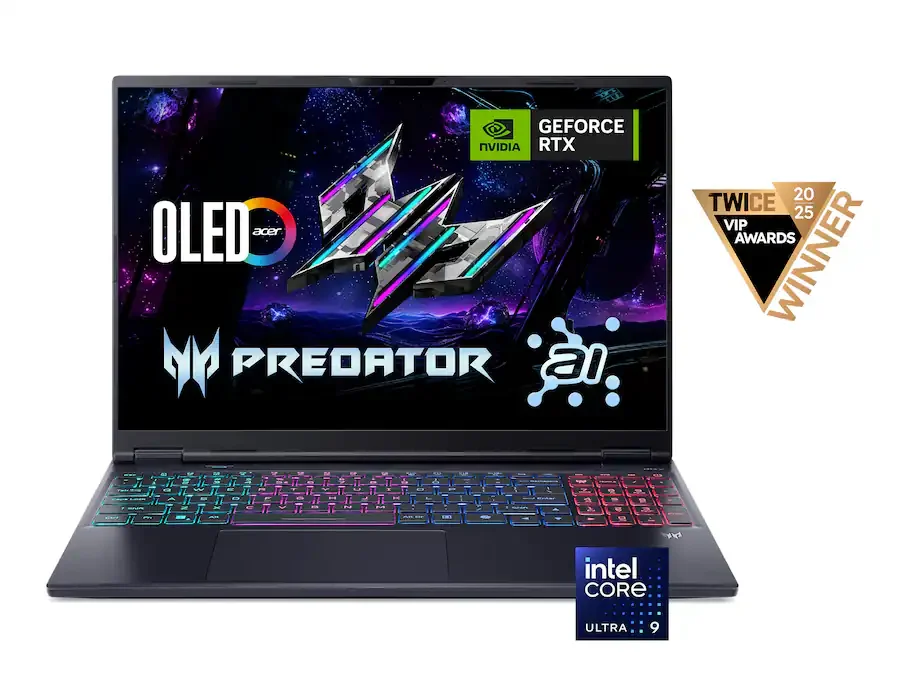
As the calendar turns toward September, the retail landscape is undergoing its final major shift before the holiday season. Best Buy has officially launched its highly anticipated Labor Day sales event, signaling what experts describe as a rare window of opportunity for consumers to acquire high-end computing equipment at significant discounts. With the back-to-school rush reaching a fever pitch, the retail giant is cutting prices across its entire ecosystem, offering up to $900 in savings on gaming laptops, $500 off premium MacBook models, and substantial price slashes on desktop PCs and high-resolution monitors.
The Main Facts: A Massive Sweep of Tech Savings
The Labor Day sales event at Best Buy is characterized by its breadth. Unlike seasonal clearances that focus on clearing out aging inventory, this event includes a wide array of current-generation hardware. The headline figures—up to $900 off select gaming laptops and $600 off gaming desktops—represent some of the most aggressive discounting seen this year.
For the mobile professional or student, the $500 discount on Apple’s MacBook lineup serves as the centerpiece of the sale. This is particularly notable given Apple’s historical reluctance to authorize deep, widespread discounting on their flagship portable devices. Simultaneously, the monitor category, which has seen fluctuating demand over the last two quarters, is seeing price drops of up to $500 on high-refresh-rate panels and productivity-focused displays.
Chronology: The Road to the Labor Day Sale
To understand why these deals are appearing now, one must look at the trajectory of the consumer electronics market throughout 2024.
- Q1 2024: The industry saw a stabilization in supply chains, though costs for essential components—specifically DRAM and NAND flash memory—began an upward trend.
- Q2 2024: Retailers faced a "soft" market as inflation impacted consumer discretionary spending. Manufacturers began looking for ways to move inventory without devaluing their brands.
- Late Summer 2024: As the "Back to School" period hit, Best Buy pivoted from localized promotions to a sweeping, nationwide Labor Day event. This move was calculated to capture the final wave of academic shoppers while enticing professionals looking to refresh their home offices before the end of the fiscal year.
- Current State: We are now in the "peak window." Retail analysts suggest that this period serves as a buffer between the end-of-summer lull and the Q4 scramble for inventory that typically accompanies the holiday season.
Supporting Data: The Volatility of PC Components
The urgency behind these deals is not merely a marketing tactic; it is rooted in the current reality of the PC component market. According to recent market intelligence reports, the cost of high-density RAM and solid-state drives (SSDs) has been climbing steadily over the past several months. This is largely attributed to manufacturing cutbacks and a surge in demand for AI-capable hardware, which requires significant memory overhead.
When retailers like Best Buy absorb these costs to keep consumer pricing low, it often results in thinner profit margins for the store. Consequently, these deep-discount events are often the result of pre-negotiated volume agreements between manufacturers and retailers. By locking in these prices during Labor Day, consumers are essentially "hedging" against the expected price hikes in the component market that analysts project will materialize in Q4. For those waiting to build or buy a PC, the current market dynamics suggest that waiting until Black Friday may be a gamble, as supply constraints for certain premium components could lead to higher price floors rather than lower ones.
Implications: Strategic Purchasing in a Shifting Market
The decision to participate in this sale has broader implications for the tech consumer. The "PC Hardware" market is currently in a state of transition. With the release of new CPU architectures and the continued optimization of GPU performance, the mid-range segment is more competitive than ever.
The Gaming Laptop Landscape
Gaming laptops have arguably seen the most significant transformation. Modern thin-and-light chassis now house hardware that rivals desktop configurations from just two years ago. The $900 savings on select high-end laptops indicate that manufacturers are clearing shelf space for the next refresh cycle. For the consumer, this means gaining access to RTX 40-series graphics and high-refresh OLED panels at prices that were previously reserved for entry-level devices.
Desktop PCs and Customization
For the desktop enthusiast, the $600 savings on gaming PCs offer a compelling argument against building a custom rig from scratch. While building allows for modularity, the current cost of individual components—specifically high-performance DDR5 RAM and Gen4/Gen5 NVMe SSDs—often exceeds the price of a pre-built machine during these promotional windows. Best Buy’s current strategy highlights a shift where pre-built systems are increasingly becoming the "value" play.
The Monitor Conundrum
Displays are often the most overlooked component of a setup, yet they have the longest lifecycle. A $500 discount on a premium monitor is an investment in ergonomics and visual fidelity. As the market moves toward 4K and ultra-wide formats, older 1440p monitors are seeing their price floors collapse, making this an ideal time for users to upgrade their secondary or tertiary monitors without significant expenditure.
The "End of Summer" Opportunity
As Ben Stockton, a veteran deals writer for Tom’s Hardware, notes, the current retail environment is a delicate balance of inventory management and consumer demand. "It is the end of the summer break," Stockton observes. "With back-to-school deals all around us, now could be the best opportunity to pick up a bargain before the prices go up again."
This sentiment is echoed by broader retail trends. Historically, the period following Labor Day sees a brief "quiet period" before the marketing blitz of the holiday season begins. Retailers are less inclined to offer deep discounts once the back-to-school window closes, as the immediate urgency for students and parents dissipates. Therefore, the current Labor Day sale acts as a tactical release of pricing pressure.
Conclusion: How to Navigate the Sale
For those looking to take advantage of these offers, the strategy should be one of precision rather than impulse.
- Assess Your Bottlenecks: Don’t upgrade for the sake of upgrading. Identify if your current system is failing due to RAM constraints, GPU limitations, or thermal throttling.
- Compare Lifecycle Costs: Consider the longevity of the device. A laptop that saves you $900 today is a poor deal if it lacks the port selection or thermal efficiency required for your specific workflow.
- Monitor the Market: While the Labor Day event is massive, keep an eye on specific SKU comparisons. Ensure the "discounted" price is indeed lower than the historical average for that specific model.
As we move past the Labor Day weekend, the reality remains that the tech sector is bracing for potential price volatility. Whether you are a student preparing for the upcoming semester, a gamer looking for a competitive edge, or a professional needing a reliable workstation, the current Best Buy sale represents a rare convergence of high inventory levels and aggressive retail strategy. It is, by all indicators, the most sensible time to secure the hardware you need before the broader market forces a return to premium pricing.











