Ammar Sabilarrohman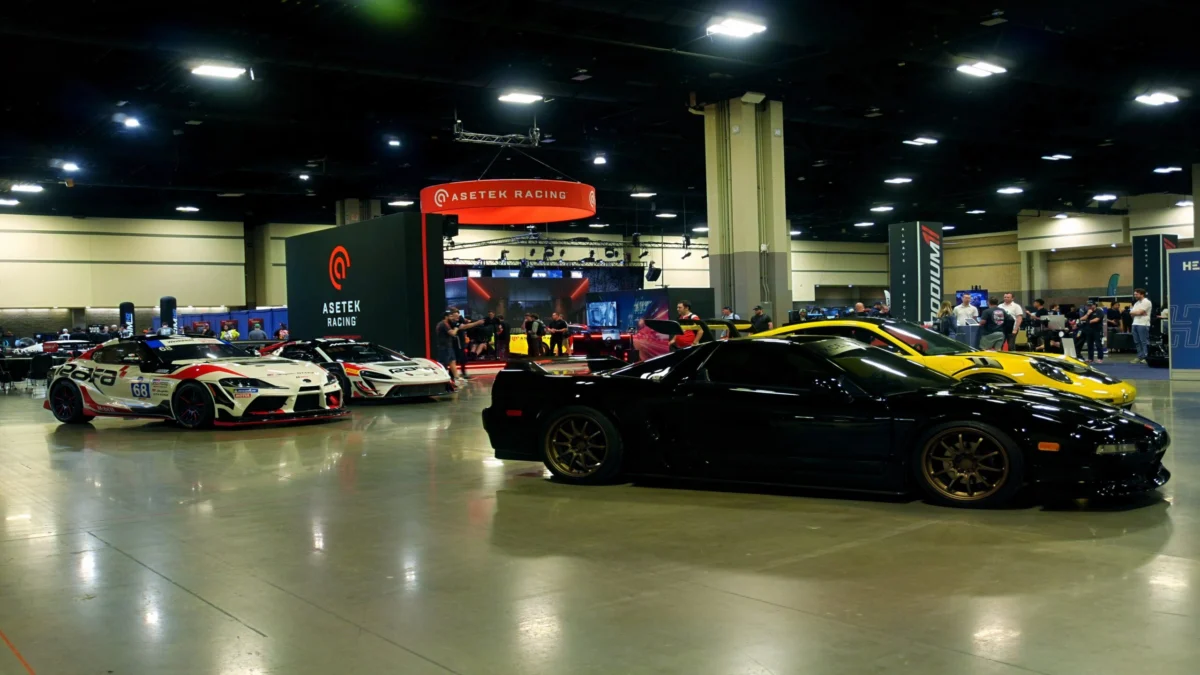
The world of motorsports has long been defined by the roar of internal combustion engines, the scent of high-octane fuel, and the visceral tension of a three-wide pass at 200 miles per hour. Yet, over the 2026 Memorial Day weekend, the epicenter of American racing shifted from the asphalt of the Charlotte Motor Speedway to the climate-controlled halls of the Charlotte Convention Center. As the inaugural Sim Racing Expo in the United States opened its doors, it did so against a backdrop of both industry-shifting innovation and profound collective grief.
With nearly 10,000 enthusiasts passing through the doors over three days, the event served as a testament to the maturation of sim racing from a niche hobby into a sophisticated, high-fidelity industry. However, the celebration was tempered by the tragic and unexpected passing of NASCAR icon Kyle Busch, an event that cast a long shadow over the festivities and forced a community to grapple with the loss of one of its most polarizing and celebrated figures.
A Convergence of Technology and Tradition
For years, the Sim Racing Expo has been a staple of the European calendar, a pilgrimage for those obsessed with the intersection of software and hardware. Bringing this experience to Charlotte—the spiritual home of NASCAR—was a strategic masterstroke. By positioning the event adjacent to the NASCAR Hall of Fame and aligning it with the prestigious Coca-Cola 600, organizers created an immersive "total racing" experience that catered to both the veteran sim racer and the traditional NASCAR fan.
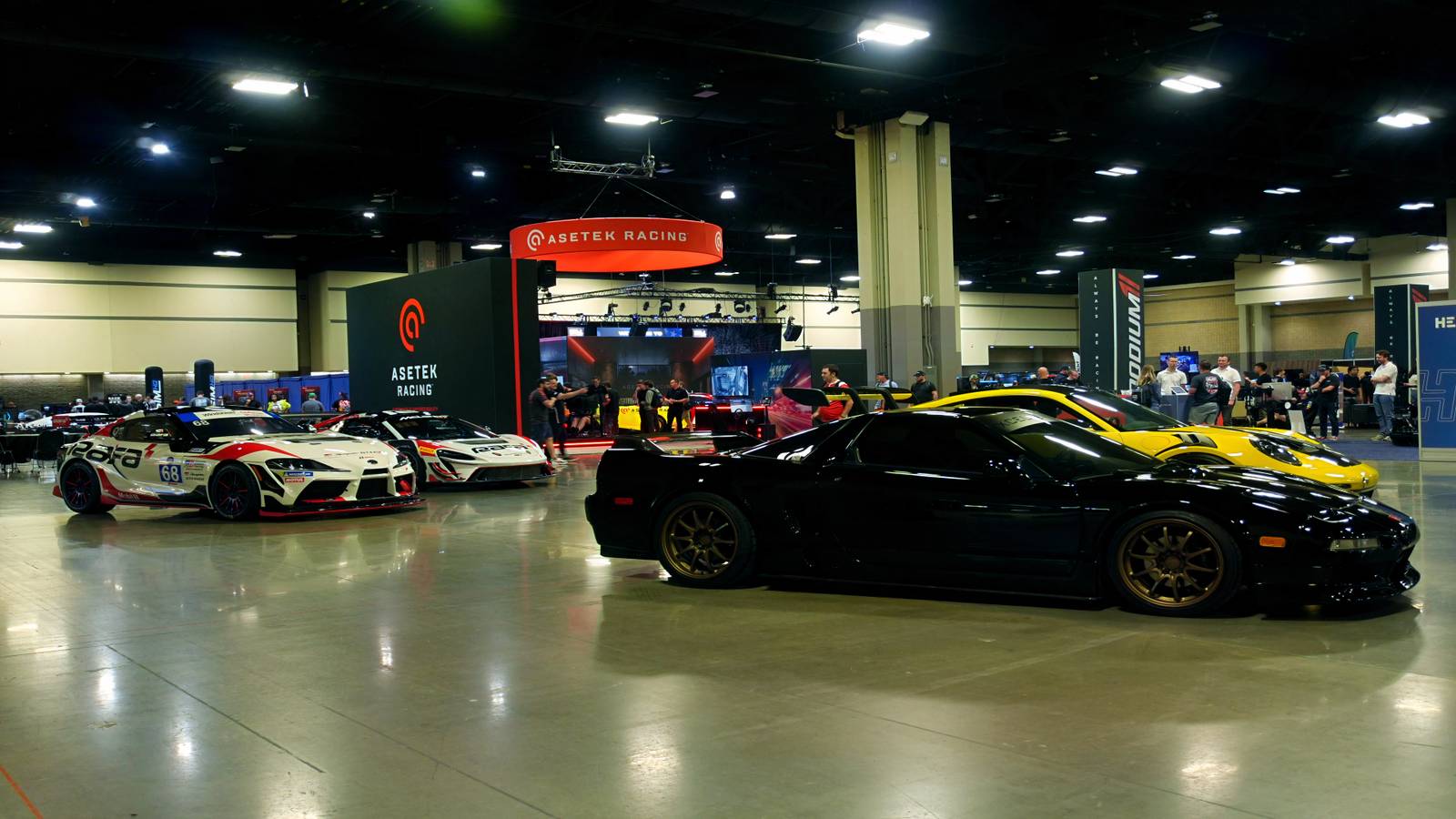
The event floor, dominated by the headline sponsor D-BOX, featured over thirty exhibitors. From the moment attendees descended the escalator, the sheer breadth of the technology was staggering. Vendors like E-PXN greeted guests with immediate hands-on demos, setting the tone for a weekend where accessibility met elite-level performance.
The Technological Frontier: From Motion Rigs to Cognitive Science
The true stars of the show were the motion simulators, which have evolved from expensive toys into instruments of near-perfect fidelity. Podium 1 Racing drew massive crowds with their P1 Super Spyder 6DOF (six degrees of freedom) turnkey setup. At a price point of $130,000, these units offered a level of immersion that left even seasoned track-day drivers humbled. The physical force feedback and the G-force simulation provided by these rigs highlight why sim racing has become the primary training ground for the next generation of professional racers.
However, the innovation was not restricted to speed. The science booth hosted by SimCraft provided a fascinating look at the medical and therapeutic applications of the technology. Partnering with the Skip Barber Racing School, SimCraft demonstrated how their APEX GT setups are being utilized to assist in the recovery of cognitive decline and concussion rehabilitation. This shift from pure entertainment to functional, medical-grade simulation marks a significant milestone in the industry’s legitimacy.
Trak Racer, another heavy hitter at the expo, utilized the platform to debut their TRZ motorcycle rig. The concept, slated for an official release at $2,000 later this year, was arguably the most talked-about piece of hardware on the floor. Allowing users to experience the physical nuances of counter-steering in titles like MotoGP 26, the TRZ represents the next frontier in non-four-wheeled simulation.
A Weekend Defined by Sorrow: The Kyle Busch Tragedy
While the technology was the draw, the atmosphere in Charlotte was undeniably heavy. The news of Kyle Busch’s passing, which broke just 24 hours prior to the event’s opening, dominated conversations in every corner of the convention center. For a community that idolizes the skill and precision of drivers like Busch, the loss was personal.

Busch’s influence on the sport was unparalleled. His ability to compete at the highest levels of the Indianapolis 500 and the Coca-Cola 600—a rare "double-dip" feat—solidified his legacy. Throughout the weekend, the expo floor became an impromptu memorial. Fans and industry professionals alike traded stories of his final victory at the Dover truck race, reflecting on the tenacity that made him a titan of the sport.
The presence of NASCAR figures, including Carl Edwards, added a layer of solemnity to the event. Edwards, who spent time testing the Podium 1 setups, noted the importance of the gathering during such a difficult time for the racing family. The shared vulnerability of the attendees, who were there to celebrate the sport that Busch helped define, turned the expo into a space of collective healing.
Market Dynamics: The Push for Accessibility
One of the most compelling narratives at the Expo was the ongoing struggle to balance high-end professional equipment with consumer-grade affordability. While the $130,000 rigs provided the "wow" factor, nearly half of the exhibitors focused on the democratisation of sim racing.
Companies like Thrustmaster and Asetek are leading this charge. Thrustmaster, a veteran of the industry, continues to thrive by offering reliable, entry-level hardware that serves as a gateway for the next generation of racers. Their commitment to modularity—allowing users to swap wheels and pedals—ensures that the barrier to entry remains manageable.
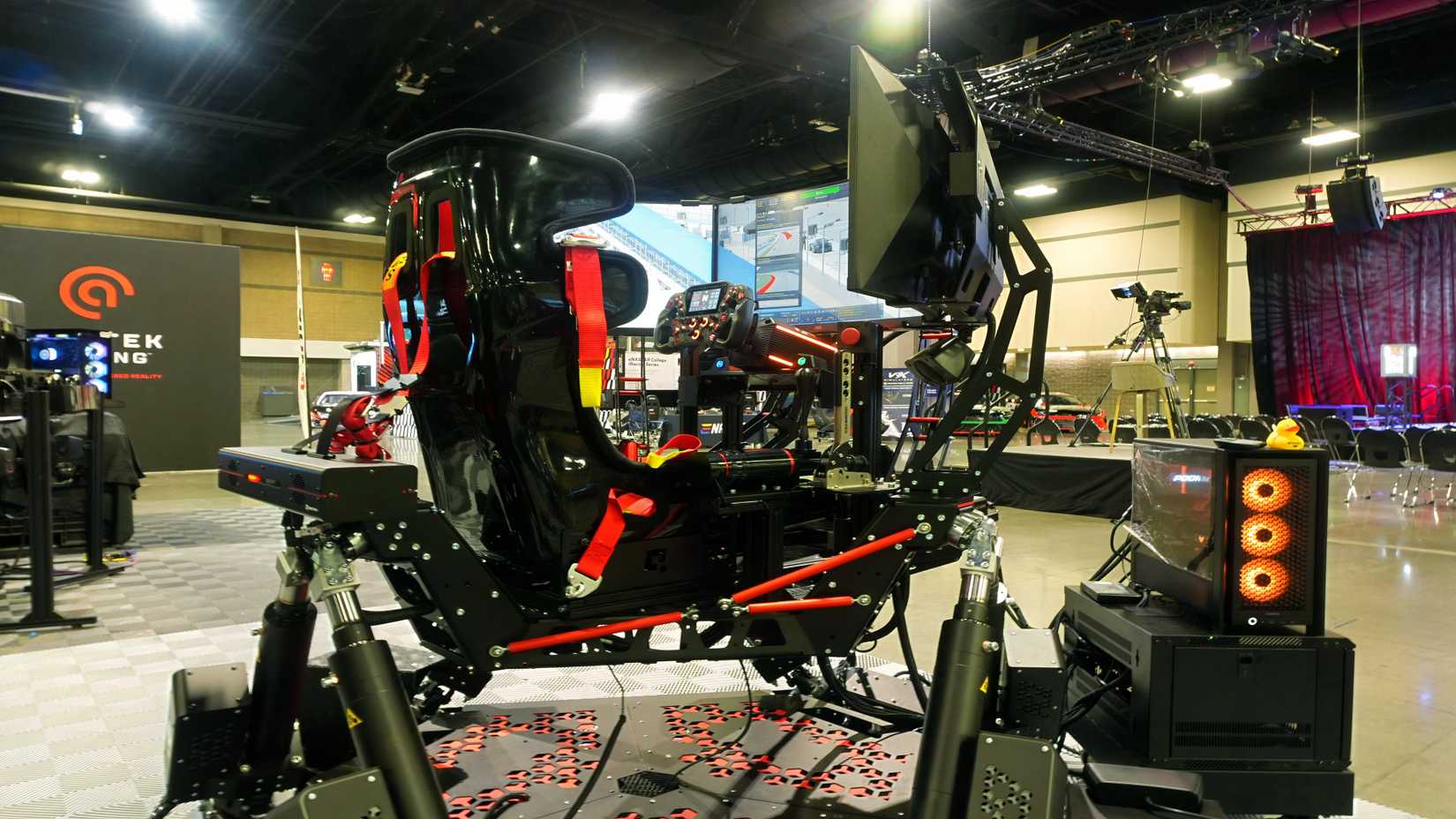
Asetek, which famously transitioned from the high-end PC cooling market to sim racing, provided a different perspective. With the recent launch of the Initium, they are proving that premium performance does not always require an industrial-grade budget. Their booth served as a bridge, showing that the technology found in top-tier professional rigs is slowly trickling down to the home office.
Software and the Digital Ecosystem
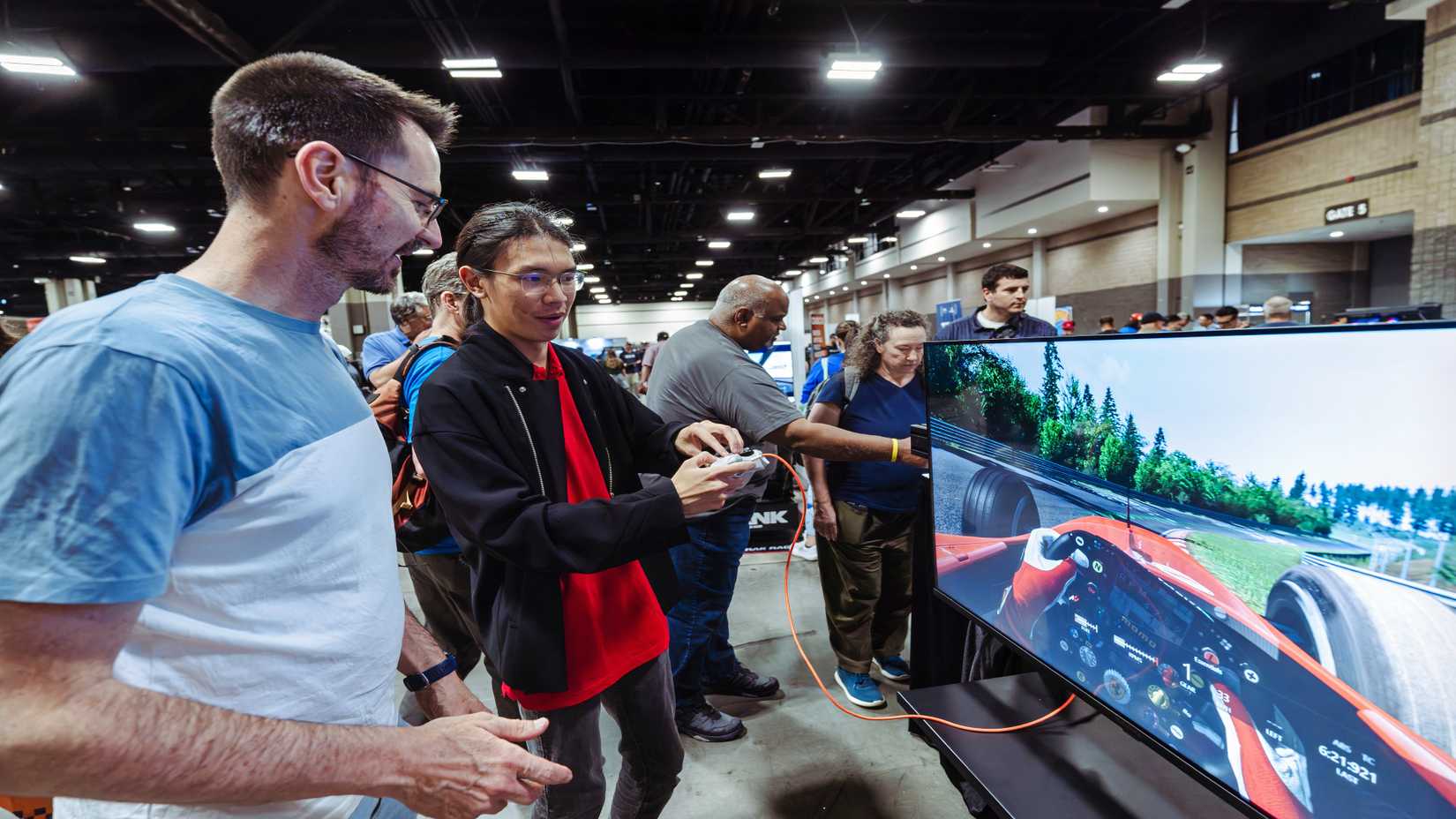
The expo was not just about the hardware; it was a showcase for the software that powers the industry. Giants Software, iRacing, and Wantec VR provided attendees with a look at the future of virtual competition. Project Motor Racing and NASCAR 25 were among the titles available for hands-on play, allowing visitors to test their mettle against the very tracks they would see the professionals navigate at the Coca-Cola 600.
The inclusion of live sim racing leagues, with commentary provided on-site, turned the expo into a spectator sport. Seeing top-tier virtual drivers compete in real-time underscored the competitive integrity of modern sim racing, moving it further away from the "video game" label and closer to its rightful place as a legitimate branch of motorsports.
Implications and the Road Ahead
As the event concluded and the rain-shortened Coca-Cola 600 drew to a close with Daniel Suarez’s strategic victory, the organizers of the Sim Racing Expo were already looking toward the future. The "Golden Ticket" package, which provided access to the expo, the Hall of Fame, and the race itself, proved to be an overwhelming success. It demonstrated that there is a massive, untapped appetite for a hybrid racing culture where digital and physical experiences coexist.
The announcement that the Sim Racing Expo will return to Charlotte from May 21–23, 2027, confirms the long-term viability of the event. By shifting the dates to coincide with the NASCAR All-Star race weekend rather than the Coca-Cola 600, organizers are signaling a desire to create a distinct, standalone identity for the Expo, rather than simply piggybacking on an existing event.
The implications for the industry are clear: sim racing has graduated. It is no longer just a training tool for professional drivers or a way for fans to burn time between races. It is a multi-million dollar industry that is influencing the future of cognitive therapy, hardware manufacturing, and the way we consume the sport of racing.
Despite the sorrow that permeated the 2026 event, the inaugural U.S. Sim Racing Expo succeeded in its primary mission: to provide a home for the enthusiasts who live and breathe the sport. As the industry looks forward to 2027, the challenge will be to maintain this momentum and continue to innovate, ensuring that the legacy of those who helped build the sport—like Kyle Busch—is honored by the relentless pursuit of speed, precision, and passion, whether on the asphalt or in the cloud.


 Asro
Asro
 Muslim